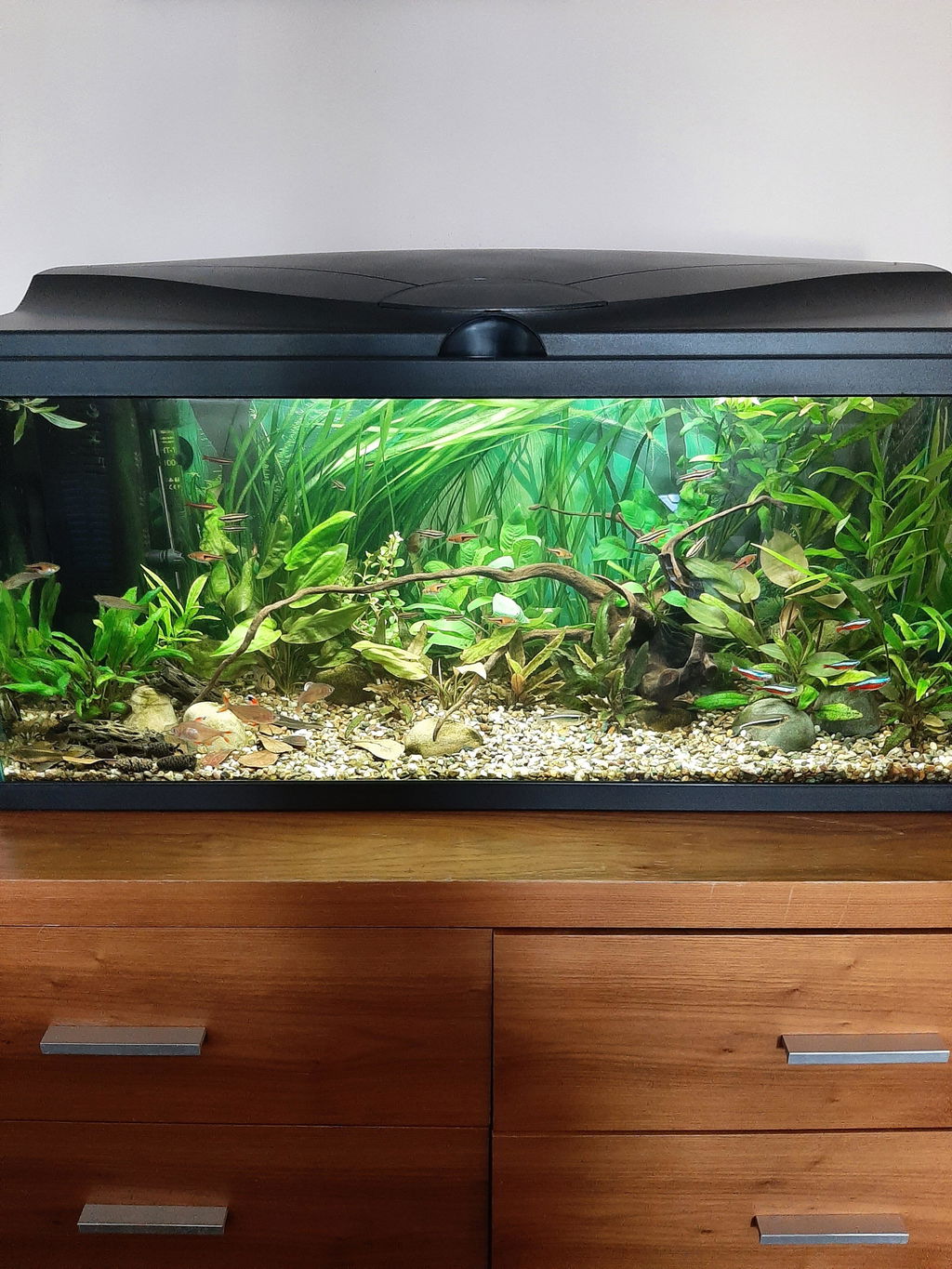


Bolbitis is one of the most elegant ferns you can grow underwater. Its deeply textured, dark green fronds look like they belong in a rainforest stream, and it is surprisingly forgiving once it is settled in. The catch is that it is often planted the wrong way, which is why so many people see it struggle in the first few weeks.
This guide explains how to plant Bolbitis properly, what it needs to thrive, and how to deal with common problems.
What Is Bolbitis?
Bolbitis heudelotii, often sold as African water fern or Congo fern, is a slow-growing fern that creeps along a thick rhizome. Like Anubias and Java fern, it is an epiphyte: in nature it grows attached to rocks and wood in flowing water, not rooted in soil. That single fact explains almost everything about how to grow it well.
You will also see it sold under the misspelling “Bolbitus”, and in smaller forms such as Bolbitis difformis. They share the same basic care.
How to Plant Bolbitis on Rock or Wood
The golden rule is never to bury the rhizome. The thick, creeping stem needs to stay above the substrate, otherwise it can rot and the plant may melt away. Instead, attach it to hardscape and let the fine roots grip over time.
Step by Step
Rinse your rock or wood first, then lay the rhizome across a flat or slightly textured area. Secure it with cotton thread, fishing line or a small dab of gel aquarium glue. The thread can be removed once the roots have taken hold, usually after a few weeks. Avoid wrapping tightly over the rhizome, as that can damage it.
If you would rather skip this step, buy it ready-attached. Bolbitis heudelotii on Driftwood is ready to place, and our plants on rock and plants on wood ranges save you the effort. If you want to learn the technique, see our guide to attaching plants to wood and rock.
From Aqua Essentials
Grow ferns the easy way: our epiphytes include Bolbitis, Anubias, Java fern and Bucephalandra, ready to attach or already attached.
Shop epiphytes →Light, Flow and Feeding
Bolbitis is happy in low to moderate light and does not need CO2 to grow, though extra carbon will speed up its otherwise slow growth. Strong light can encourage algae on the leathery fronds, so place it in a slightly shaded spot or among taller plants if your lighting is bright.
It also enjoys a little water movement, which keeps debris from settling on the leaves and suits its stream-dwelling origins. Because it takes nutrients mainly through its leaves, a light, regular dose of liquid fertiliser from our plant fertilisers range is better than heavy root feeding.
Common Problems and Fixes
Brown or Melting Leaves
Some leaf loss in the first weeks is normal as the plant adjusts to new water conditions, especially if it was grown out of water. Trim any damaged fronds back to the rhizome and be patient: new growth appears from the rhizome tip. If the whole plant is declining, check that the rhizome has not been buried or wrapped too tightly.
Algae on the Fronds
Algae usually points to too much light or unbalanced feeding. Reduce the lighting period, add floating plants for shade, and keep up with regular water changes. If black beard algae takes hold, see our guide to black beard algae.
Slow Growth
Slow growth is simply how Bolbitis behaves. Give it a stable tank and a few months, and it will reward you with larger, fuller fronds. Fish do not usually bother it, so it also suits tanks with larger, plant-nibbling species. Many keepers pair it with non-edible plants for a low-maintenance tank.
Plant it on hardscape, keep the rhizome clear of the substrate and give it time, and Bolbitis becomes one of the most striking features in a low-tech tank. Have a look at the full range at aquaessentials.co.uk, or get in touch with our Devon team if you want help choosing.