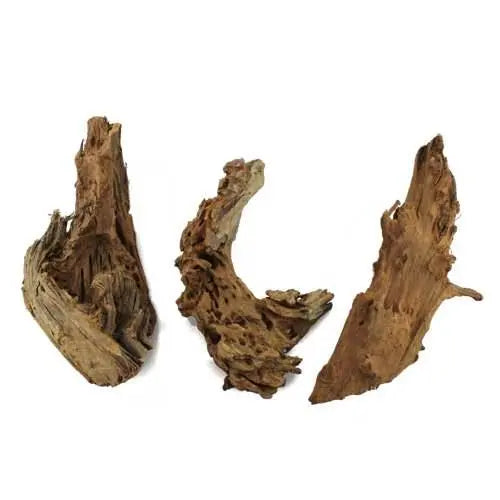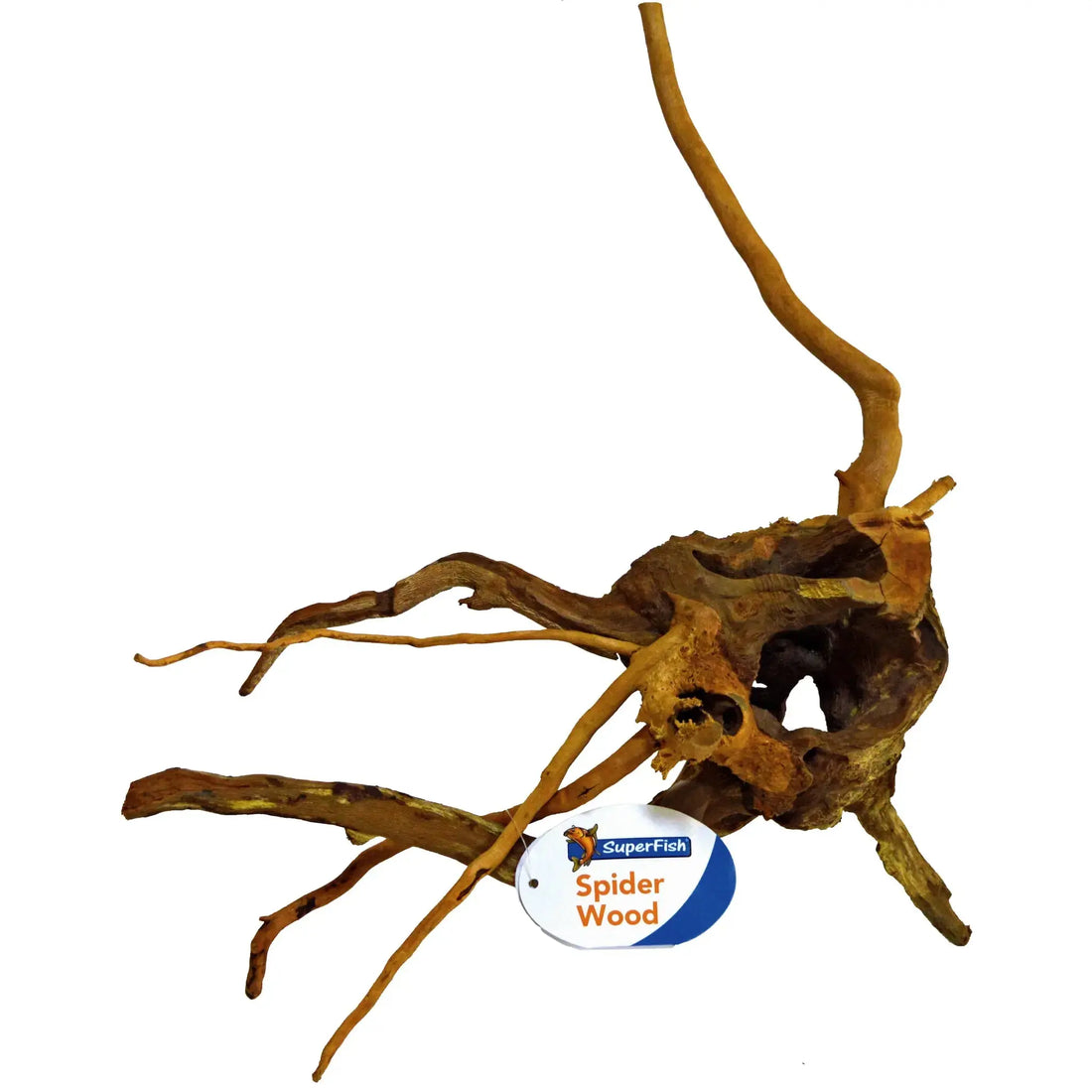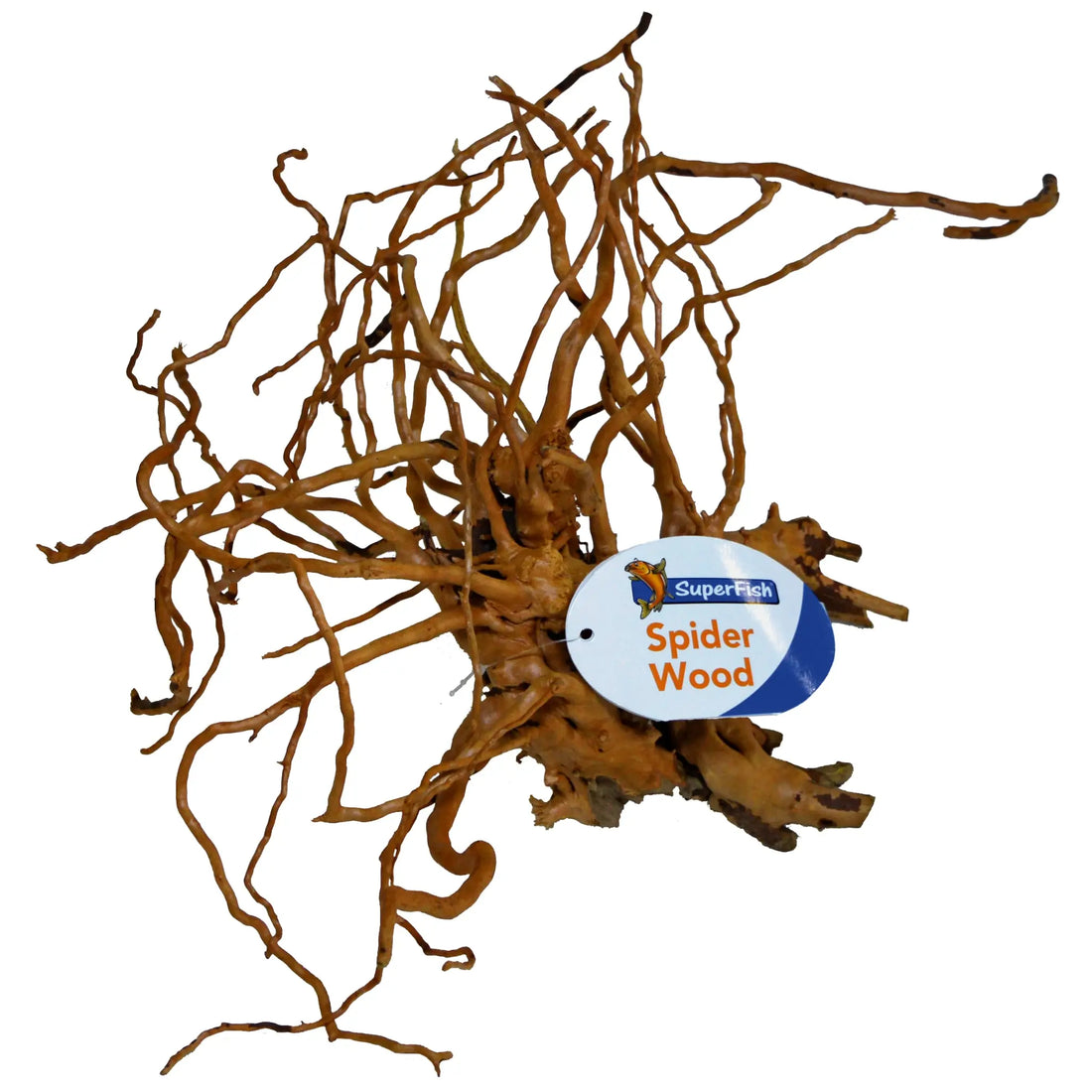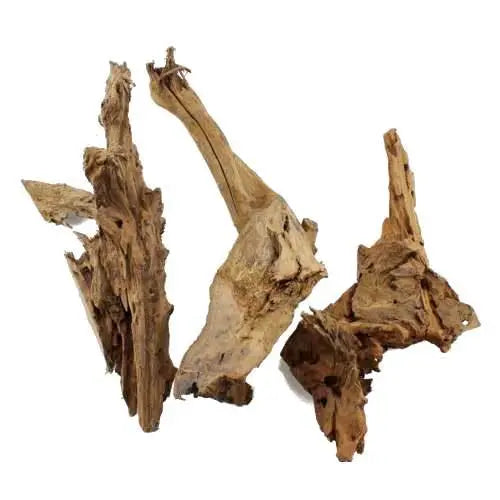
Aquarium Bogwood & Wood | Natural Driftwood for Fish Tanks

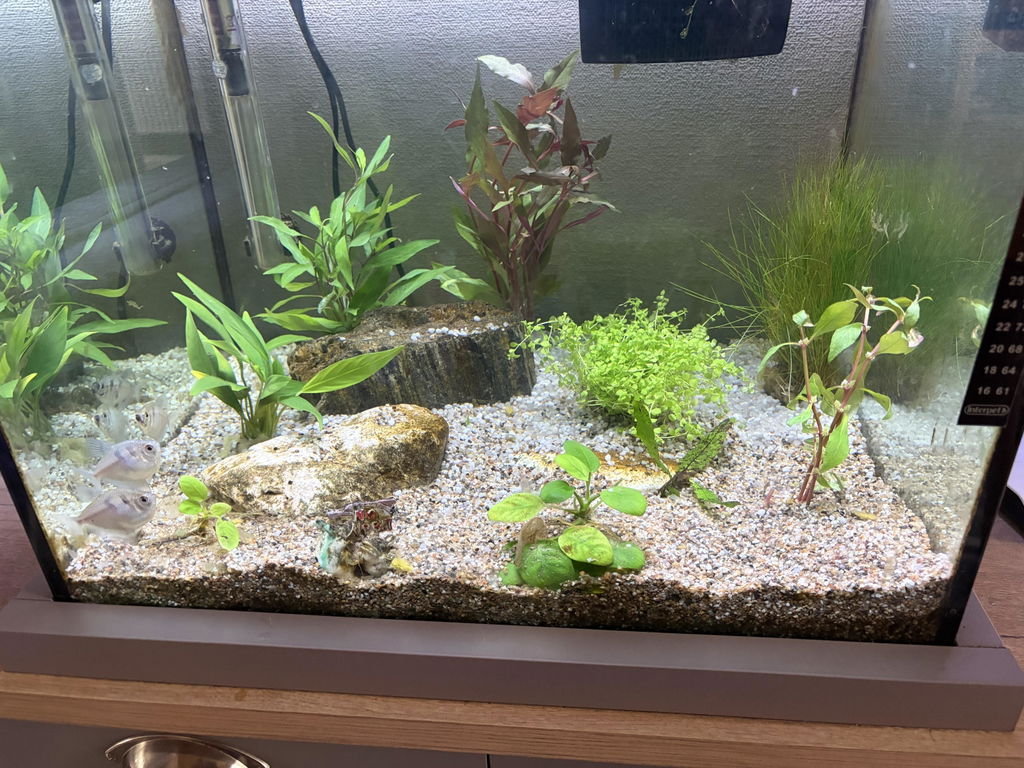
Aquarium bogwood and driftwood anchors live plants, creates natural shelter for fish and shrimp, and forms the foundation of any aquascape. From nano driftwood to XL spider wood and mangrove root β€” all aquarium-safe, UK-stocked, and dispatched same day.

Filter
Price
Reset
Β£
0
47.99
Β£
Β£
Price: Β£0 – Β£47.99
Sort by
Filter and sort Filter
Filter and sort
Filter

13 products

Availability
Price
Β£
Β£
Brand

13 products

FAQs

What is aquarium bogwood?

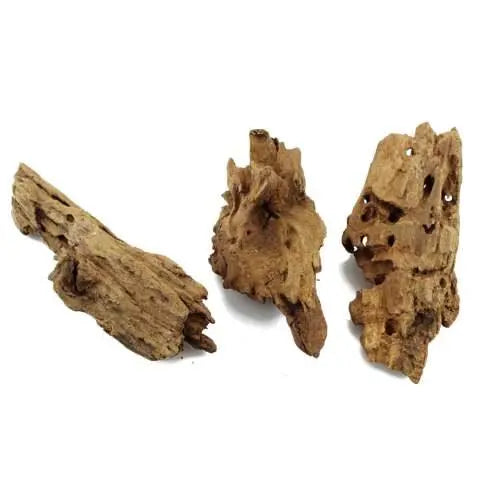
Aquarium bogwood is a term used for natural wood that has been waterlogged and treated for safe use in fish tanks. It includes types such as spider wood, driftwood, and mangrove aged wood β€” all of which are aquarium-safe, release beneficial tannins, and provide natural attachment points for plants like Anubias and Java Fern.

Does bogwood affect aquarium water quality?

Yes β€” bogwood for aquariums releases tannins which gradually lower pH and tint the water amber. This replicates the natural blackwater conditions most tropical fish come from and is beneficial for species like tetras, rasboras, and dwarf cichlids. Pre-soaking bogwood in a bucket for 24–48 hours before placing it in your fish tank significantly reduces tannin leaching and discolouration.

How do I prepare bogwood for an aquarium?

Soak bogwood in a bucket of water for 24–48 hours before adding it to your aquarium. This removes excess tannins, helps the wood become waterlogged so it sinks more readily, and reduces temporary water discolouration. Boiling smaller pieces for 30–60 minutes speeds up the process and sterilises the surface. Tannin release reduces naturally as the bogwood seasons in the tank.

Will bogwood sink in my aquarium?

Most aquarium bogwood will sink once fully waterlogged, which typically takes 1–2 weeks of soaking. Spider wood is lighter and may take longer than denser mangrove or driftwood pieces. To speed up sinking, soak in a bucket, boil smaller pieces, or temporarily weigh the wood down with a rock. Aquarium-safe super glue gel can also be used to attach bogwood to a base until it sinks naturally.

What plants can I attach to bogwood in an aquarium?

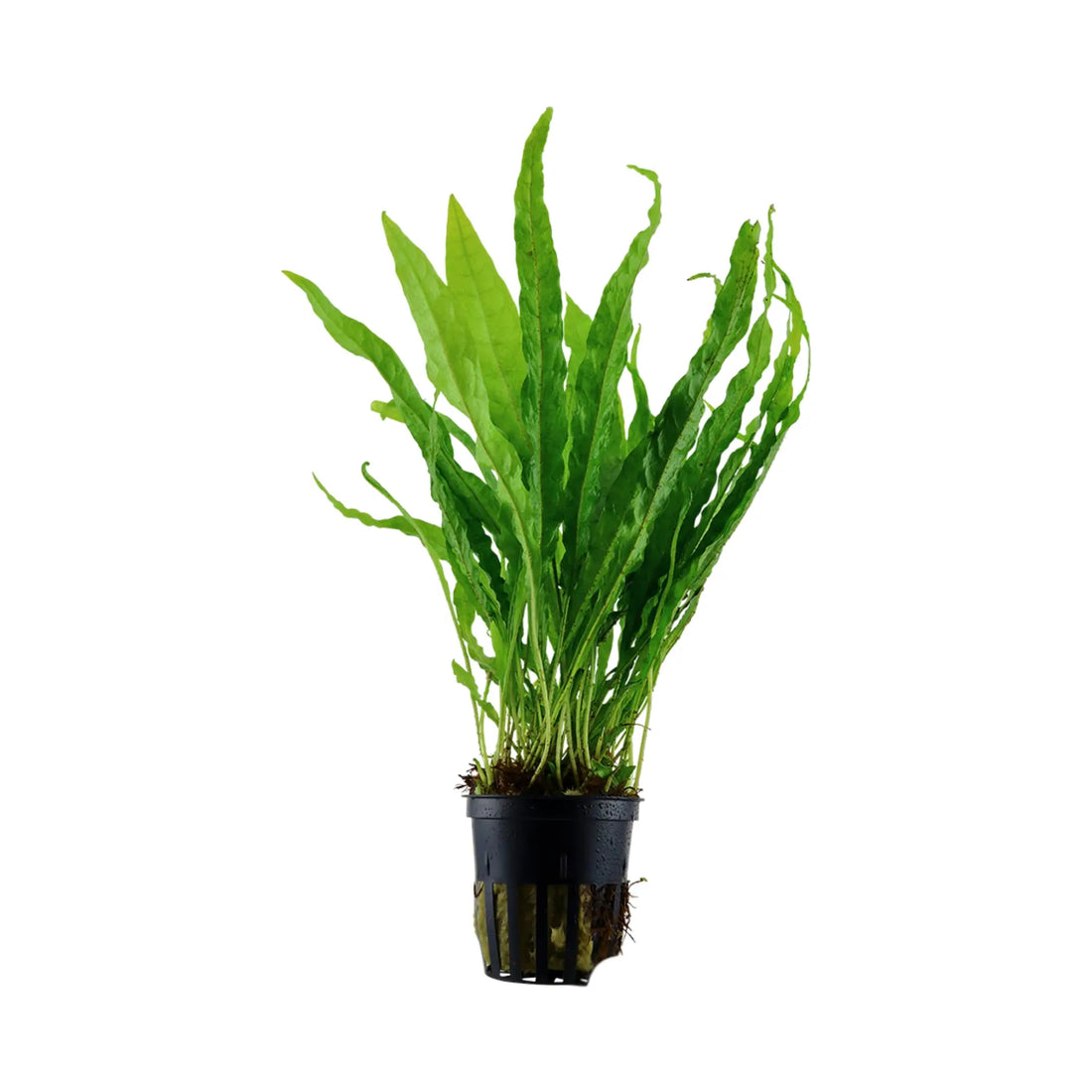
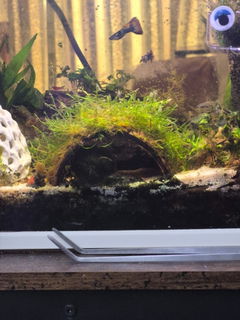
Epiphyte plants grow naturally on bogwood surfaces without needing substrate. Anubias, Java Fern, and Bucephalandra can be tied loosely to bogwood with cotton thread or attached using aquarium-safe super glue gel β€” they will anchor themselves within a few weeks. Aquarium mosses such as Java moss and weeping moss can also be tied to bogwood and will spread across the surface over time.

What is aquarium bogwood and which type should you choose?

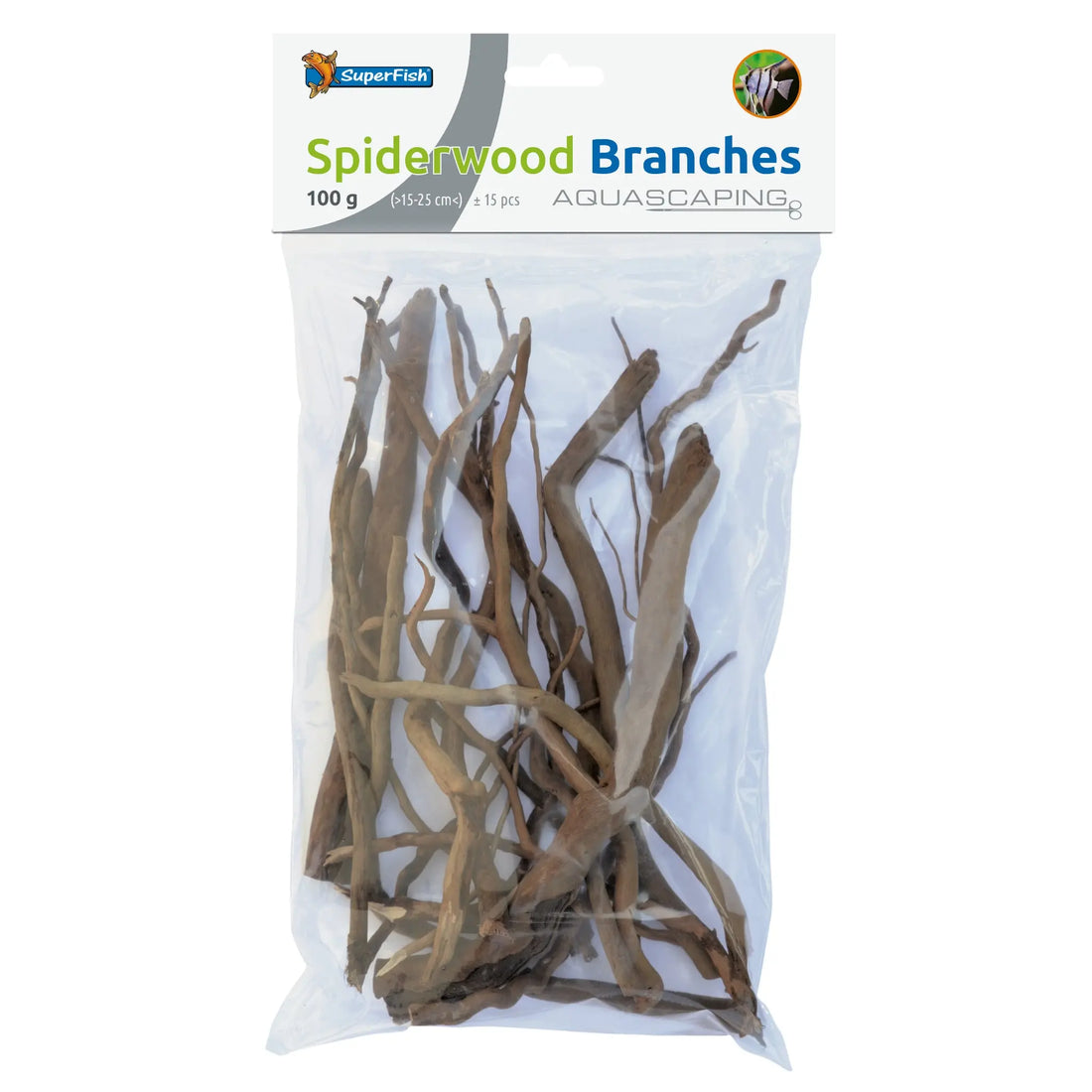
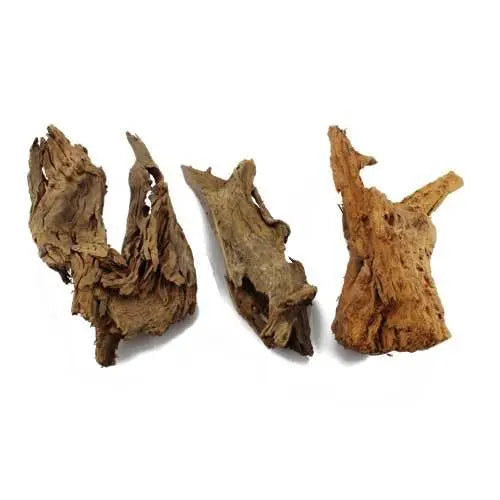
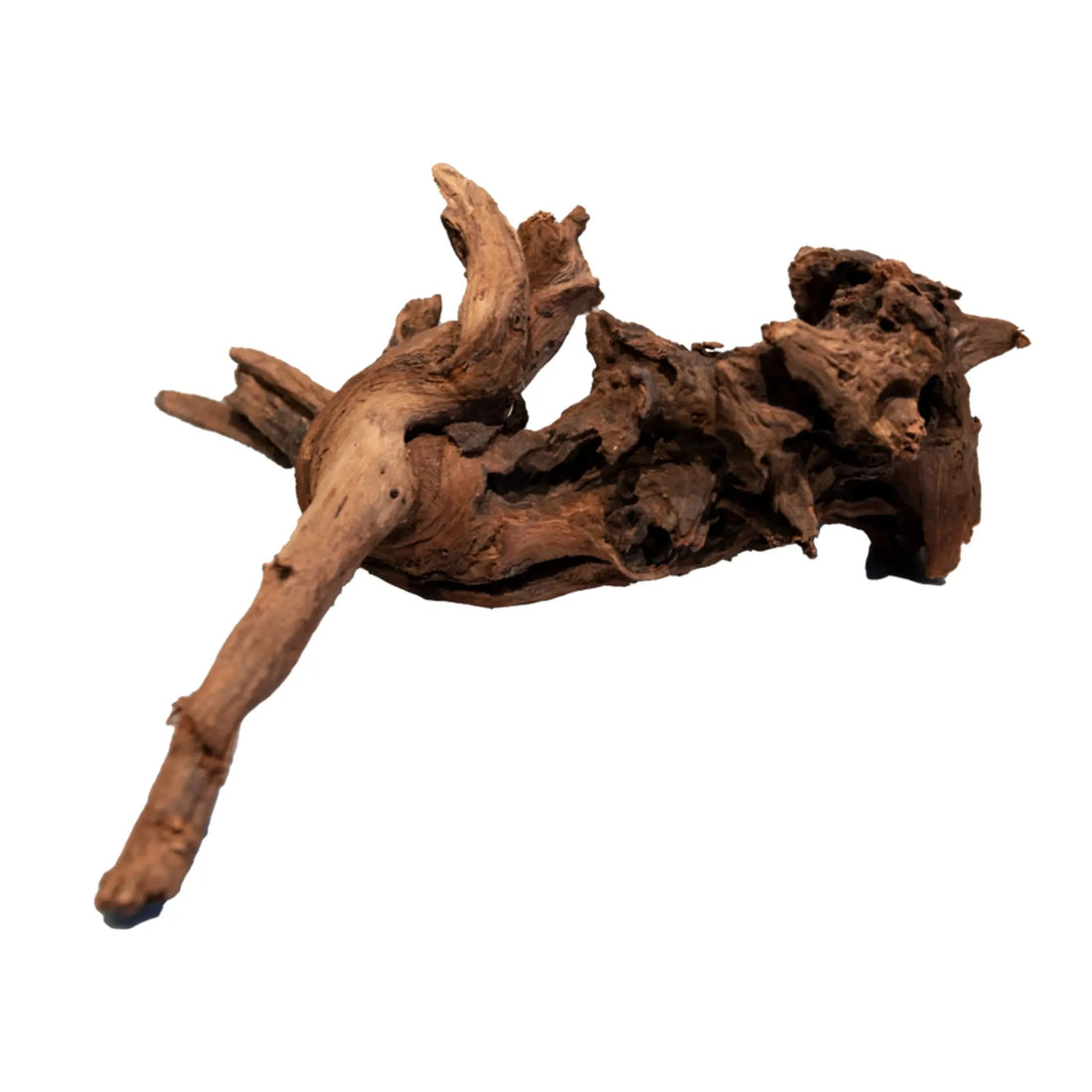
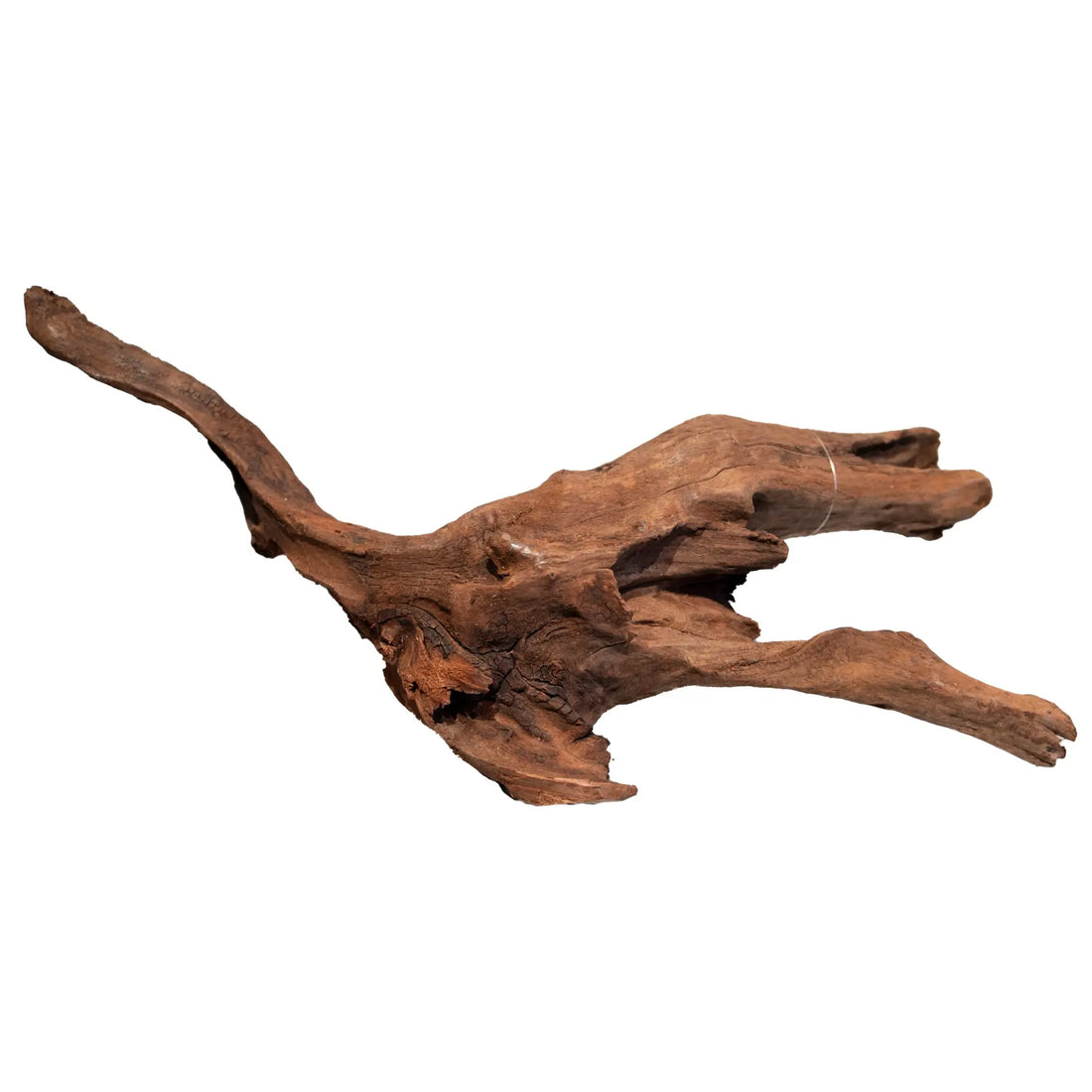
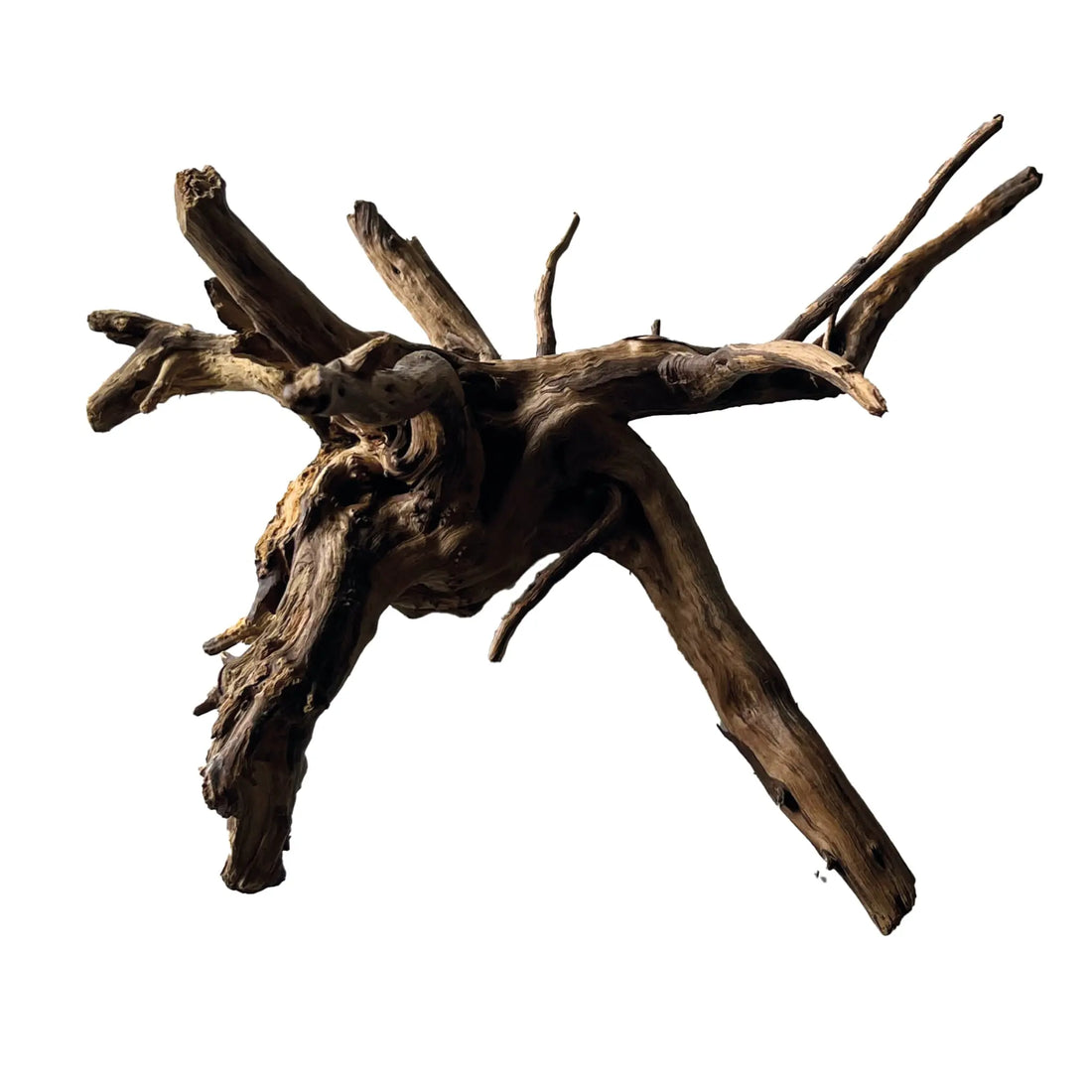
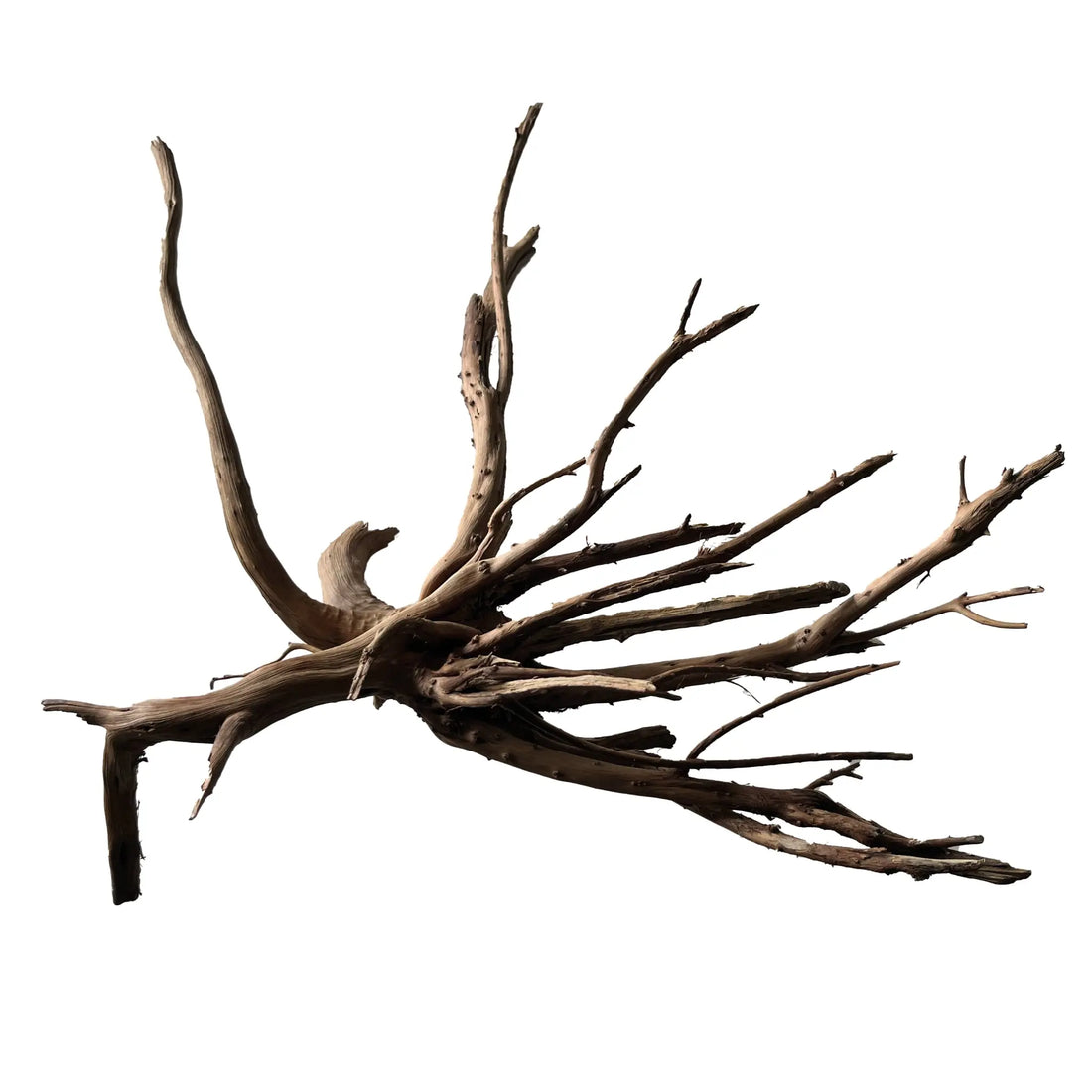
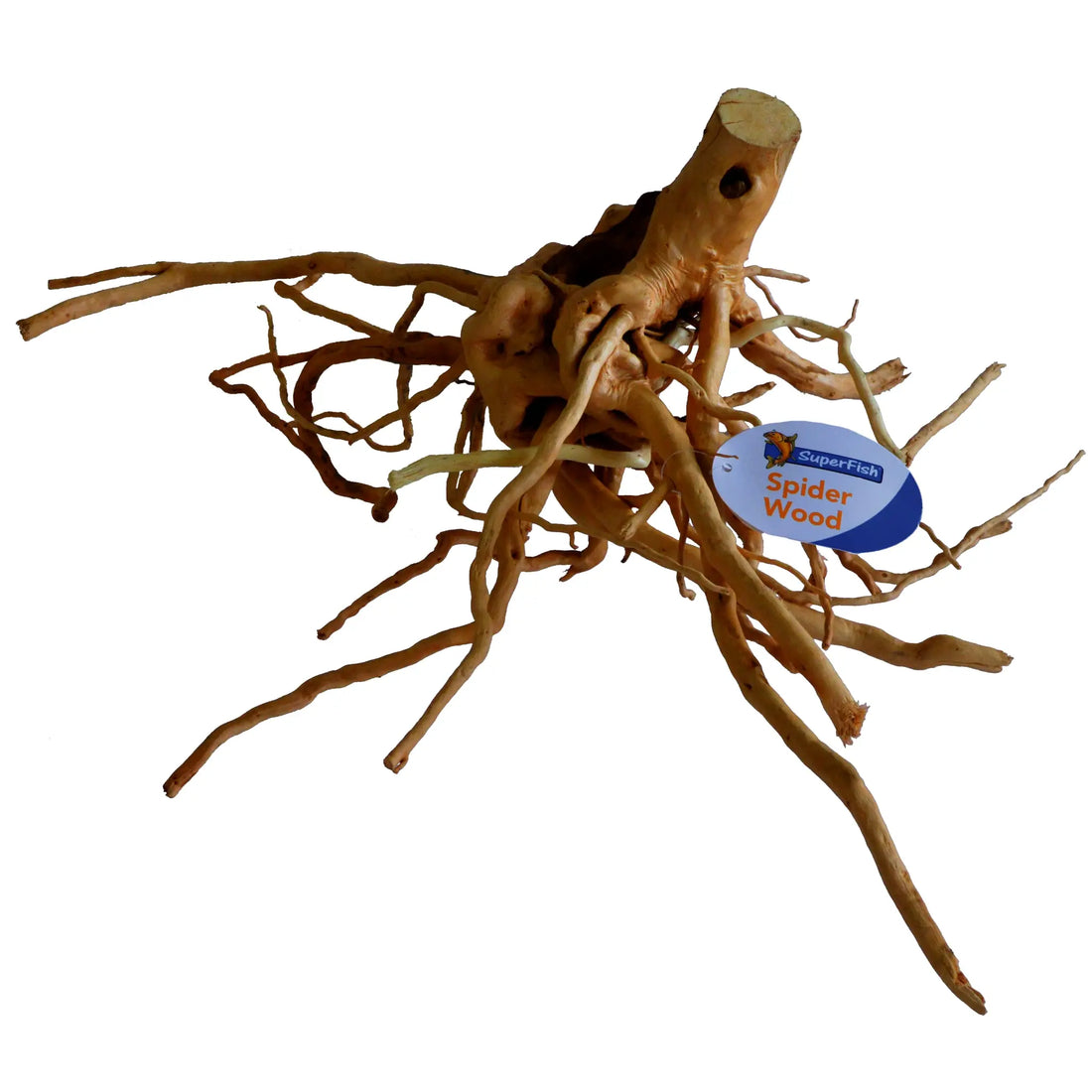
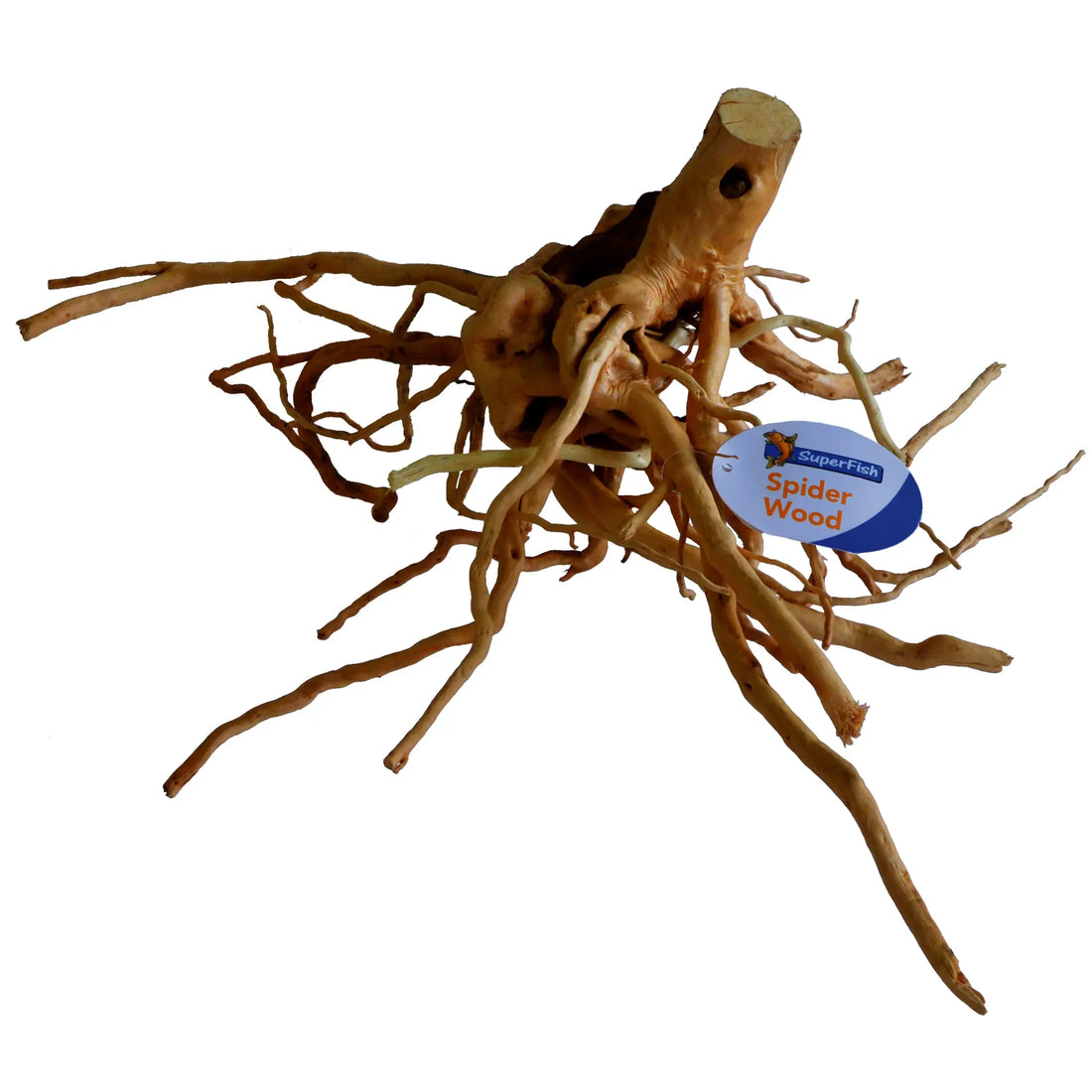
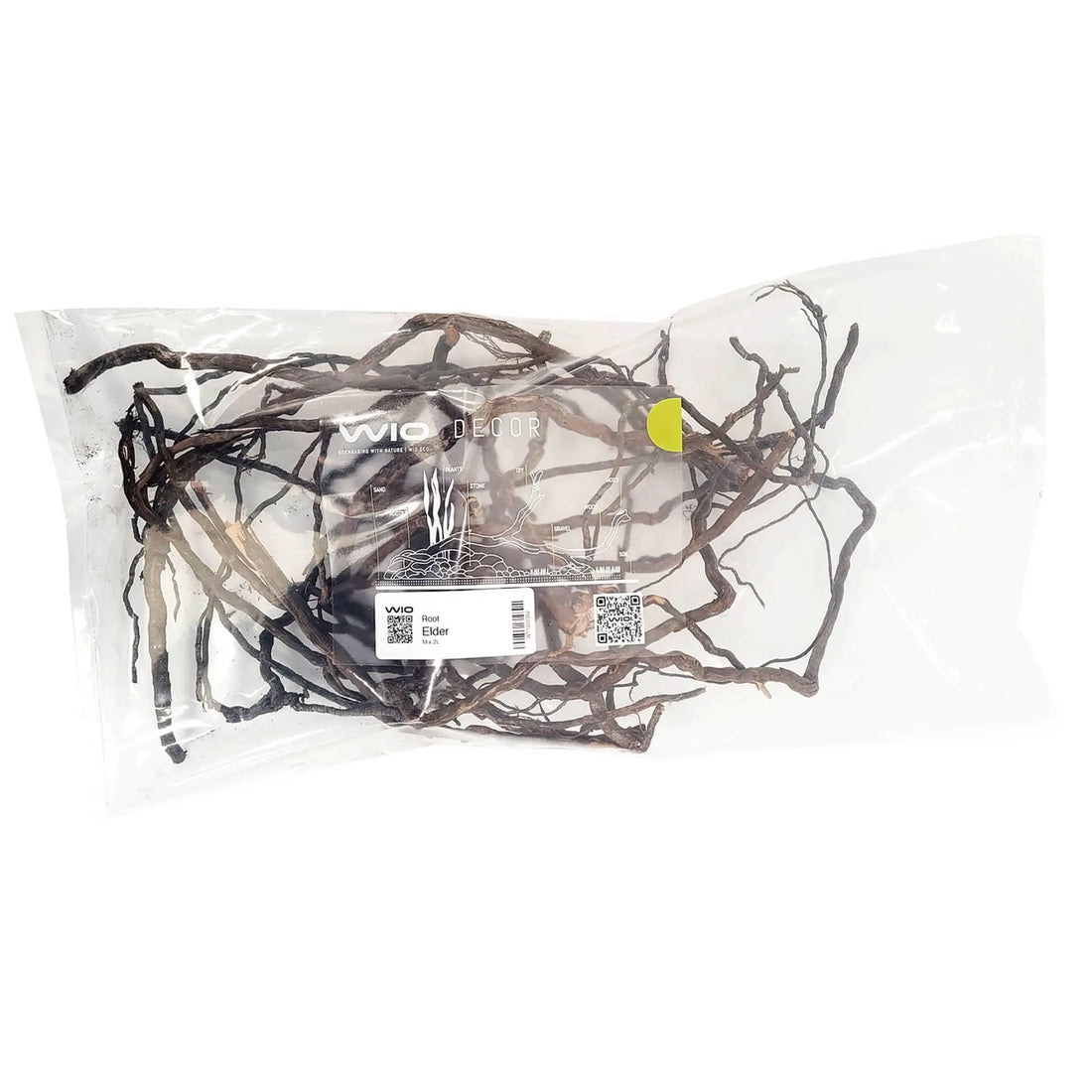
Bogwood is any natural wood waterlogged and made safe for aquarium use. Spider wood is the most popular β€” fine, irregular branching ideal for attaching Java moss and Anubias. Driftwood offers a smoother, solid profile for mid-size and large tanks. Mangrove aged wood is the densest and longest-lasting for bold layouts. The Wio Elder Root Mix suits nano tanks and shrimp setups with small, intricate root pieces.

Does bogwood for aquariums affect water quality?

Yes β€” bogwood releases tannins that gradually lower pH and tint the water amber, replicating the blackwater conditions most tropical fish come from. Soak in a bucket for 24–48 hours before placing in your fish tank to reduce tannin leaching. Release reduces naturally as the wood seasons in the aquarium.

Complete your bogwood aquarium layout

Pair with Aquarium Rocks β€” Seiryu stone and lava rock complement bogwood naturally in any layout. For plants pre-attached and ready to place, browse Plants on Wood. To add moss directly to your bogwood, visit Aquarium Mosses. For more spider wood size options, see our dedicated Spider Wood collection. Want everything chosen together? Our Aquascape Kits take the planning out entirely.

All in-stock orders dispatched same day (Mon–Fri, before 4pm) from our UK facility.