Aquarium Gravel & Sand | Fish Tank Sand, Gravel & Riverbed Mixes

From natural inert gravel and fine fish tank sand to Wio riverbed mixes and complete river kits, everything here is aquarium-safe and chosen to complement both planted and hardscape setups. Shop Now!

Filter
Price
Reset
£
0
114.99
£
£
Price: £0 – £114.99
Sort by
Filter and sort Filter
Filter and sort
Filter

17 products

Availability
Price
£
£
Brand

17 products

FAQs

What is the best aquarium gravel for a planted fish tank?

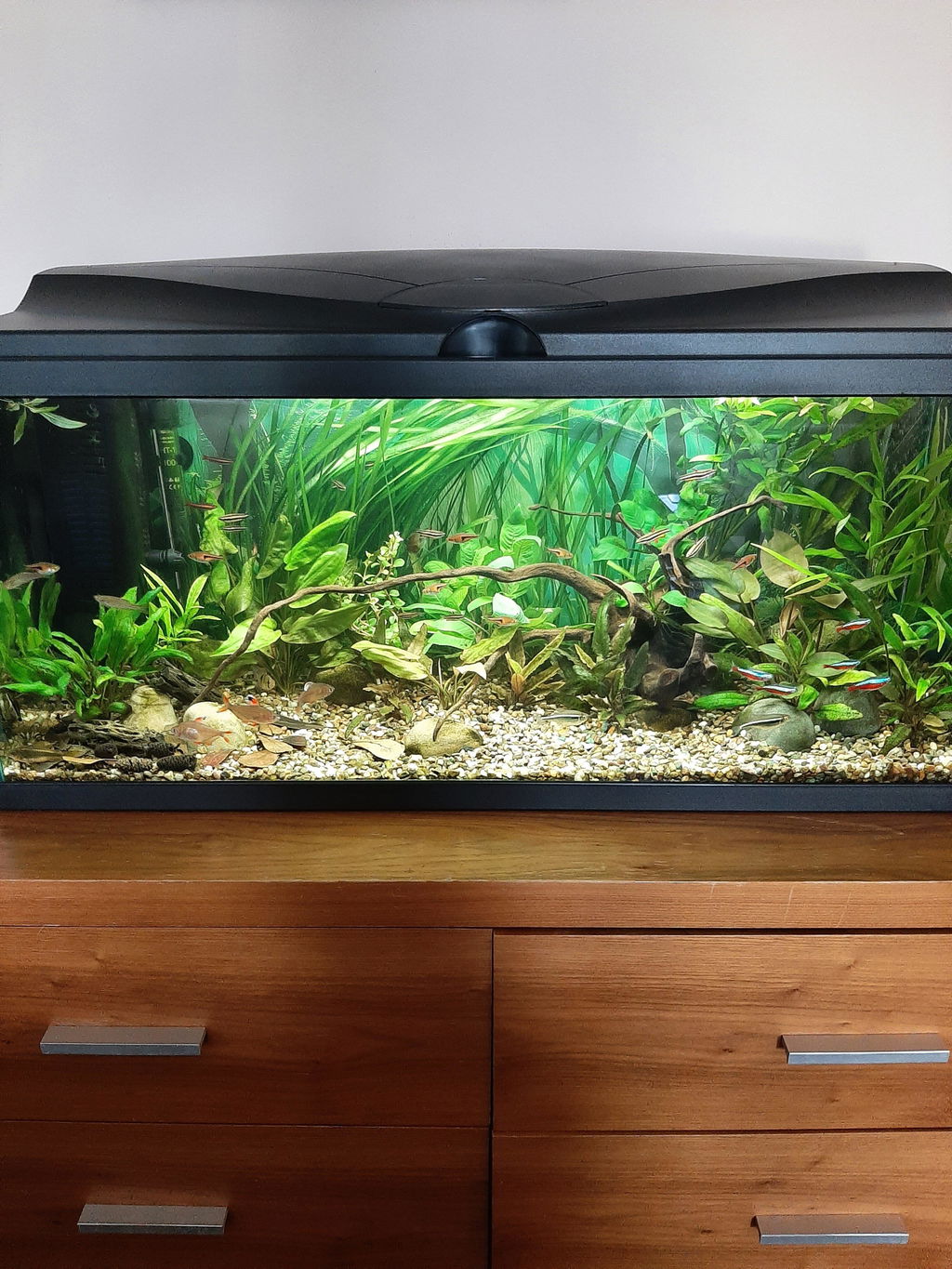
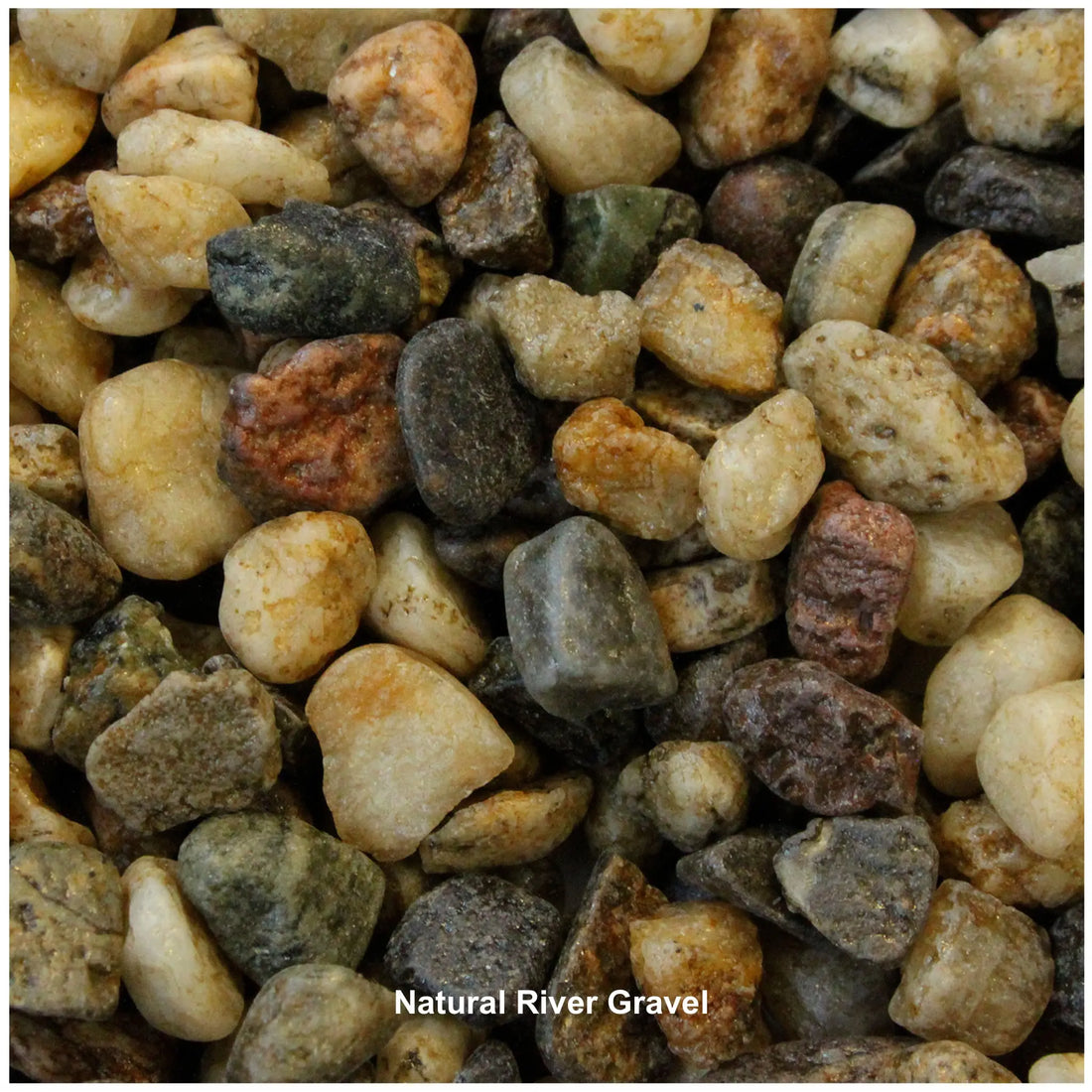
For a planted fish tank, a natural inert aquarium gravel at 3–8mm particle size works well as a top capping layer over a nutrient-rich substrate such as Tropica Aquarium Soil. Inert gravel does not affect water chemistry and allows good water flow through the substrate. For plants that root into the substrate, adding Root Tabs pushed into the gravel bed provides targeted nutrition at the root zone.

What is the difference between aquarium gravel and aquarium sand?

Aquarium gravel has a larger particle size (typically 3–8mm) and is better suited to community tanks with strong filtration, as water flows easily through it and it is straightforward to clean. Aquarium fish tank sand has a finer particle size, creates a smoother natural aesthetic, and is preferred for bottom-dwelling fish like corydoras and loaches whose barbels can be damaged by coarse gravel. Sand also creates cleaner visual divides in aquascape layouts.

How much aquarium gravel or sand do I need?

A standard guideline is 1kg of aquarium gravel or sand per 10 litres of tank volume for a 2–3cm top layer. For a deeper 5cm capping layer over a nutrient substrate, allow approximately 1.5–2kg per 10 litres. For larger tanks using Wio complete river kits, the 20kg bundles are designed to cover tanks in the 100–200 litre range with a full biotope riverbed layout.

Is aquarium sand safe for all fish?

Yes — fine aquarium fish tank sand is safe for all freshwater fish and is particularly beneficial for bottom-dwelling species. Corydoras, loaches, gobies, and sand-sifting cichlids all do better on sand than gravel as it replicates their natural habitat and protects sensitive barbels. All aquarium sand in this collection is inert and does not affect water pH or hardness.

Can I mix aquarium sand and gravel in the same fish tank?

Yes — mixing aquarium sand and gravel in the same fish tank is a popular aquascaping technique. Sand is typically used in open foreground areas to create a riverbed effect, while gravel or Wio riverbed mixes fill mid and background zones around plants and hardscape. Using dividers or rocks to separate the two materials keeps them from mixing over time as fish disturb the substrate.

Aquarium gravel vs aquarium sand — which is right for your fish tank?

Aquarium gravel (3–8mm) provides good water flow, is easy to clean, and suits most community fish tanks. Aquarium fish tank sand creates a smoother riverbed aesthetic and is better for bottom-dwelling species — corydoras, loaches, and cichlids all benefit from fine sand that won't damage their barbels. Sand also creates cleaner visual divides between planting zones and open areas in aquascape layouts.

Wio riverbed mixes — premium aquarium sand and gravel for aquascaping

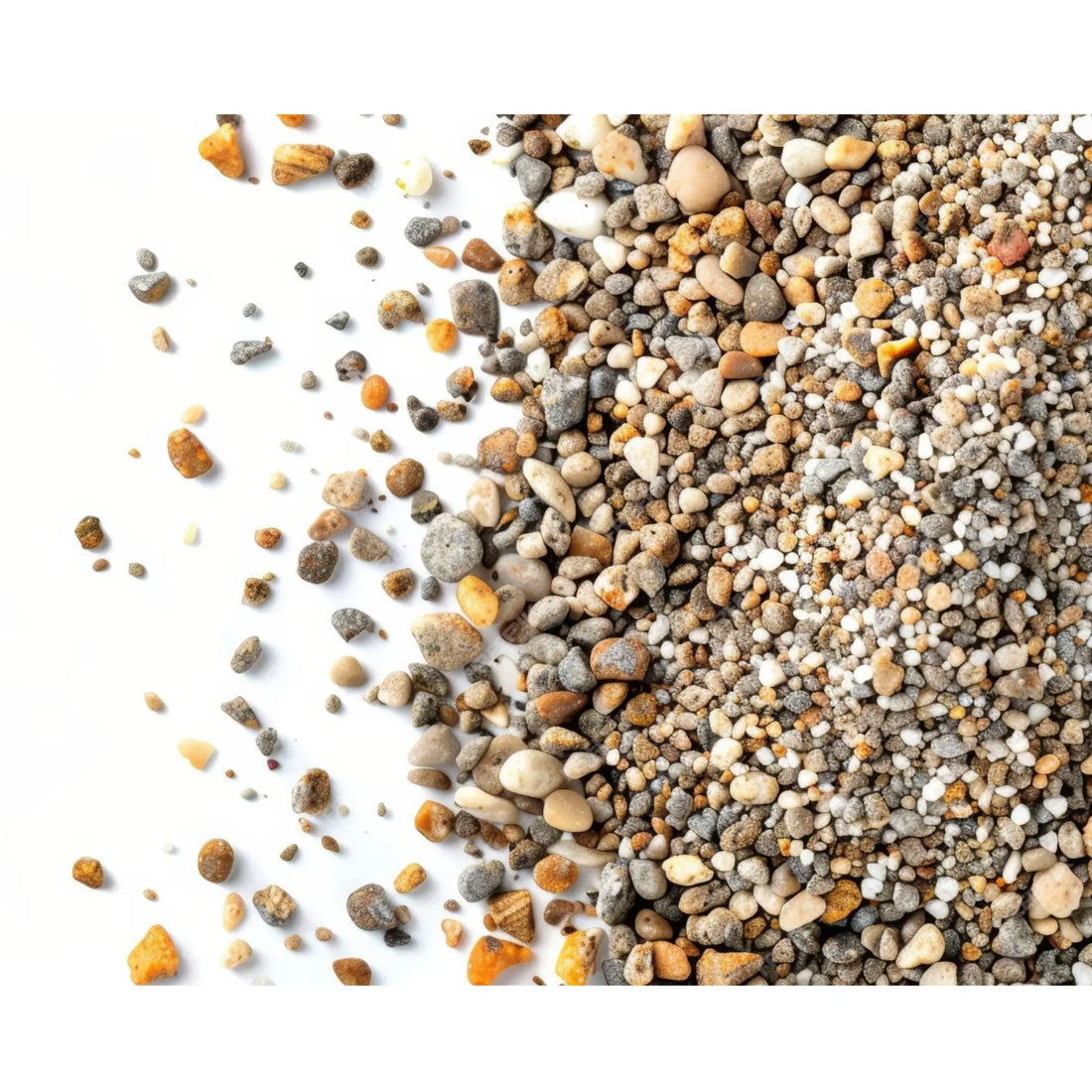
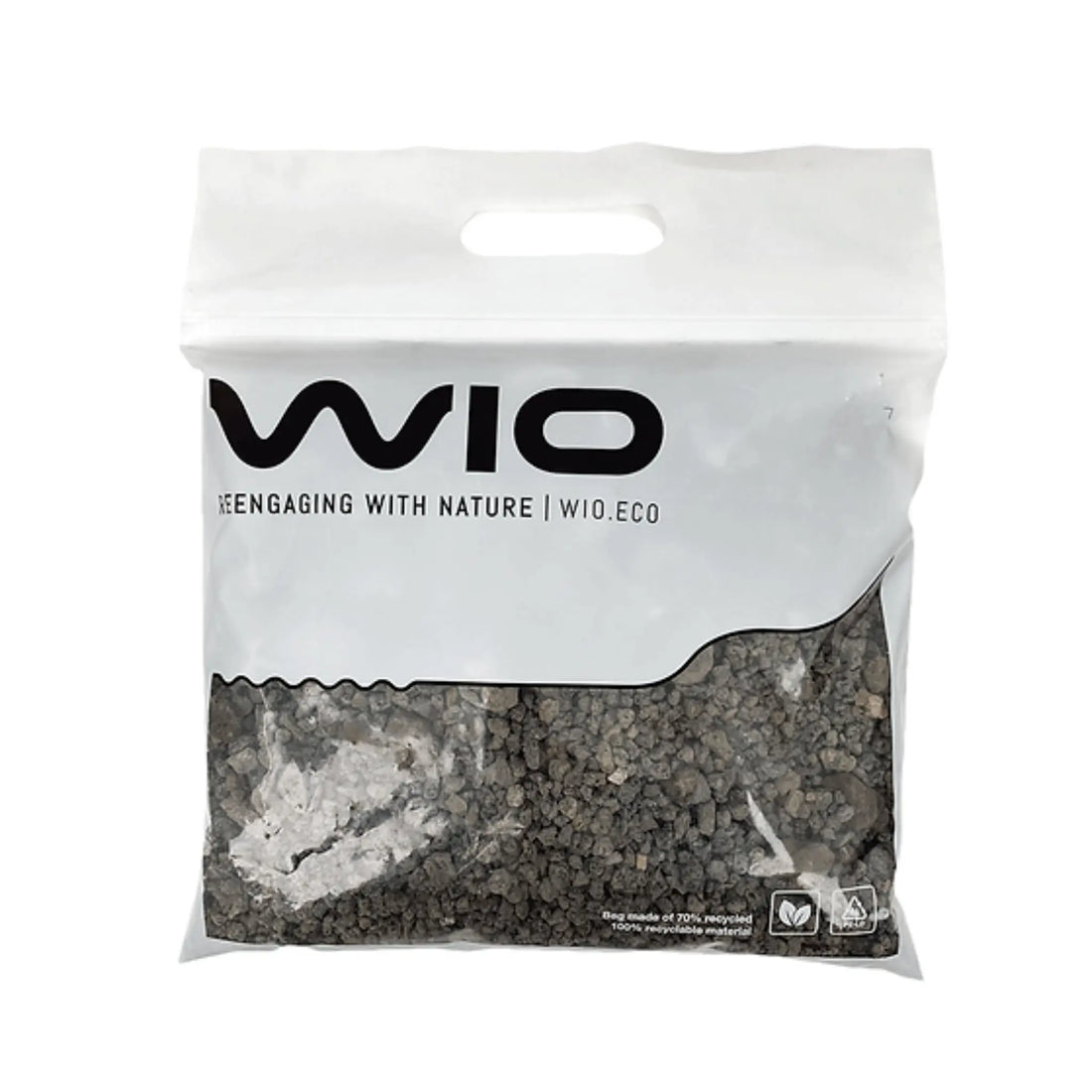
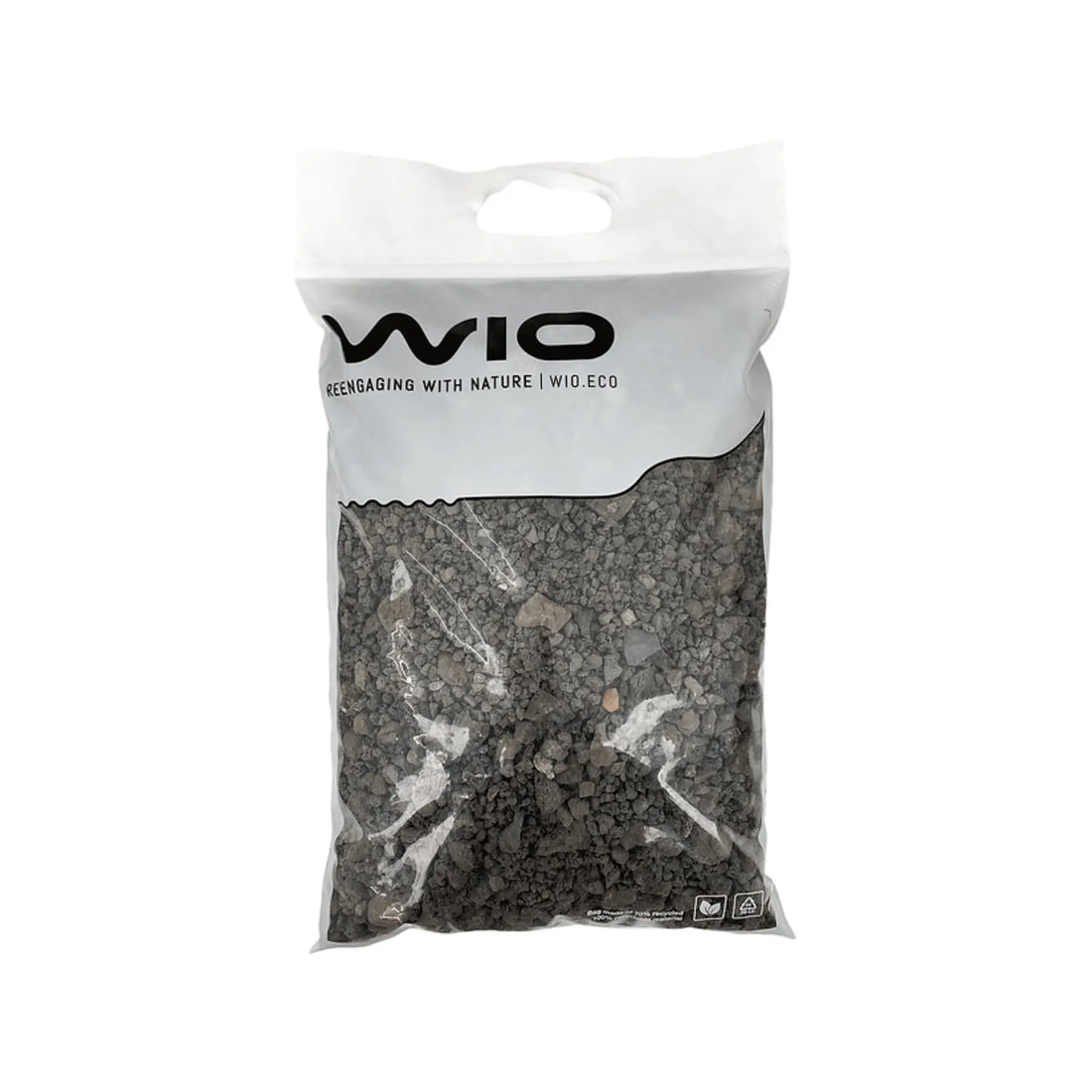
Wio riverbed mixes are blended biotope substrates combining fine aquarium sand, gravel, and natural mineral particles to replicate specific river environments. Heaven Sand, Tigris Sand, Cimarron Sand, and Midnight Sand each have a distinct colour profile and particle blend. The Ibon and Nautilus complete river kits bundle everything in one order — ideal for larger tanks where a consistent aesthetic across the full footprint matters.

Build your complete fish tank substrate setup

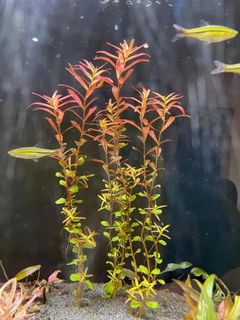
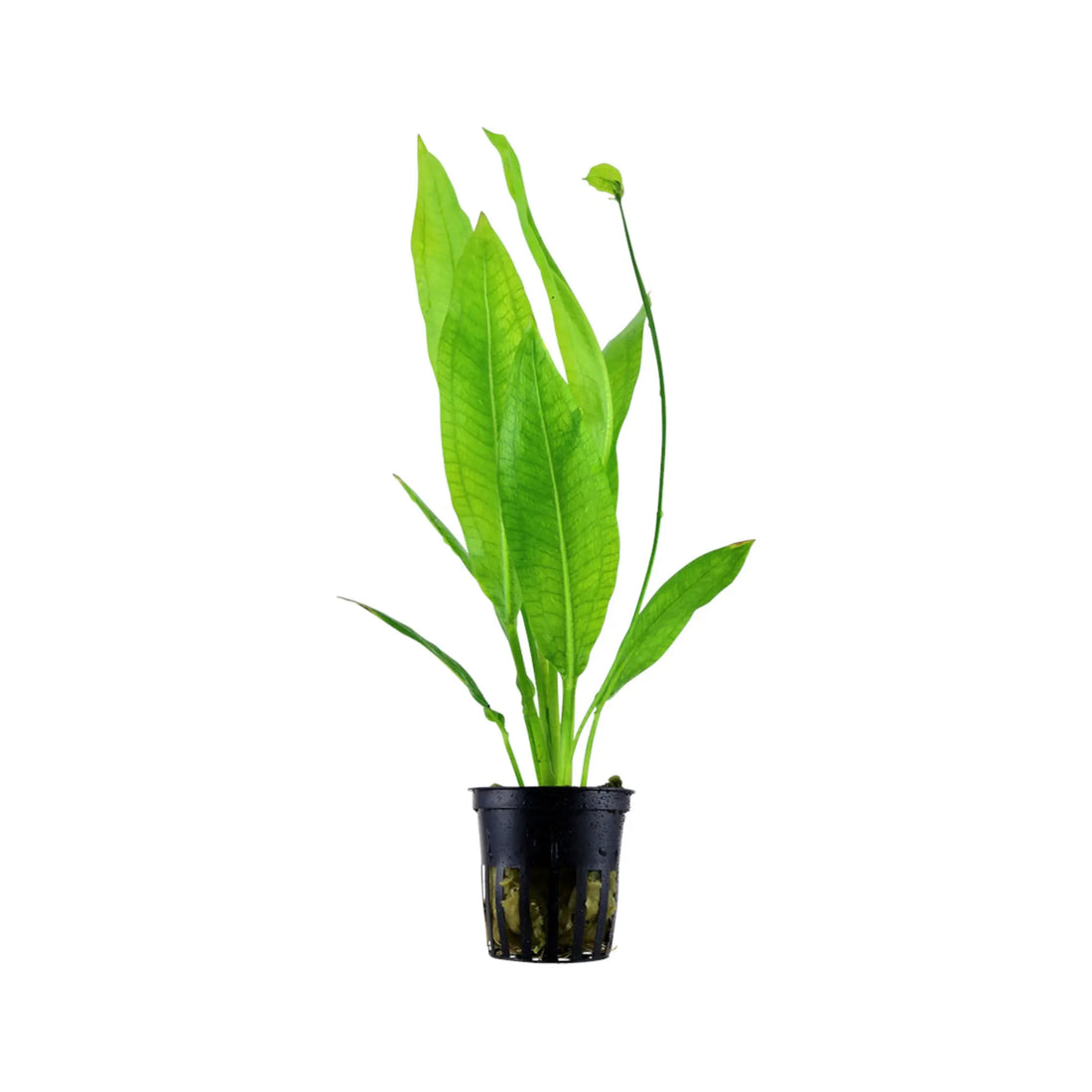
Sand and gravel work best as a top capping layer over a nutrient-rich base. Pair with Aquarium Substrates for planted tanks, or add Root Tabs directly into the gravel bed for targeted plant nutrition. For hardscape on top, browse Aquarium Rocks and Aquarium Driftwood. Ready to add plants? Beginner Aquarium Plants grow well in both gravel and sand setups.