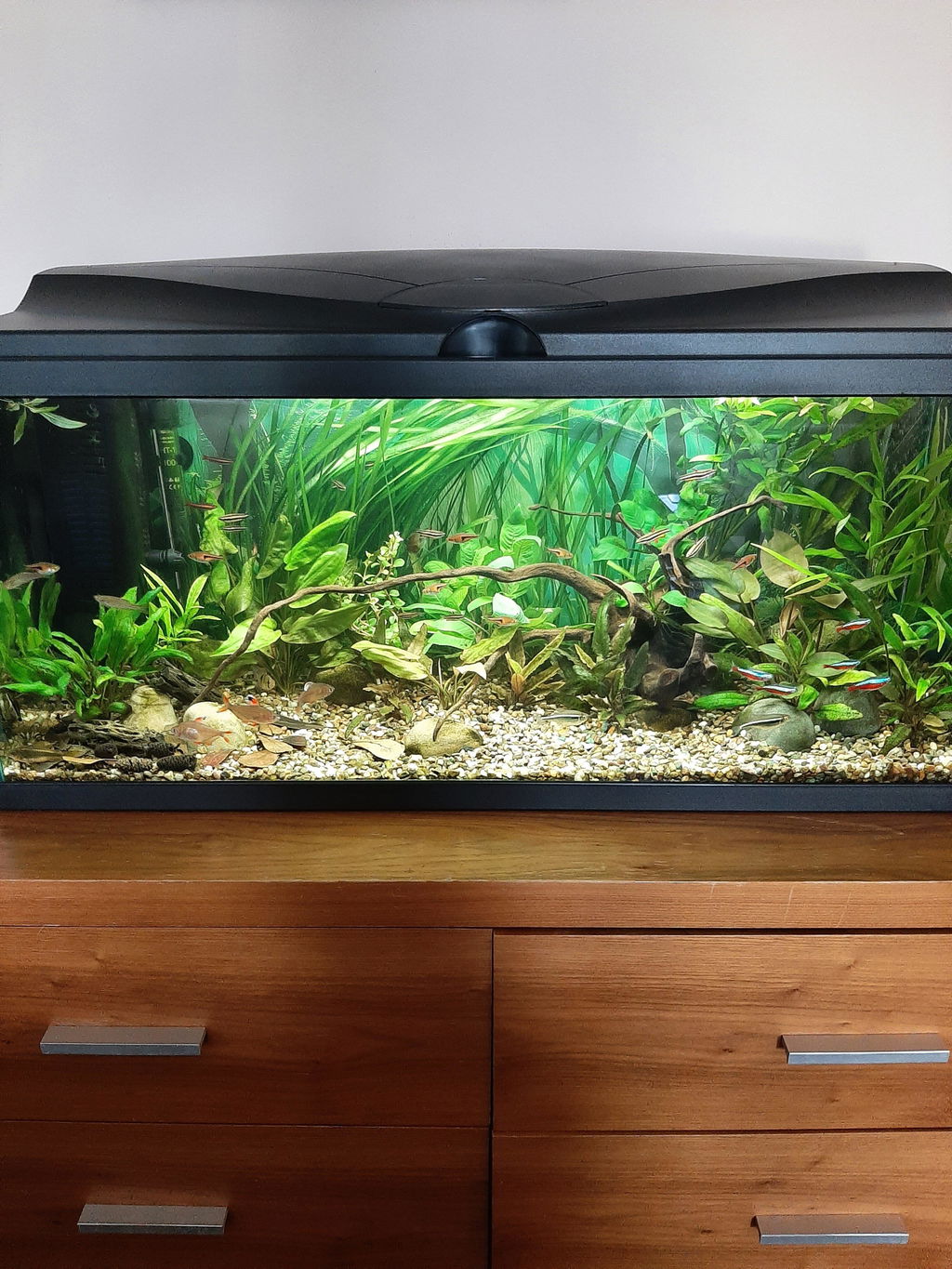
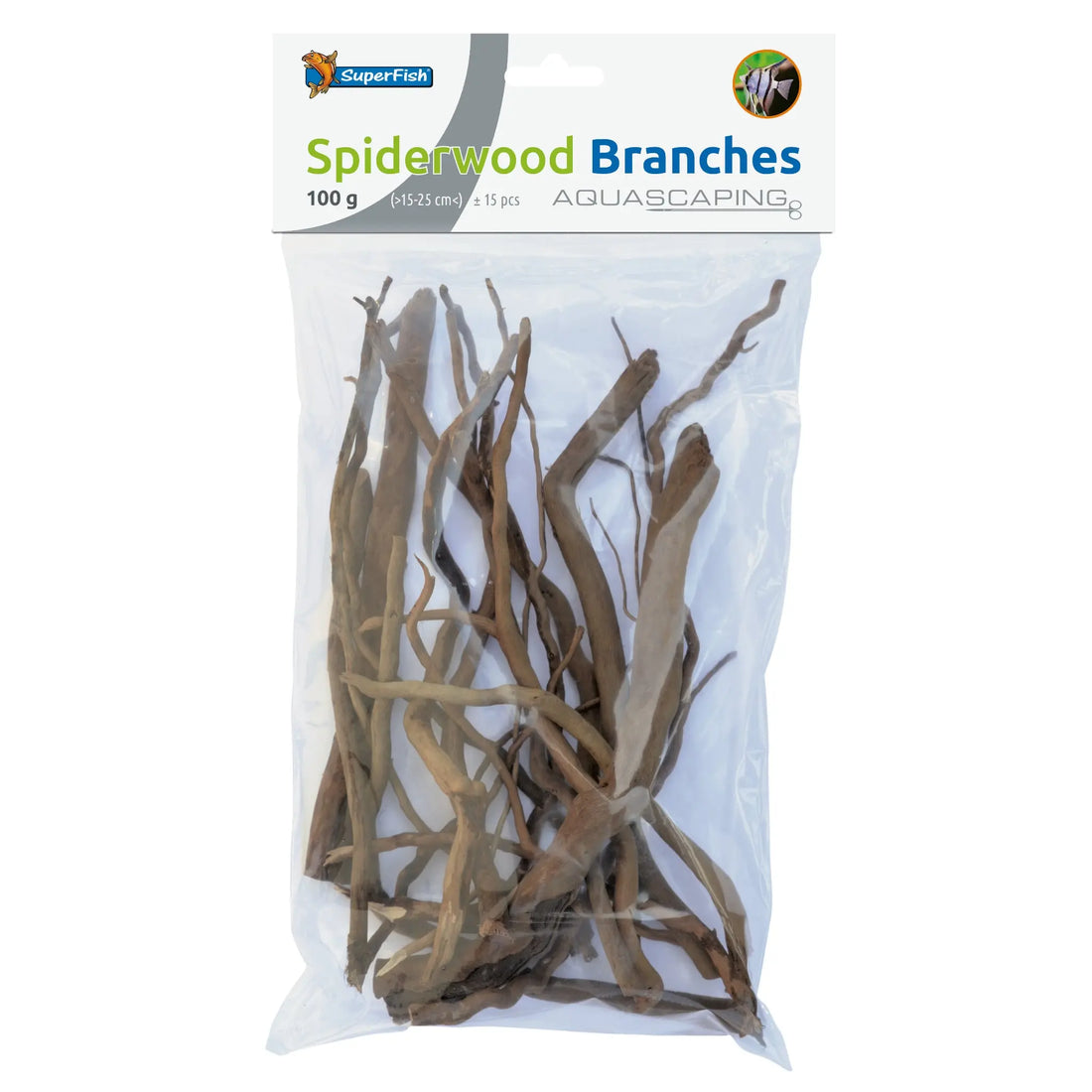
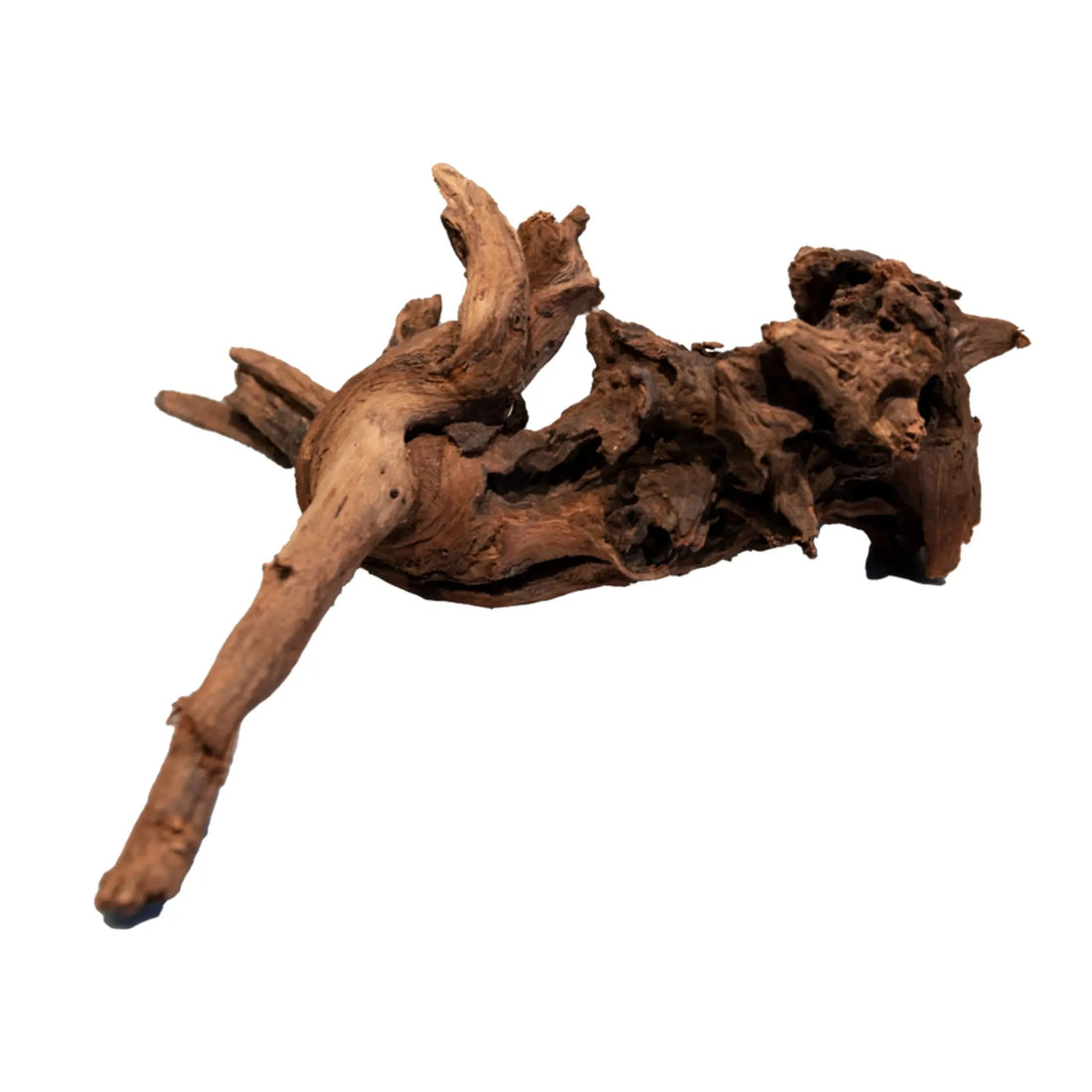
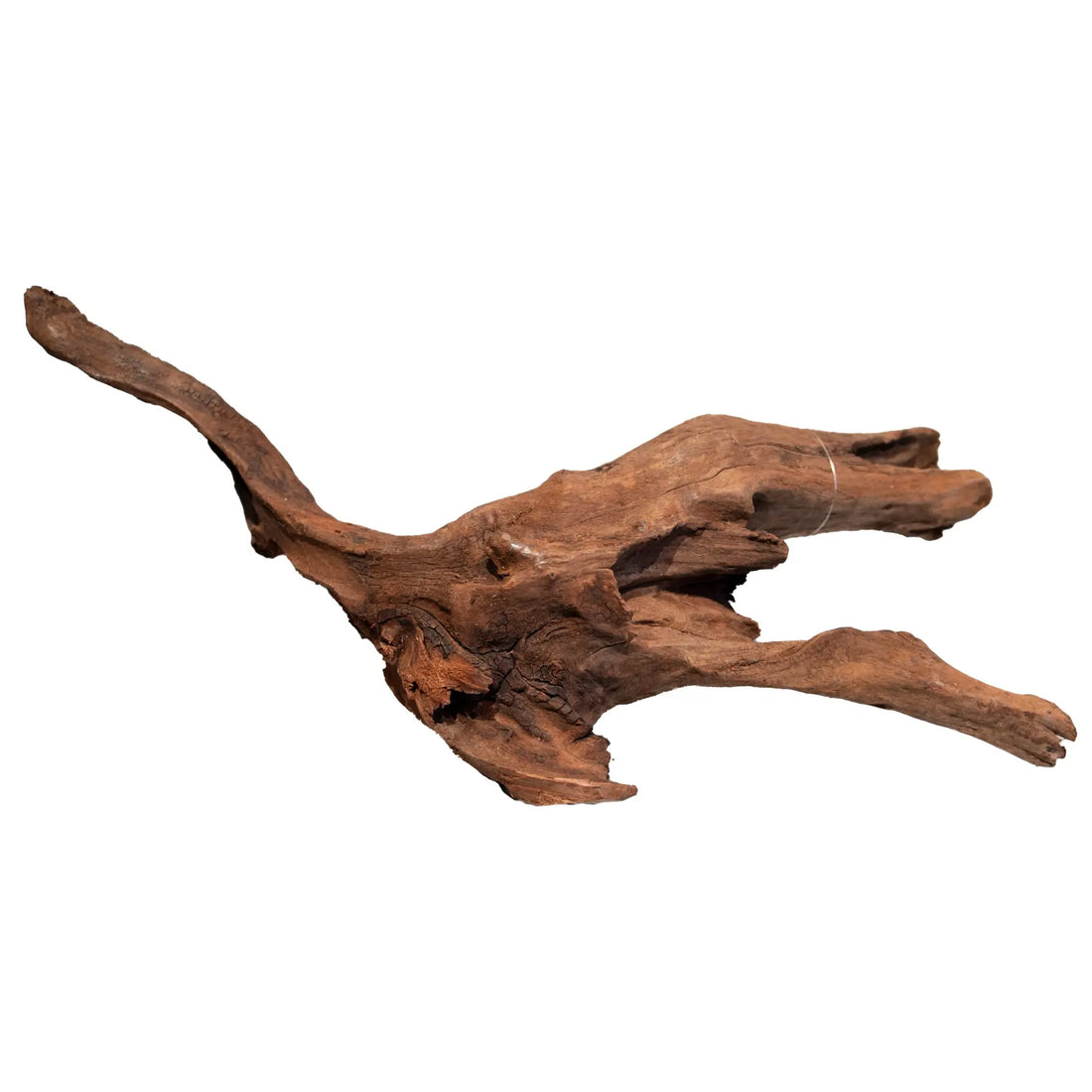
Natural Driftwood for Fish Tanks & Planted Aquariums

Aquarium driftwood anchors plant growth, creates natural shelter for fish and shrimp, and forms the structural foundation of any aquascape. From nano pieces for small tanks to XL spider wood and mangrove root β€” all aquarium-safe and dispatched same day.

Filter
Price
Reset
Β£
0
47.99
Β£
Β£
Price: Β£0 – Β£47.99
Sort by
Filter and sort Filter
Filter and sort
Filter

22 products

Availability
Price
Β£
Β£
Brand
Growth rate
Origin
Position in Aquarium
Difficulty

22 products

FAQs

What is the best aquarium driftwood for a planted fish tank?

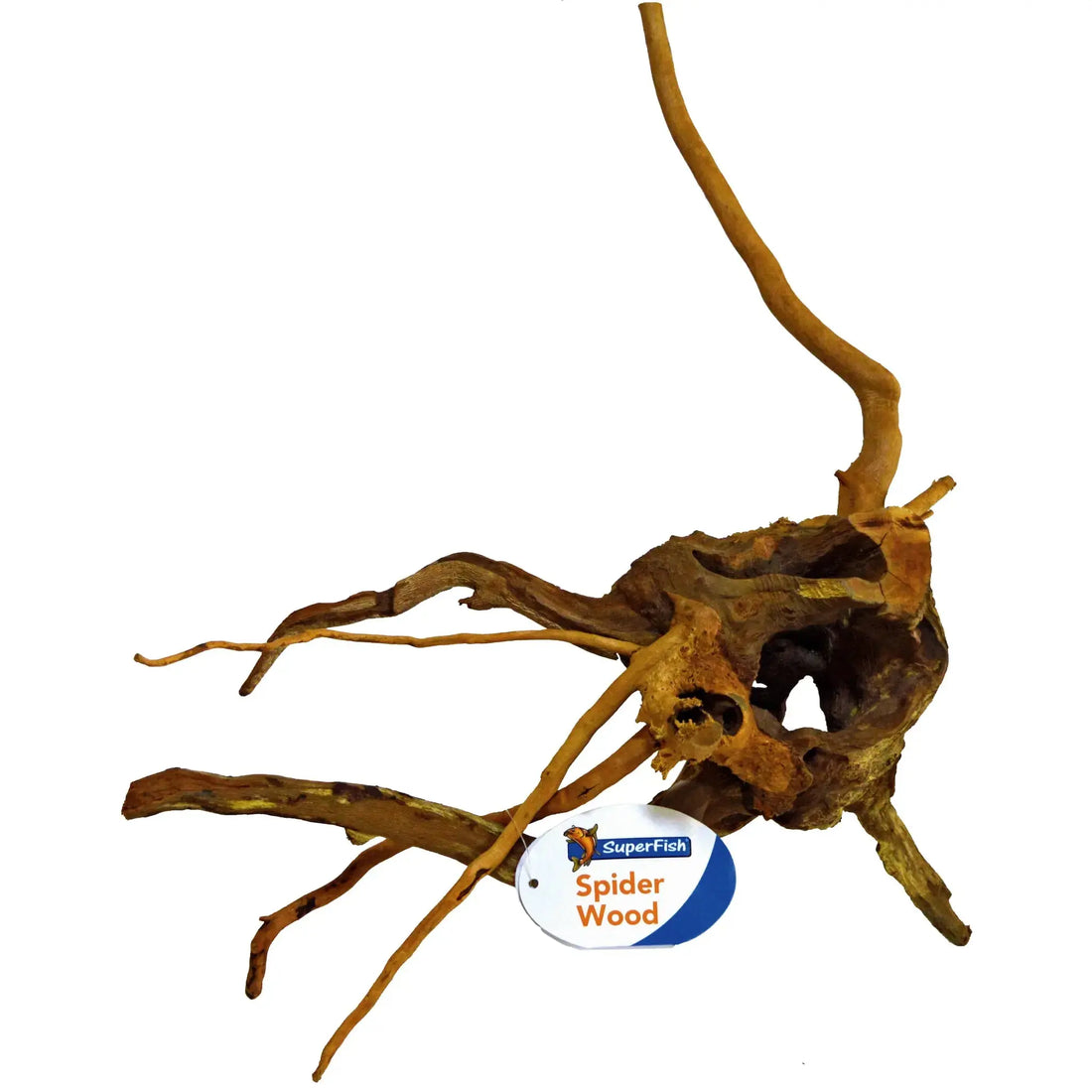
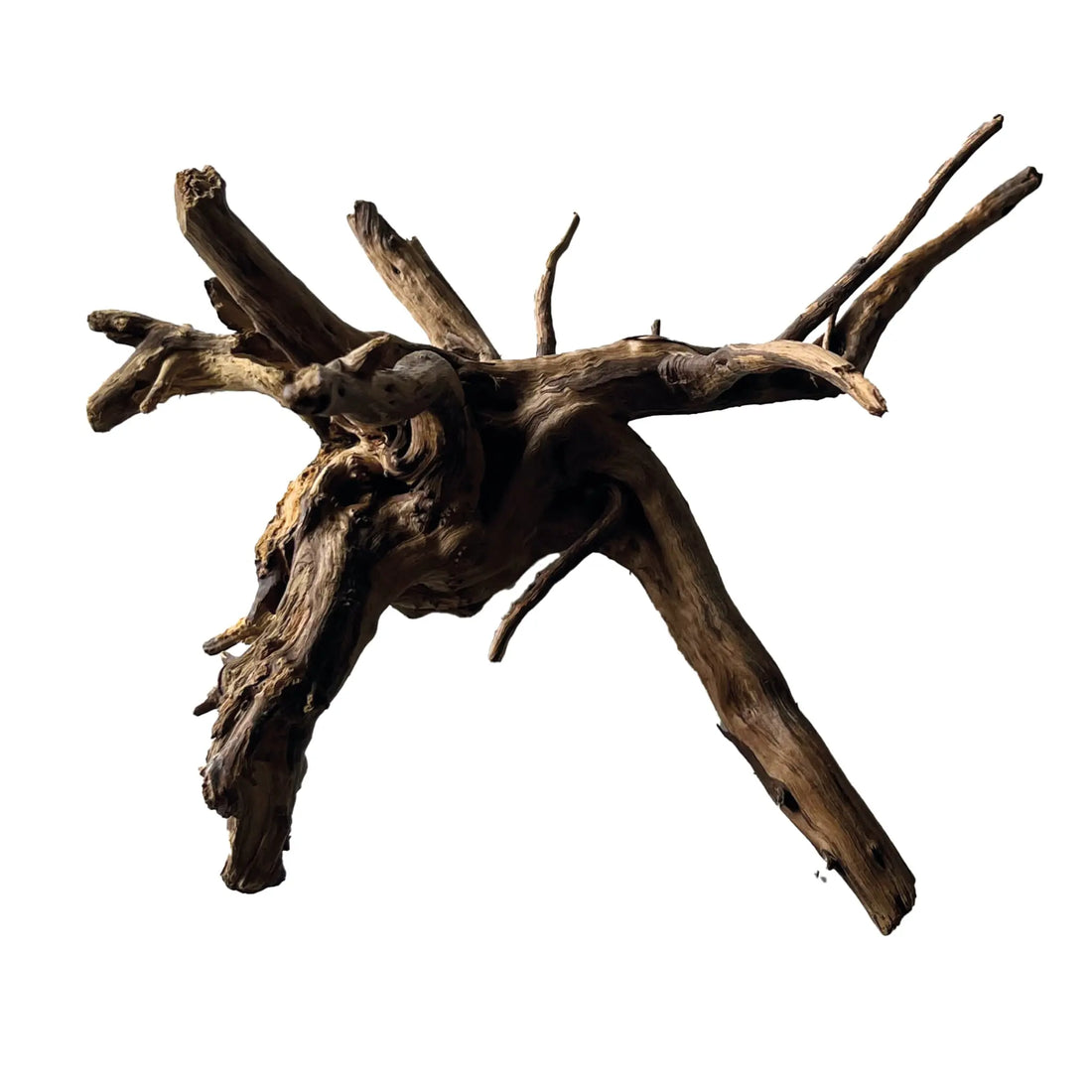
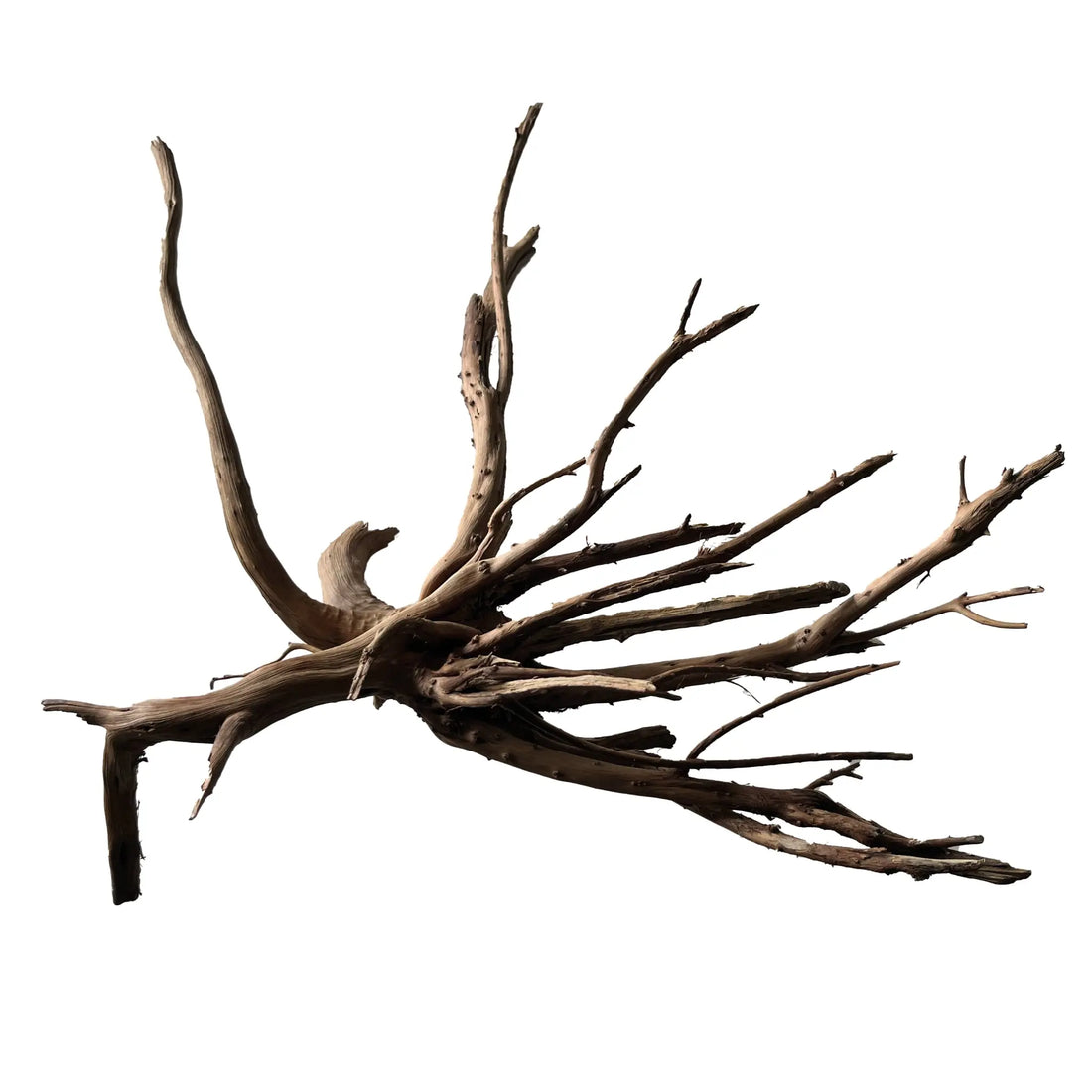
Spider wood is the most popular aquarium driftwood for planted tanks due to its branching structure, which provides ideal attachment points for Java moss, Anubias, and Java Fern. Spider wood sinks relatively quickly, is aquarium-safe, and works well in tanks from 30L upwards. For larger tanks, mangrove aged wood offers a denser, longer-lasting alternative.

Does driftwood affect fish tank water quality?

Yes β€” driftwood for fish tanks releases tannins which gradually lower pH and tint the water amber. This is beneficial for most tropical fish and replicates natural blackwater conditions. To reduce tannin leaching, soak the driftwood in a bucket for 24–48 hours before adding it to your aquarium. Tannin release reduces naturally over time as the wood seasons.

How do I prepare driftwood for an aquarium?

Soak new aquarium driftwood in a bucket of water for 24–48 hours before placing it in your fish tank. This removes excess tannins, helps the wood become waterlogged so it sinks more readily, and reduces the risk of temporary water discolouration. Boiling smaller pieces for 30–60 minutes also speeds up the process and sterilises the surface.

Will aquarium driftwood sink on its own?

Most aquarium driftwood will sink once it has fully absorbed water, which typically takes 1–2 weeks of soaking. Spider wood sinks faster than denser wood types. To speed up the process, weigh the driftwood down with a rock or hold it in place temporarily with aquarium-safe suction cups. Boiling also accelerates waterlogging significantly.

Can I attach aquarium plants to driftwood?

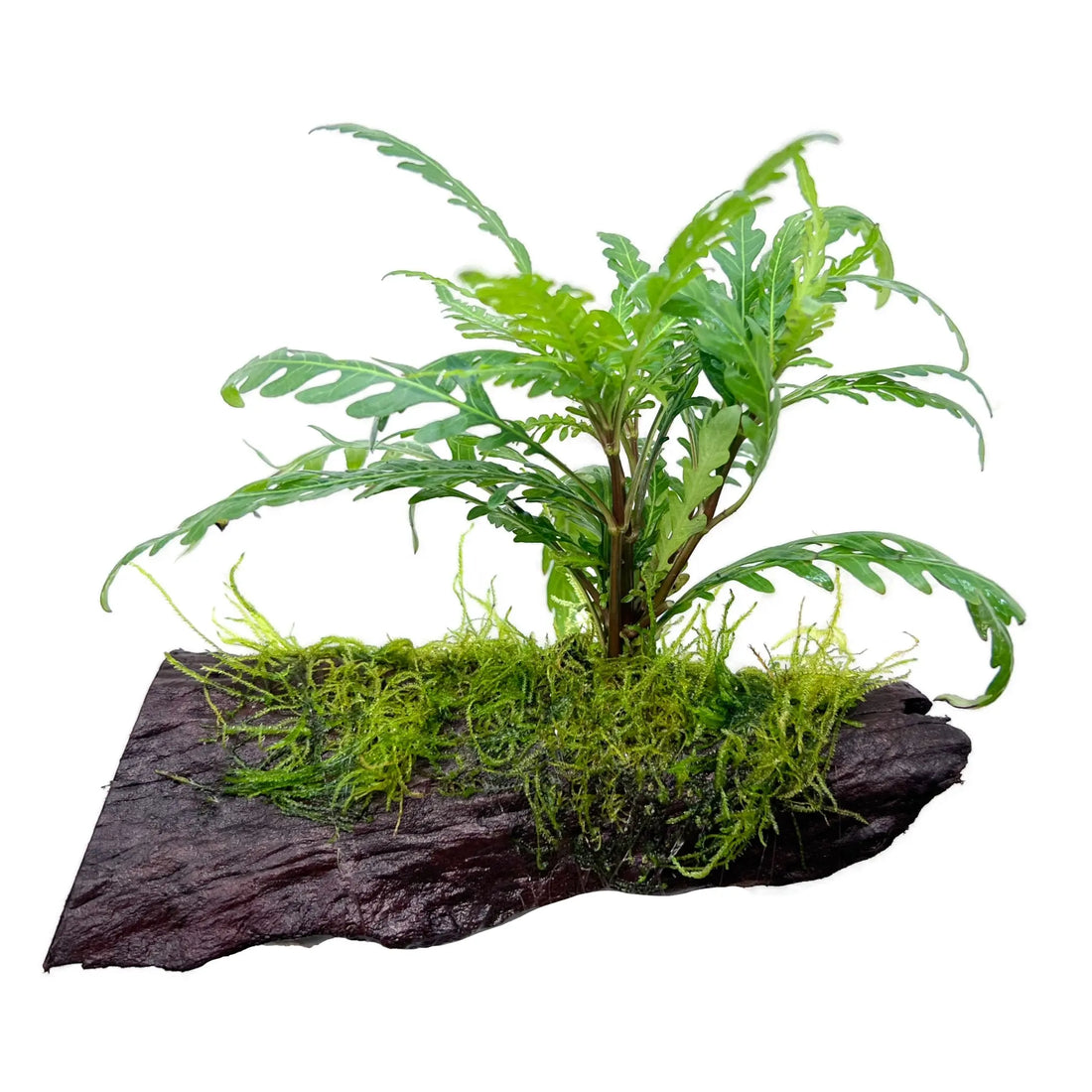
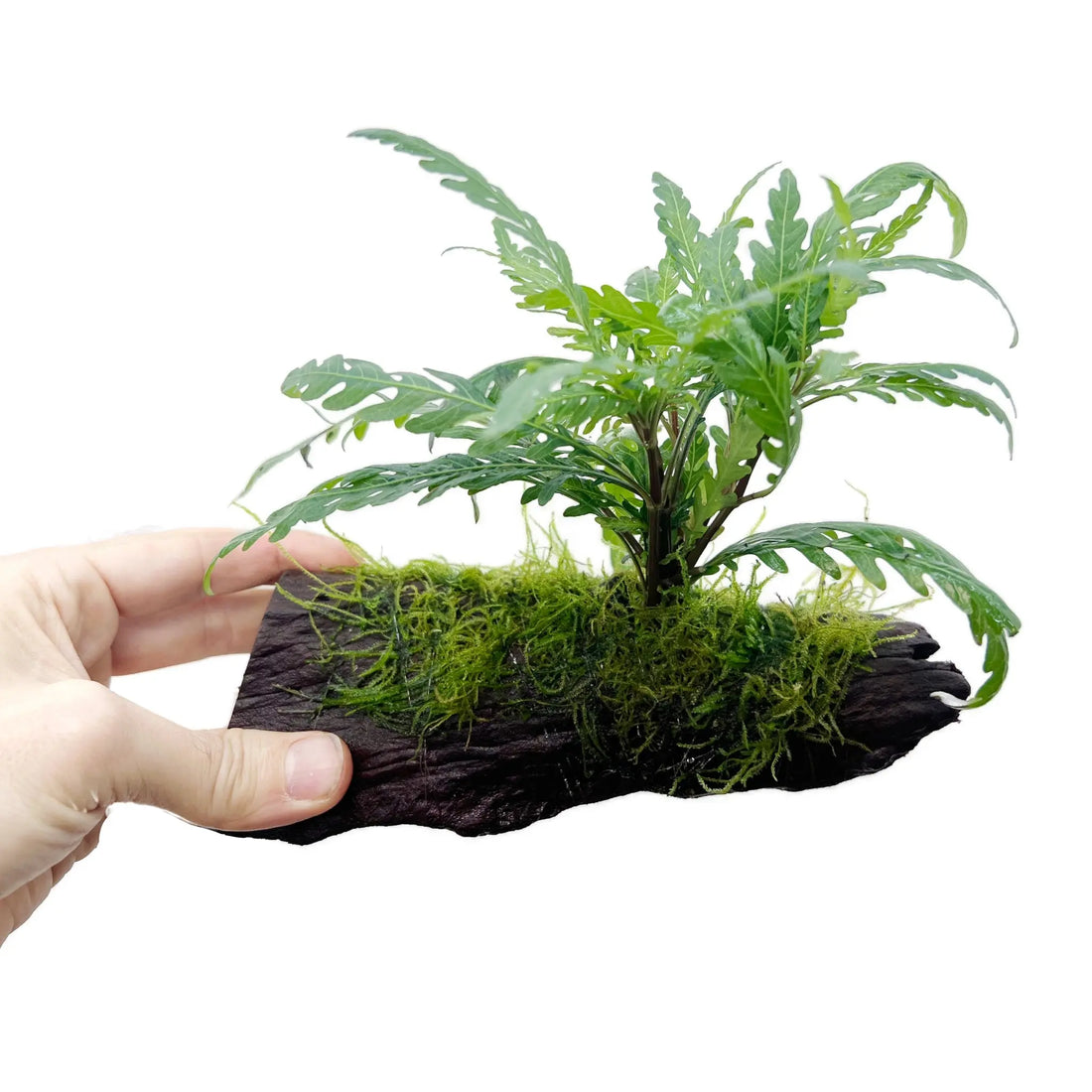
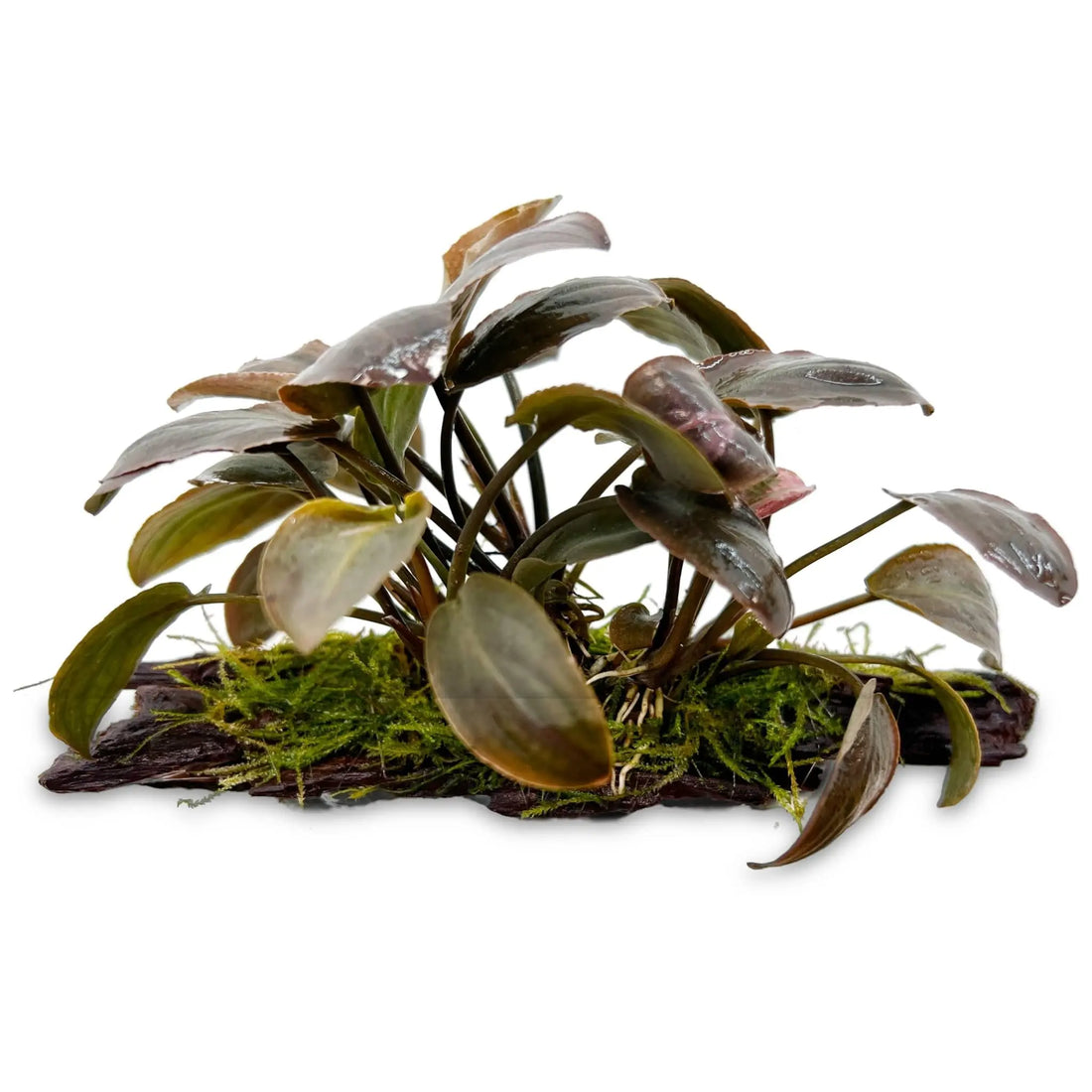
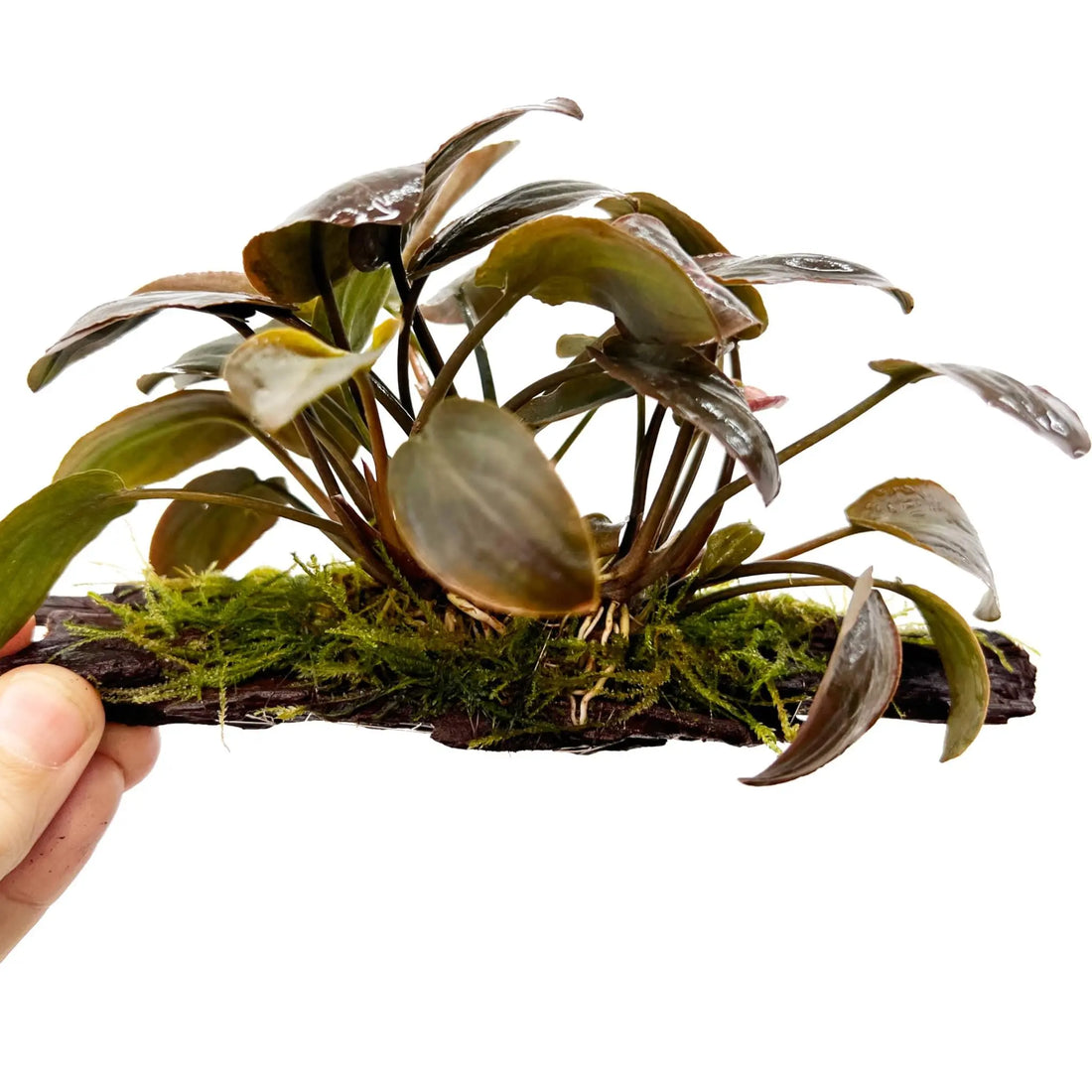
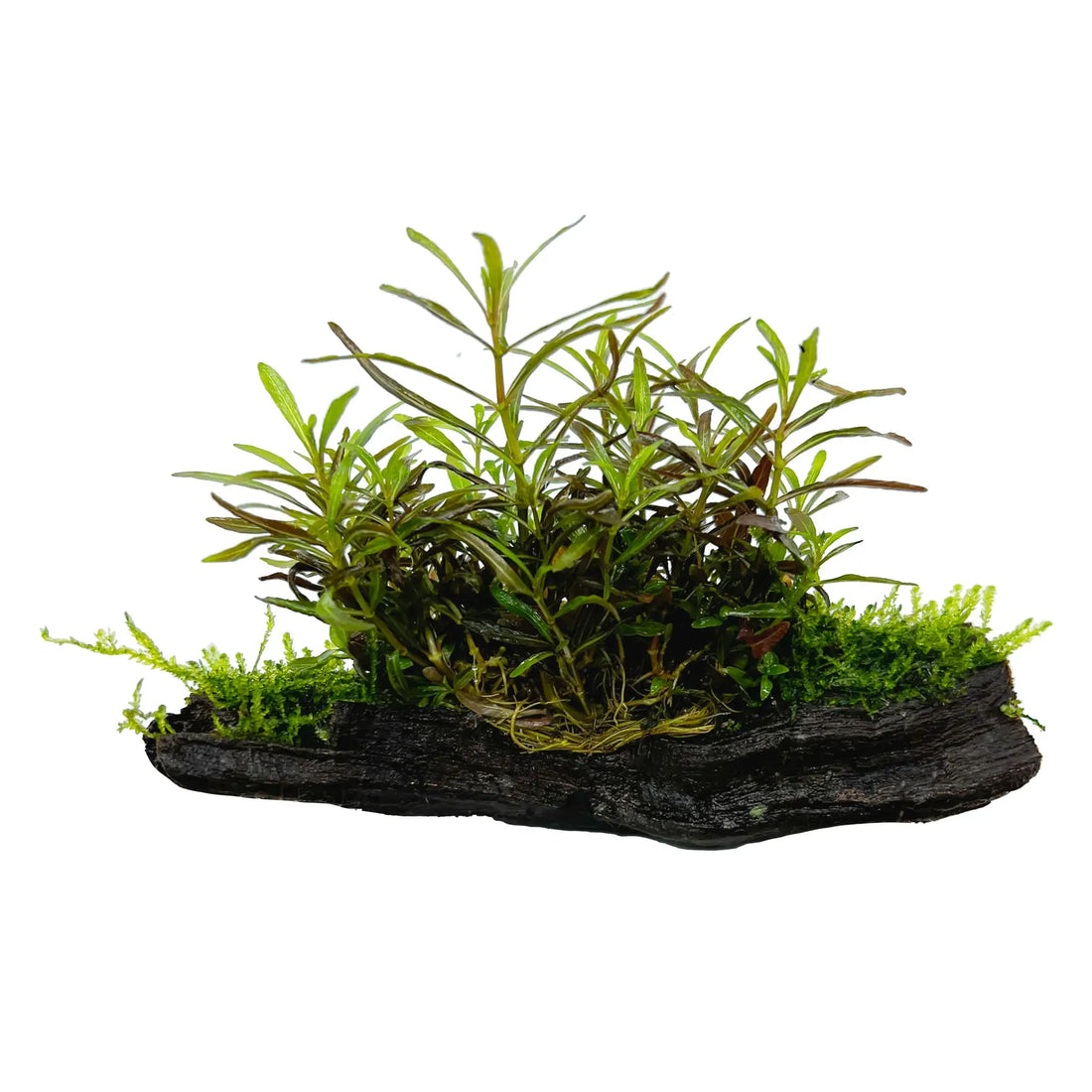
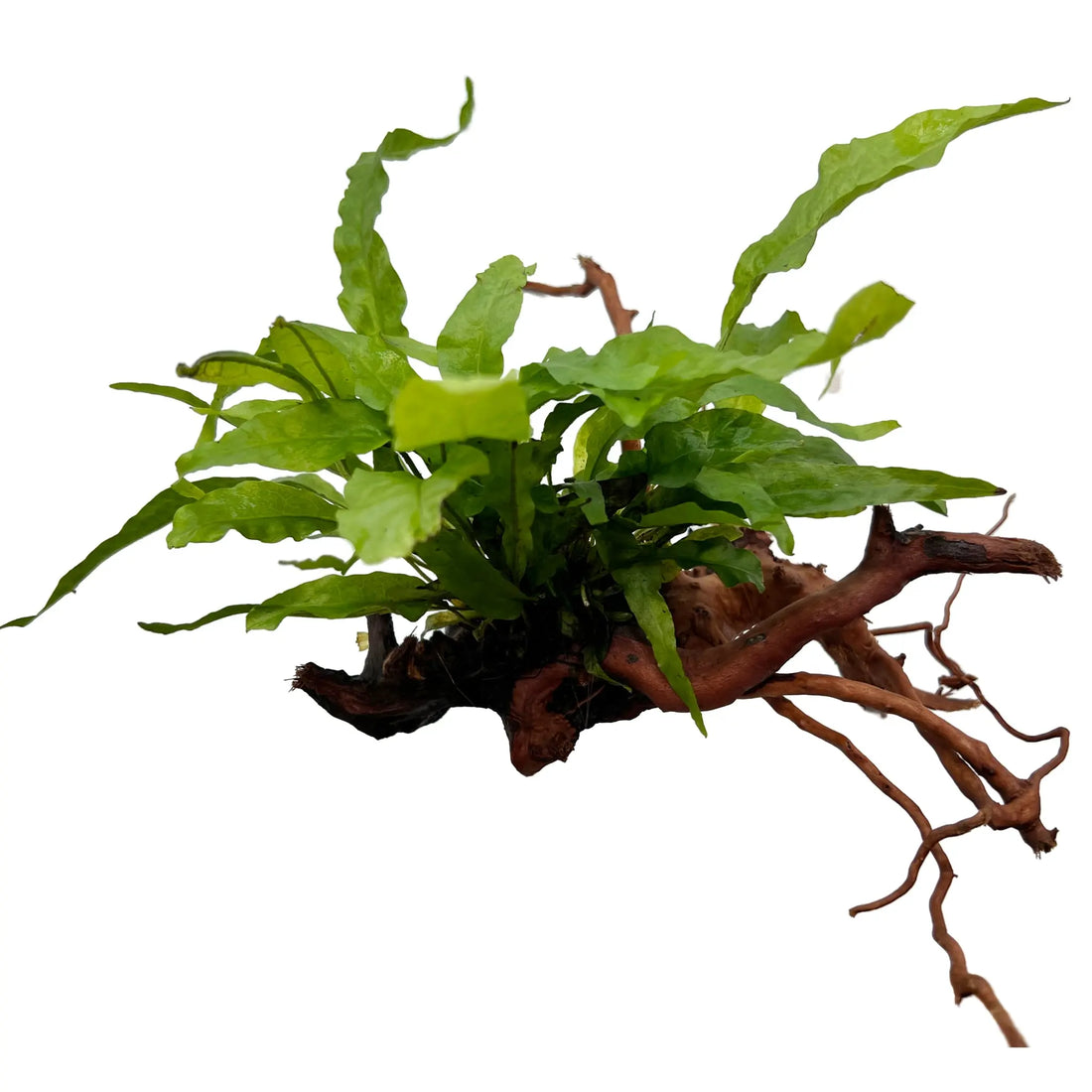
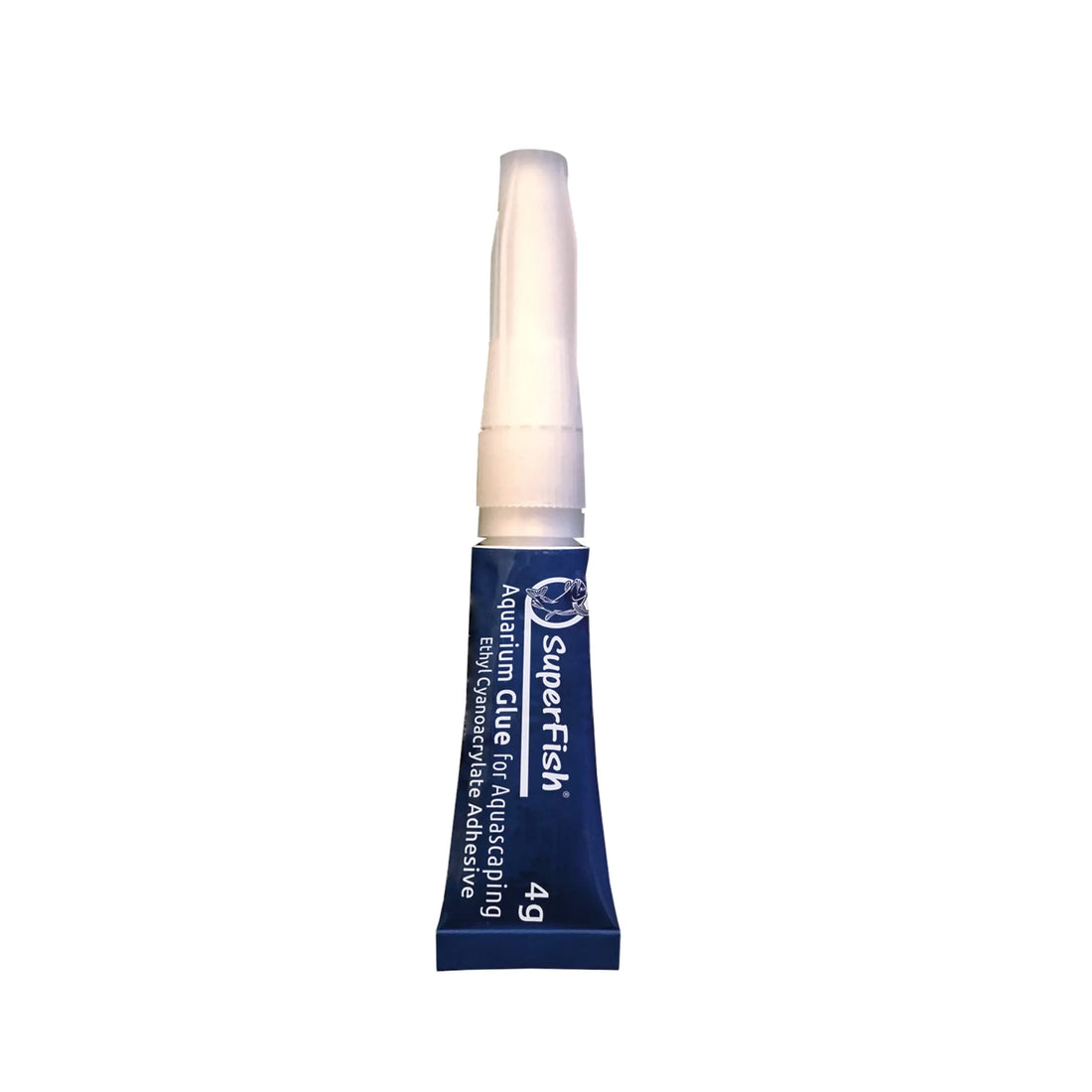
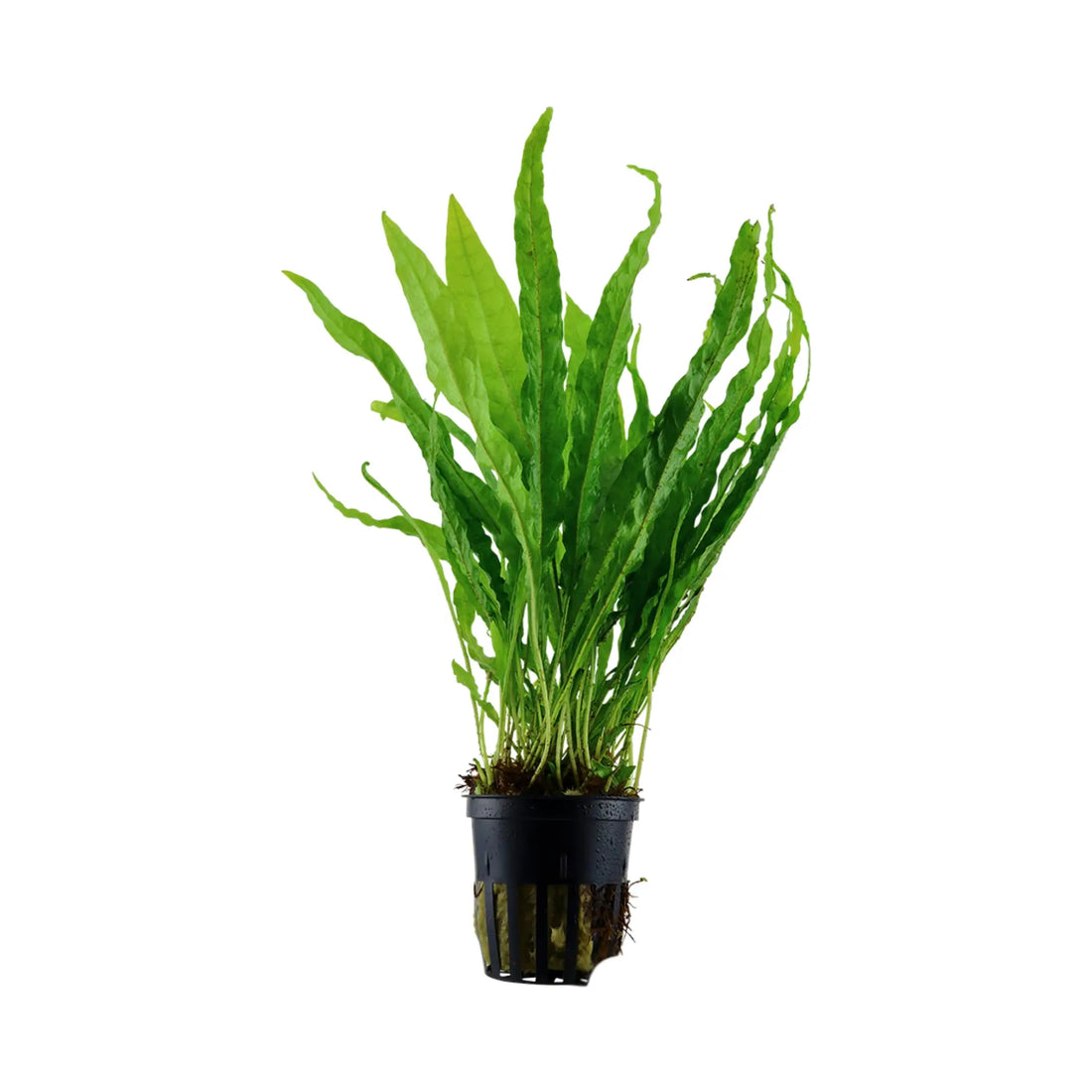
Yes β€” attaching plants to aquarium driftwood is one of the most popular aquascaping techniques. Epiphyte species like Java Fern, Anubias, and Bucephalandra attach naturally to driftwood using their rhizome. Tie them loosely with cotton thread or use aquarium-safe super glue gel β€” the plant will anchor itself within a few weeks. Aquarium mosses can also be tied directly to driftwood and will spread across the surface over time.

Types of aquarium driftwood β€” which should you choose?

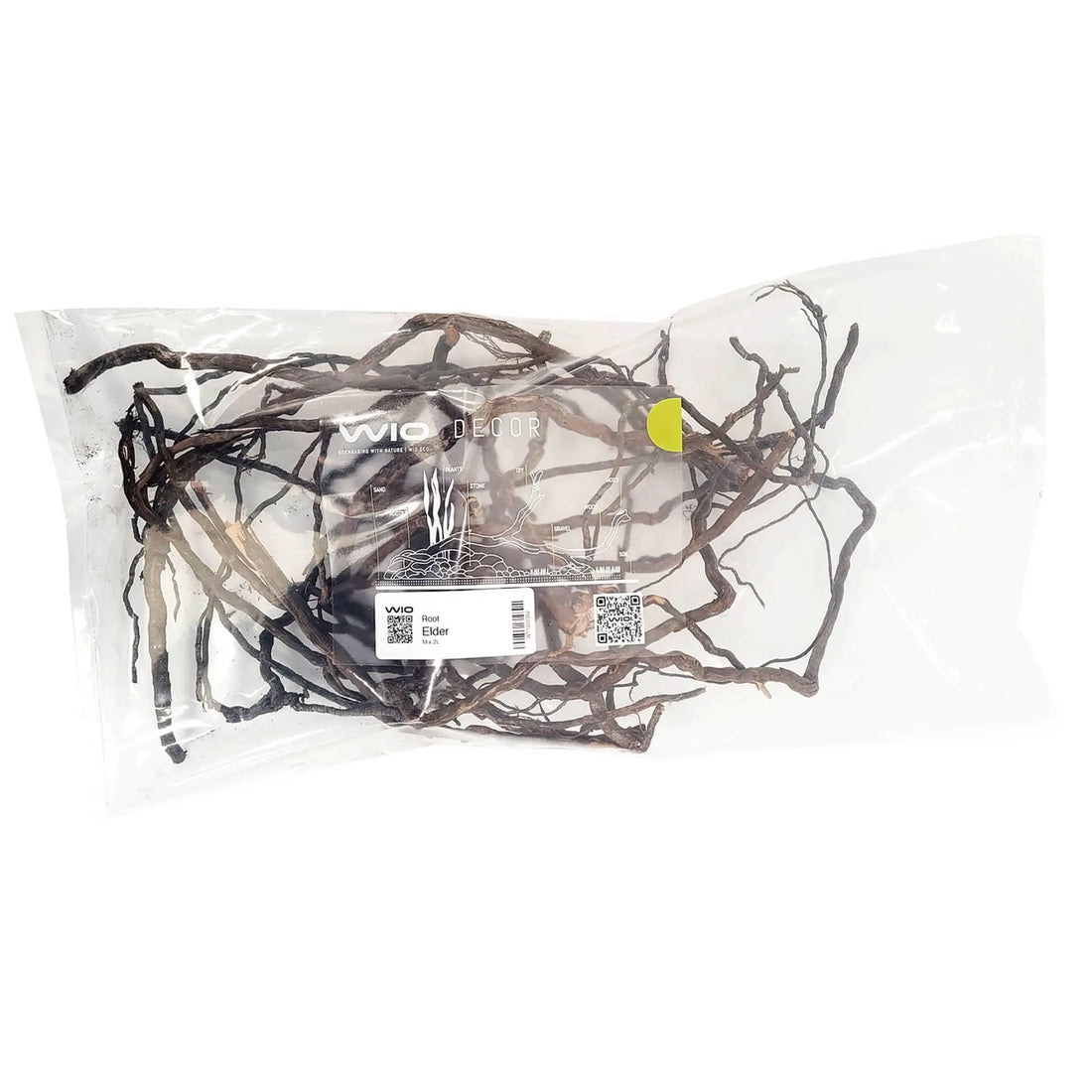
Spider wood is the most popular choice β€” its branching structure creates natural focal points and gives Java moss and Anubias an ideal surface to attach to. Black spiderwood offers the same form with a darker finish suited to minimalist layouts. Mangrove aged wood is denser and longer-lasting, better suited to larger tanks. Wio root mixes are ideal for nano aquariums and shrimp tanks where smaller, intricate pieces work best.

Does aquarium driftwood affect water quality?

Yes β€” driftwood releases tannins that gradually lower pH and give water a natural amber tint, replicating the blackwater conditions most tropical fish come from. Pre-soaking in a bucket for 24–48 hours before adding it to your tank reduces discolouration significantly. Tannin release reduces naturally as the wood seasons.

Driftwood for fish tanks β€” plants, shrimp & aquascaping

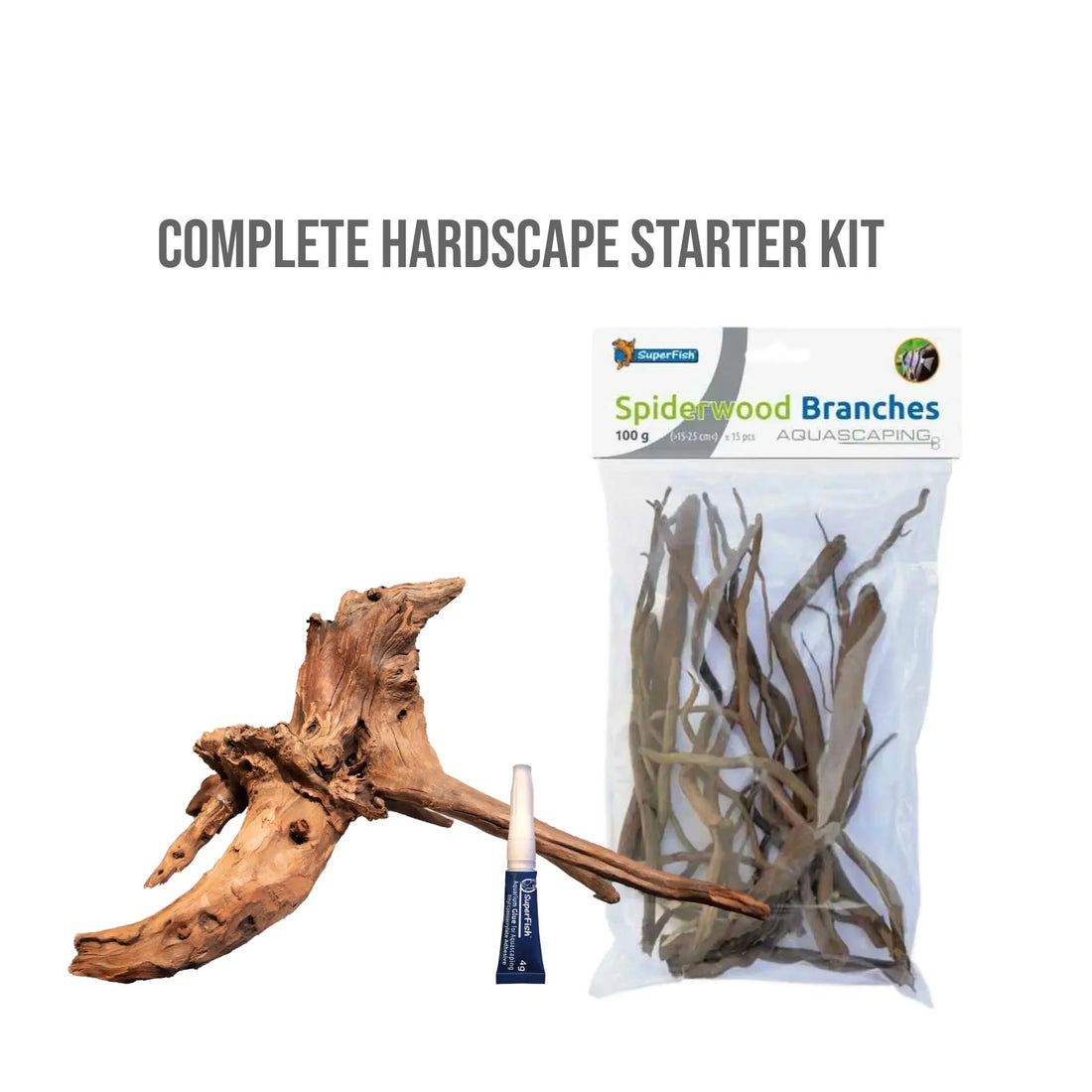
Pair driftwood with Aquarium Rocks for a complete hardscape layout β€” Seiryu stone and lava rock complement spider wood particularly well. For plants pre-attached and ready to place, browse Plants on Wood. For shrimp tanks, Fish Tank Decorations adds coconut caves and moss hides alongside driftwood. Building from scratch? Decor Kits bundle wood, rock, and glue in one order. To attach moss or epiphytes to your driftwood, browse Aquarium Mosses.

All driftwood dispatched same day (Mon–Fri, before 4pm) from our UK facility.