Skip to product information
1 of 6
  • Play video

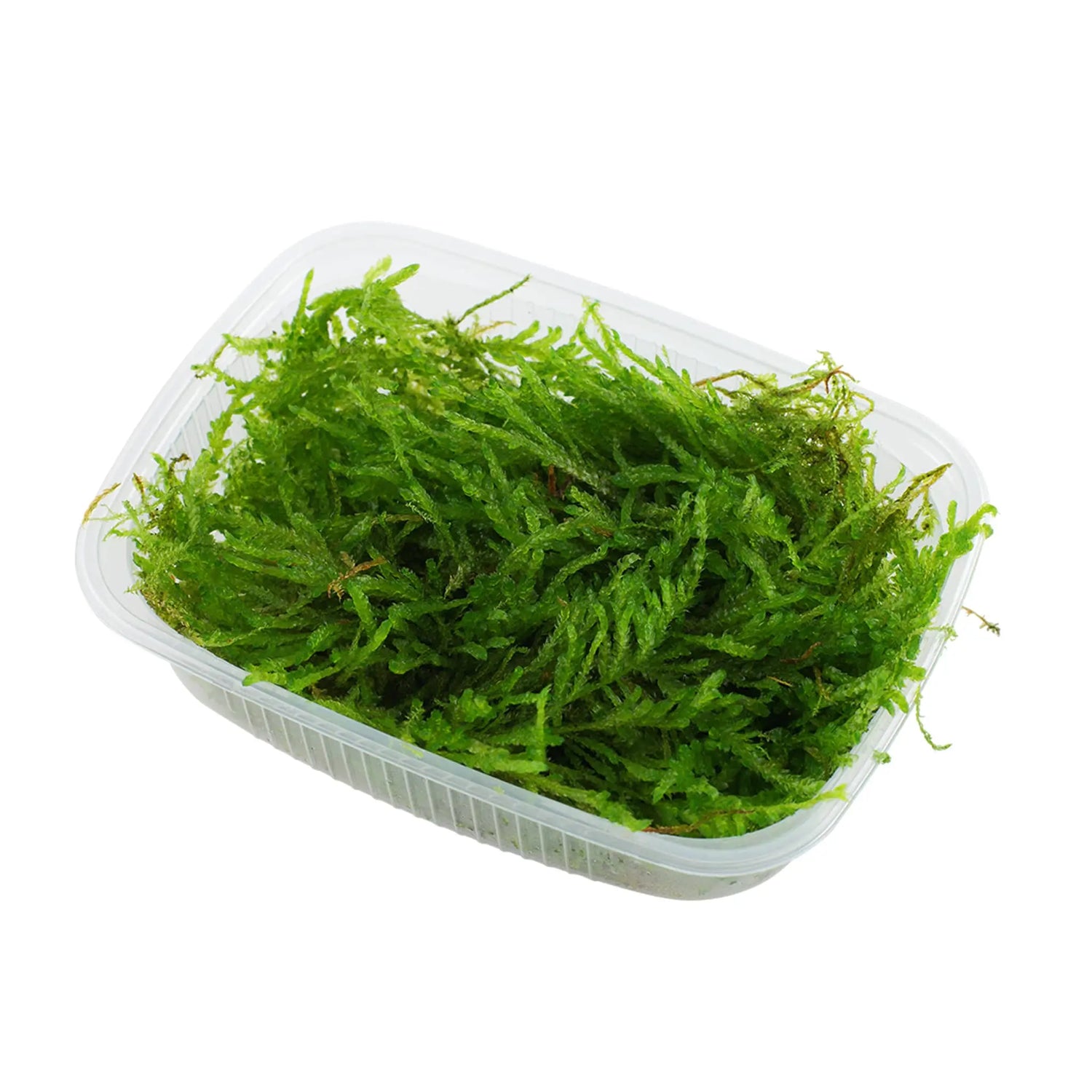
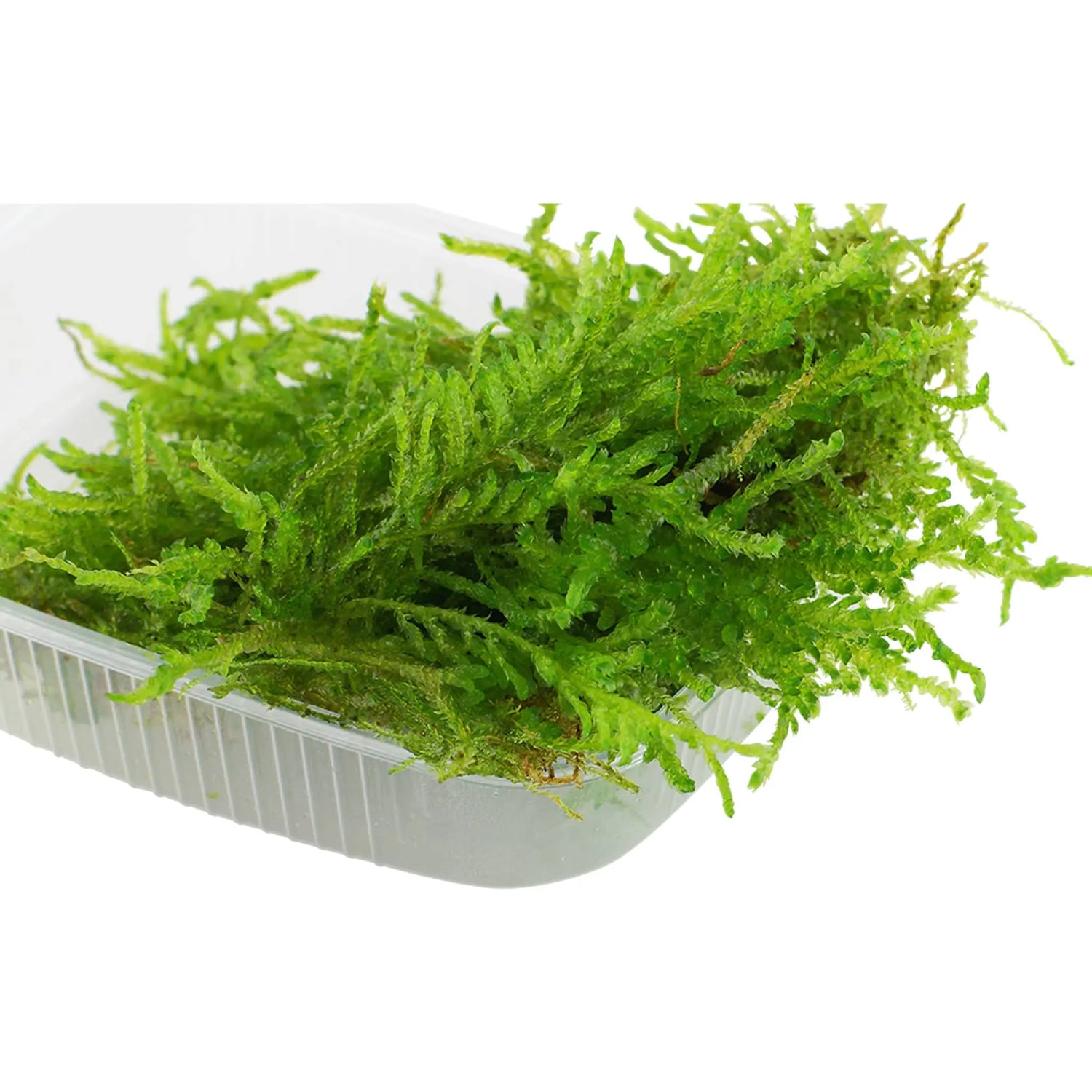
Vesicularia ferriei (Weeping Moss)

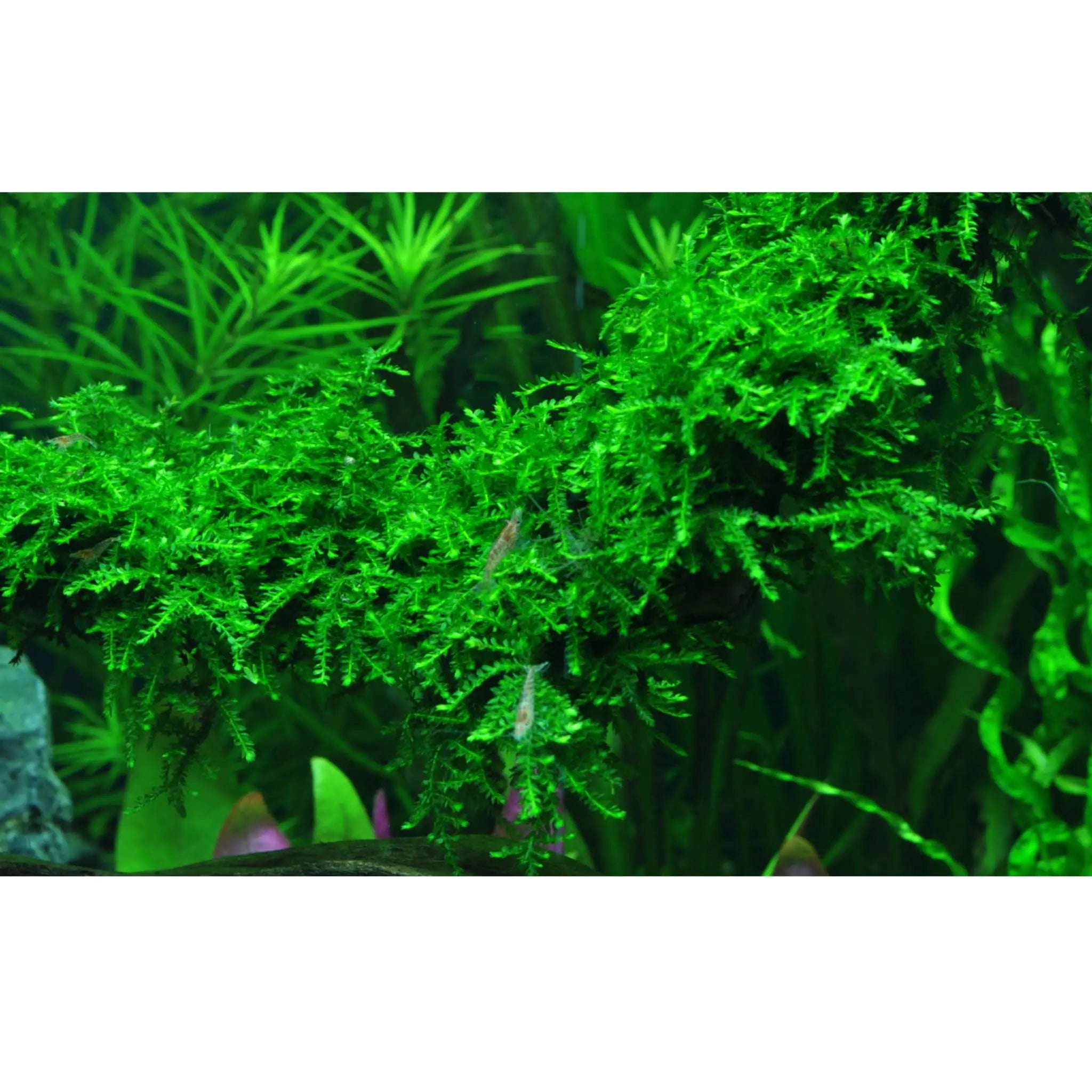
Weeping moss — downward-trailing fronds with willow-like effect

Regular price
£8.99
Regular price
Sale price
£8.99
    Quick Facts

    Rating:

    Growth rate: Slow

    Common name: Weeping Moss

    Position in Aquarium: Attach to wood/rock

    Grows up to (cm): 3 cm

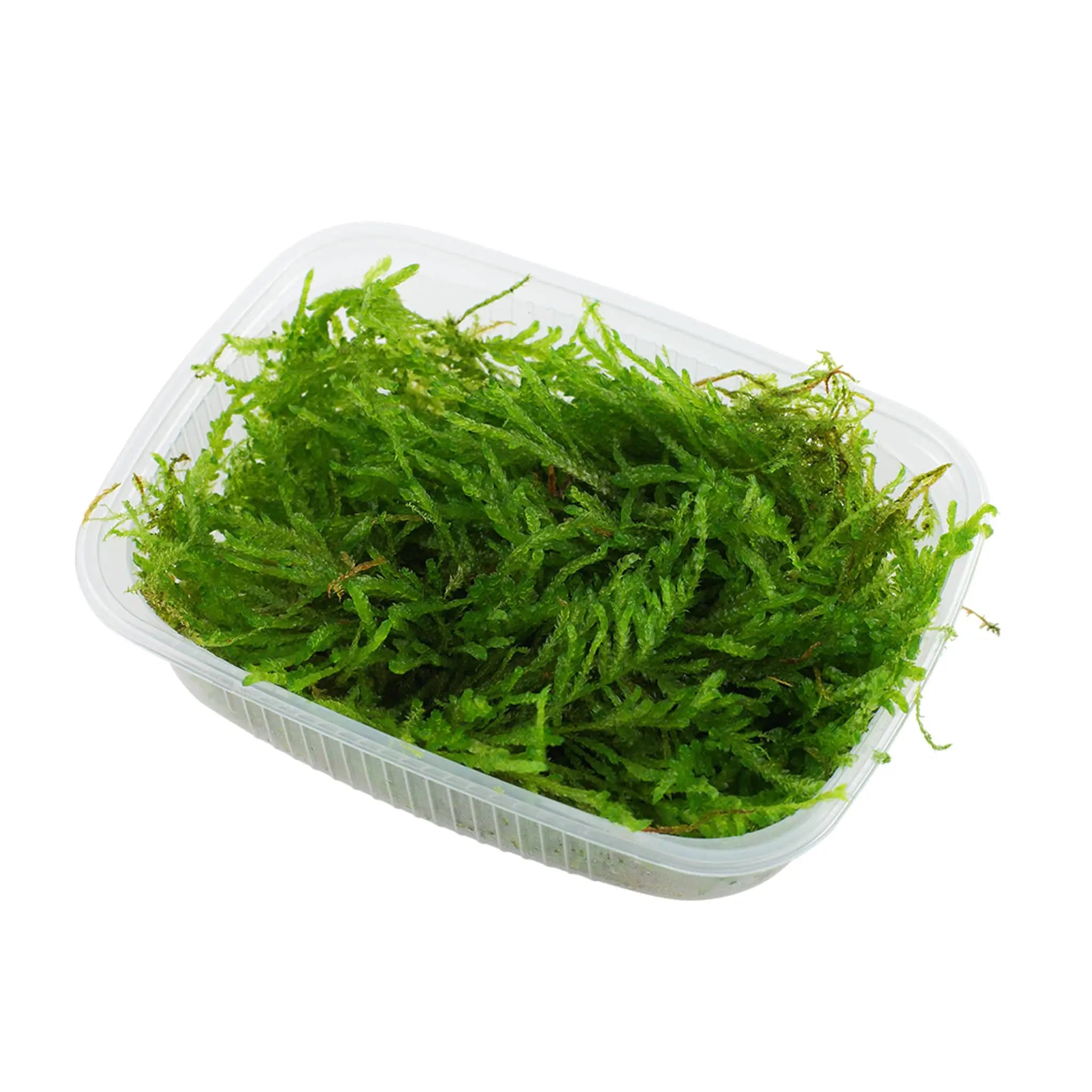
    Portion Size: 10x7cm

    Our Delivery Promise to You

    Express Delivery is our fastest and most reliable option. Orders are fully trackable, delivered within a one-hour time slot, and covered by our replacement guarantee if plants are damaged due to delivery delays. It’s ideal if you want extra peace of mind and plants arriving exactly as they left us.

    Tracked 24 is a great value option and usually arrives within a couple of days.

    Order before 4pm (Mon–Fri) for same-day dispatch.

    Shipping starts from £4.99 for Tracked 24 and £6.99 for DPD Express.

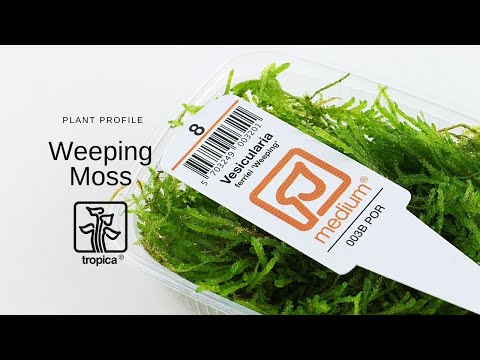
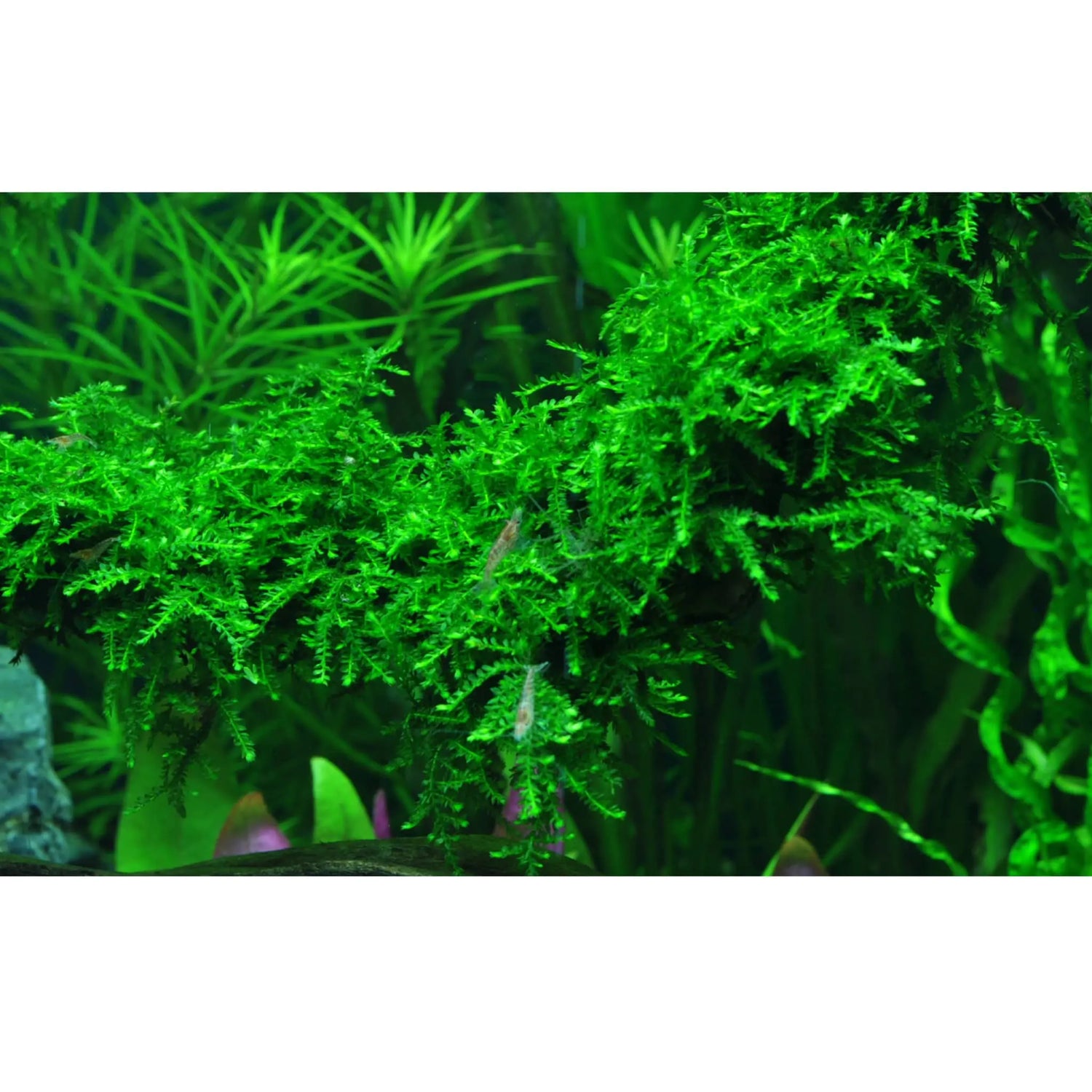
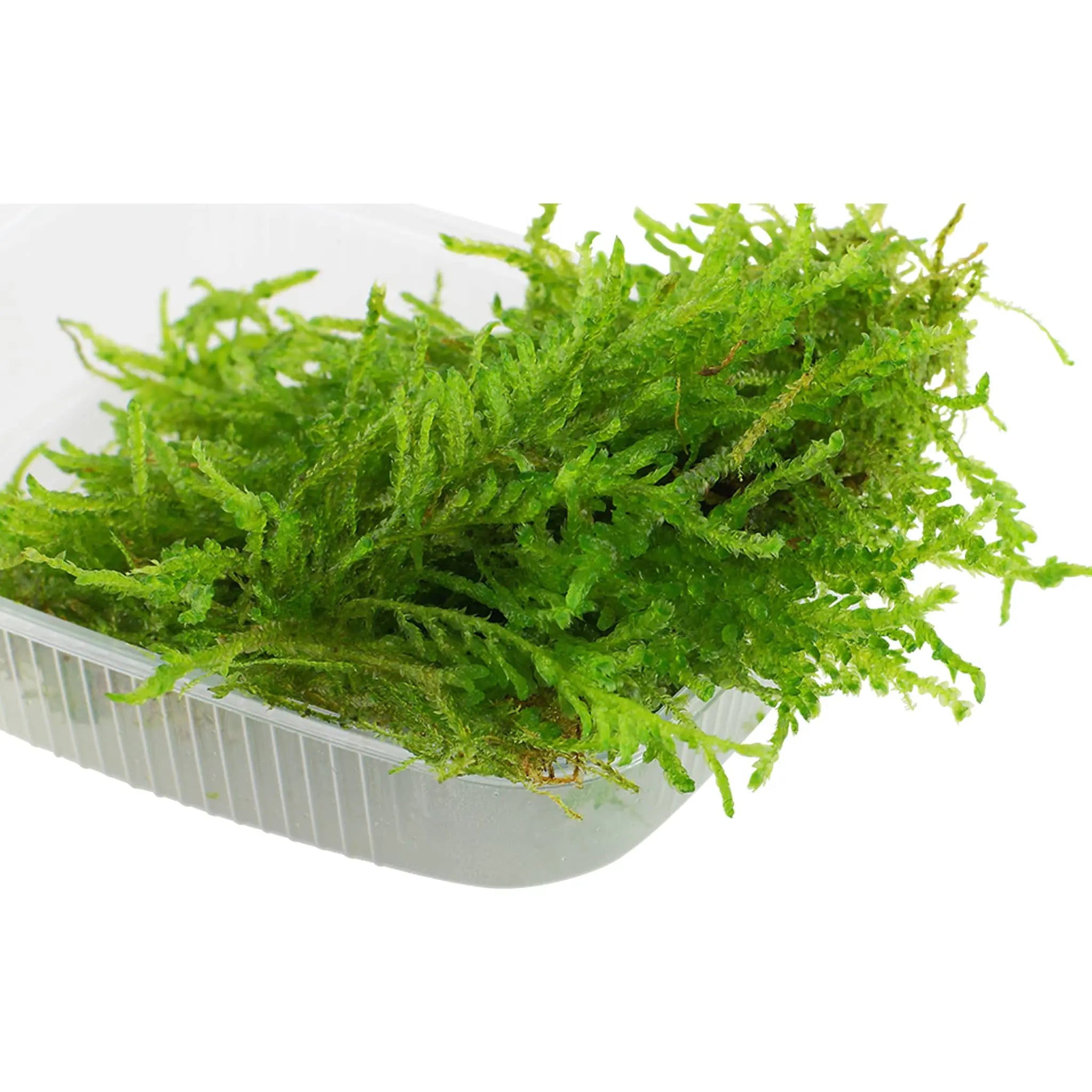
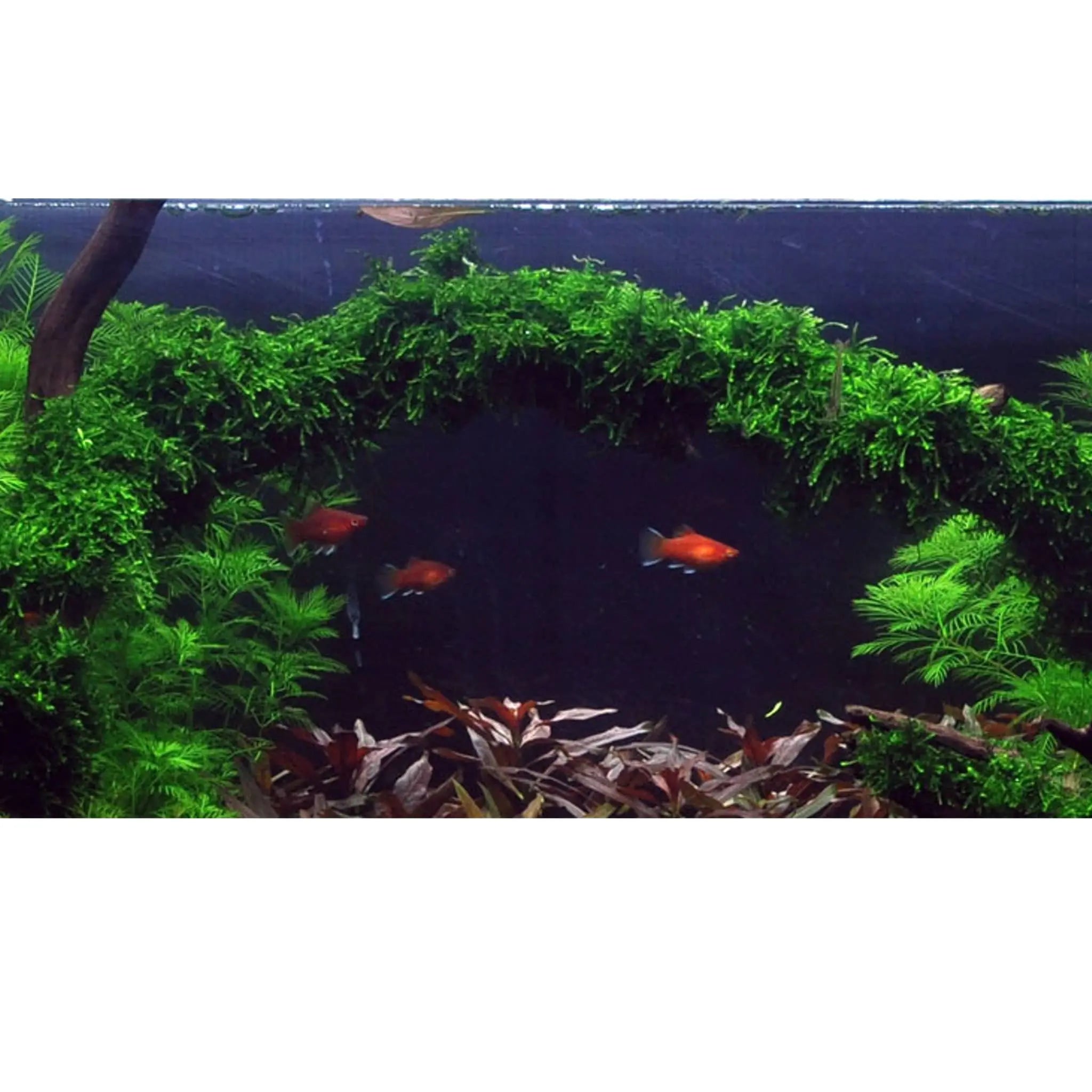
    Vesicularia ferriei, known as weeping moss, is one of the most aesthetically distinctive aquarium mosses available. Its fronds grow in a downward-arching habit — the branch tips curve and trail downward under their own weight — giving it a weeping willow-like appearance when established on an elevated piece of driftwood or overhanging rock. The drooping, cascading growth form is unlike any other common aquarium moss and creates a soft, flowing visual effect that moves gently in water current.

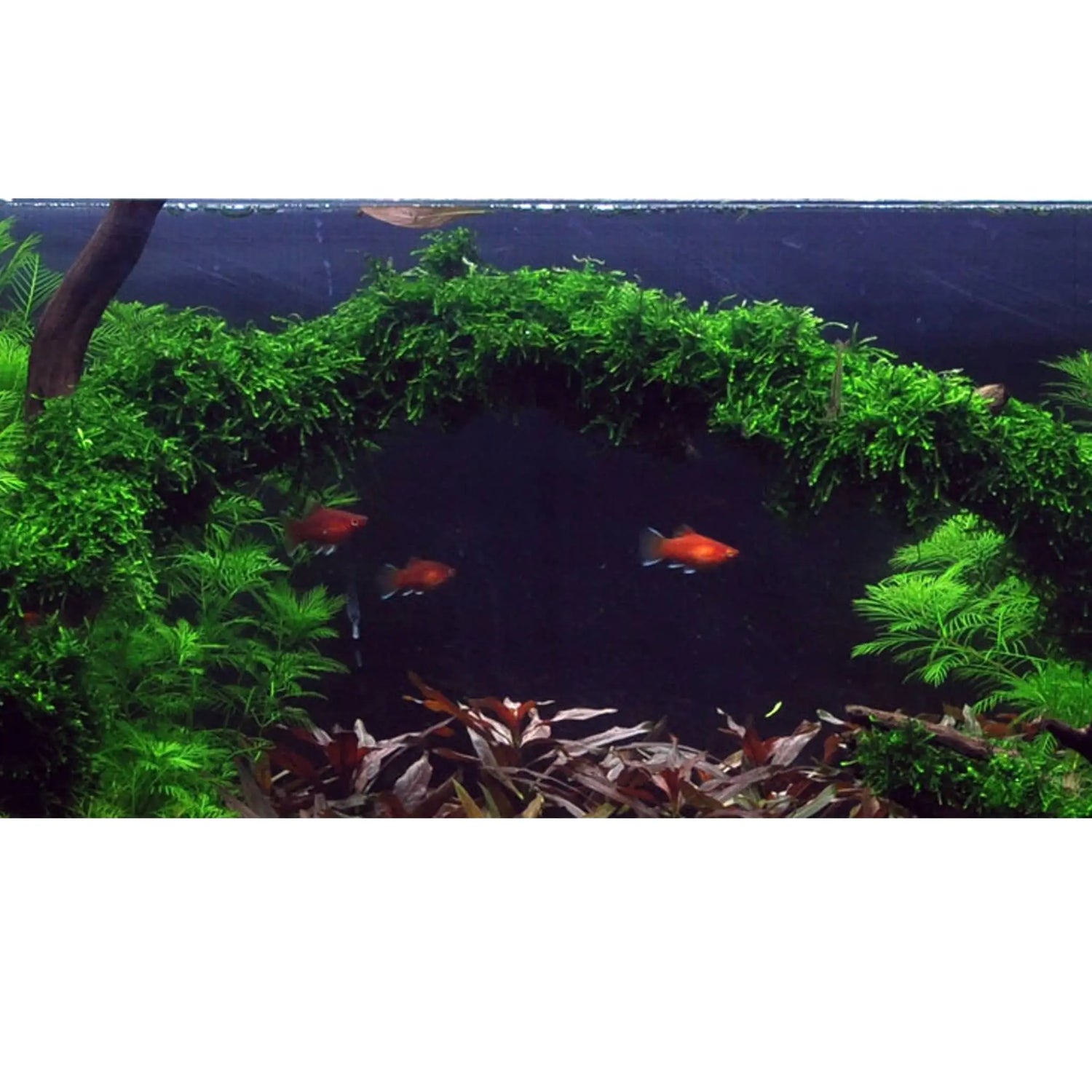
    Weeping moss grows in low to medium light without CO2 injection and is tolerant of a range of water conditions. The downward weeping habit is best displayed when the moss is attached to elevated hardscape where the fronds can trail downward freely. Growth is slow but the effect, once established, is very striking and immediately recognisable in any planted layout.

    Supplied as a loose portion — attach to wood or rock using fine thread or aquarium-safe glue and allow several weeks to establish before removing the thread. The weeping effect becomes more pronounced as the moss matures and frond length increases. Position on elevated hardscape to best display the trailing habit. Suited to aquariums of 30 litres and above.

    Vesicularia ferriei (Weeping Moss) - Aqua Essentials
    Vesicularia ferriei (Weeping Moss) - Aqua Essentials
    Vesicularia ferriei (Weeping Moss)
    Vesicularia ferriei (Weeping Moss) - Aqua Essentials
    Vesicularia ferriei (Weeping Moss) - Aqua Essentials

    Information about growing mosses:

    1. Slow growing

    Mosses are well known for being relaltively easy to grow. Due to the fact they are slow growing, it means demands are low. This means less light, less fertilisers and less care.

    2. Not too much light please

    Because all mosses are slow growing, you can't force them to grow quicker. So brighter light and loads of CO2 won't turbo charge them - actually you'll just end up stressing them out. Whilst some will always grow faster than others, mosses take time to get to the stage you want them to be. Patience.

    3. Trimming is beneficial

    Like all plants, mosses need trimming with a shaprt pair of scissors so don't hold back. Avoid them getting leggy, trim them to keep their shape and they will reward you with better growth which is a deeper green and dense.

    Product FAQs

    Helpful details before you buy.

    Why does weeping moss trail downward?

    The branch tips naturally arch and droop under their own weight as they grow — this is an inherent growth habit, not a sign of poor health.

    Does it need CO2 or specialist lighting?

    No — Vesicularia ferriei grows in low to medium light without CO2 injection.

    Where should I position it for the best effect?

    Attach it to elevated hardscape — a branch of driftwood or an overhanging rock — so the fronds can trail downward freely. This displays the weeping habit to best effect.

    How do I attach it?

    Secure it to wood or rock using fine thread or aquarium-safe glue. Allow several weeks to establish before removing the thread.

    Is it suitable for shrimp tanks?

    Yes, fully. The trailing fronds provide excellent shelter and grazing surface for shrimp.