Aquarium Rocks | Dragon Stone, Seiryu & Fish Tank Aquarium Rock

Shop Dragon Stone, Seiryu Stone, Lava Rock and aquarium pebbles in practical sizes, with same-day dispatch available.

Filter
Price
Reset
£
0
299.99
£
£
Price: £0 – £299.99
Sort by
Filter and sort Filter
Filter and sort
Filter

38 products

Availability
Price
£
£
Brand
Easy, Average or Advanced?

38 products

FAQs

Do aquarium rocks affect pH?

Some aquarium rocks raise pH by leaching calcium carbonate into the water — limestone, coral rock, and some sandstone are the most notable examples. Dragon Stone has a very slight alkaline effect but is generally considered safe for planted aquariums and softwater setups. Seiryu Stone is calcareous and can raise pH and hardness over time — this is worth monitoring in tanks targeting pH below 7.0. Lava rock and inert pebbles have minimal impact on water chemistry. If you are unsure, soak your aquarium rock in a bucket of water for a week and test the pH before and after.

How much rock do I need for my aquarium?

A general guide for aquascaping is approximately 1kg of rock per 10 litres of aquarium volume for a moderately hardscaped layout. For a denser Iwagumi-style scape, budget 1.5–2kg per 10 litres. Our Seiryu Rock Sets are pre-sized for 60L and 80L aquariums and include a mix of small, medium, and large pieces — the simplest way to get the right amount of fish tank aquarium rocks without needing to calculate weights. For Dragon Stone and loose rock sold per kg, ordering slightly more than you think you need is always recommended — having extra pieces to experiment with gives you far more creative flexibility.

What is Dragon Stone and is it safe for aquariums?

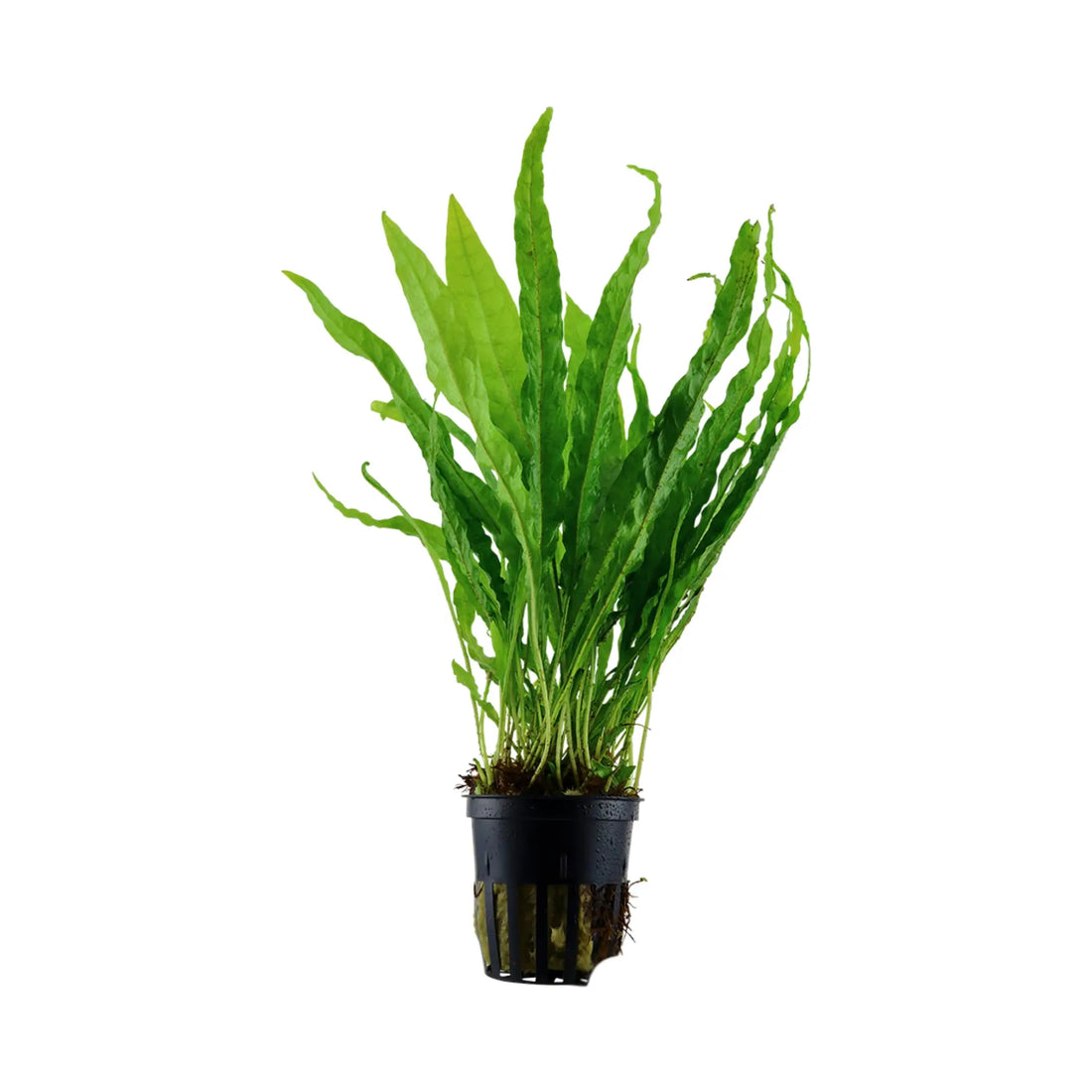
Dragon Stone — also known as Ohko Stone — is a sedimentary aquarium rock originating from Japan, named for its deeply pitted surface that resembles dragon scales. It is safe for most freshwater aquariums and has a minimal, slightly alkaline effect on water chemistry. Dragon Stone is a relatively soft rock, which means it can be carved or chipped to shape. It is particularly popular in planted aquariums because its crevices and holes make natural planting pockets for moss, Java Fern, and Anubias. It is available in our collection by weight (3kg bags) or as mini pieces per kg.

Can I put any rock in my fish tank?

Not all rocks are safe for aquarium use. Rocks that contain calcium carbonate — such as limestone, chalk, and some slate — will raise pH and water hardness, which can stress fish adapted to soft or acidic water. Rocks with sharp metal veining or rust-coloured deposits should be avoided as they may leach iron into the water. All aquarium rocks sold in this collection are tested and confirmed safe for freshwater aquarium use. If you want to use rocks collected from outside, the vinegar test is a simple home check — drip white vinegar onto the rock and watch for fizzing. Fizzing indicates carbonate content and potential pH impact.

What is the difference between Dragon Stone and Seiryu Stone?

Dragon Stone and Seiryu Stone are the two most popular aquarium rocks for aquascaping but they look and behave very differently. Dragon Stone has a warm, earthy tone with deep, rounded pits and holes — a softer, more organic feel suited to nature-style and jungle aquascapes. Seiryu Stone is hard, angular, and grey-blue with sharp white veining — ideal for dramatic Iwagumi mountain layouts. In terms of water chemistry, Seiryu Stone raises pH more noticeably than Dragon Stone over time, so it requires more monitoring in softwater planted tanks. Both are available in this collection.

Aquarium Rocks — Hardscape for Planted Tanks and Aquascaping

Aquarium rocks are the structural foundation of any aquascape. Whether you are building an Iwagumi layout, creating caves for cichlids, or adding natural texture to a planted community tank, the right fish tank aquarium rocks define the visual character of your entire setup — before a single plant goes in.

Our range of aquarium rock covers the most popular hardscape species used in UK aquascaping, all available with fast same-day UK dispatch.

Dragon Stone (Ohko Stone)


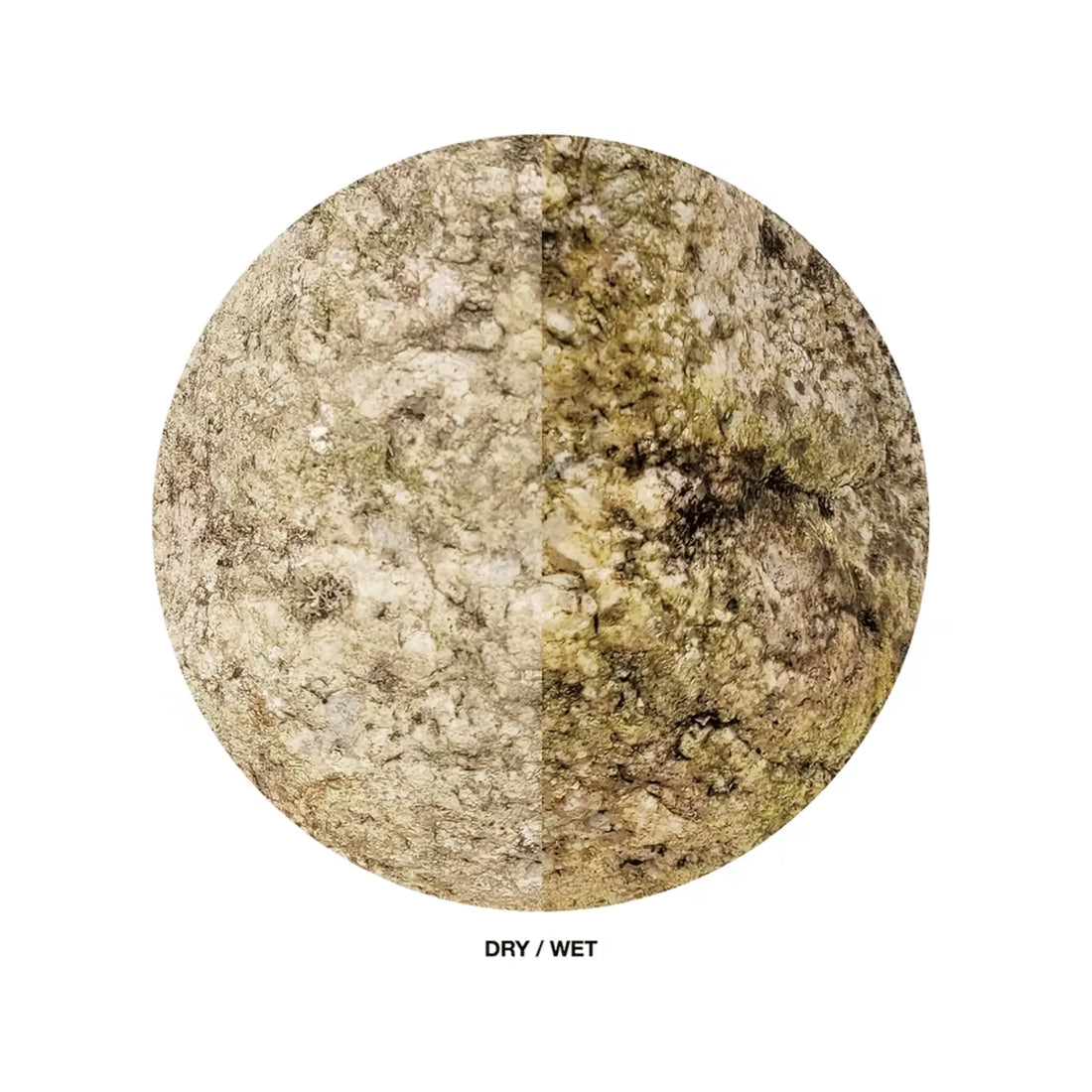
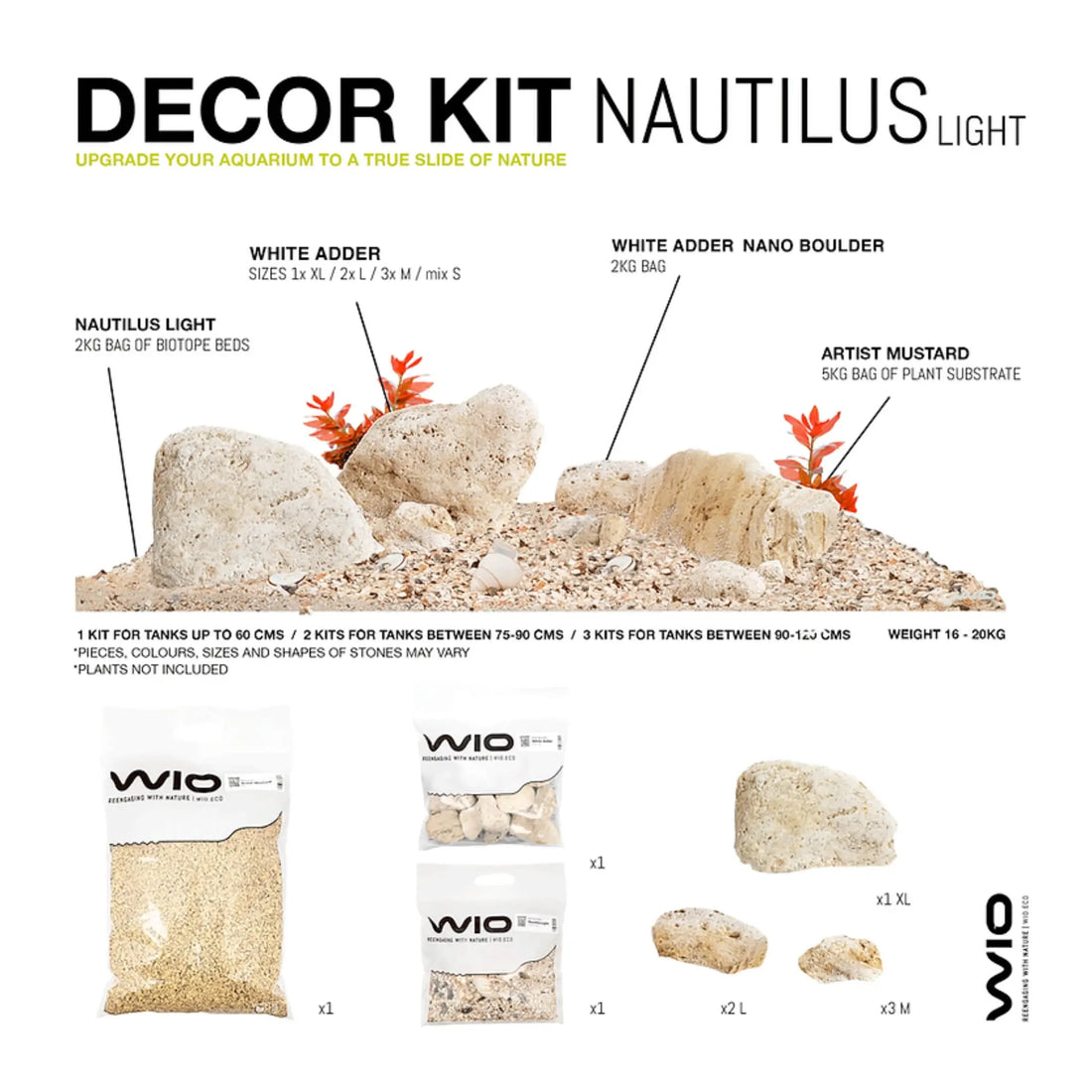
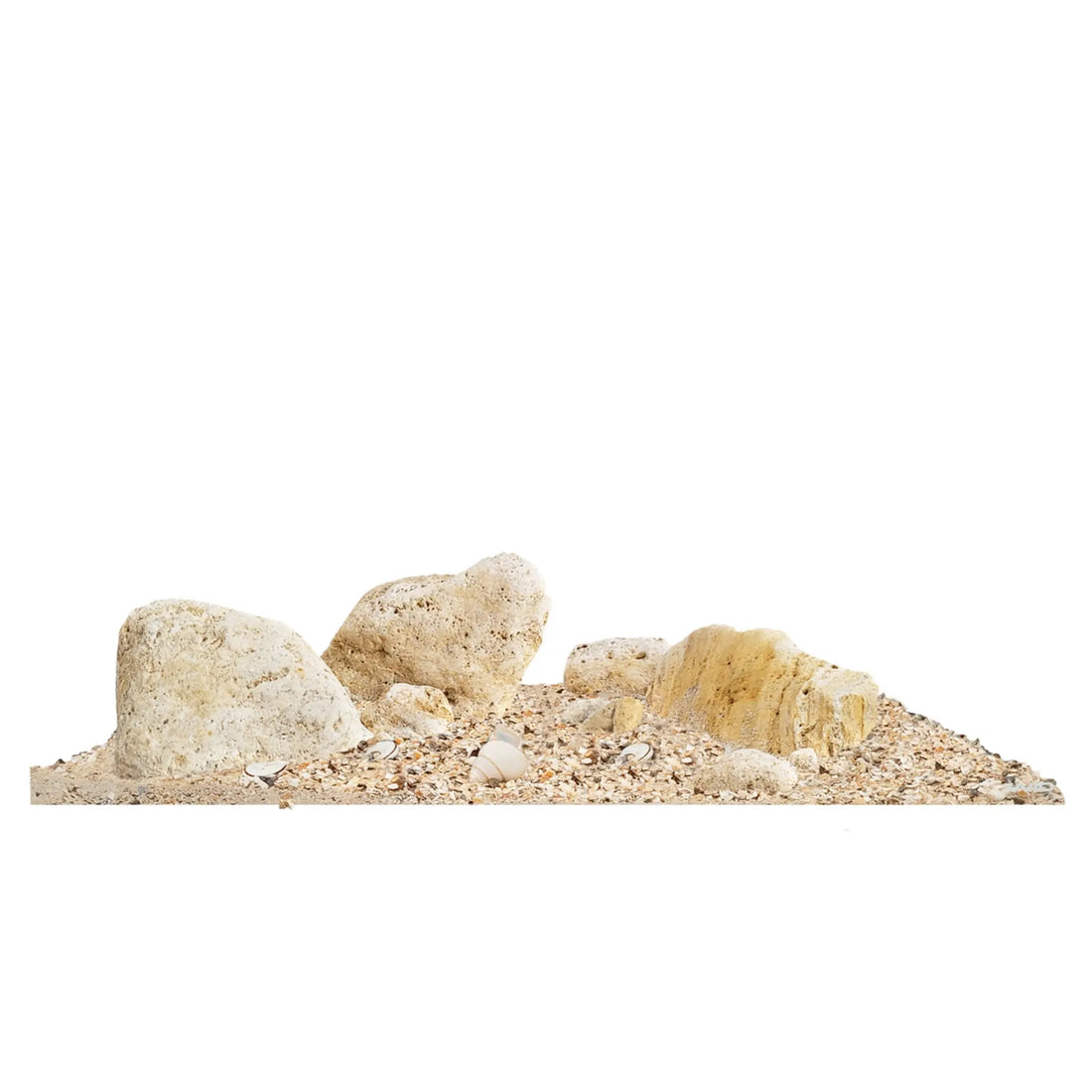
Dragon Stone is one of the most distinctive rocks for an aquarium — named for its deeply pitted, craggy surface that resembles dragon scales. Its irregular grooves and crevices create natural planting pockets where moss, Anubias, and Java Fern can be attached directly to the rock surface. Dragon Stone is slightly alkaline but has a minimal impact on water chemistry in a well-planted aquarium. It is a soft rock, which means it can be shaped and chipped if needed to achieve the exact fit you want in your layout. Browse our Dragon Stone collection available by weight or as mini pieces.

Seiryu Stone (Mini Landscape Rock)

Seiryu is the classic Iwagumi aquarium rock — sharp-edged, angular, and characterised by striking white veining across a blue-grey surface. It is the rock most associated with the legendary aquascaper Takashi Amano and remains one of the most popular fish tank rocks in the hobby. Note that genuine Japanese Seiryu Stone is no longer exported from Japan — all Seiryu available today is sourced from alternative regions. Our sets are available sized for 60L and 80L aquariums, taking the guesswork out of how much rock to buy.

Lava Rock and Pebbles


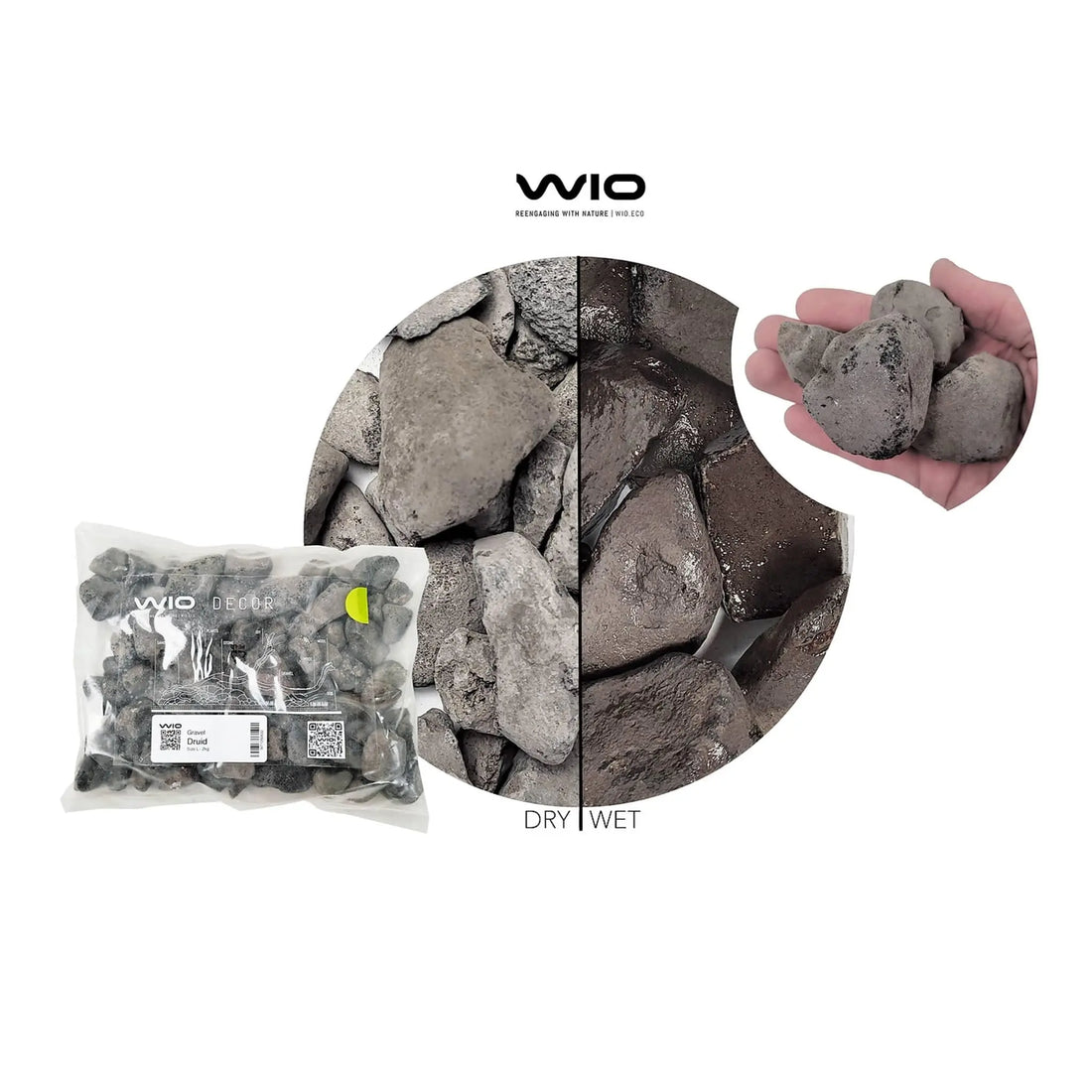
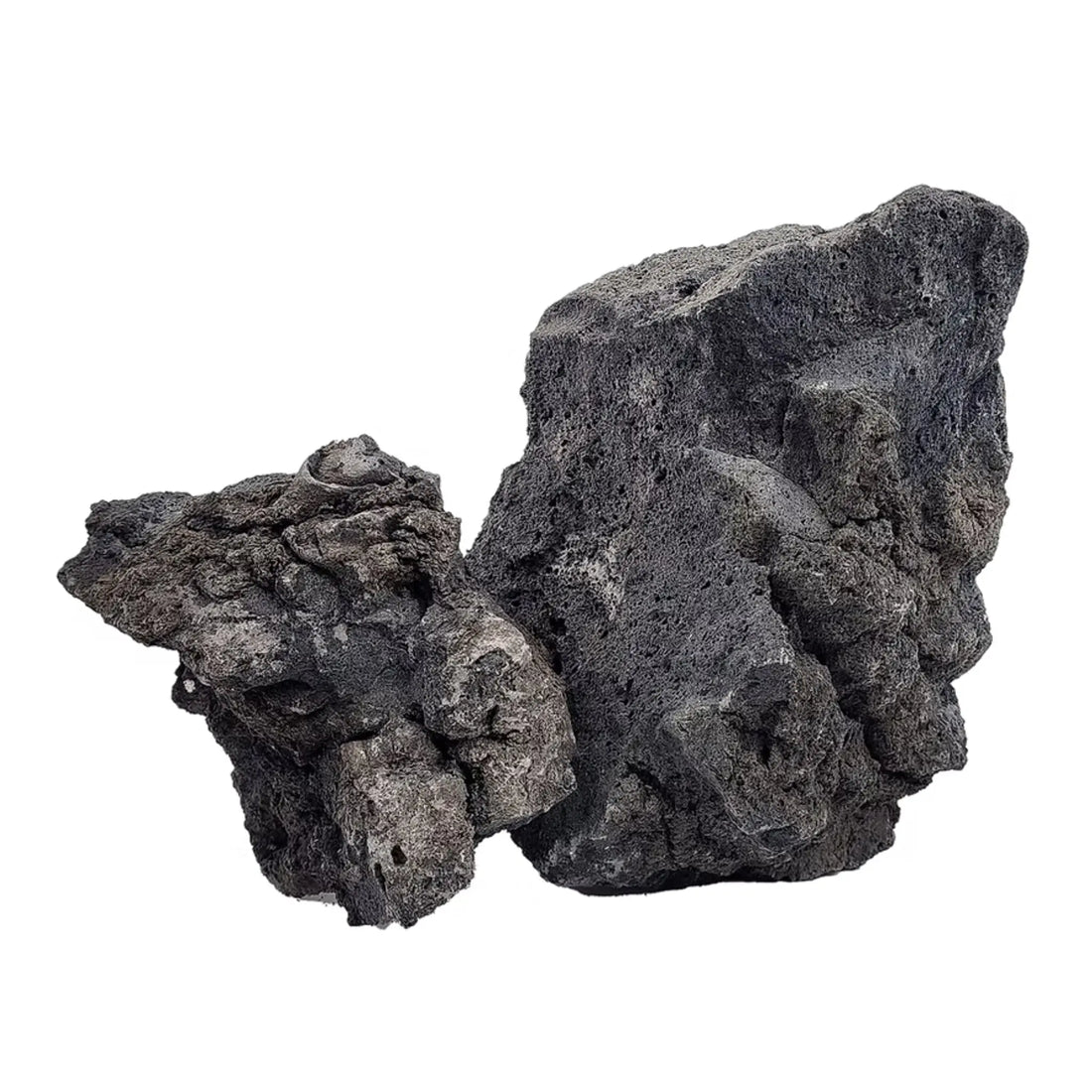
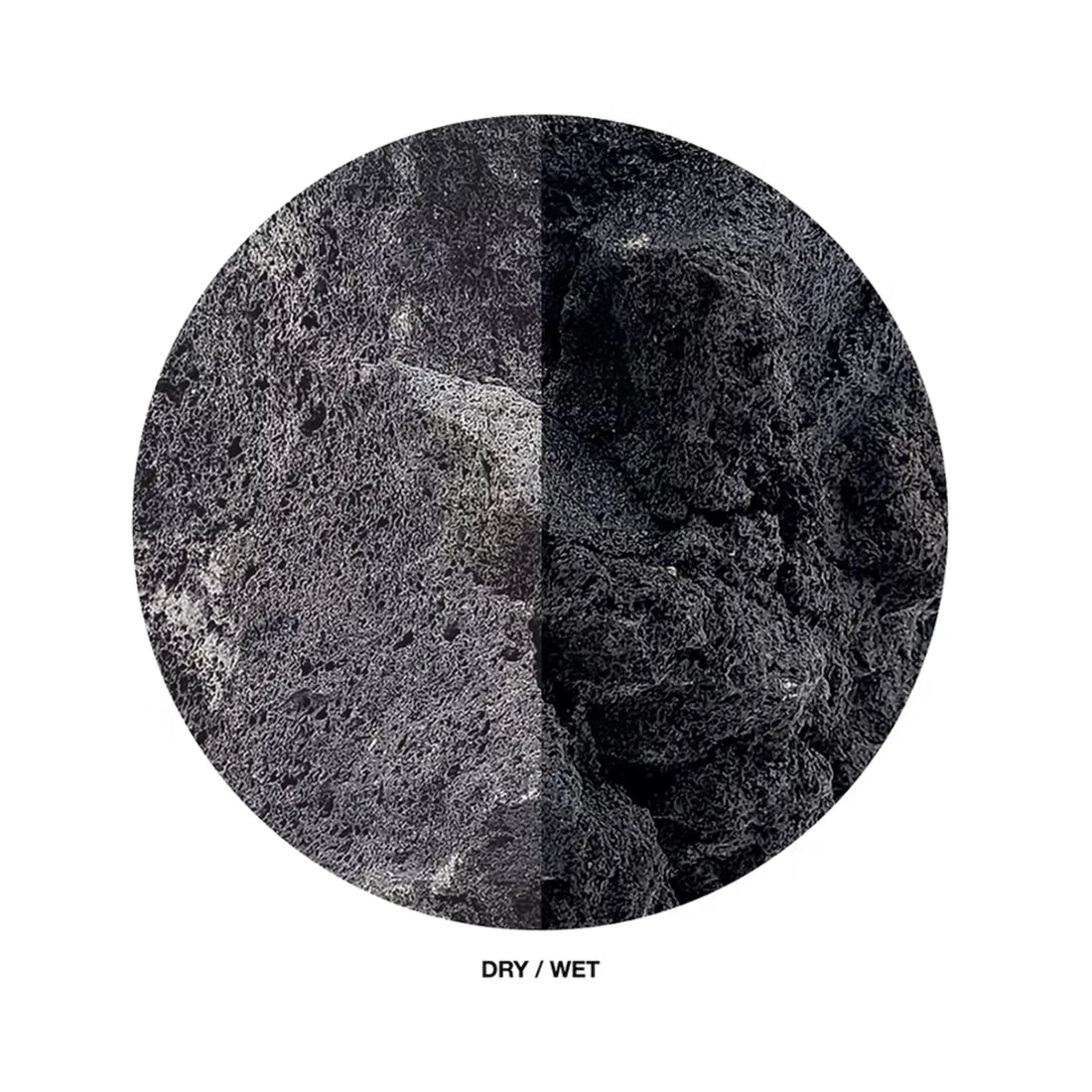
Lava Rock is a porous, lightweight aquarium rock excellent for beneficial bacteria colonisation. Its rough surface also makes it ideal for attaching mosses and epiphyte plants. Our aquascaping pebbles are available in small and large grades — useful as accent pieces or for creating natural-looking substrate transitions alongside your aquarium substrate


How to Choose Rocks for an Aquarium

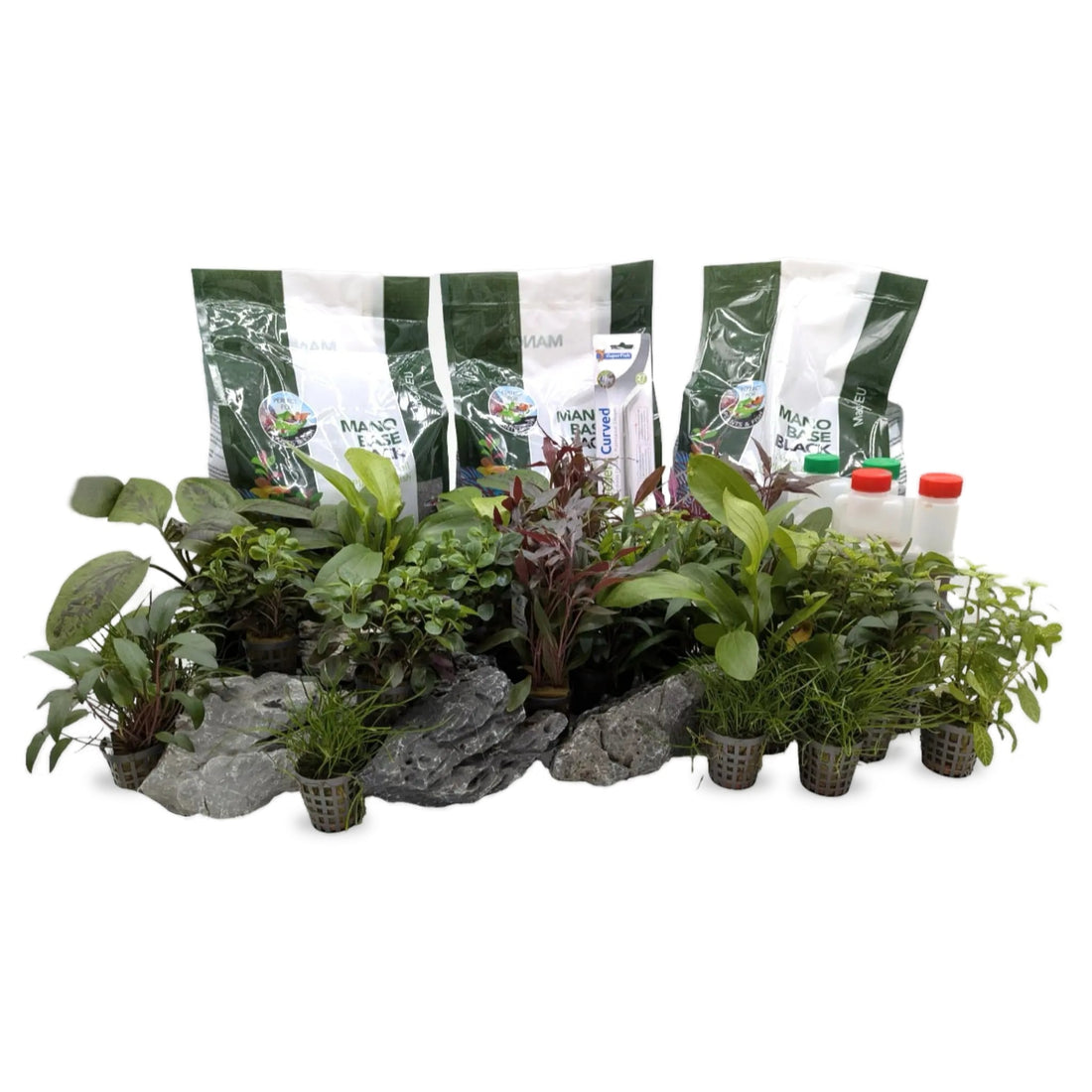
The most practical rule is the odd-number principle — group rocks in threes or fives rather than pairs. Use one dominant rock, supported by medium and small accent pieces. For planted tanks, pair your rocks with aquarium wood to create a more naturalistic hardscape, and finish with live aquarium plants to bring the whole layout together.