Skip to product information
1 of 5

Tropica Hygrophila odora 1-2-GROW

Easy compact Hygrophila odora background stem plant in Tropica 1-2-GROW tissue culture

Tropica

Regular price
£5.99
Regular price
£7.99
Sale price
£5.99
  • Hurry, only 4 items left in stock!
Quick Facts

Rating:

Common name:

Position in Aquarium: Midground

Growth rate: Medium pace

Grows up to: 20 cm

Pot size: 7 cm

Origin: Africa

Description

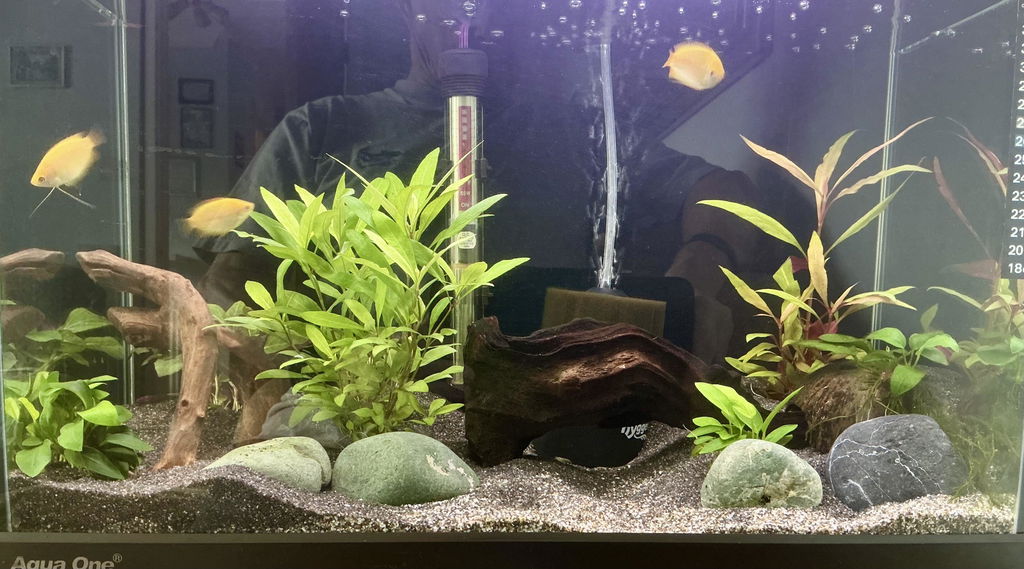
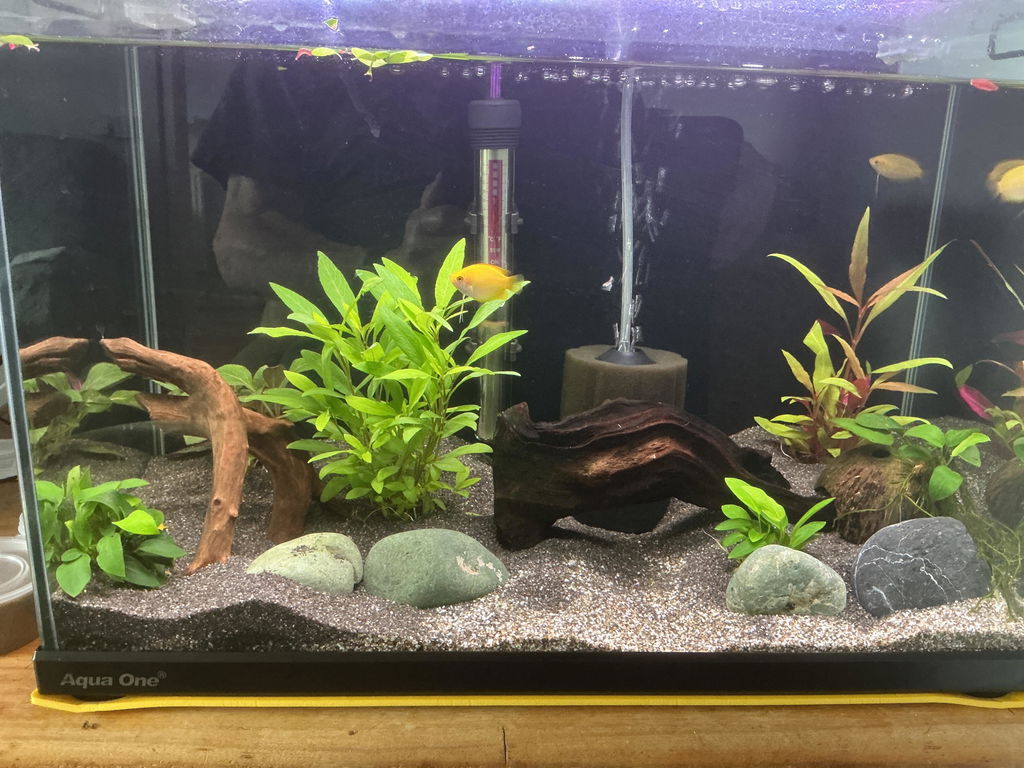
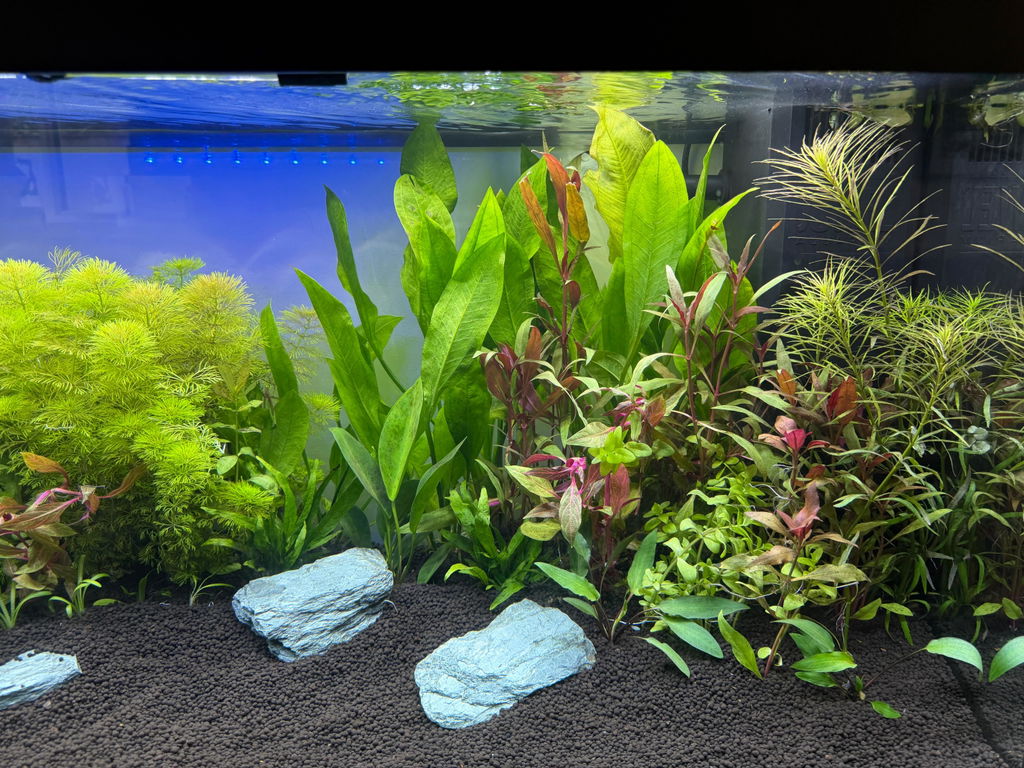
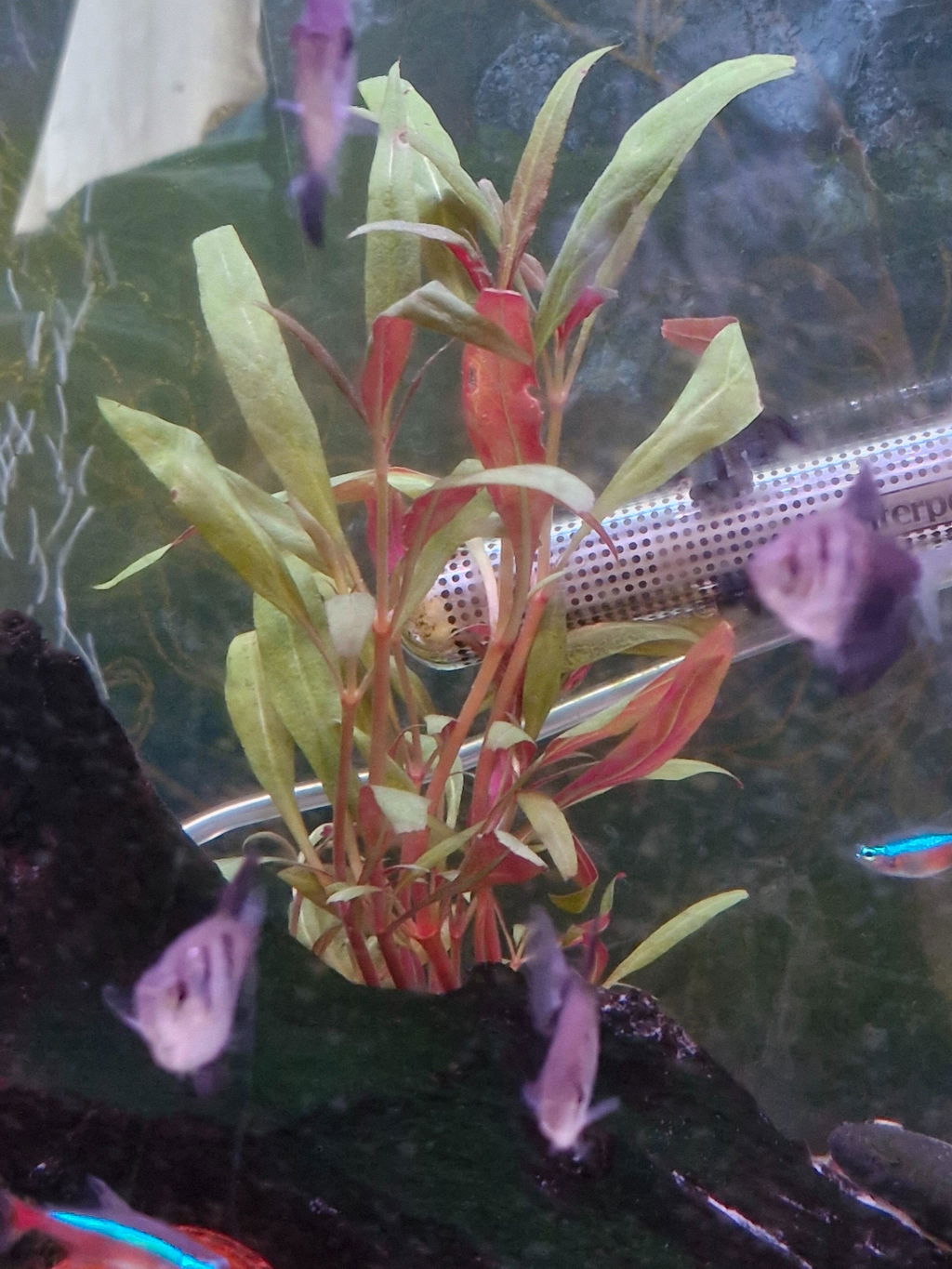
Hygrophila odora is an attractive and relatively compact Hygrophila species producing pairs of oval to lance-shaped leaves in fresh green on upright stems. A little less commonly seen than some standard Hygrophila varieties, it has a neat, well-proportioned growth habit and pleasant appearance that makes it a practical and visually appealing background plant for both beginner and more experienced planted aquariums.

Like most Hygrophila it is an easy and tolerant plant growing without CO2 under medium light and adapting well to a broad range of water conditions. Fast-growing and simple to trim, it fills background positions reliably. Cuttings root within a few days of replanting, making propagation easy and productive.

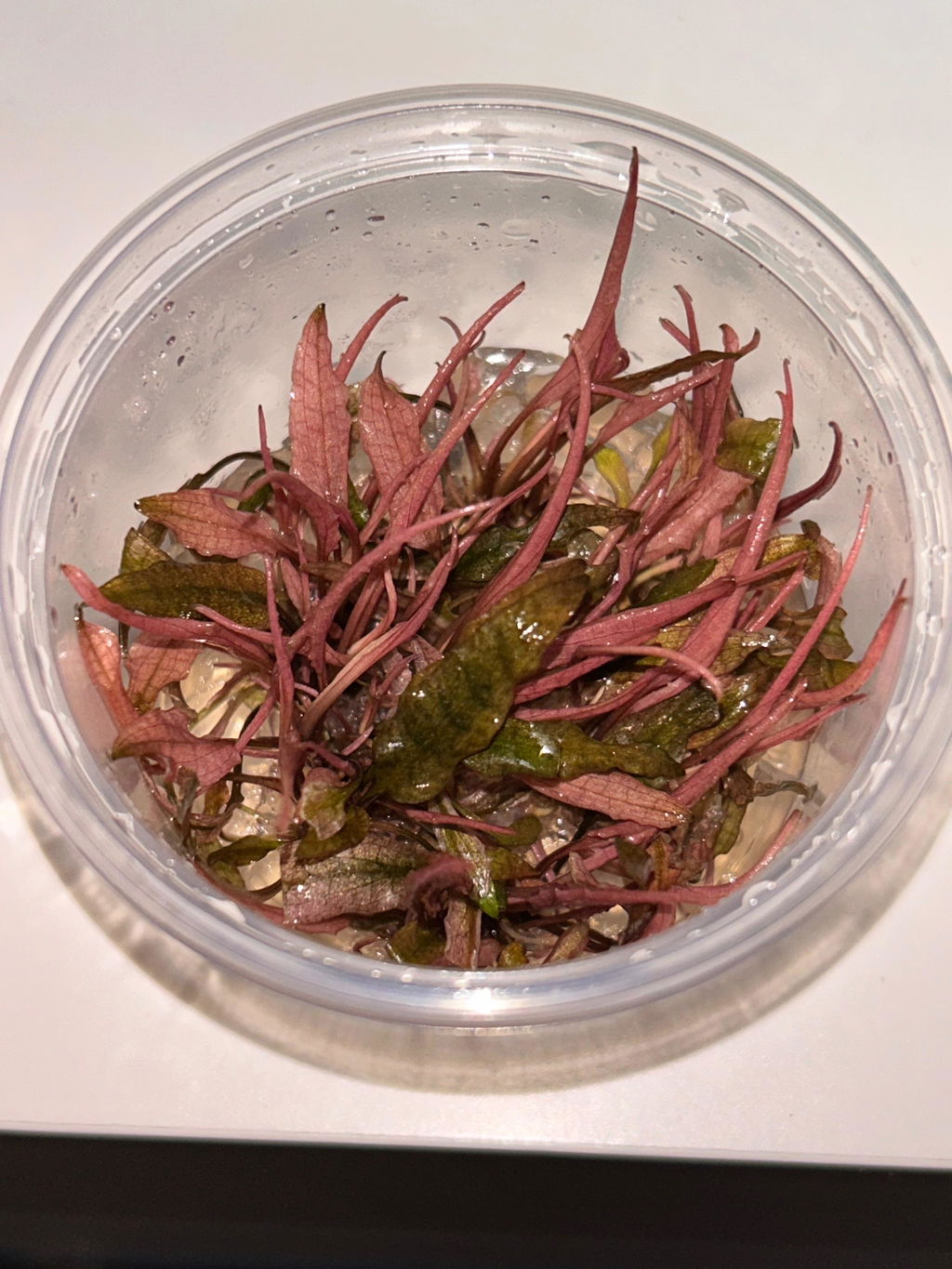
Supplied as a Tropica 1-2-GROW! tissue culture cup, this plant arrives completely free from snails, pest algae, and pesticide residue. Rinse the gel, separate stems and plant into the substrate. Suits aquariums from 30 litres upward — an easy, dependable background stem plant that is fully shrimp safe and practical for low-tech planted aquariums.

Plant Sizes

The image of the plant you'll be receiving is just an example of what you can expect. Each plant is unique and may vary in size and shape, so it won't be an exact match to the photo. If we provide a size guide, keep in mind that it's just an estimate and that plants can vary in size depending on the time of year.

WHAT TO EXPECT

Tissue cultured plants are supplied young and grown in a sterile environment, so they arrive free from snails, algae and pesticide residue. They may look smaller on arrival, but each cup contains multiple plantlets designed to be divided and planted out, where they establish quickly with minimal melt and grow into place.

Tropica Hygrophila odora 1-2-GROW
Tropica Hygrophila odora 1-2-GROW Tropica
Tropica Hygrophila odora 1-2-GROW

Product Details

1. Grown in a laboratory

Tissue Cultured Plants are unique in so much as they are grown in a laboratory and not a greenhouse. As a result of this, a cast iron guarantee is offered which is 100% so snails and no pesticides.

2. How to handle them

They're a bit different from potted plants because they're grown in an agae solution that contains nutrients and hormones to encrougage plants to grow. Some agar is liquid, others are more solid depending on what the growers prefers. Regardless once they arrive with you, acclimatise to room temperature and then rinse under luke warm tap water. Then plant up.

3. Pot sizes

Nearly all TC pots are 5cm in diameter and the pots will range in fullness depending on many factors such as the natural growth speed of the plant and the time the grower has held them for. Sometimes the pots are exceptionally full and sometimes not so full - something we cannot control. But either way, they're still really good value when you look at the overall plant mass.

Product FAQs

Helpful details before you buy.

Is Hygrophila odora easy to keep?

Yes. Like most Hygrophila it is easy and tolerant, growing without CO2 in medium light across a wide range of water conditions. Suitable for beginners.

Does it need CO2?

No. It grows reliably without CO2 in medium light and is suitable for low-tech planted aquariums and community tanks.

How do I propagate it?

Trim stems and replant the cuttings. They root within a few days and grow on vigorously. A simple and productive propagation exercise.

Is it safe for shrimp tanks?

Yes. As a Tropica 1-2-GROW! tissue culture plant it arrives free from snails, algae, and pesticide residue.

How does it differ from Hygrophila polysperma?

Hygrophila odora has a somewhat different leaf form and growth habit. It is a less commonly seen species than polysperma but shares a similar easy, tolerant character in the aquarium.