Skip to product information
1 of 7

Hygrophila pinnatifida

Deeply lobed pinnate leaves on a unique semi-epiphytic Hygrophila stem plant

Regular price
£7.99
Regular price
Sale price
£7.99
  • Hurry, only 9 items left in stock!
Quick Facts

Rating:

Common name:

Origin: Asia

Position in Aquarium: Background

Grows up to (cm): 60 cm

Pot Size: 5 cm

Growth rate: Medium pace

Description

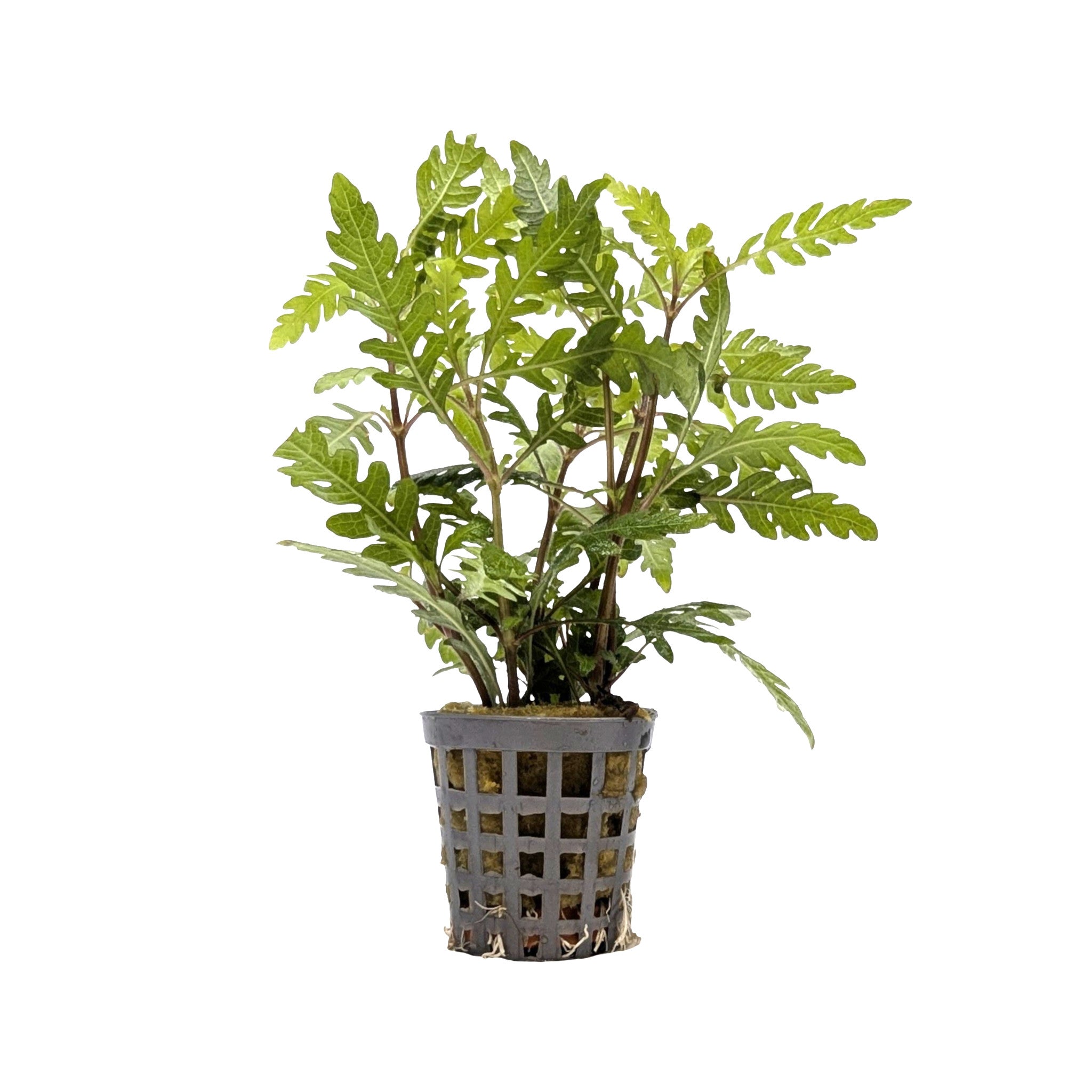
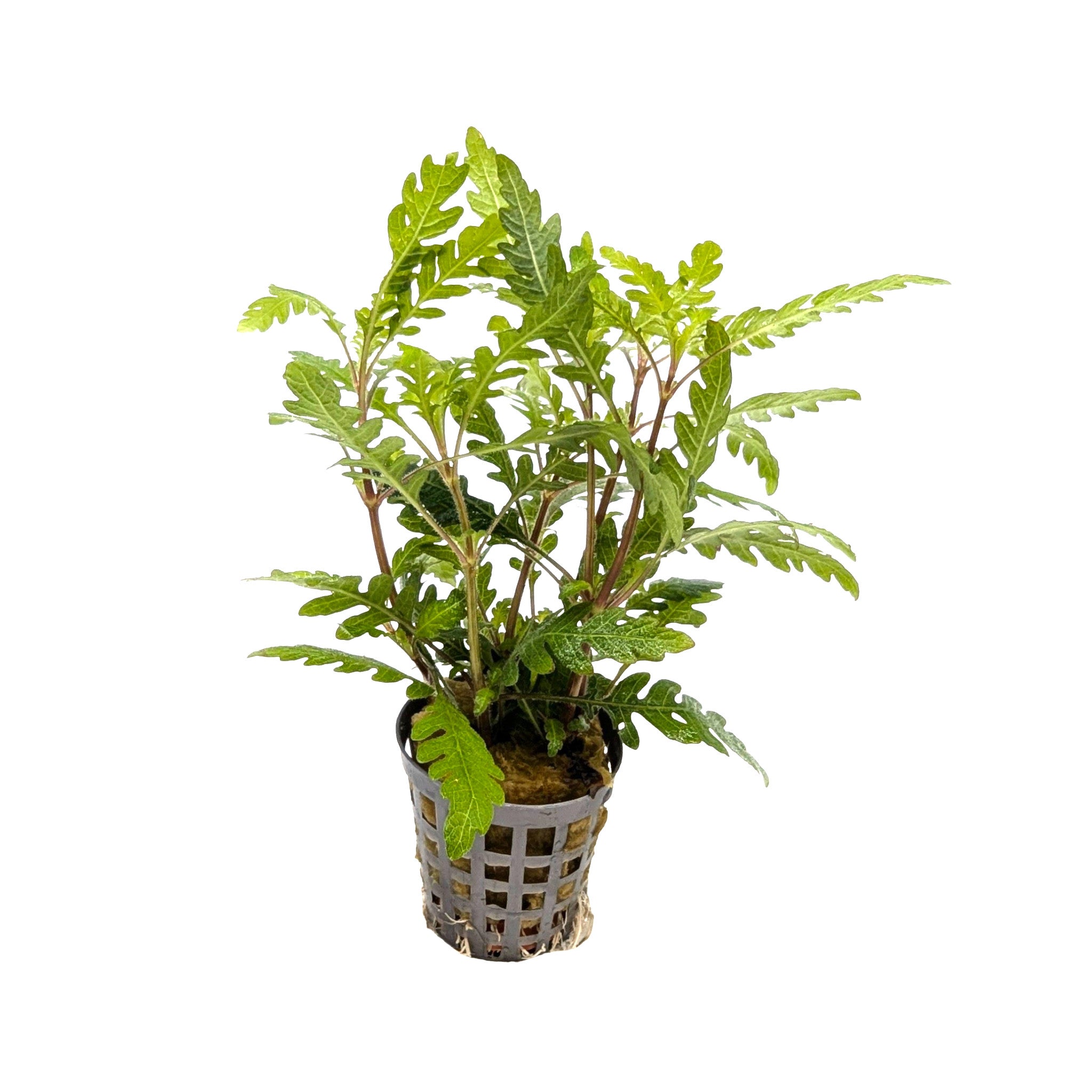
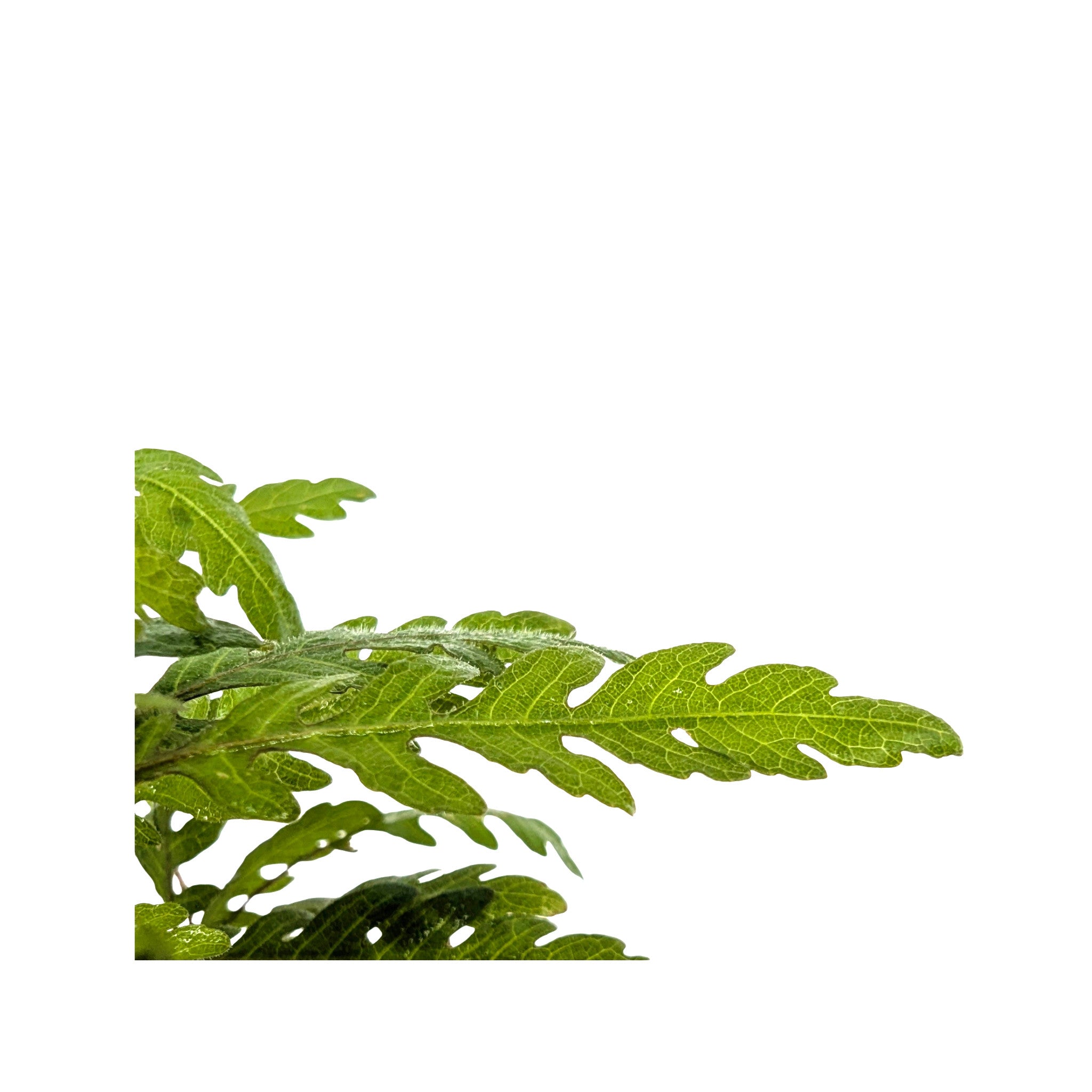
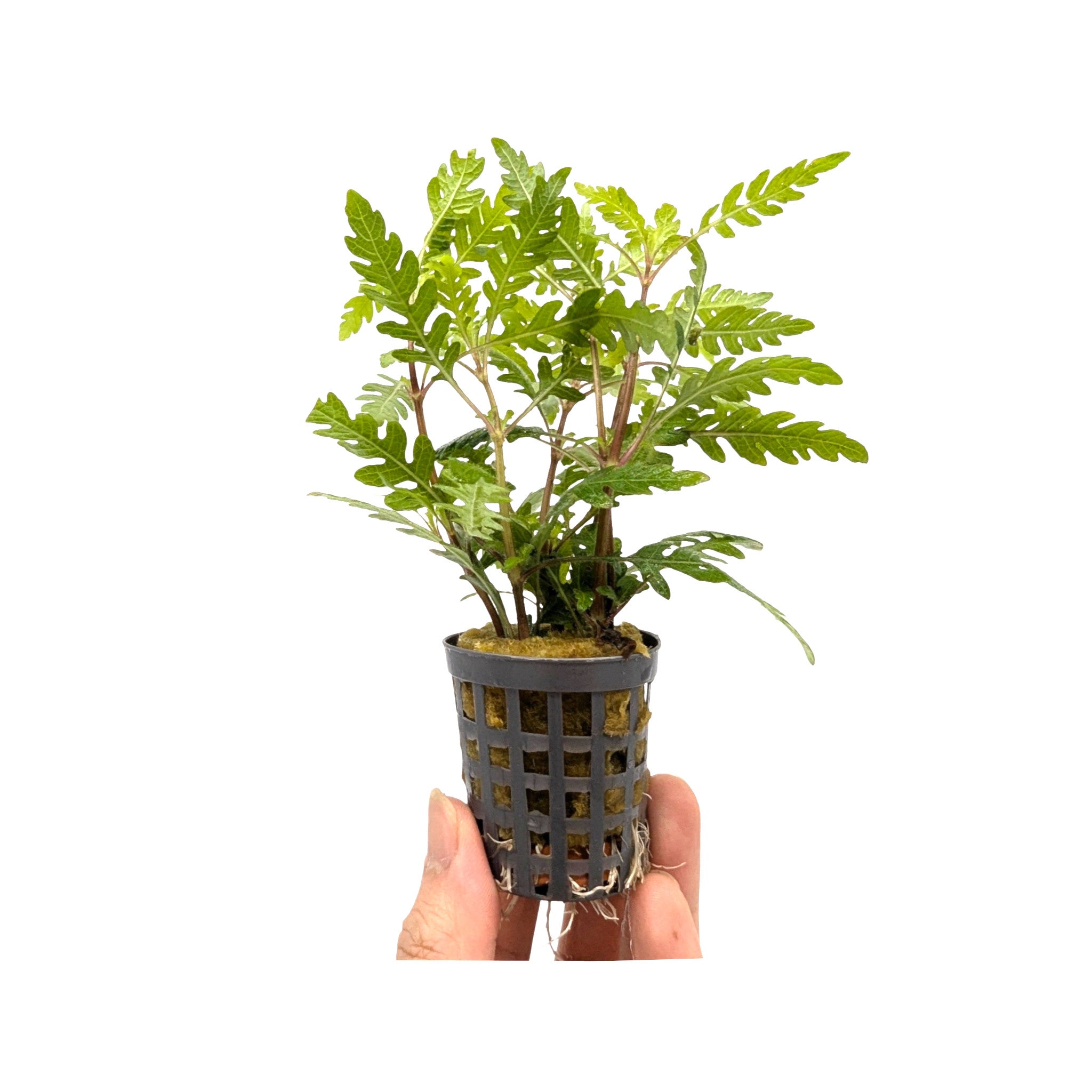
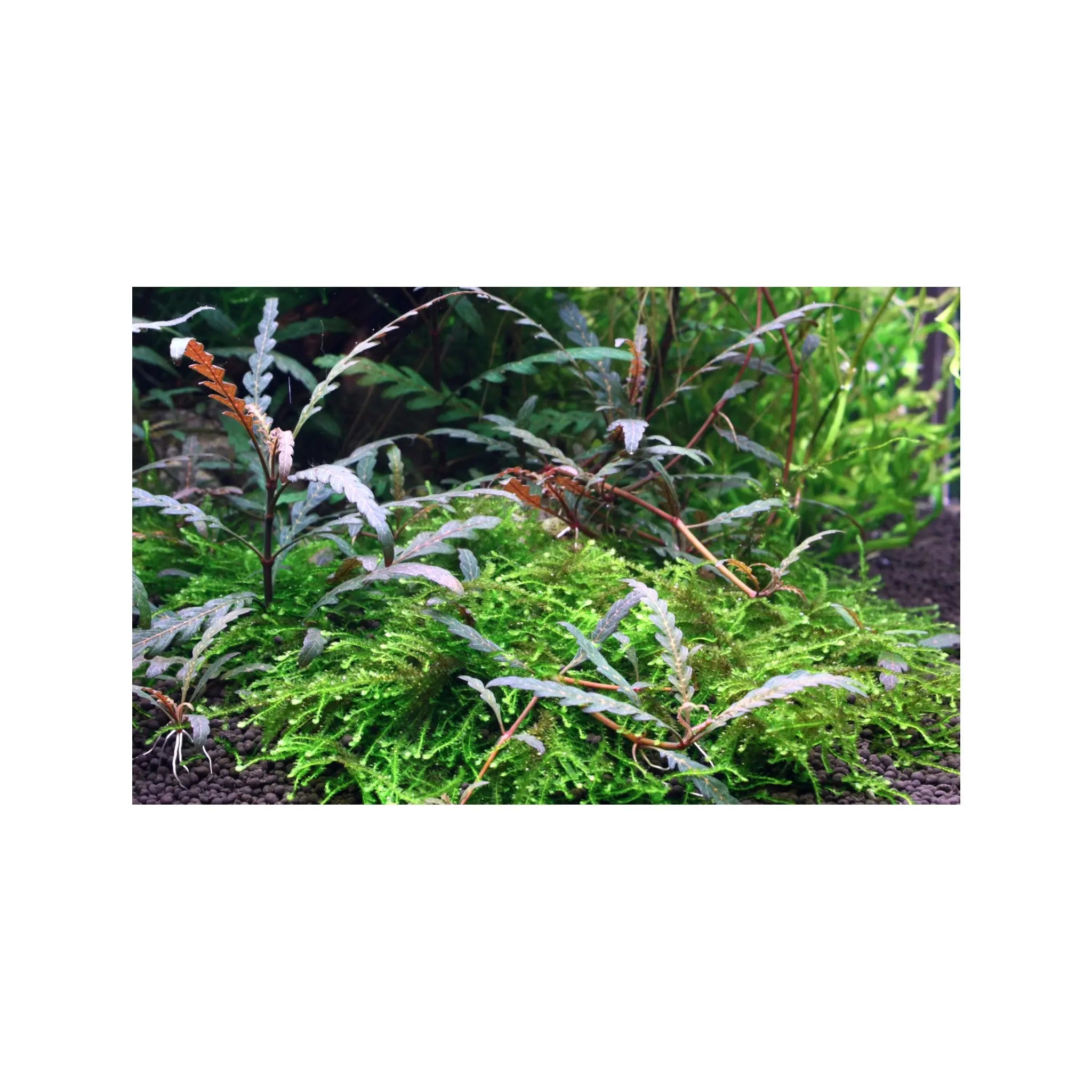
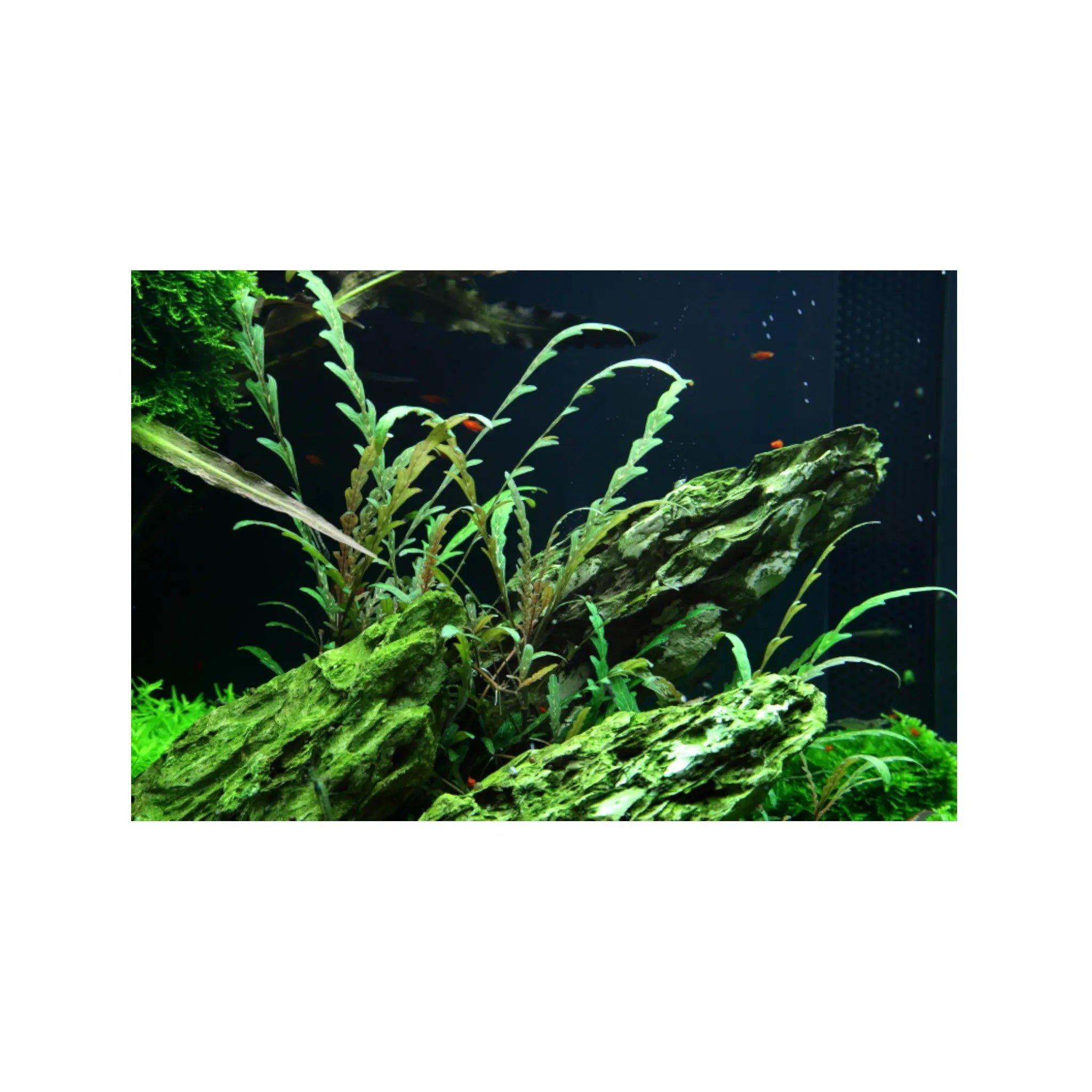
Hygrophila pinnatifida is a uniquely structured stem plant from India with deeply lobed, pinnate leaves that give it an almost fern-like appearance quite unlike any other Hygrophila. It grows in an unusual semi-epiphytic manner, capable of being planted in substrate or attached to wood and rock — with new shoots sprouting from the underside of leaves and along the stem over time.

It benefits from medium light and CO2 supplementation, which produce the most vivid colouration and compact growth. The undersides of the leaves often display warm reddish-brown tones that contrast with the green upper surface, adding depth to the plant's already unusual appearance. Without CO2 it grows more slowly but remains viable in well-lit set-ups.

Supplied as an established potted plant, Hygrophila pinnatifida suits aquariums from 60 litres upward. Used in the midground — planted in substrate or secured to hardscape — it brings a distinctive textural and structural element to planted layouts that few other plants can replicate.

Plant Sizes

You’ll receive a healthy, rooted plant in a pot, similar to those shown. Each one is hand-checked before dispatch.

Shipping

Same-day dispatch on orders placed before 4pm, Monday to Friday. Tracked 24 Service from £4.99, DPD Express from £6.99.

Hygrophila pinnatifida
Hygrophila pinnatifida Aquafleur

Product FAQs

Helpful details before you buy.

Can Hygrophila pinnatifida be attached to wood or rock?

Yes. One of its most distinctive traits is that it can be tied or glued to wood or rock and will gradually attach itself, developing new shoots from along the stem and underside of leaves.

Does it need CO2?

CO2 is recommended for the best growth and most vivid colouration. Without it the plant can still survive in a well-lit aquarium but grows more slowly.

What makes its leaves unusual?

The leaves are deeply lobed and pinnate, almost fern-like, and display green upper surfaces with warm reddish-brown undersides. New shoots sprout from the underside of leaves.

Is it easy to care for?

It is a step above the easiest Hygrophila but not overly demanding. Medium light and ideally CO2 are the main requirements for healthy, well-structured growth.

Where should I place it in the aquarium?

The midground is most common, either planted in substrate or attached to hardscape. Its unusual form creates a strong focal point when positioned where it can be seen clearly.