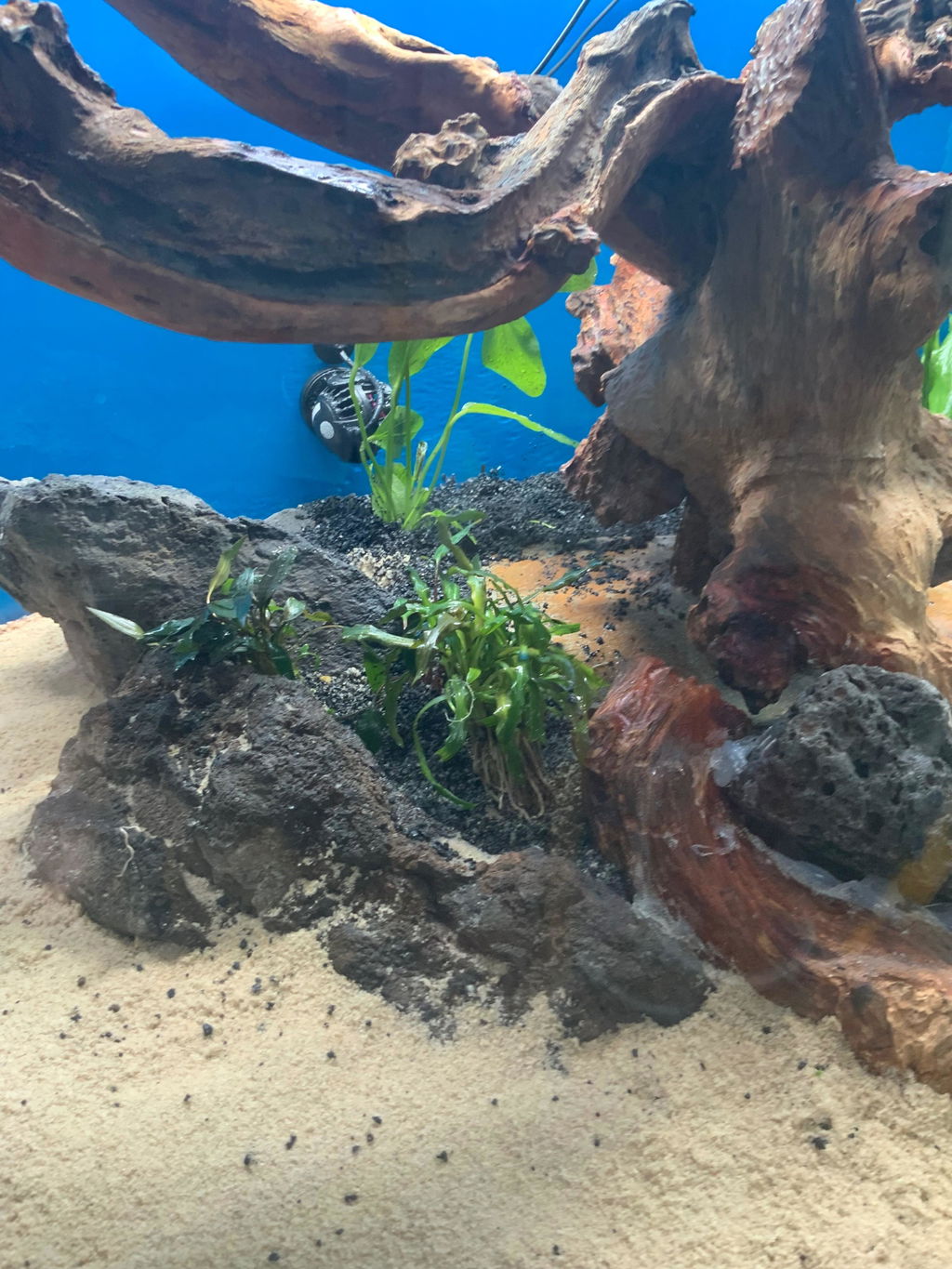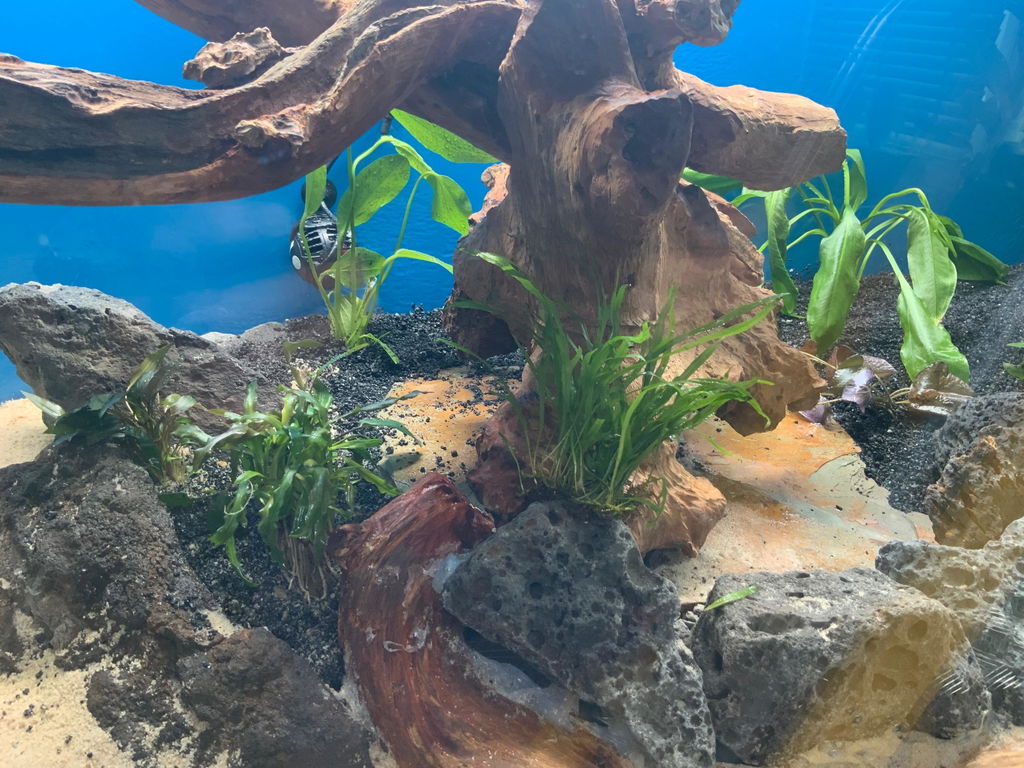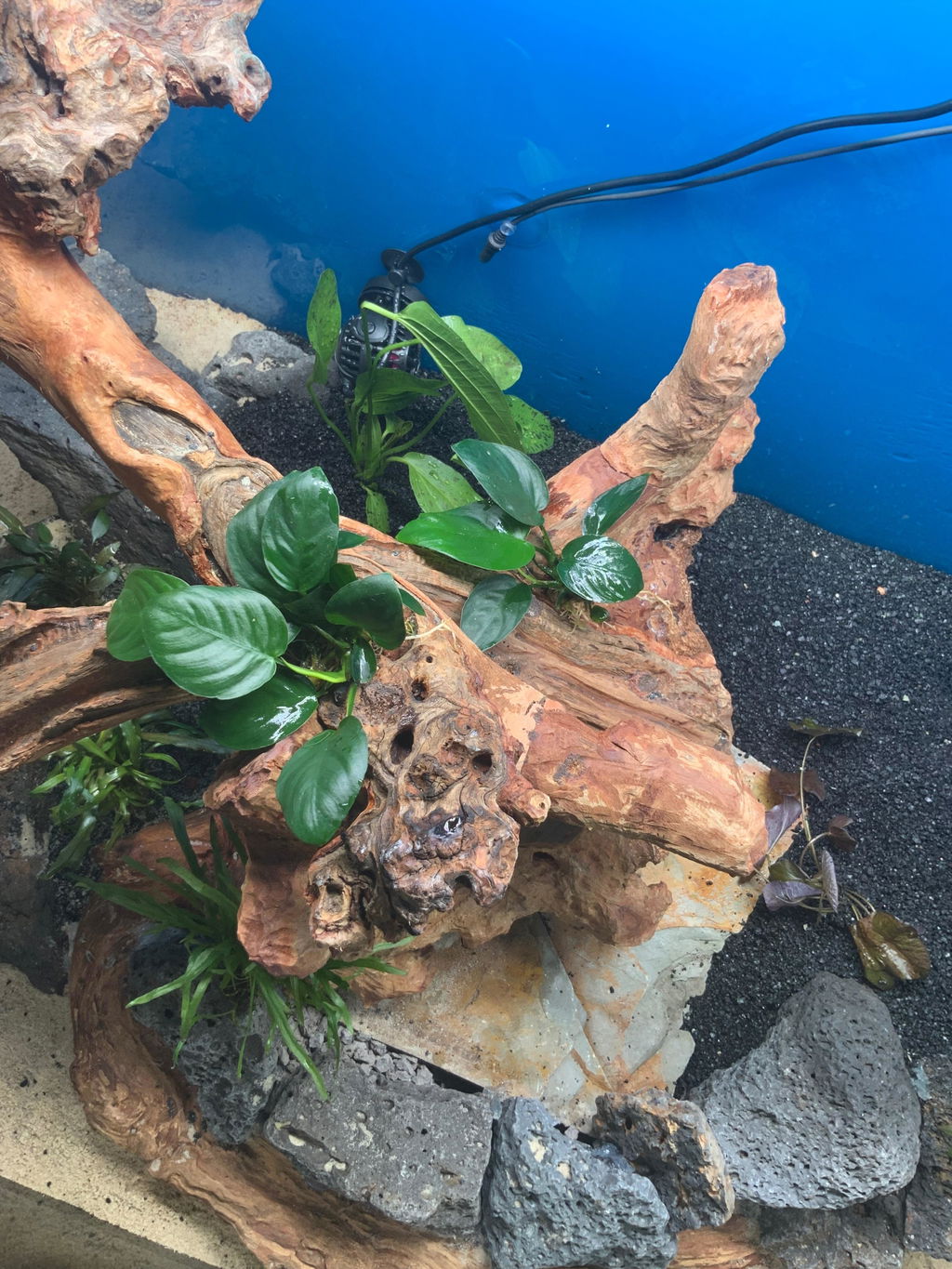



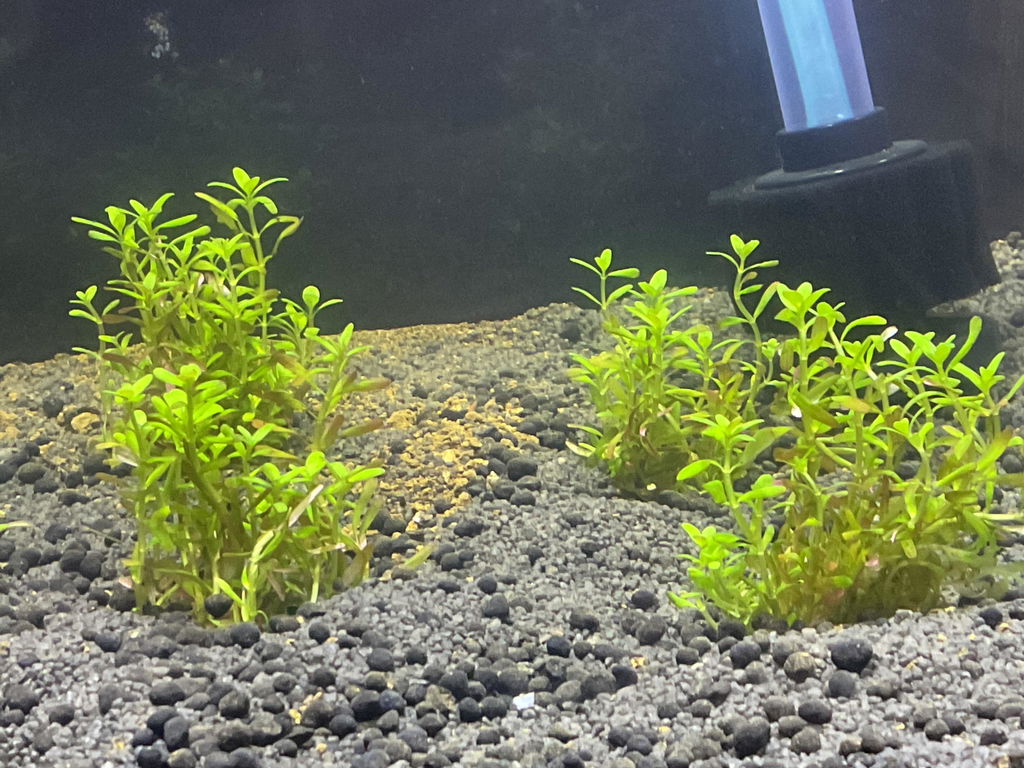
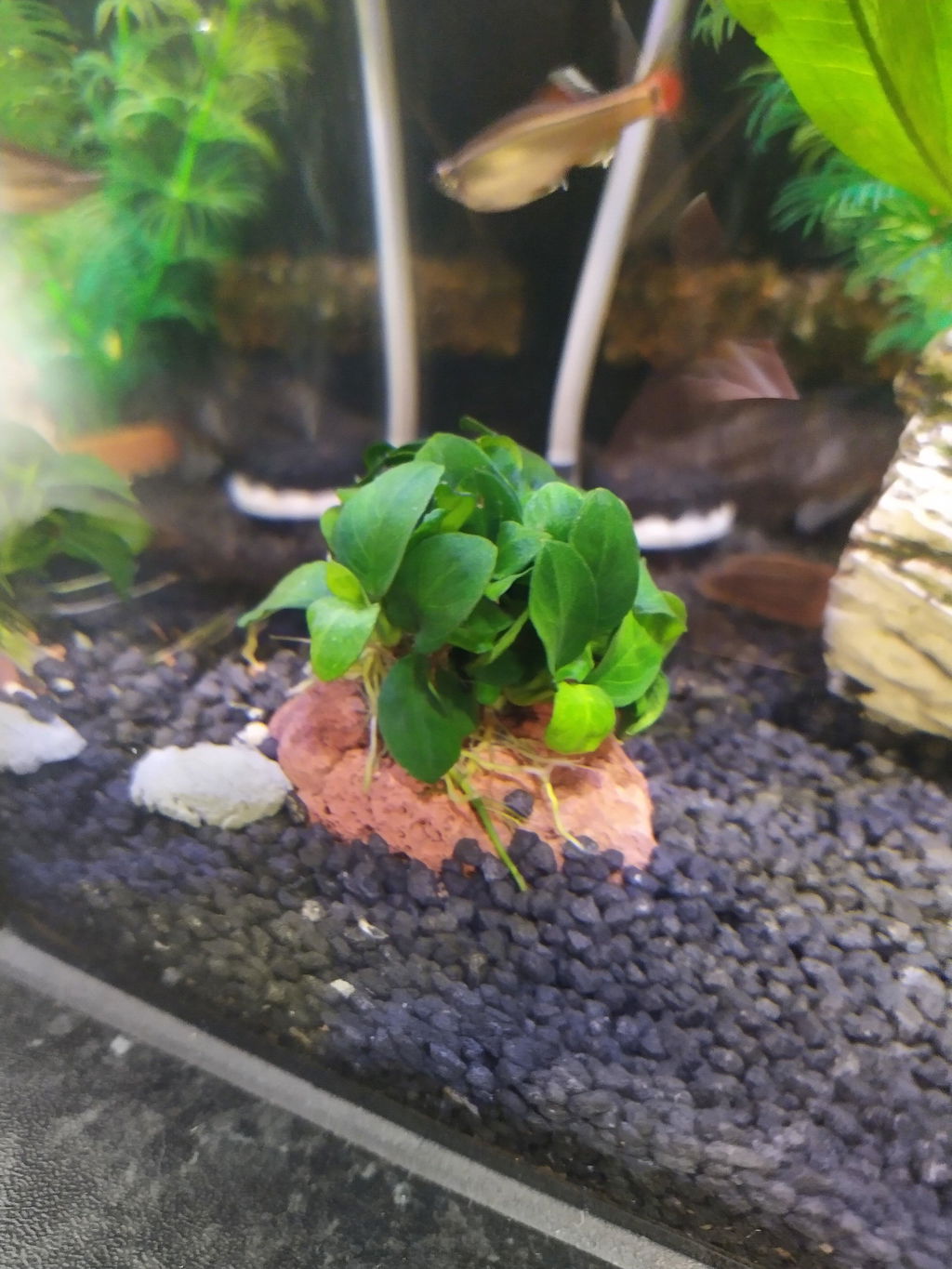
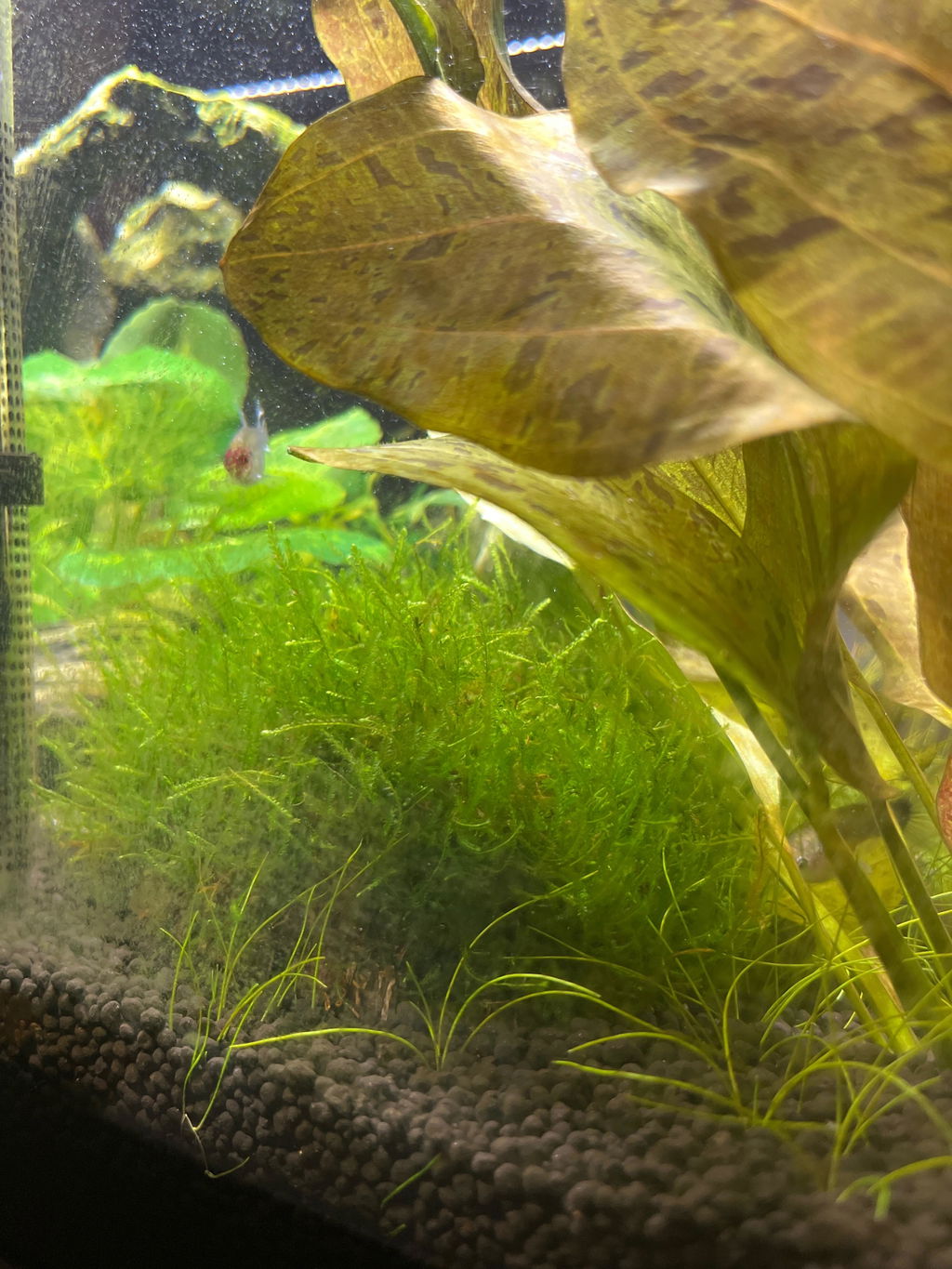
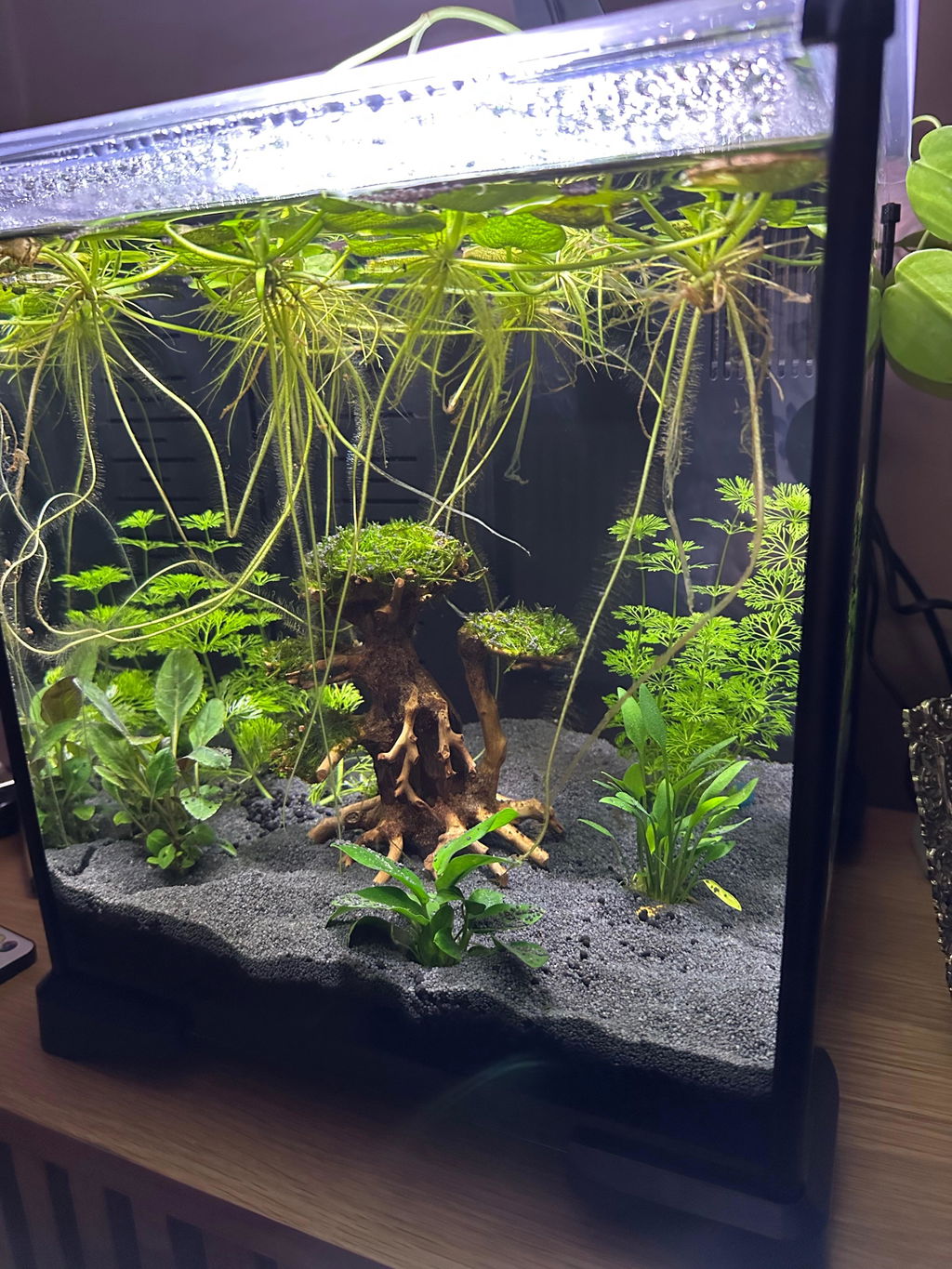
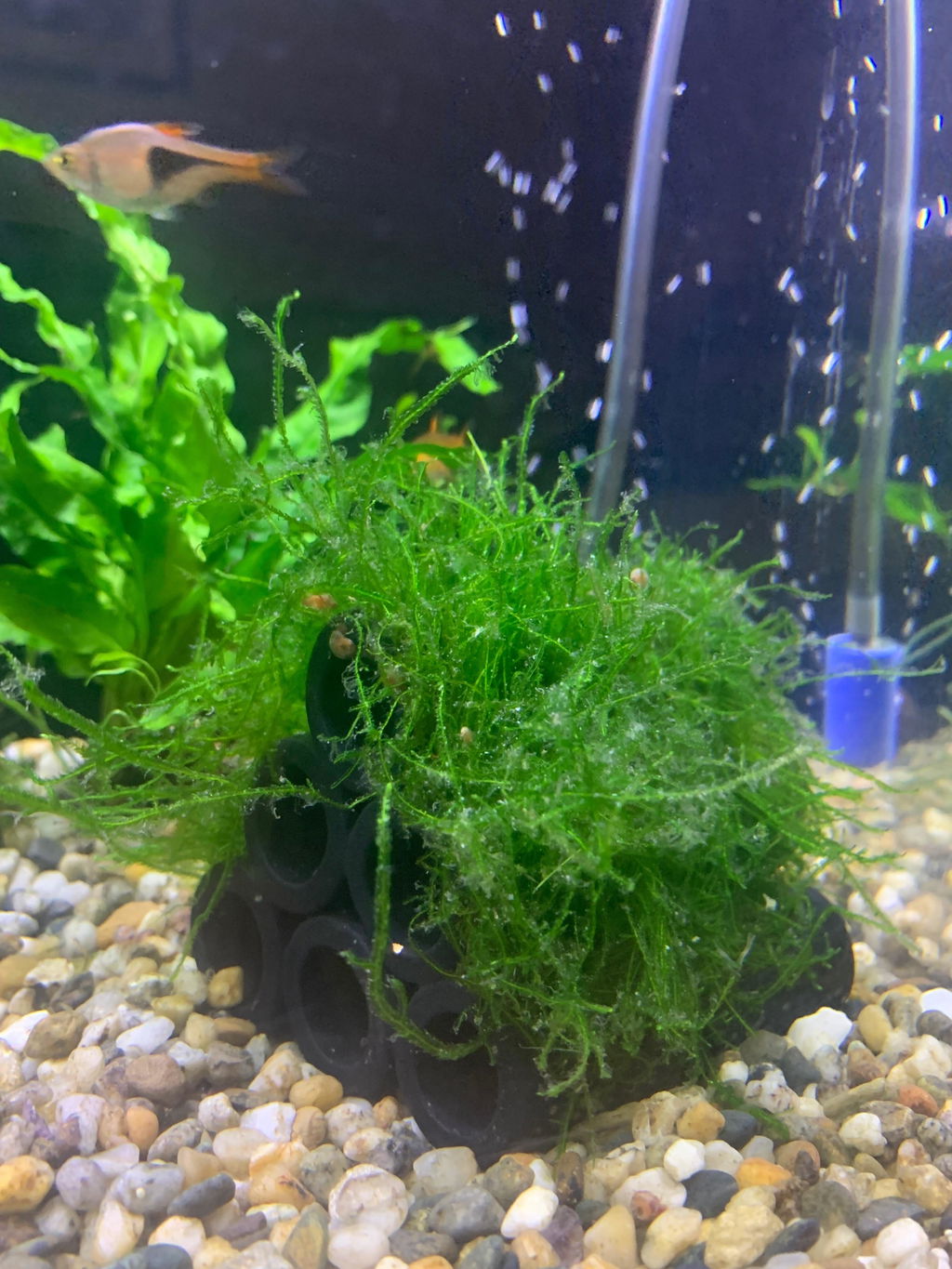
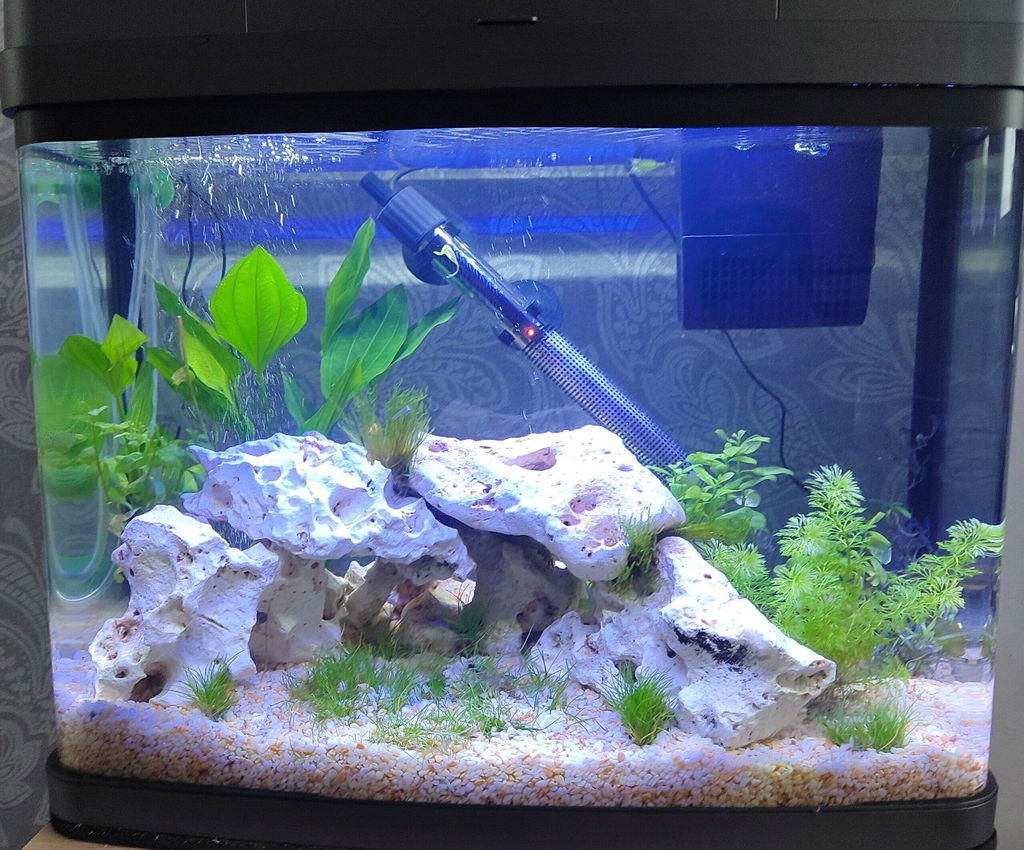
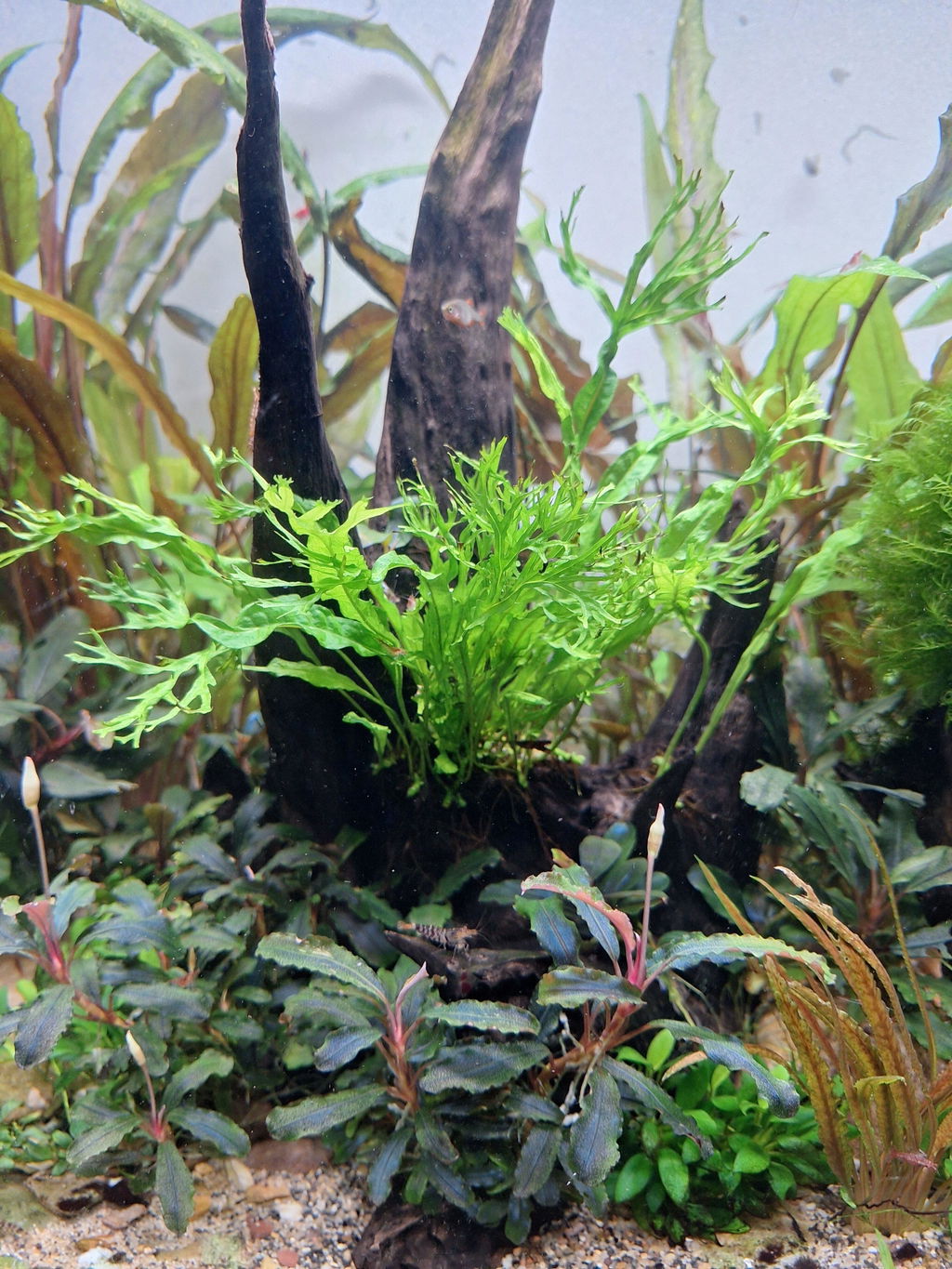
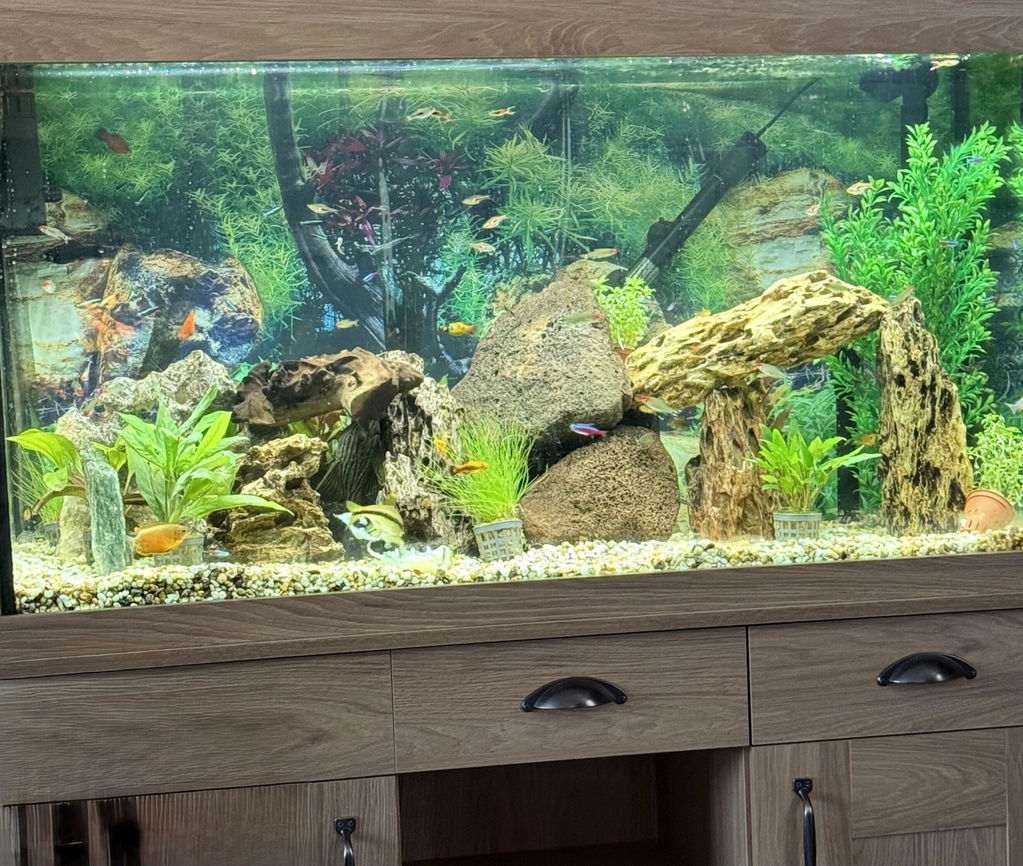
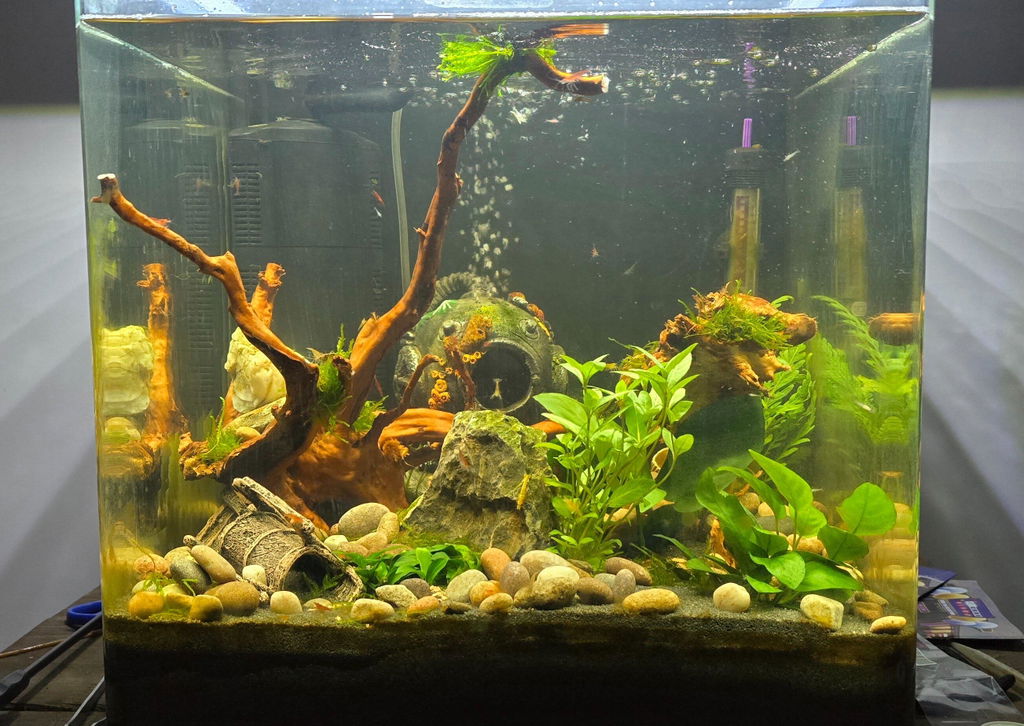
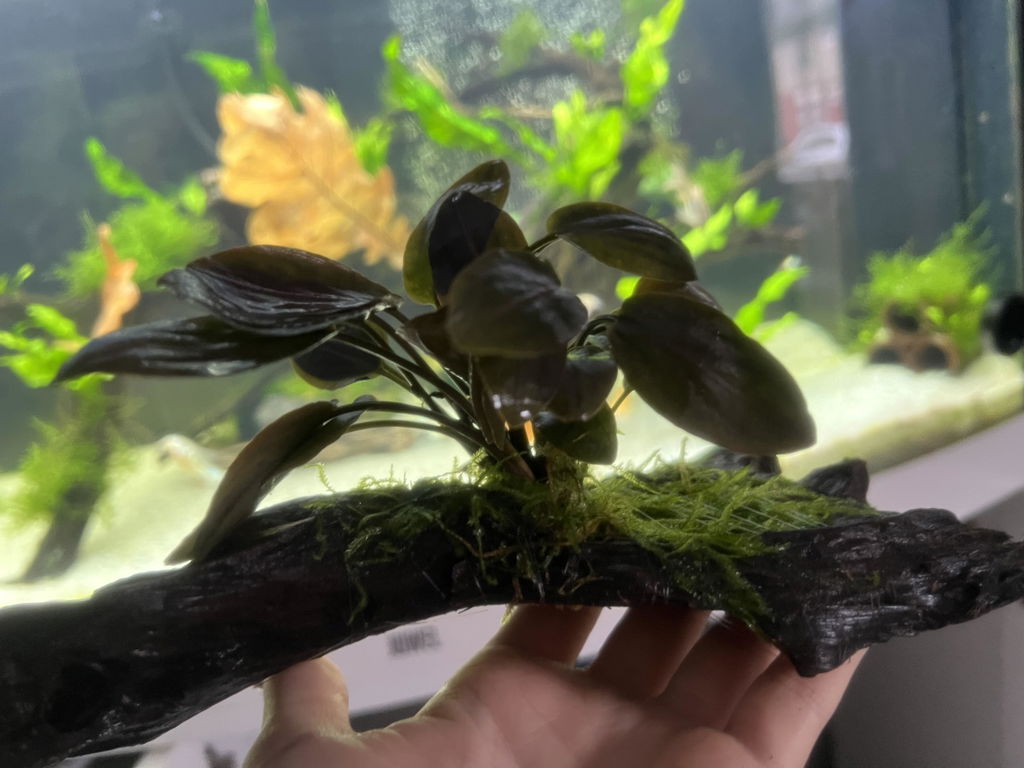
Good shop aqua essentials. Good quality plants, healthy and plenty of choice . Well packed, quick postage. Would recommend
I've been getting my plants from Aqua essentials, for a while now, and they all come well packed and quickly. They have been good quality and do well growing in my aquarium. The prices are fair too. Would recommend
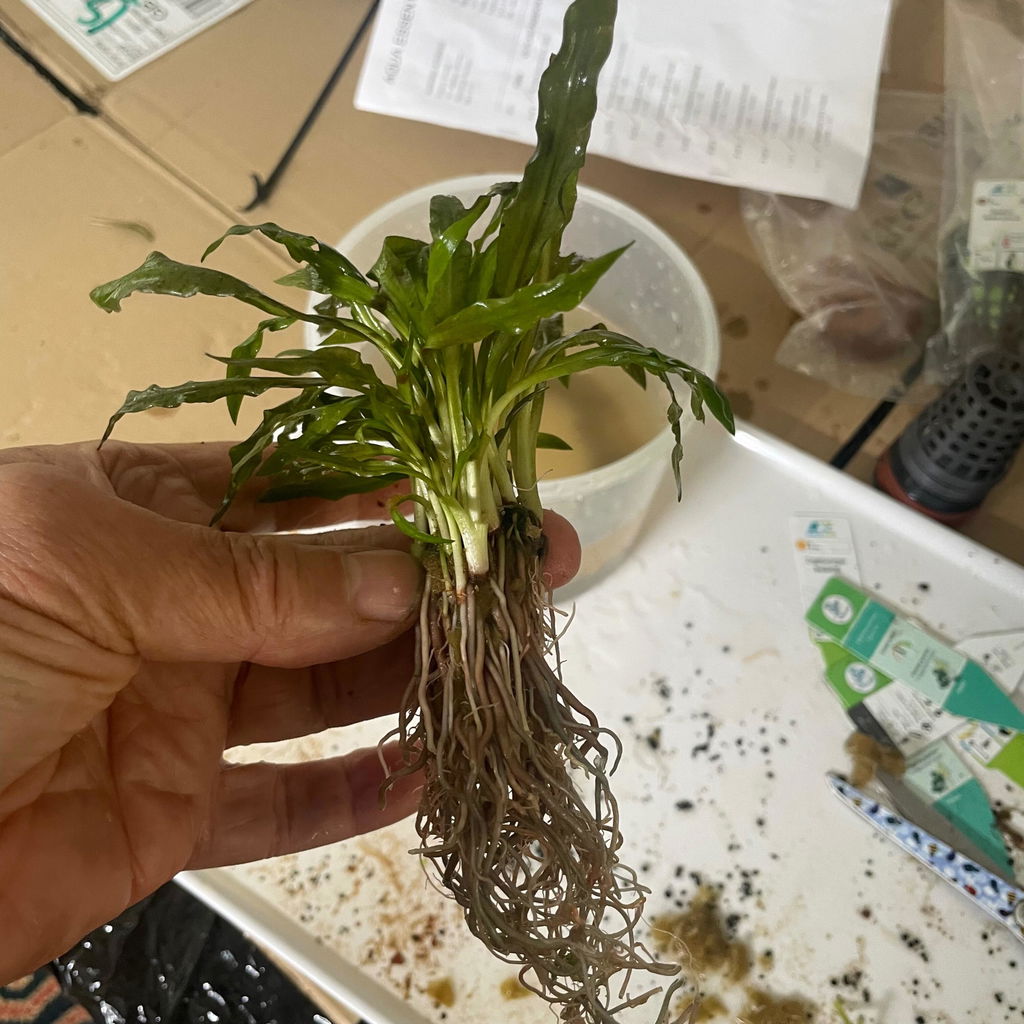
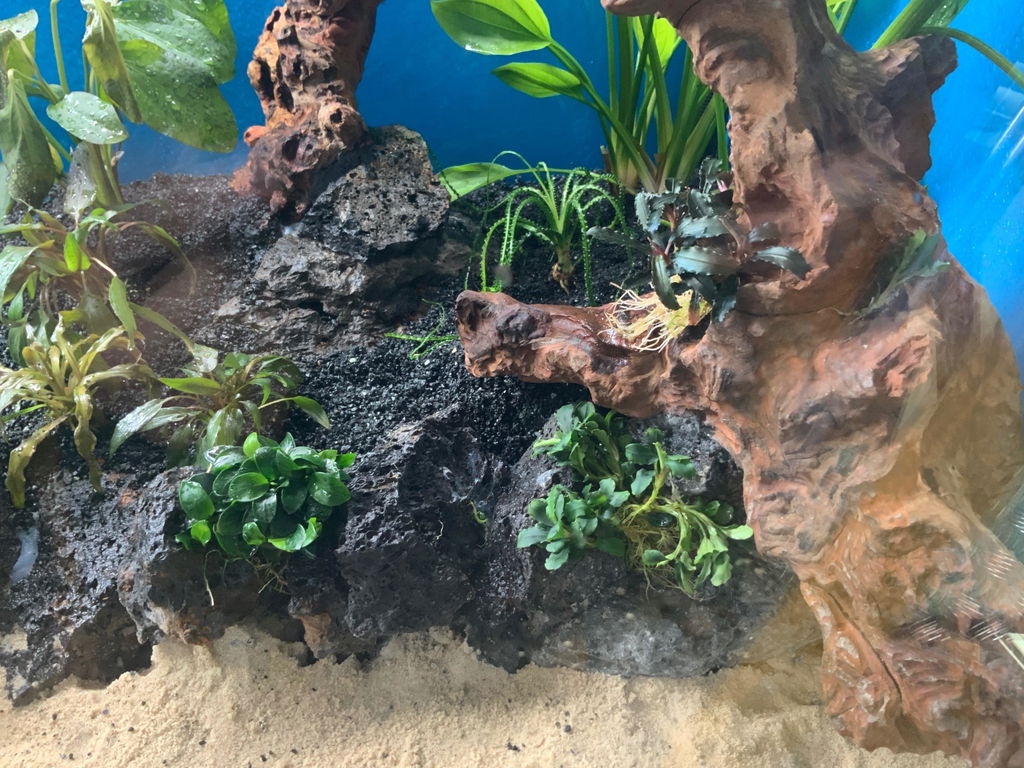
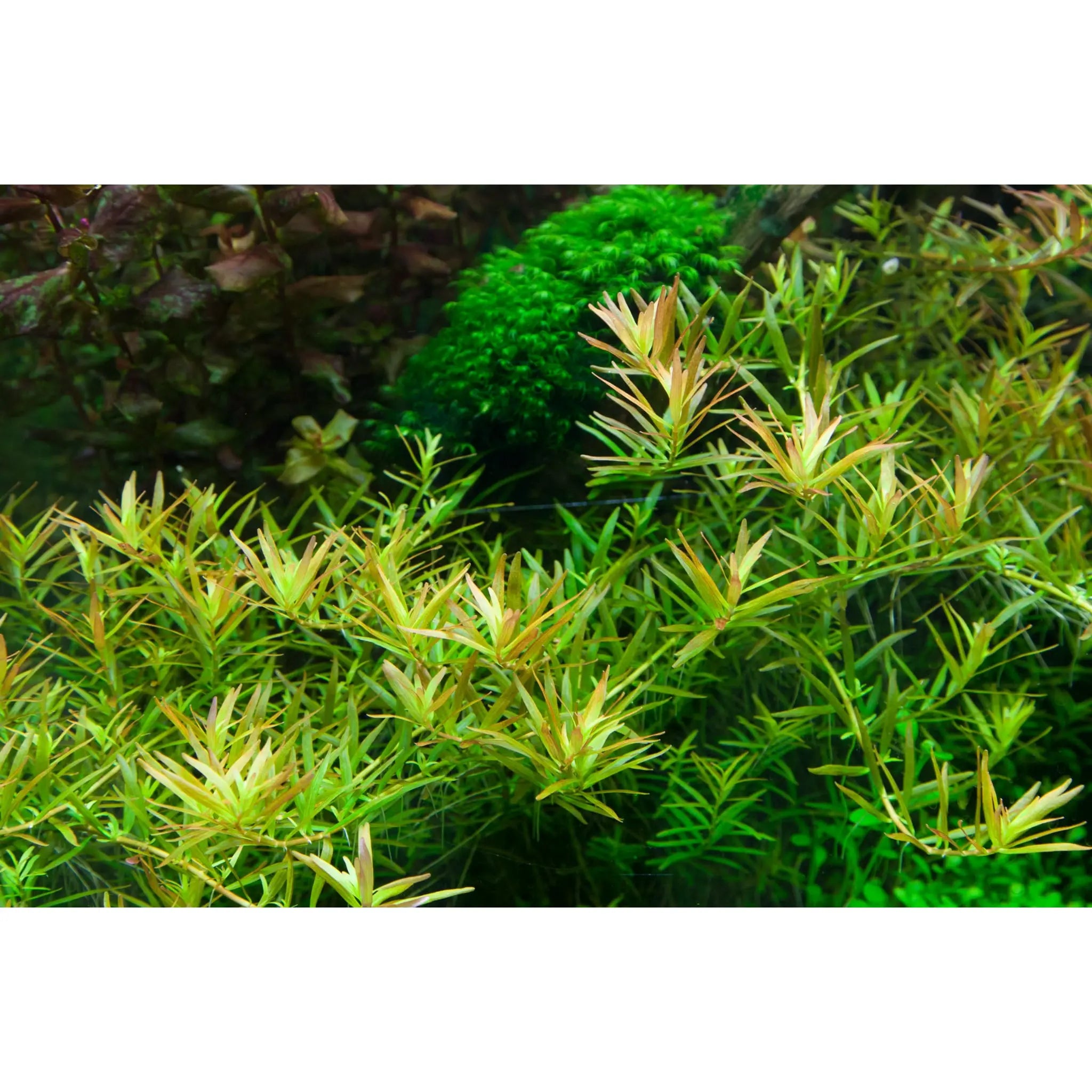
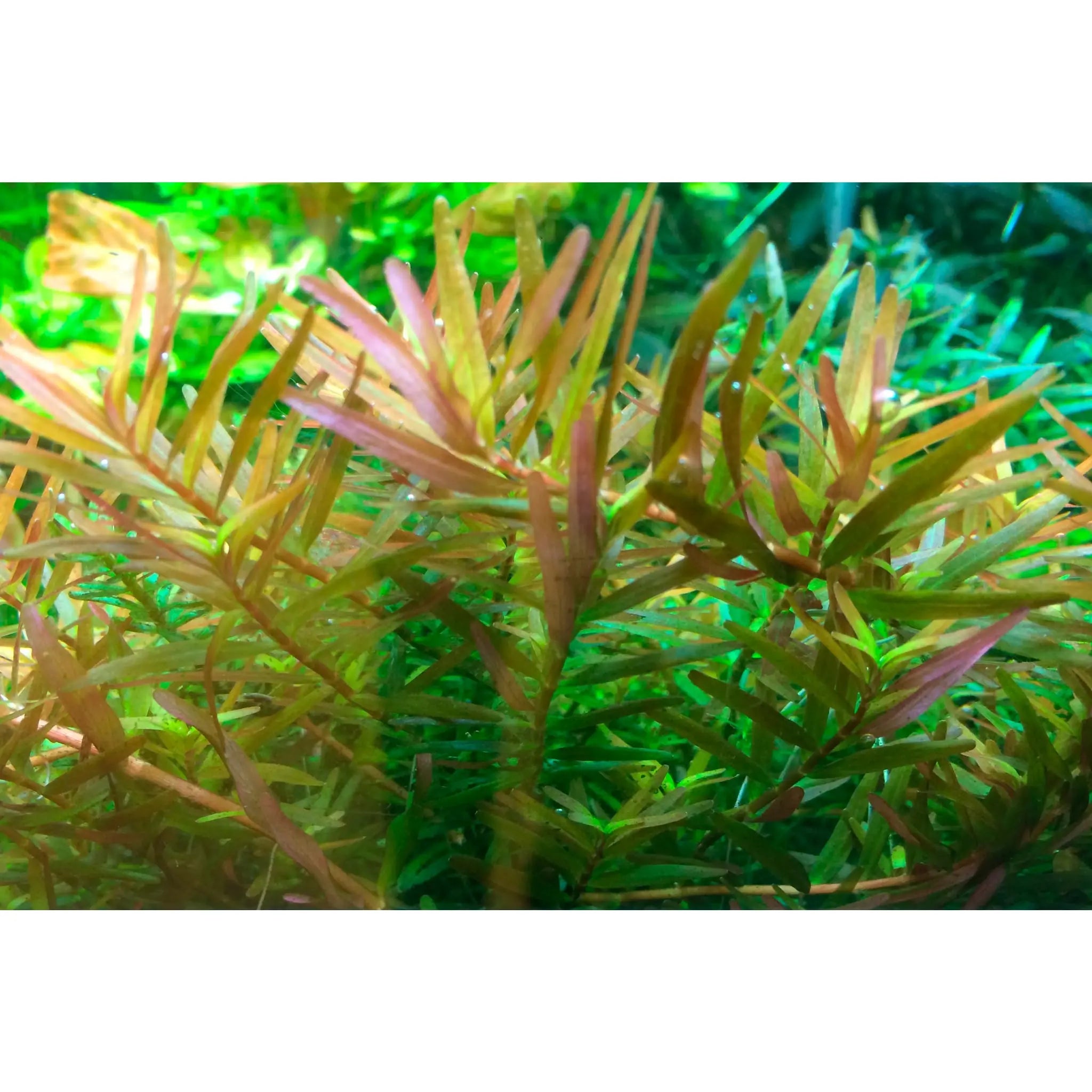
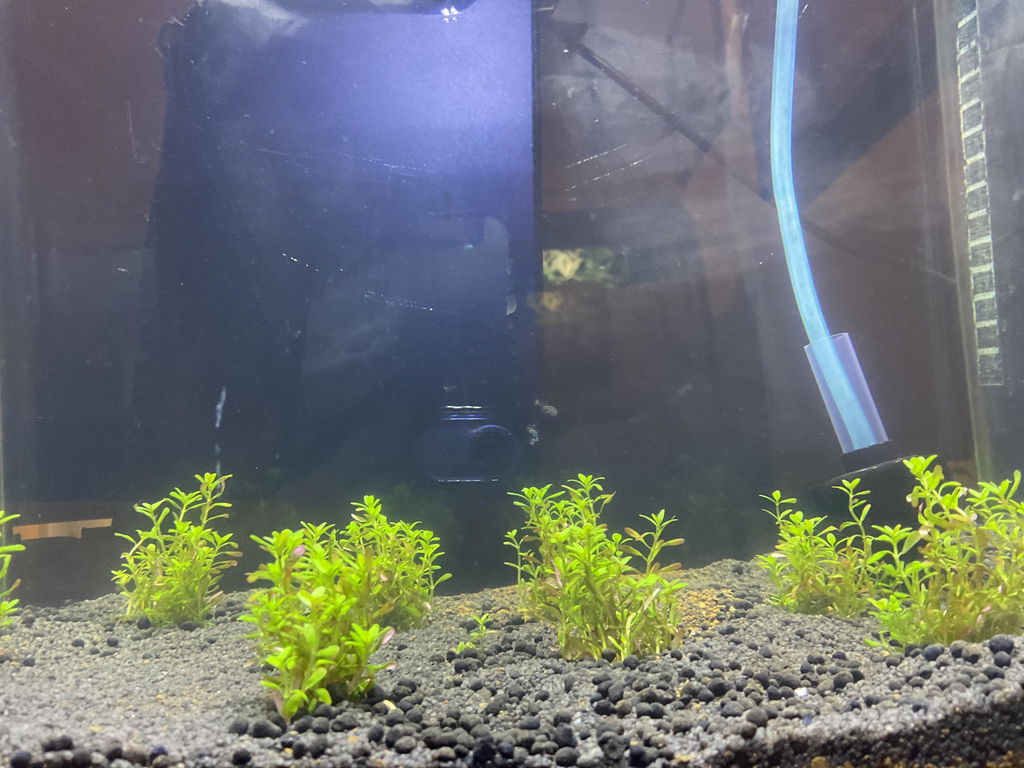
was very impressed with the plants this time even though I had 4 of the same plant. they're in the best condition yet and it's been rapid delivery. normally All of the not so perfect plsnts don't survive but as long as i get half im happy. but 5hese this time were phenomenal condition and I will add the arrival confirmation planted condition and also a week or two from now.
Easy purchasing and check out with various payment methods accepted. Web easy to access with a good search engine.
This was my first order from **Aqua Essentials**, and overall it was an excellent experience.
It was particularly good to find that they stocked all but three items on my fairly extensive plant list, and those three were easily substituted. That made a refreshing change from the frustration I had been having elsewhere with plants constantly showing as out of stock or unavailable.
I also liked the fact that, although Aqua Essentials clearly caters very well for the aquascaping side of the hobby, the range doesn’t feel heavily weighted towards aquascapers alone. There seemed to be plenty available for aquarists with all sorts of planted aquarium requirements.
Ordering was straightforward and the website was easy to navigate. My only small suggestion would be the addition of a simple **print-your-order facility**, which I would have found useful with a larger order.
Delivery was excellent. I placed the order on Friday evening, so naturally it wasn’t processed until Monday, but it was dispatched promptly and arrived before 9am on Tuesday.
Everything was extremely well packaged and clearly packed with care — so thank you, Chris.
The condition of the plants was impressive throughout. The Cryptocorynes in particular had fantastic, strong root systems, although in truth that quality and substance was evident across almost the entire order. The one XL plant I ordered actually turned out to contain **four substantial individual plants in the pot**, which was an unexpected bonus and excellent value.
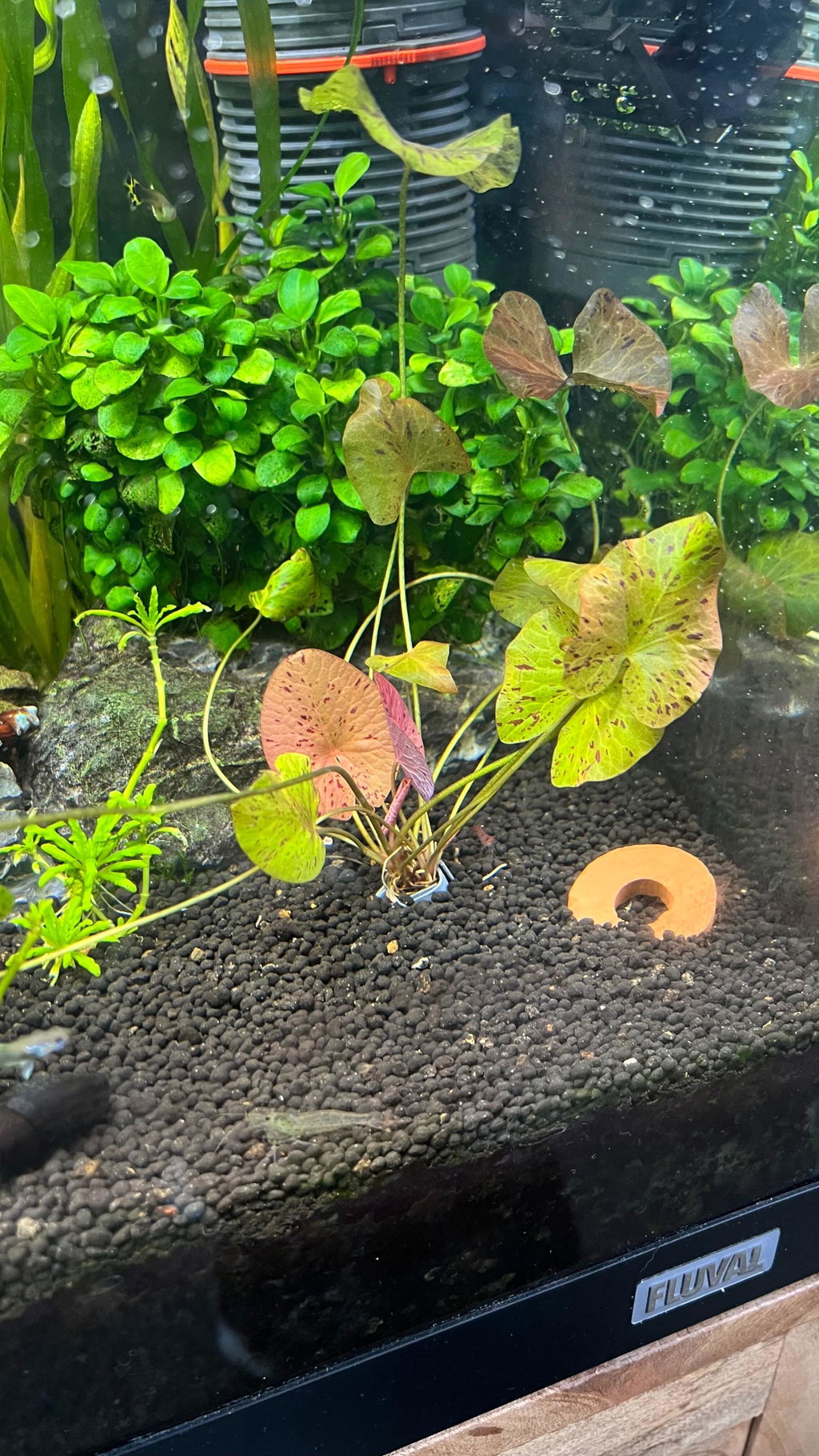
My only slight reservation is the Tiger Lily, which looked a little sorry for itself once removed from the rock wool — although in fairness the rock wool virtually fell away from it. It has now been planted, so we will see how it develops. This is my first time keeping this particular plant, so it may well be perfectly normal.
Overall, thank you to everyone at Aqua Essentials for making my first order such an easy and enjoyable experience. The plants are now in place, and all that remains is to sit back and watch my **850-litre aquarium** hopefully come alive over the coming months. 😀