Skip to product information
1 of 4

Anubias Nangi In Vitro

Narrow lance-leaved Anubias nangi in tissue culture — pest and snail free

Aqua Essentials

Regular price
£6.99
Regular price
Sale price
£6.99

    Still choosing?

    This one is out of stock, but there are plenty of similar products to explore.

    Shop similar products
    Quick Facts

    Rating:

    Common name:

    Position in Aquarium:

    Growth rate:

    Grows up to:

    Pot size:

    Origin:

    Description

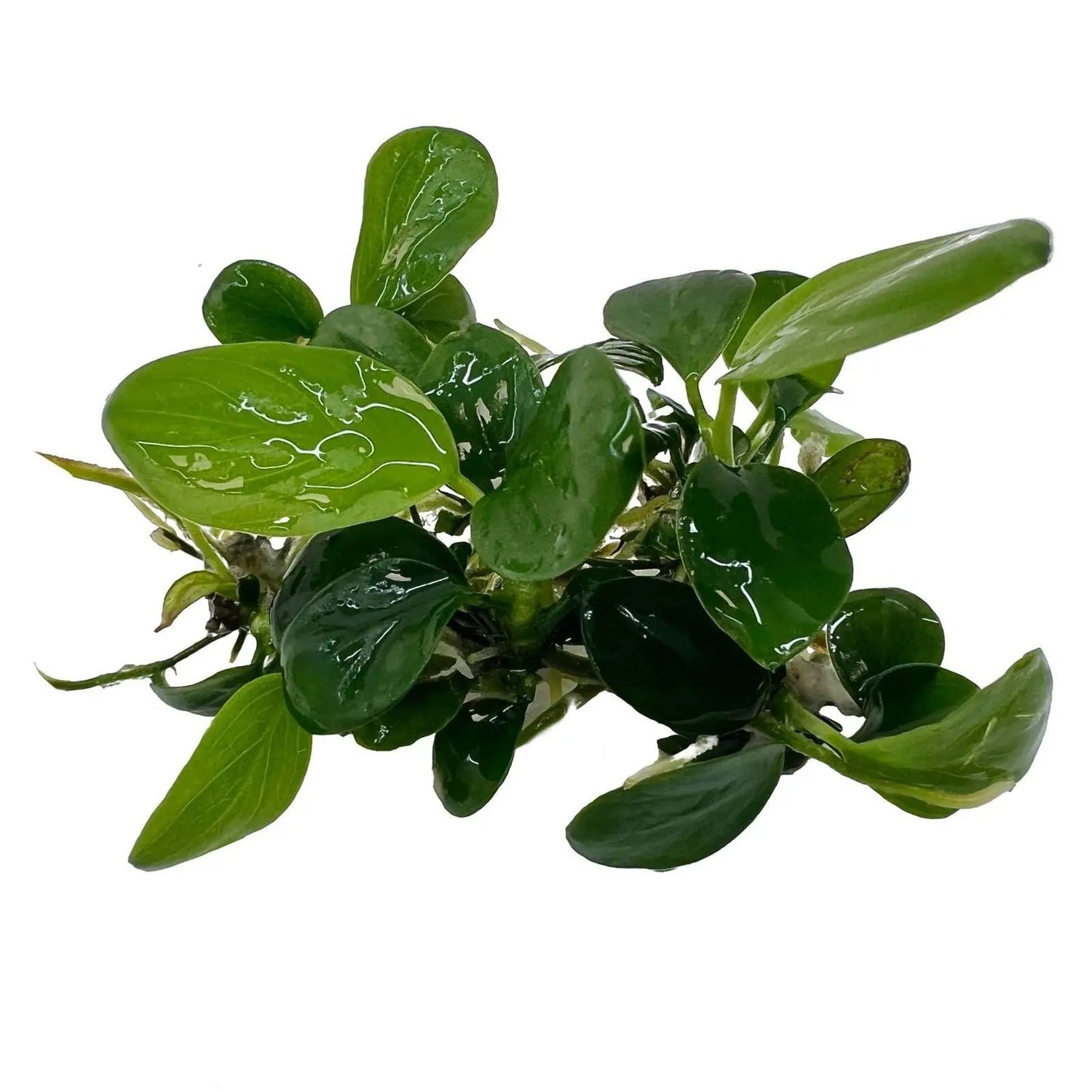
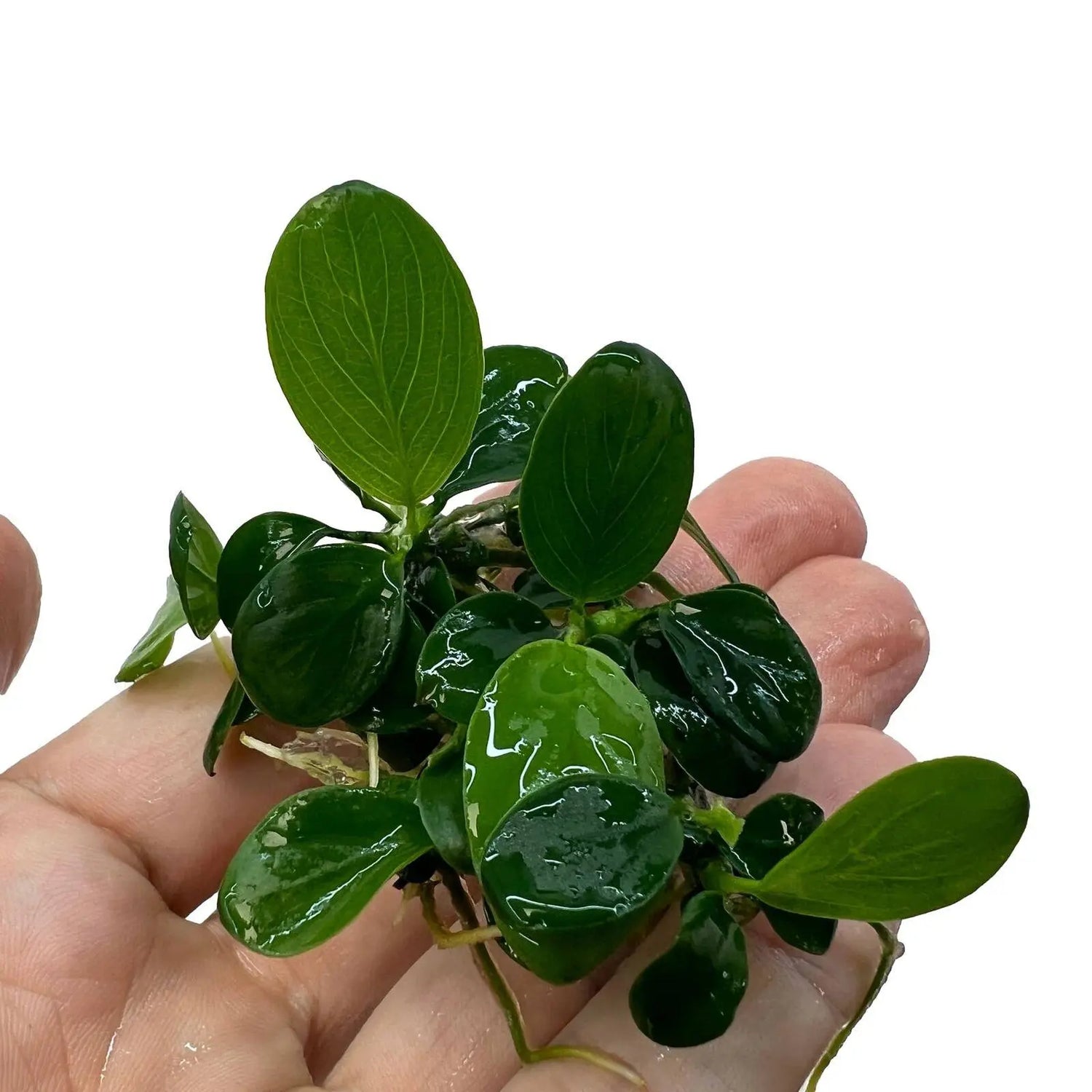
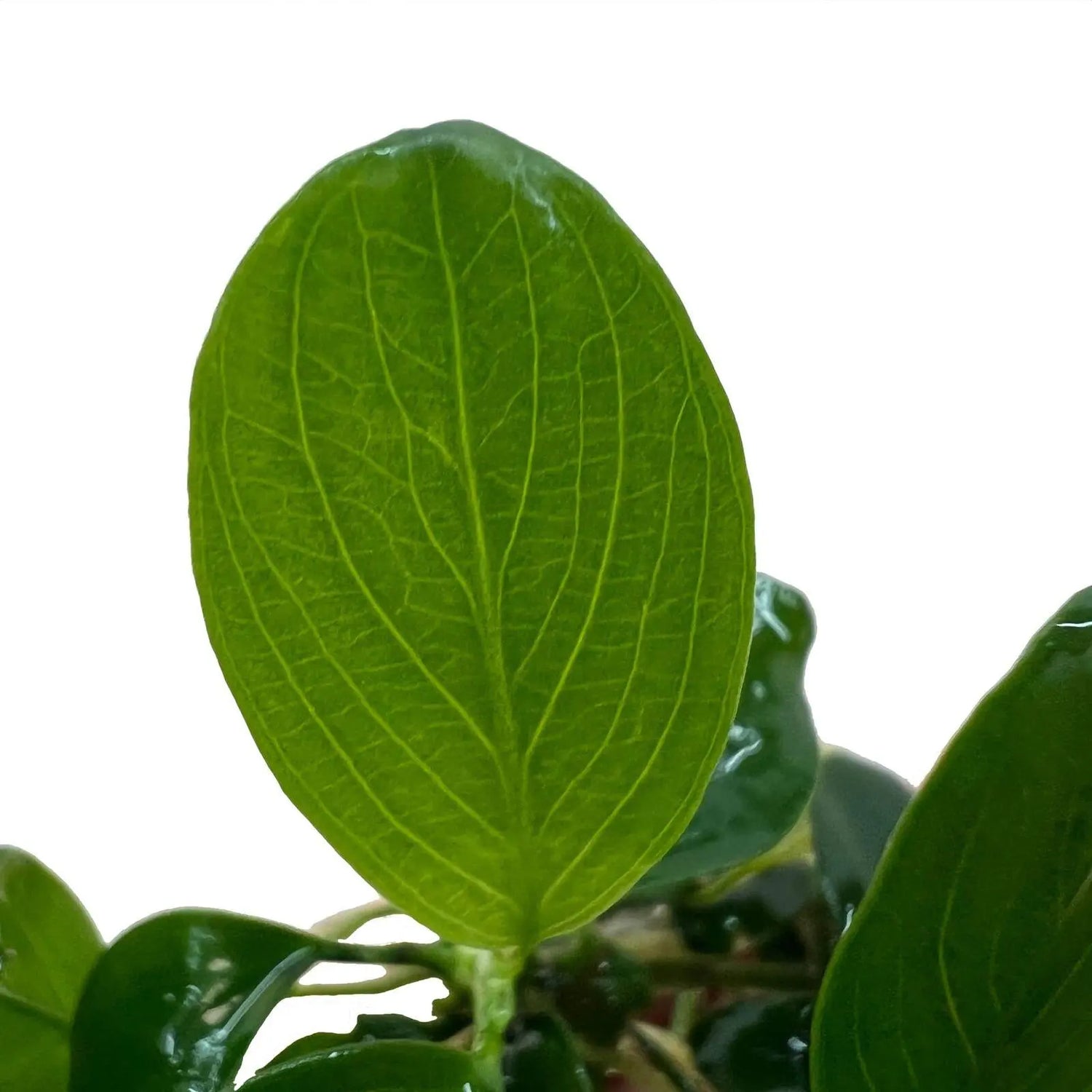
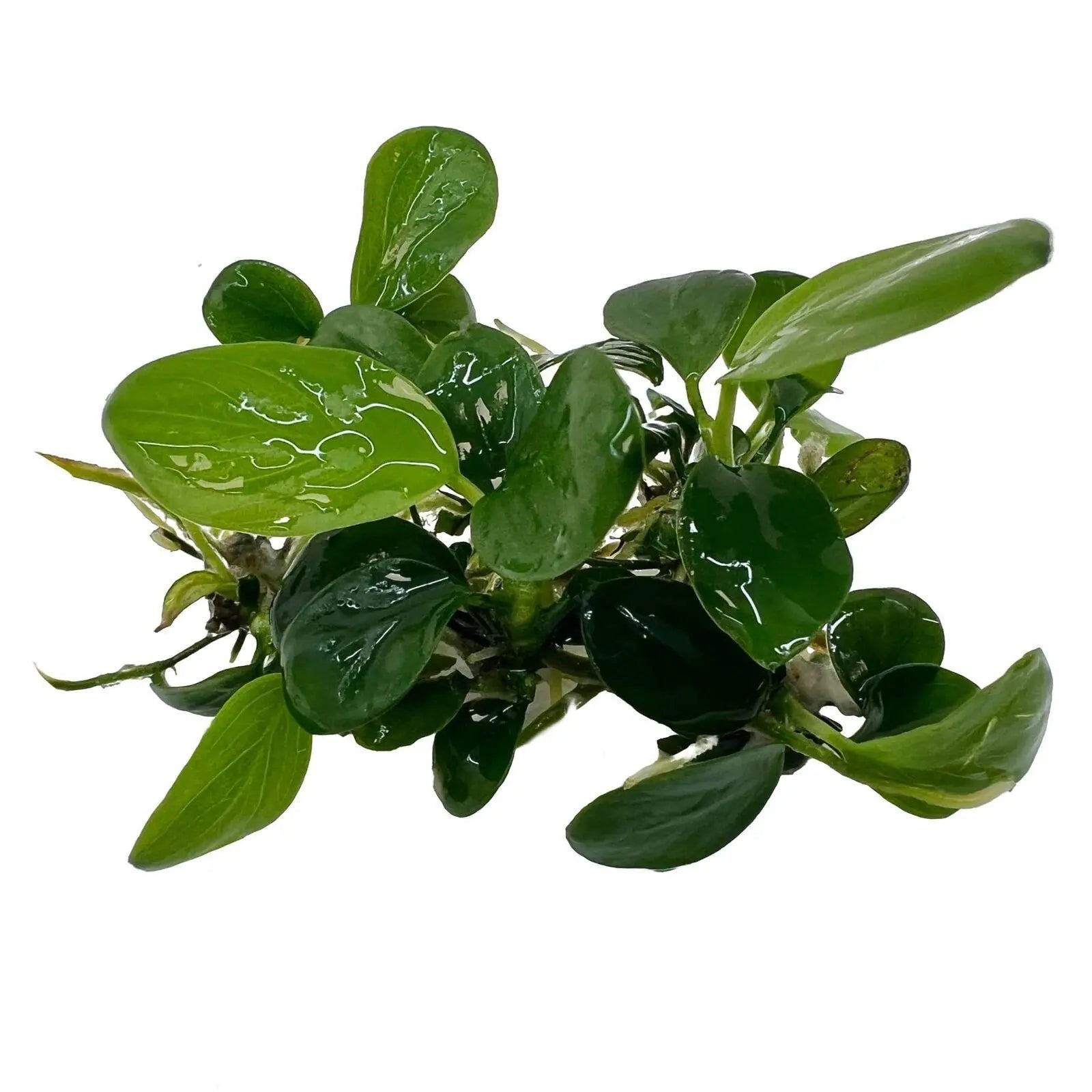
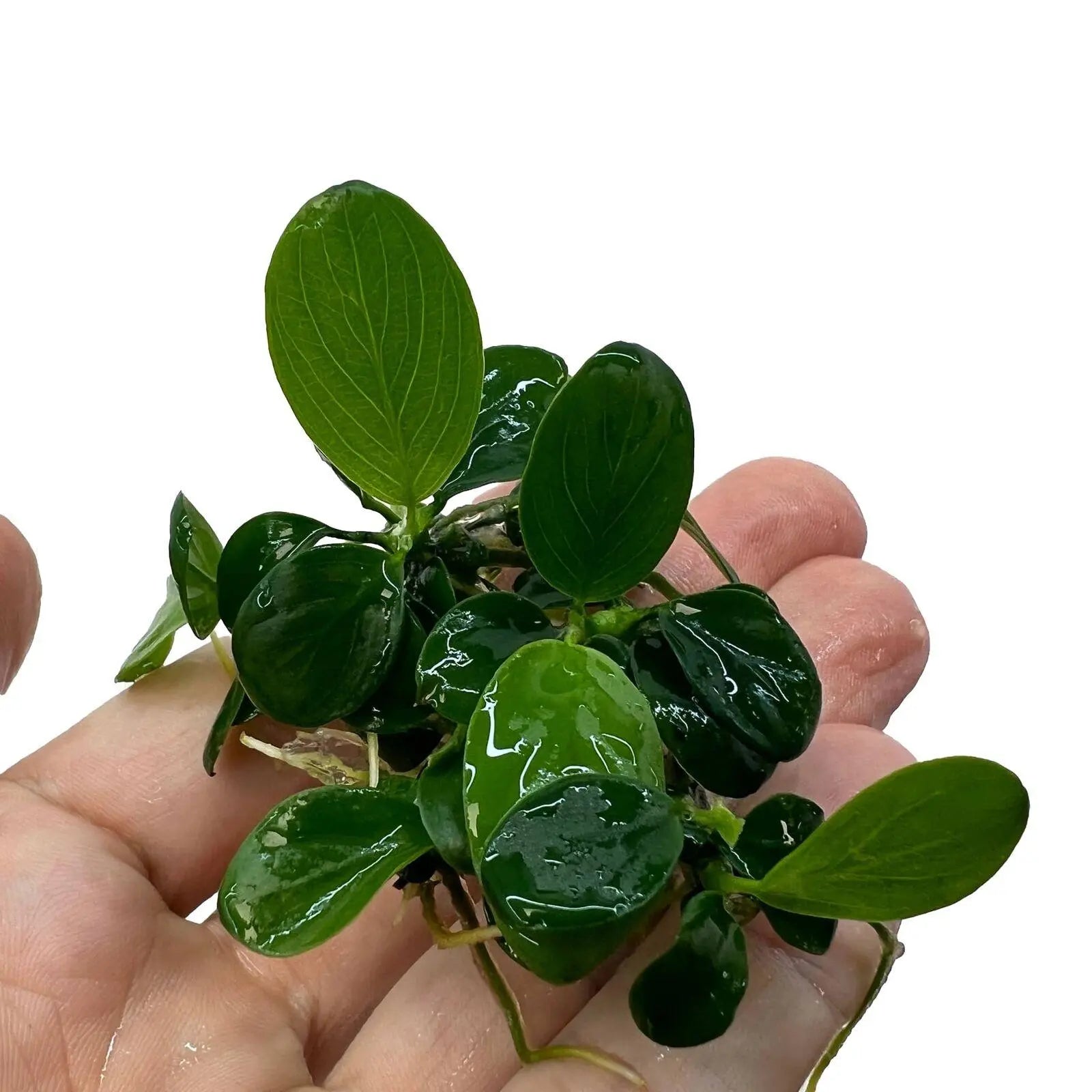
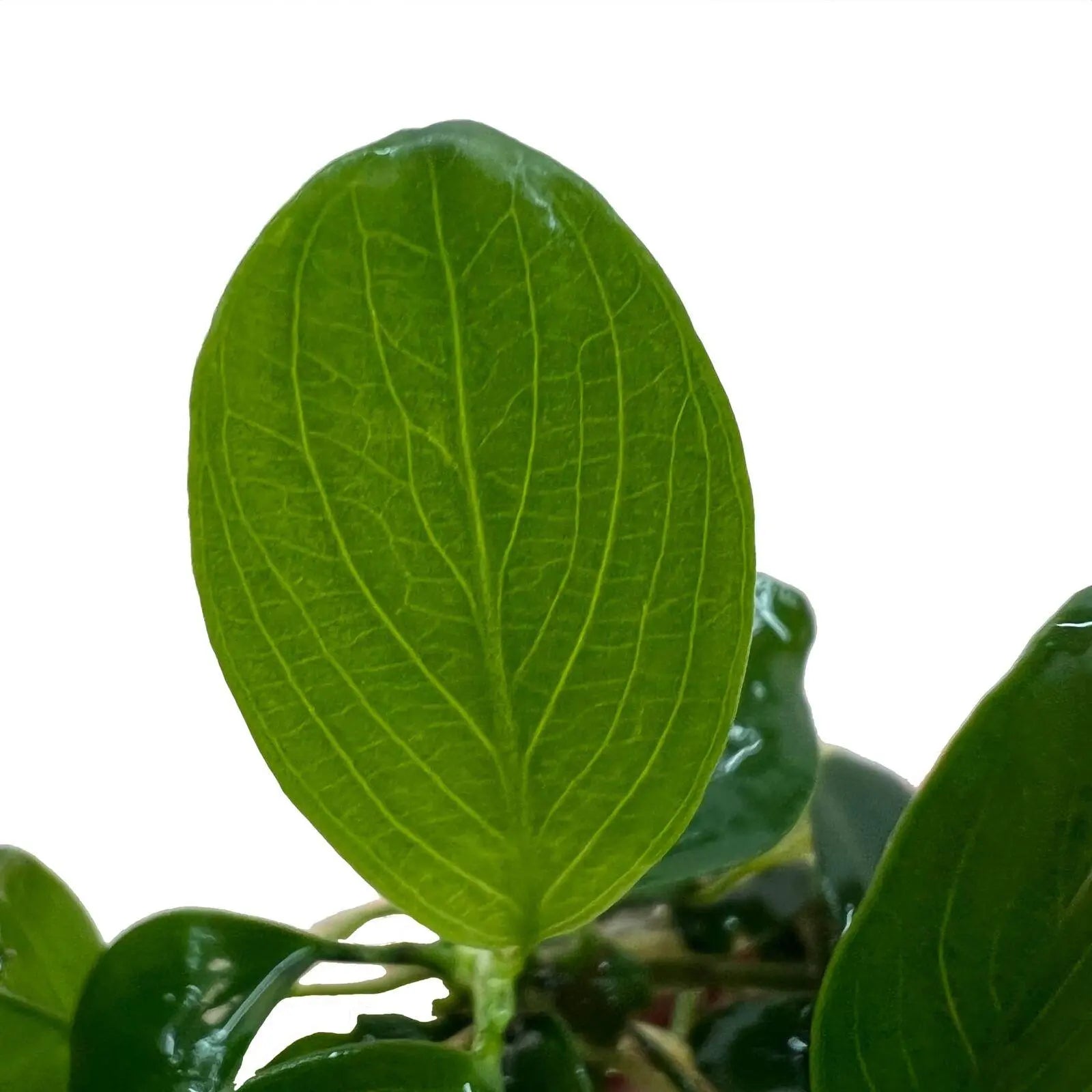
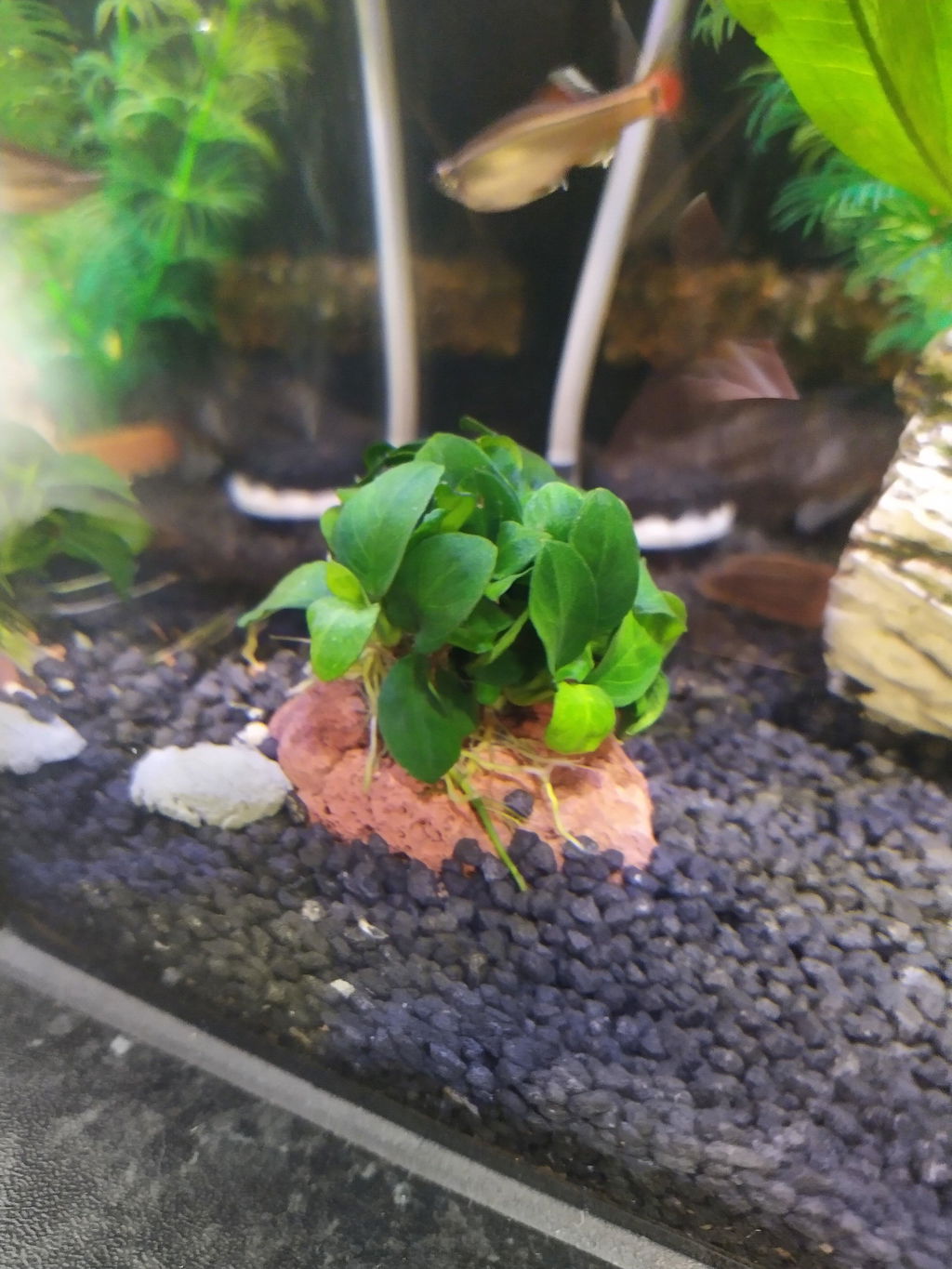
    Anubias nangi is a compact and elegant Anubias species producing narrow, lance-shaped leaves in deep green on a distinctive dark-stemmed rhizome. Its more slender leaf form makes it a refined alternative to the broader-leaved Anubias varieties, providing a delicate appearance while retaining all the robust, easy-care qualities the genus is renowned for.

    Like all Anubias it must be attached to wood or rock with the rhizome exposed and not buried in the substrate. It thrives in low to medium light without CO2 injection and is tolerant of a very wide range of water conditions. Slow-growing and long-lived, it is virtually indestructible once established and develops moss-like attachments to hardscape over time.

    Supplied as a tissue culture cup, this plant arrives completely free from snails, pest algae, and pesticide residue — making it the safest possible choice for shrimp tanks and sensitive biotope set-ups. Rinse the gel away, divide the plantlets, and attach directly to wood or rock. Suits aquariums from 20 litres upward.

    Plant Sizes

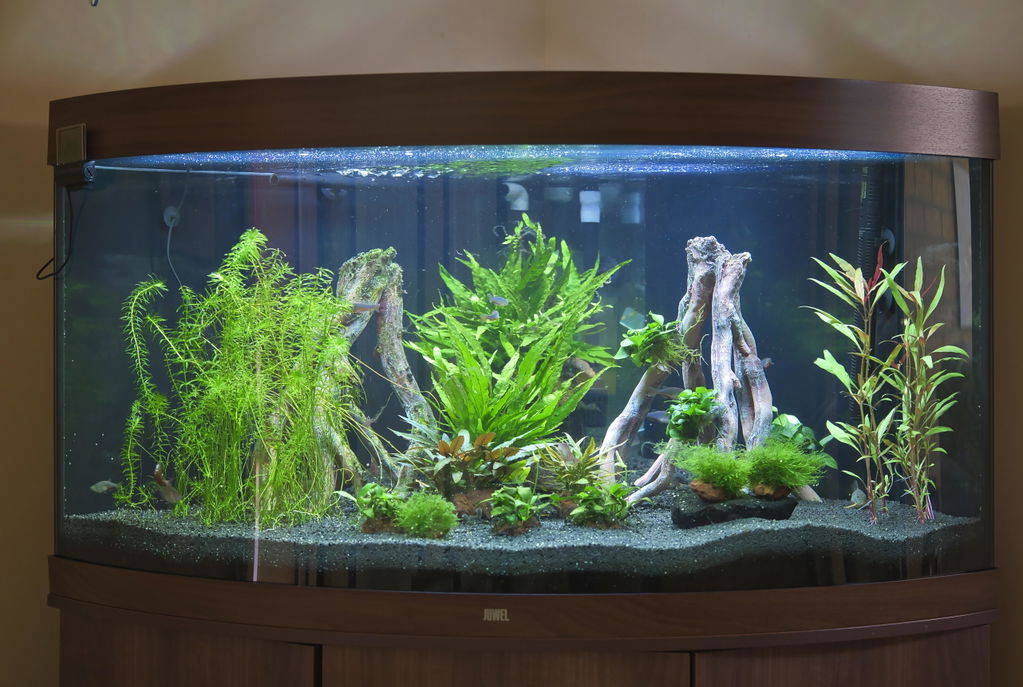
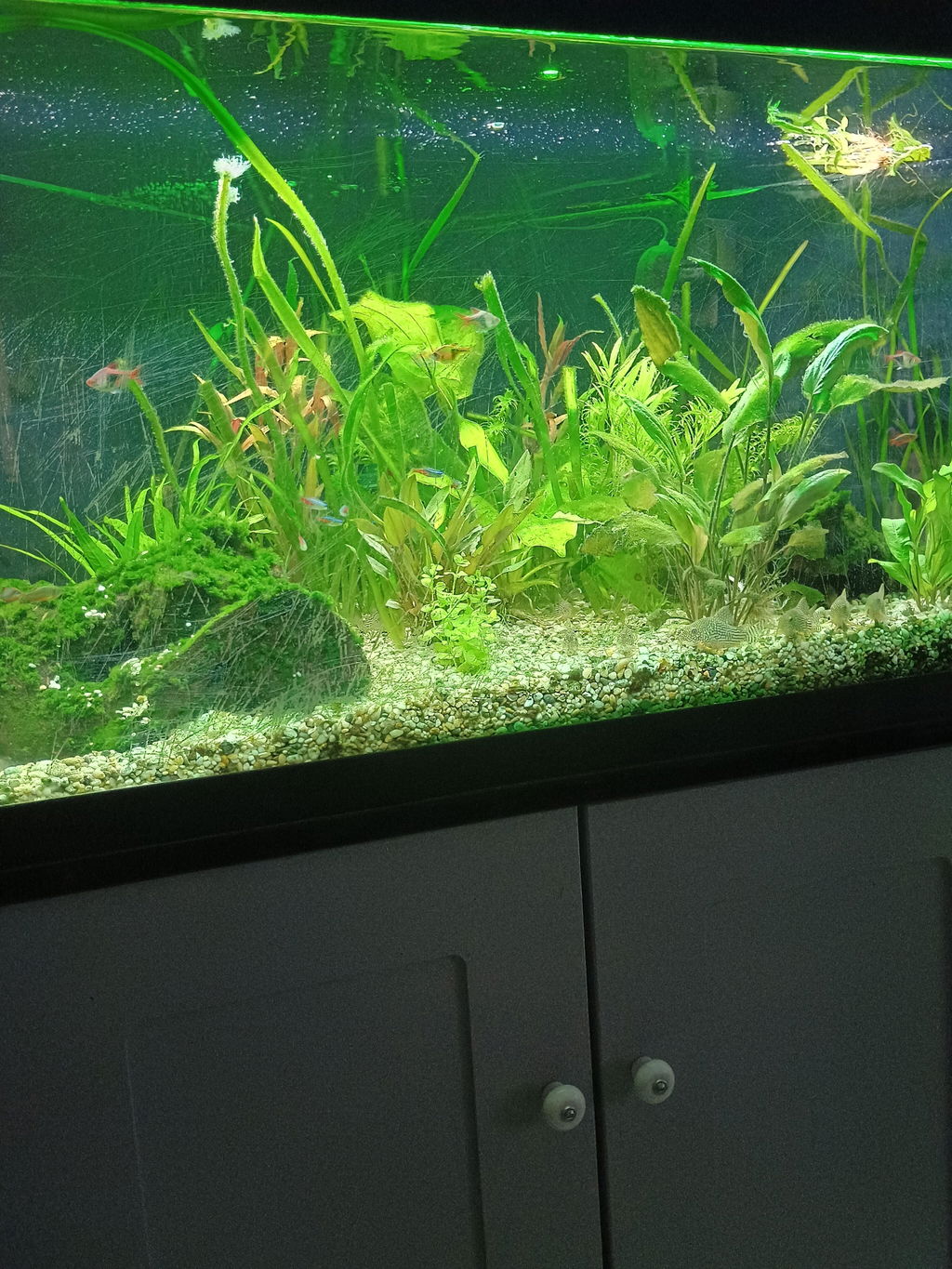
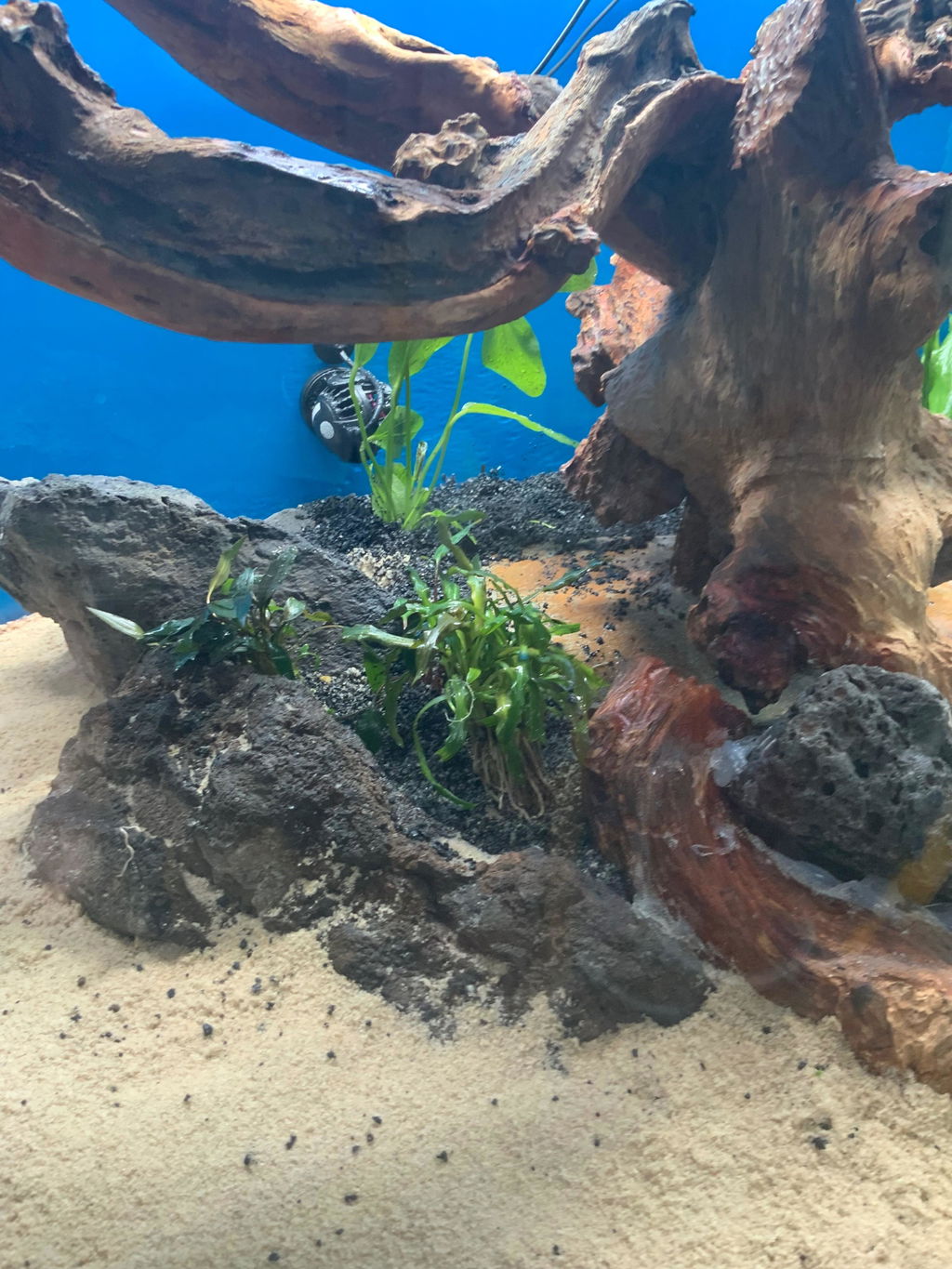
    The image of the plant you'll be receiving is just an example of what you can expect. Each plant is unique and may vary in size and shape, so it won't be an exact match to the photo. If we provide a size guide, keep in mind that it's just an estimate and that plants can vary in size depending on the time of year.

    WHAT TO EXPECT

    Tissue cultured plants are supplied young and grown in a sterile environment, so they arrive free from snails, algae and pesticide residue. They may look smaller on arrival, but each cup contains multiple plantlets designed to be divided and planted out, where they establish quickly with minimal melt and grow into place.

    Anubias Nangi In Vitro - Aqua Essentials
    Anubias Nangi In Vitro - Aqua Essentials
    Anubias Nangi In Vitro - Aqua Essentials

    Product Details

    1. Grown in a laboratory

    Tissue Cultured Plants are unique in so much as they are grown in a laboratory and not a greenhouse. As a result of this, a cast iron guarantee is offered which is 100% so snails and no pesticides.

    2. How to handle them

    They're a bit different from potted plants because they're grown in an agae solution that contains nutrients and hormones to encrougage plants to grow. Some agar is liquid, others are more solid depending on what the growers prefers. Regardless once they arrive with you, acclimatise to room temperature and then rinse under luke warm tap water. Then plant up.

    3. Pot sizes

    Nearly all TC pots are 5cm in diameter and the pots will range in fullness depending on many factors such as the natural growth speed of the plant and the time the grower has held them for. Sometimes the pots are exceptionally full and sometimes not so full - something we cannot control. But either way, they're still really good value when you look at the overall plant mass.

    Product FAQs

    Helpful details before you buy.

    How do I use a tissue culture Anubias?

    Rinse all the gel from the roots under clean water, divide the plantlets if needed, then attach them to wood or rock using thread or aquarium-safe glue. Do not bury the rhizome in the substrate.

    Is it safe for shrimp tanks?

    Yes. Tissue culture plants are grown in sterile lab conditions and arrive free from snails, algae, and pesticide residue, making them the safest option for shrimp aquariums.

    Does it need CO2?

    No. Like all Anubias it grows without CO2 in low to medium light and is one of the most undemanding aquarium plants available.

    How does Anubias nangi differ from other Anubias?

    It has notably narrower, lance-shaped leaves compared to the broader oval leaves of barteri or nana, giving it a more slender and refined appearance.

    How do I propagate it?

    Divide the rhizome with a clean cut, ensuring each piece has at least two or three leaves. Both pieces will continue to grow and can be attached separately.