Choose your pot size
- Standard (5cm pot)
- XL (9cm pot)
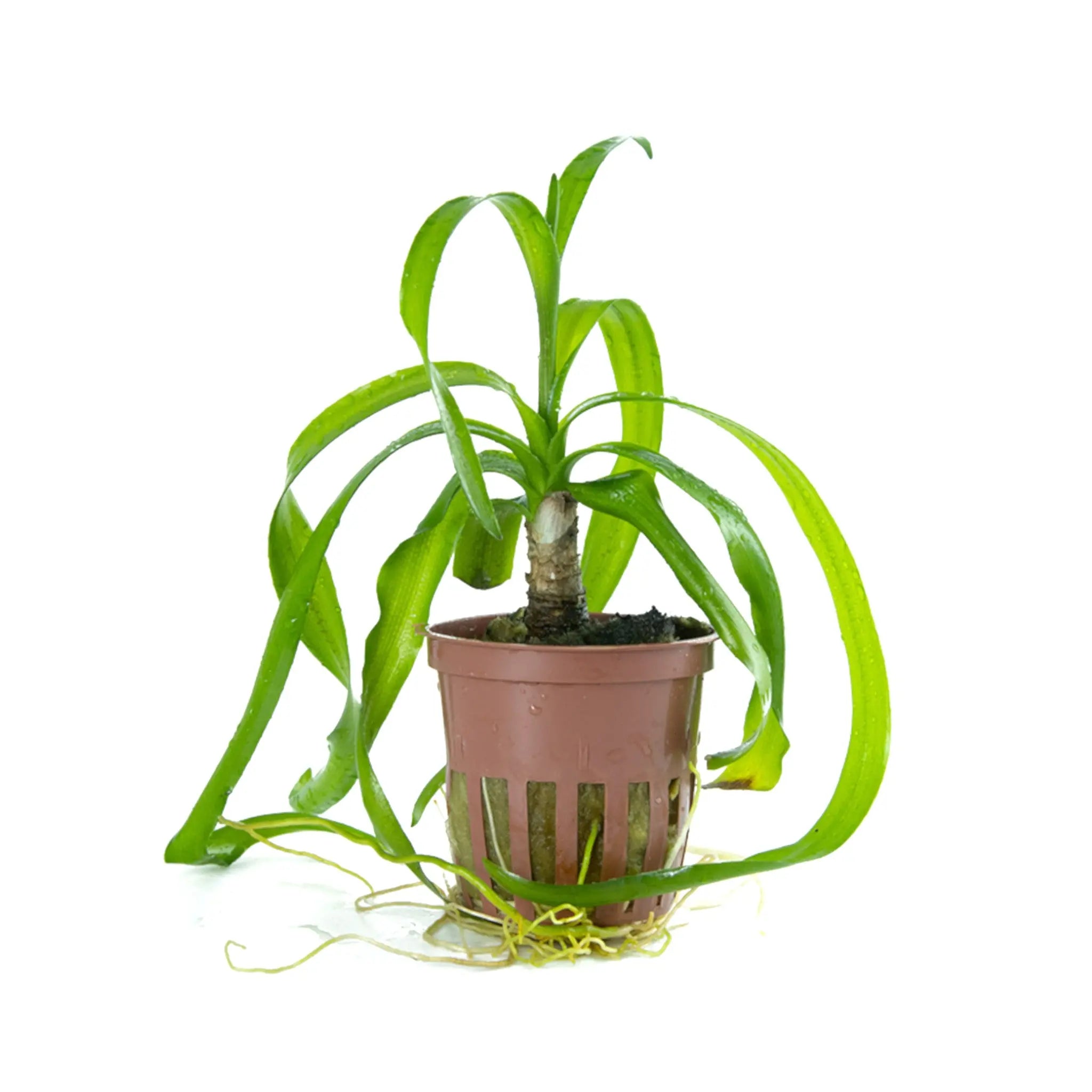
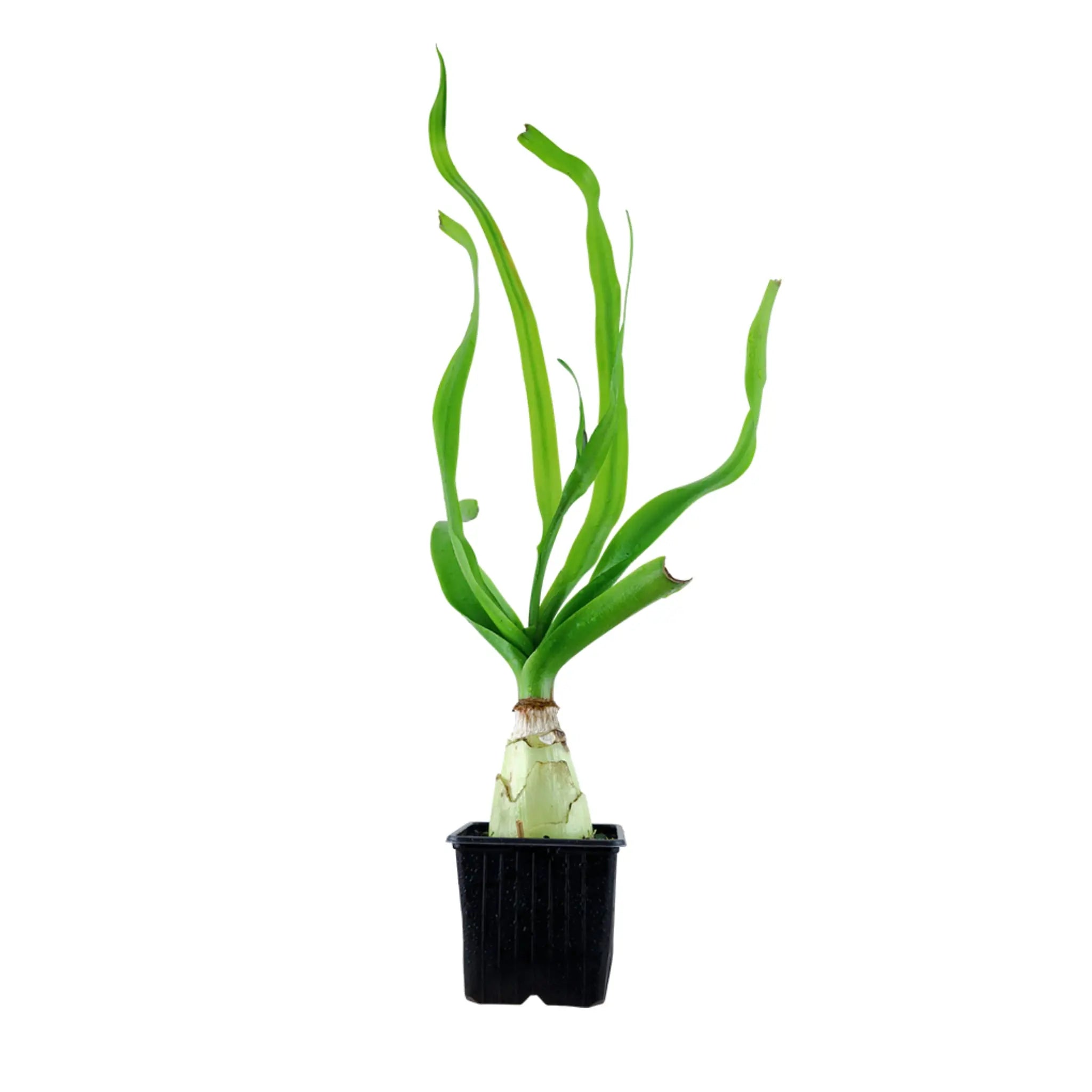
Both options are the same plant. XL is a larger supplied specimen. Pot diameter is not plant height; living plants vary naturally. One selected potted plant is included.
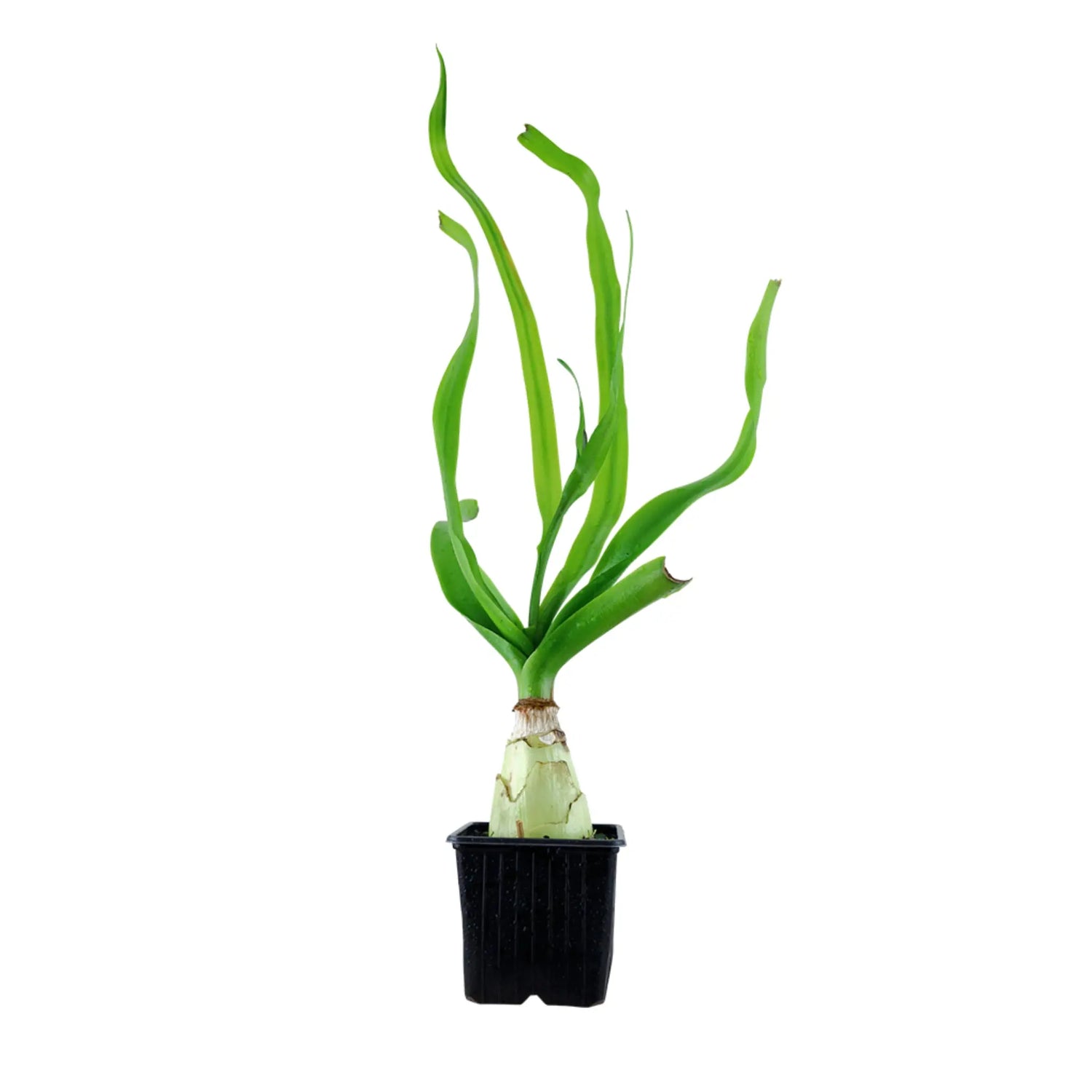
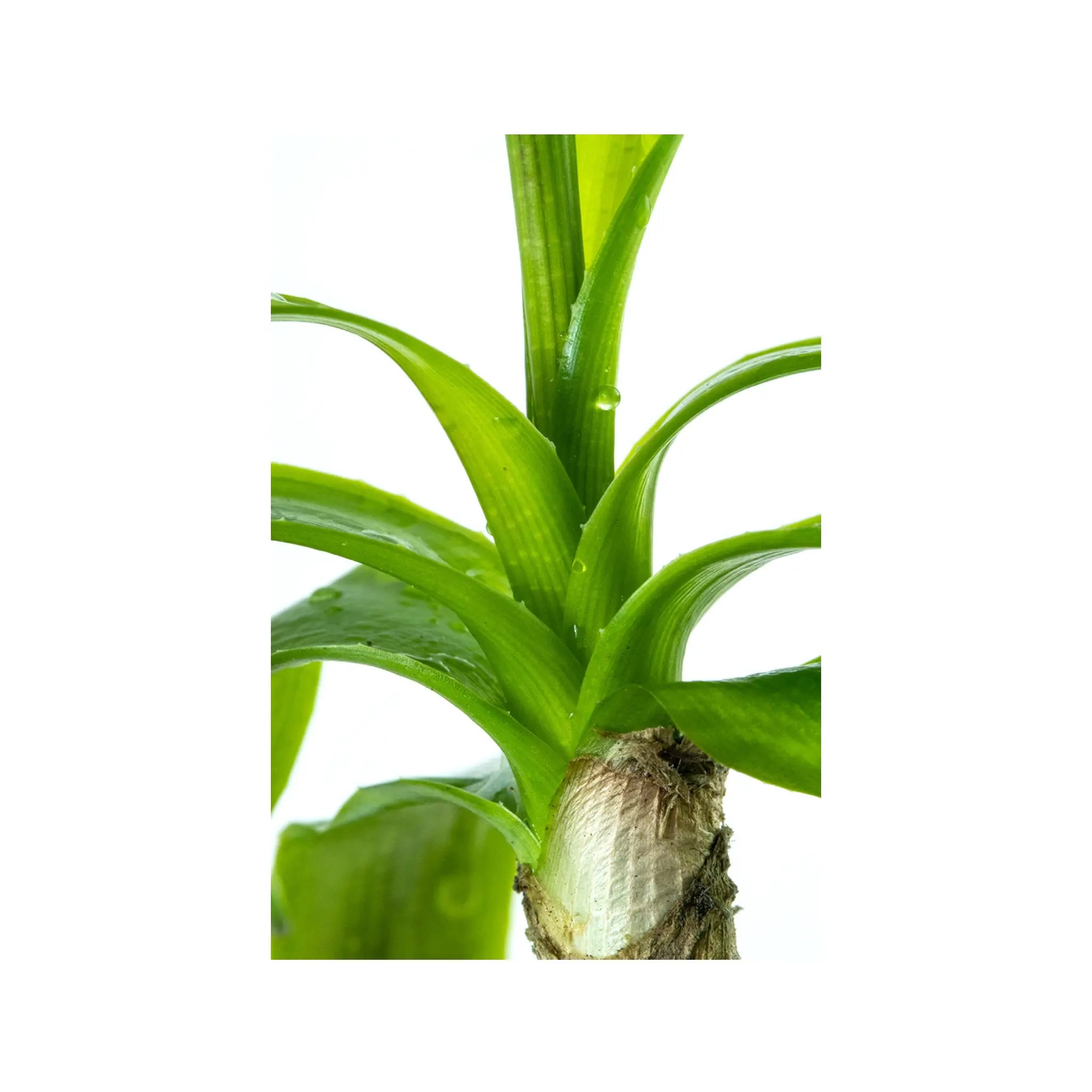
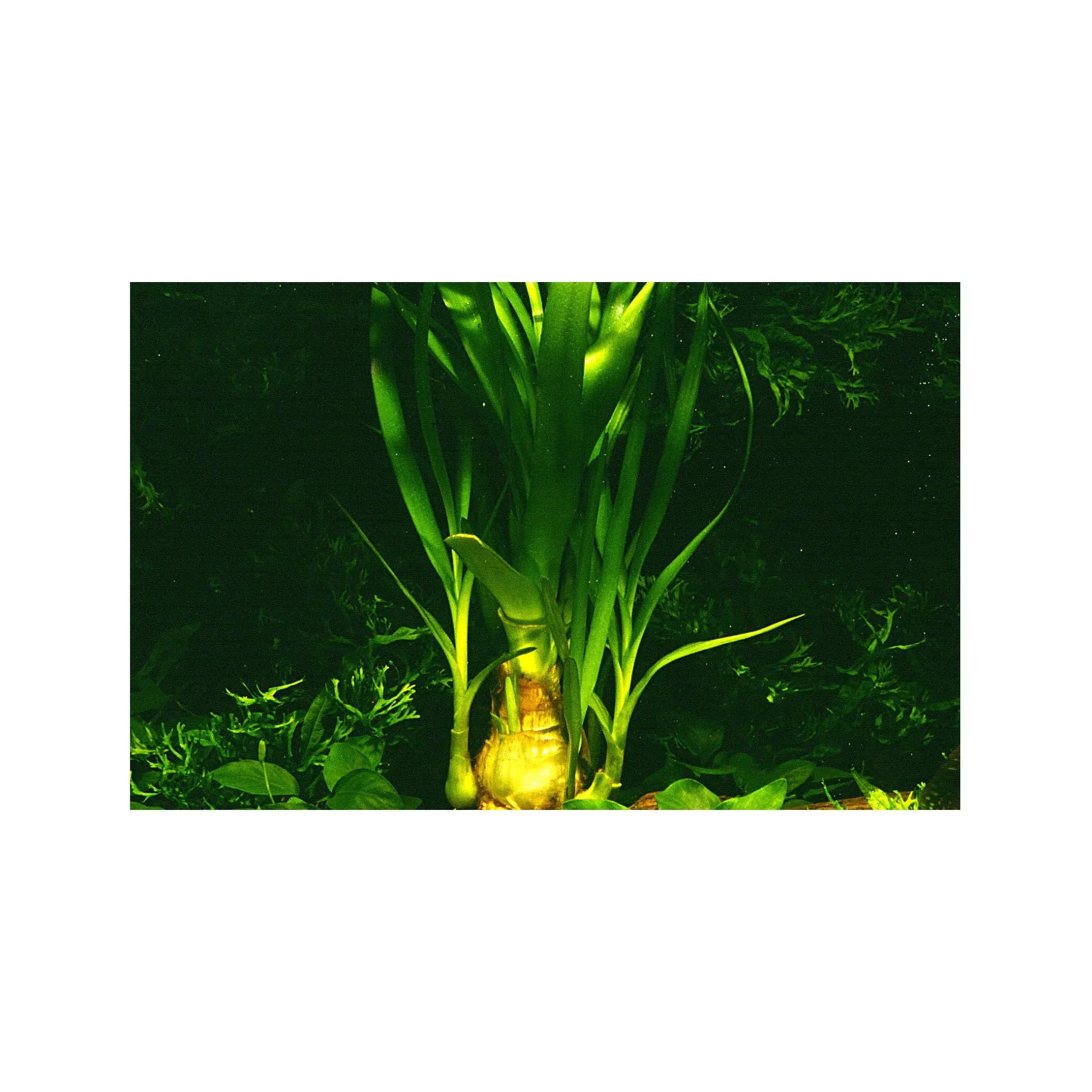
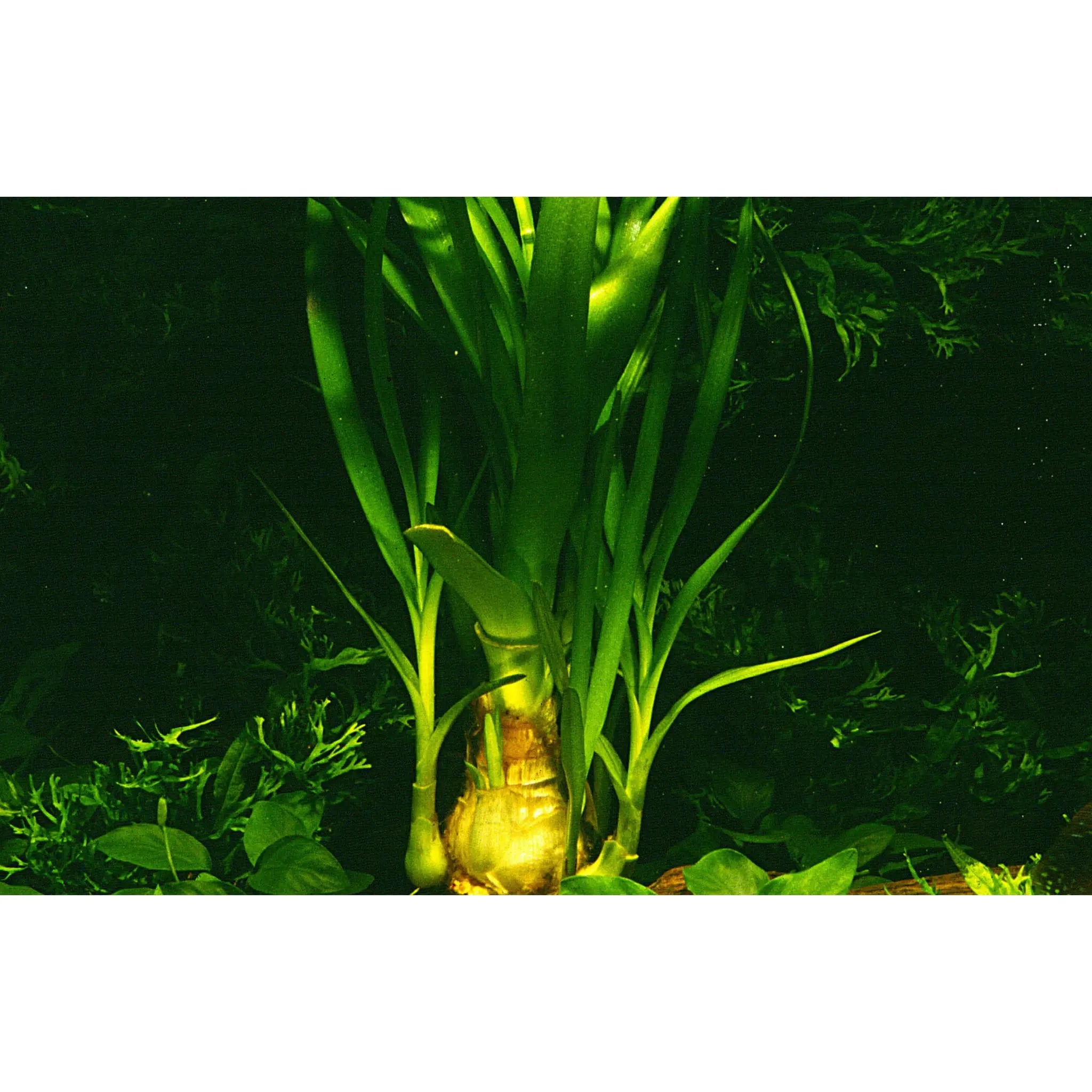
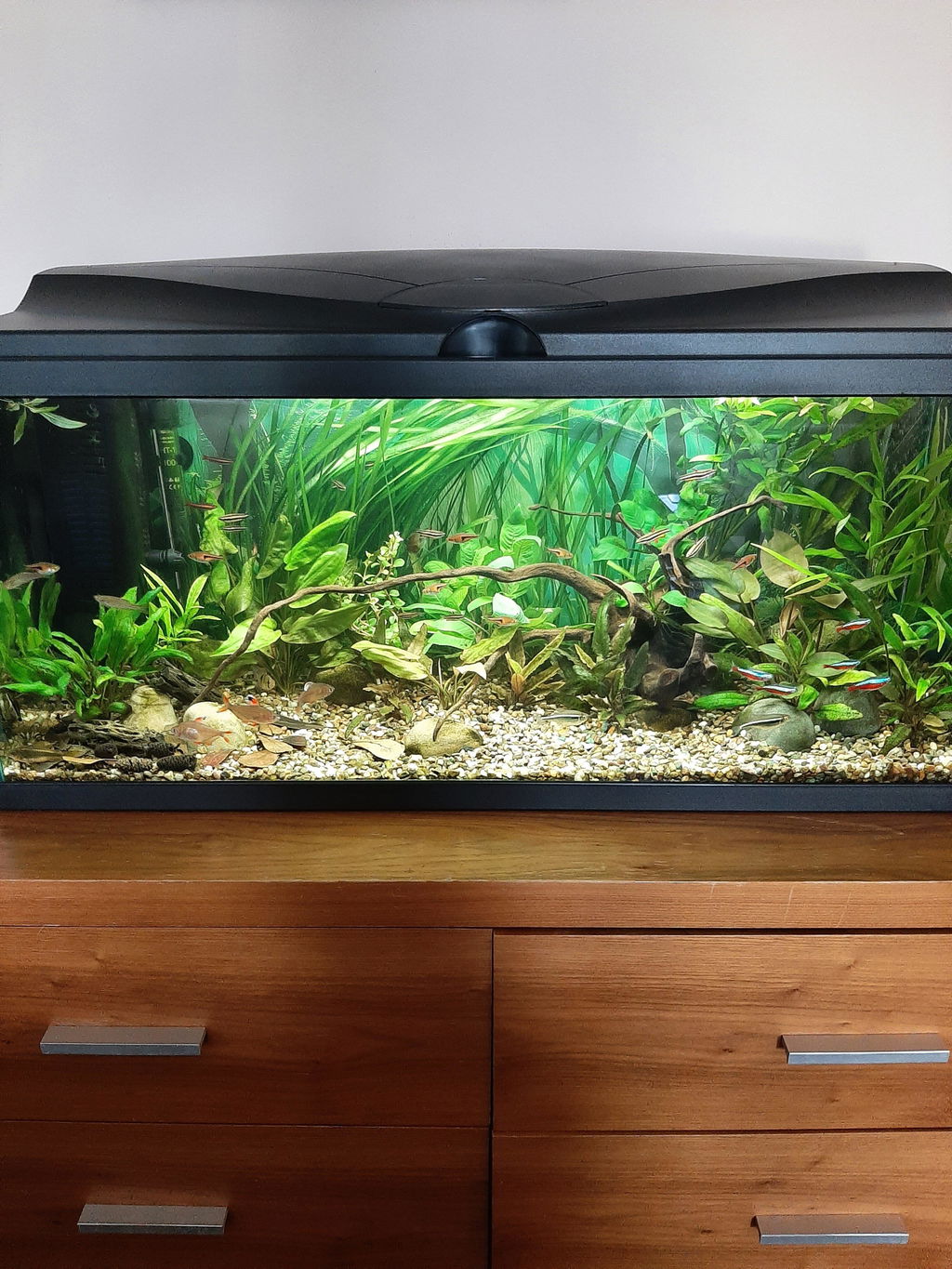
Crinum thaianum — commonly known as the Onion Plant — produces very long, strap-like, wavy leaves that make it one of the most distinctive background plants for larger aquariums. The leaves can grow well beyond 1m in good conditions, making it ideal for concealing equipment such as heaters and filters behind lush trailing foliage.
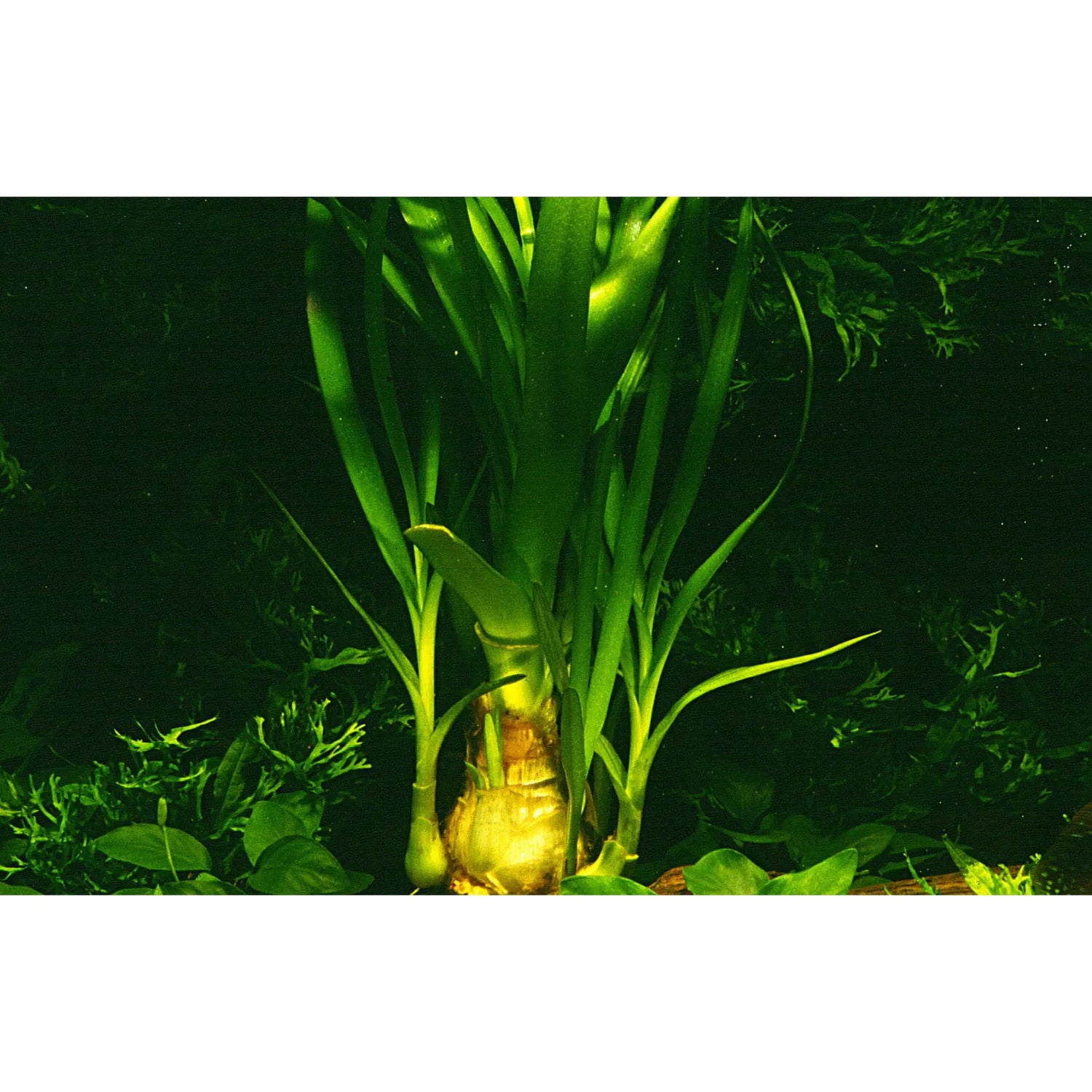
A useful characteristic: fish that typically graze on aquarium plants tend to leave Crinum thaianum entirely alone — apparently deterred by its flavour. This makes it a reliable choice for tanks with herbivorous fish where other plants struggle to survive. Care requirements are simple: low light, no CO2, and only the lower third of the bulb buried in the substrate. Bury it more deeply and the bulb will rot.
Note: the specimens we receive rarely have as many leaves as shown in the product image — the picture shows a mature specimen at its best. Individual plants vary naturally.
XL size and care notes
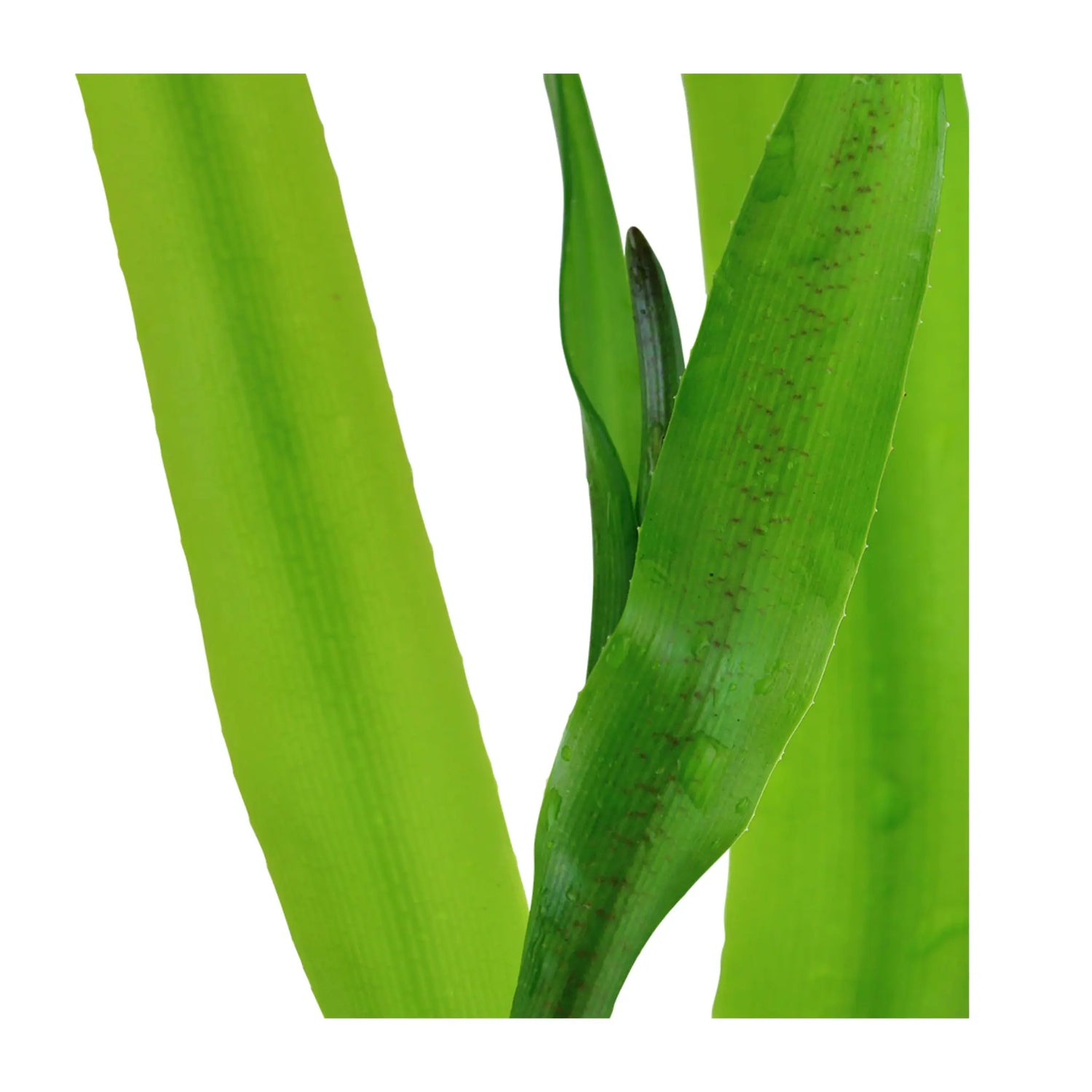
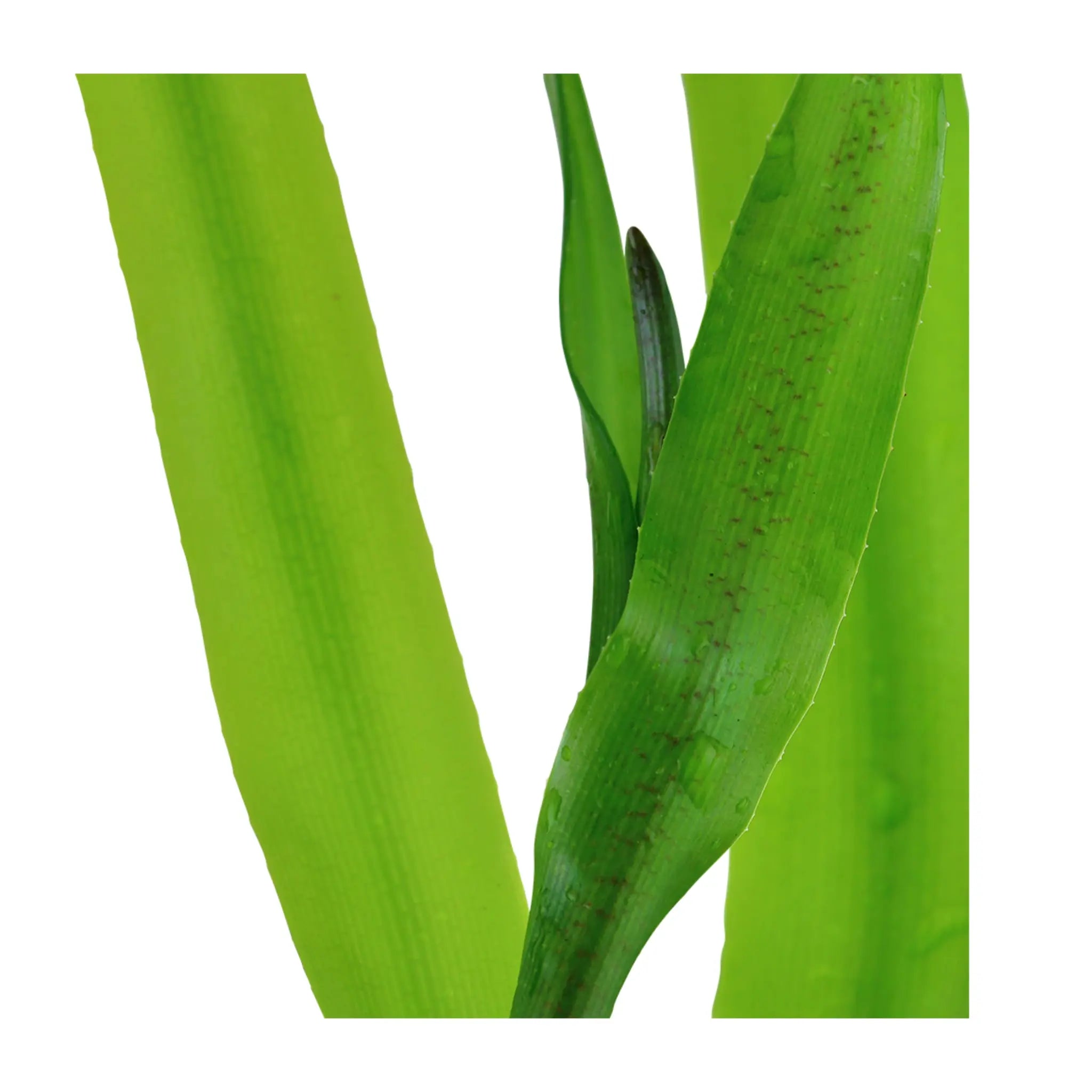
Crinum thaianum, commonly called the Thai onion plant or water onion, is a striking bulb plant with long, ribbon-like leaves that can exceed a metre in length. The leaves are narrow, mid-green, and have a distinctive undulating edge that gives them a graceful, flowing quality in moving water. It produces an impressive open rosette of foliage that commands attention in larger aquascapes.
It is surprisingly easy to grow despite its eventual size. It thrives in low to medium light without CO2 injection and tolerates a broad range of water conditions from soft to moderately hard. Planting is straightforward: bury the lower portion of the bulb in substrate while leaving the upper half exposed. New growth emerges from the centre as older outer leaves are naturally shed.
This XL version supplies a larger, more established bulb than the standard offering, giving more immediate presence from planting day. Best suited to aquariums of 200 litres and above where the leaves have room to develop fully. Remove from the pot and plant the bulb directly into a nutrient-rich substrate, leaving the upper half of the bulb above the surface.