Skip to product information
1 of 5
  • Play video

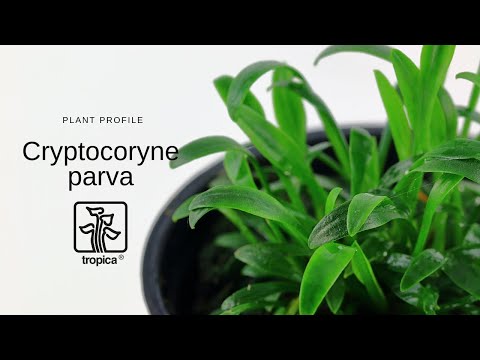
Cryptocoryne parva

The smallest Cryptocoryne — ideal for foreground carpeting

Regular price
£8.99
Regular price
Sale price
£8.99
  • Hurry, only 4 items left in stock!
Quick Facts

Rating:

Common name: Tiny cryptocoryne

Origin: Asia

Position in Aquarium: Foreground

Grows up to (cm): 6 cm

Pot Size: 5 cm

Growth rate: Slow

Description

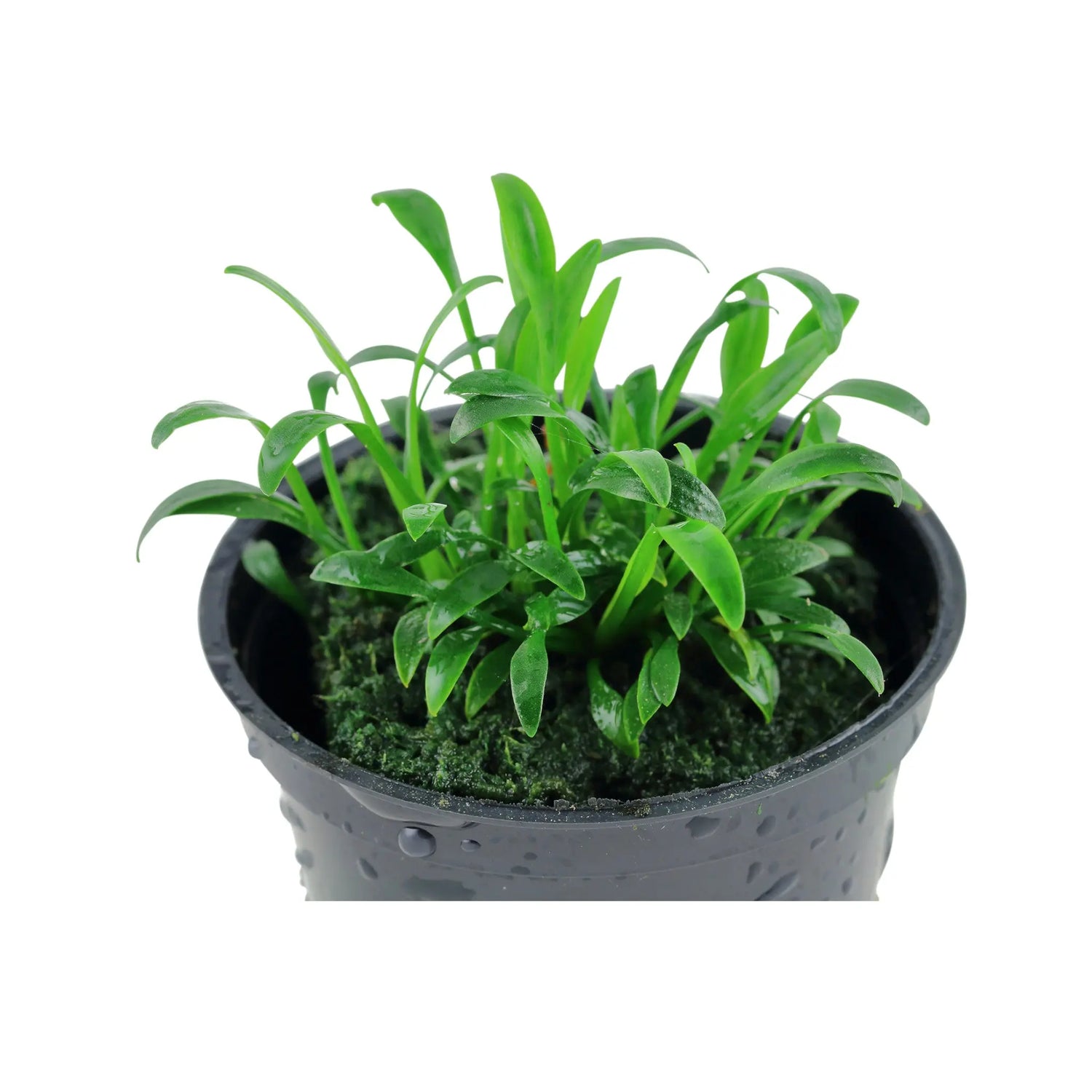
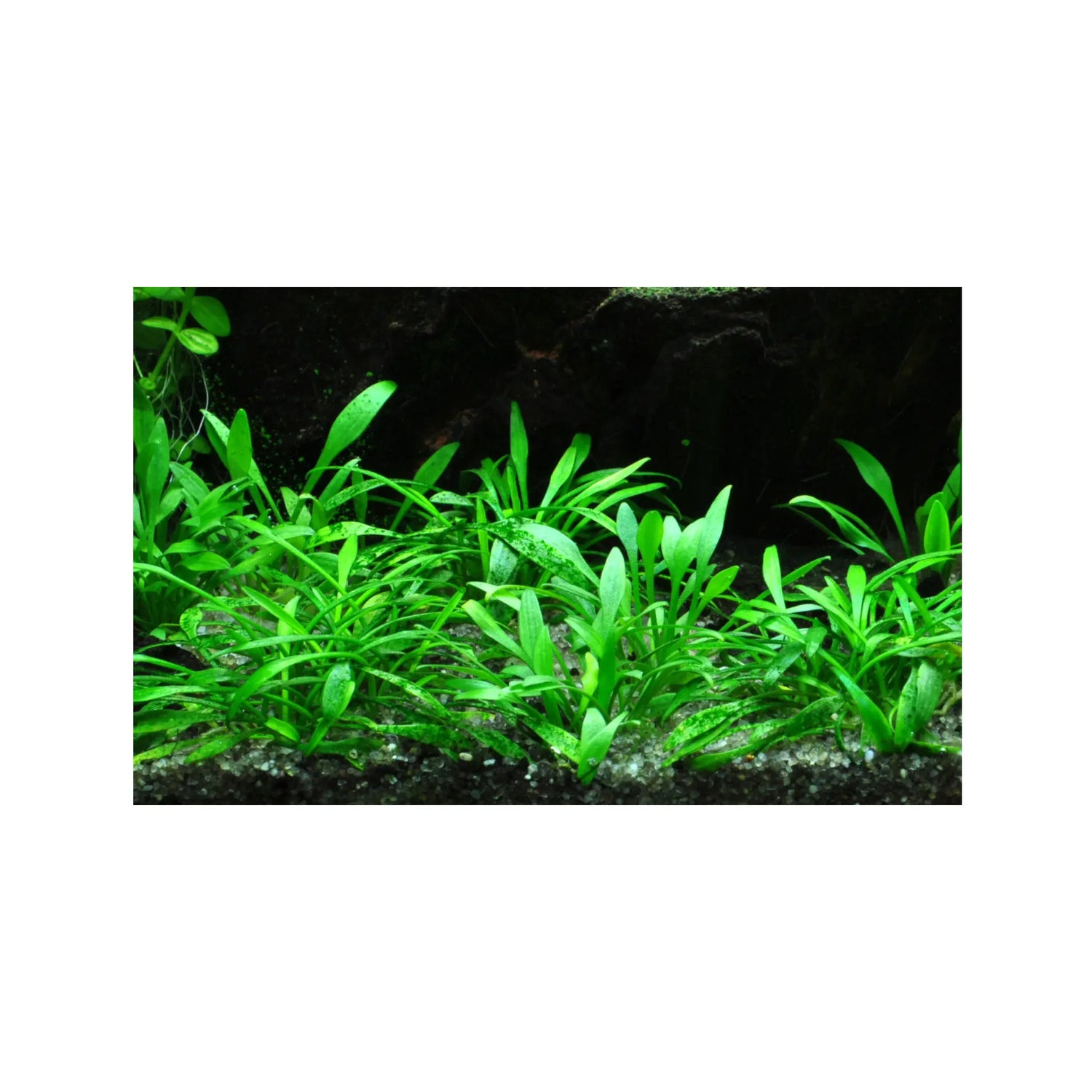
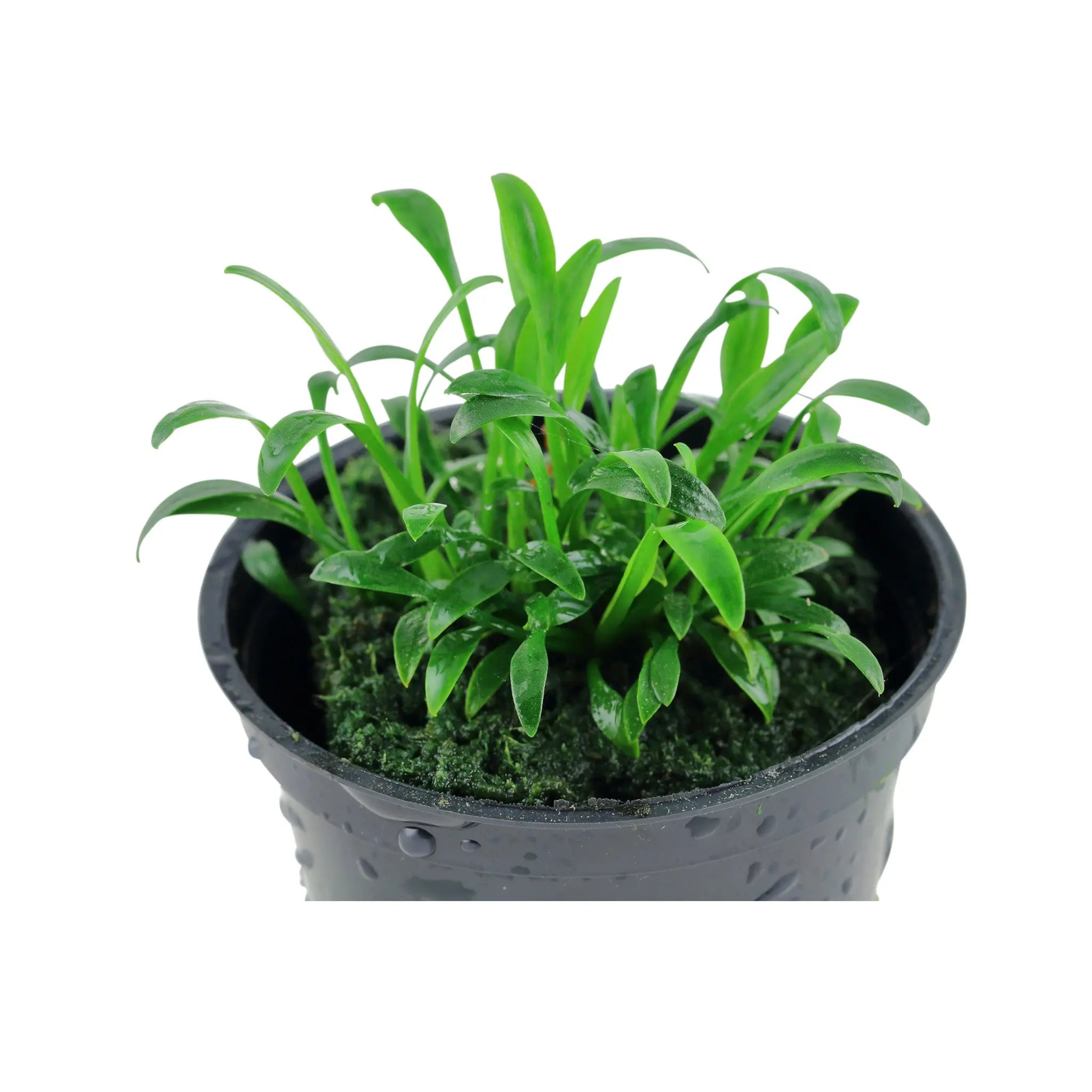
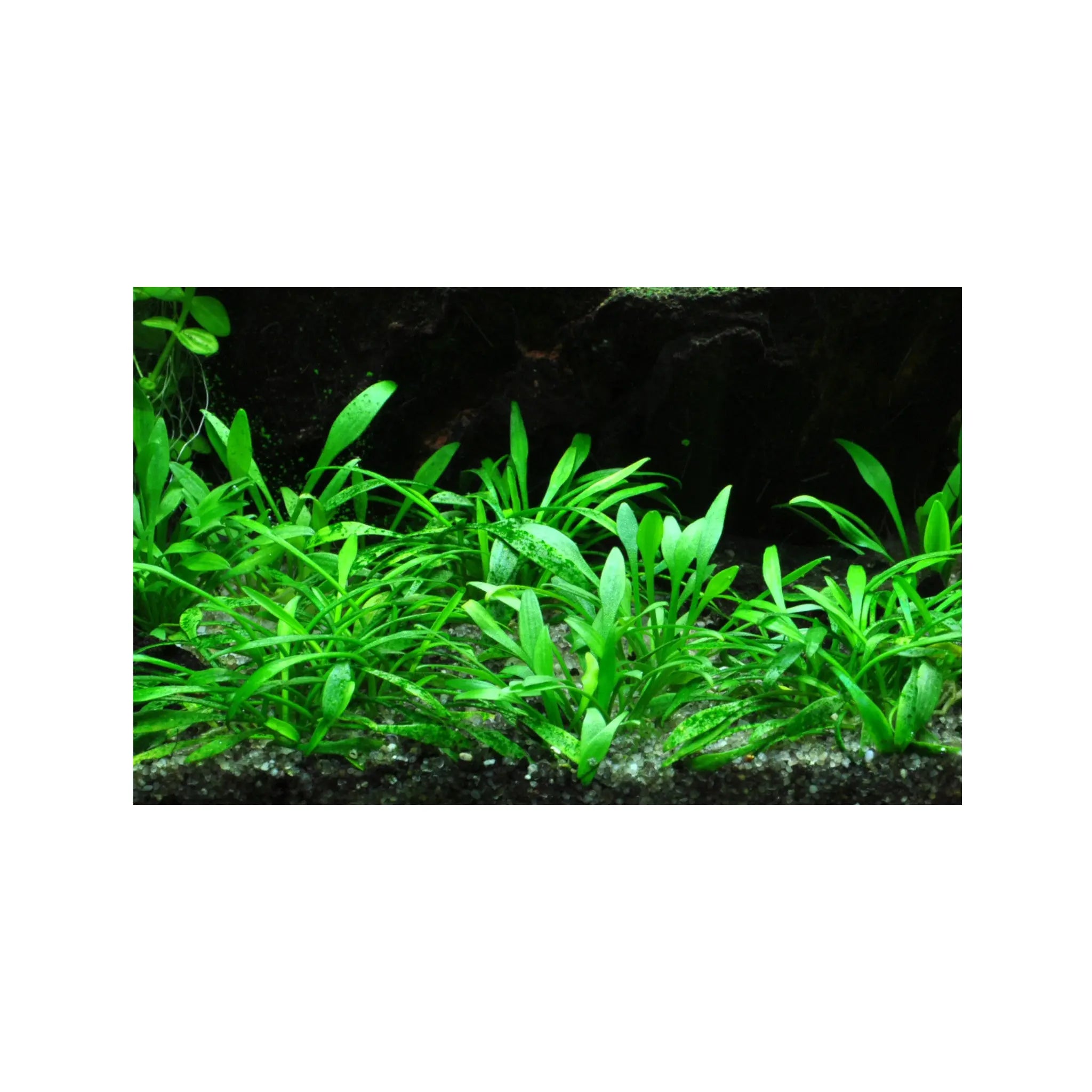
Cryptocoryne parva is the smallest Cryptocoryne species available, producing short, narrow, bright green leaves that rarely exceed 5–8cm in height. In a well-maintained low-tech aquarium with good lighting, it will spread via runners and can gradually form a compact foreground carpet — one of the few true carpeting options that doesn't require CO2 or high light, though progress is slow.

It is more demanding than some other Crypts in its early stages — parva needs stable conditions and patience to establish. Root tabs or a nutrient-rich substrate are important. Like all Crypts, it can melt when first moved — leave the rhizome in place and it will regrow. Once established it is reliable and spreads steadily.

Plant roots in the substrate, spacing individual plants a few centimetres apart to encourage a carpet effect over time.

Plant Sizes

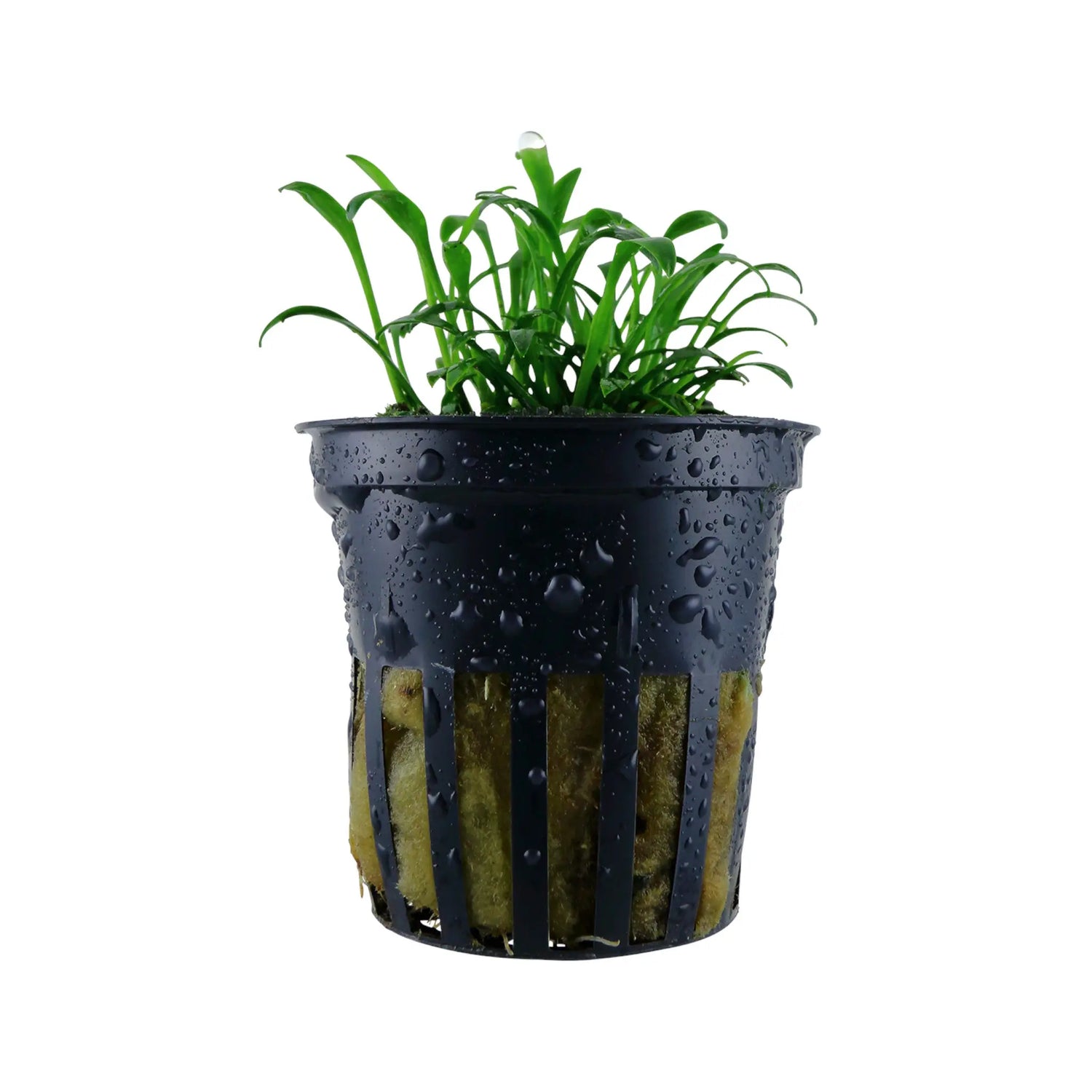
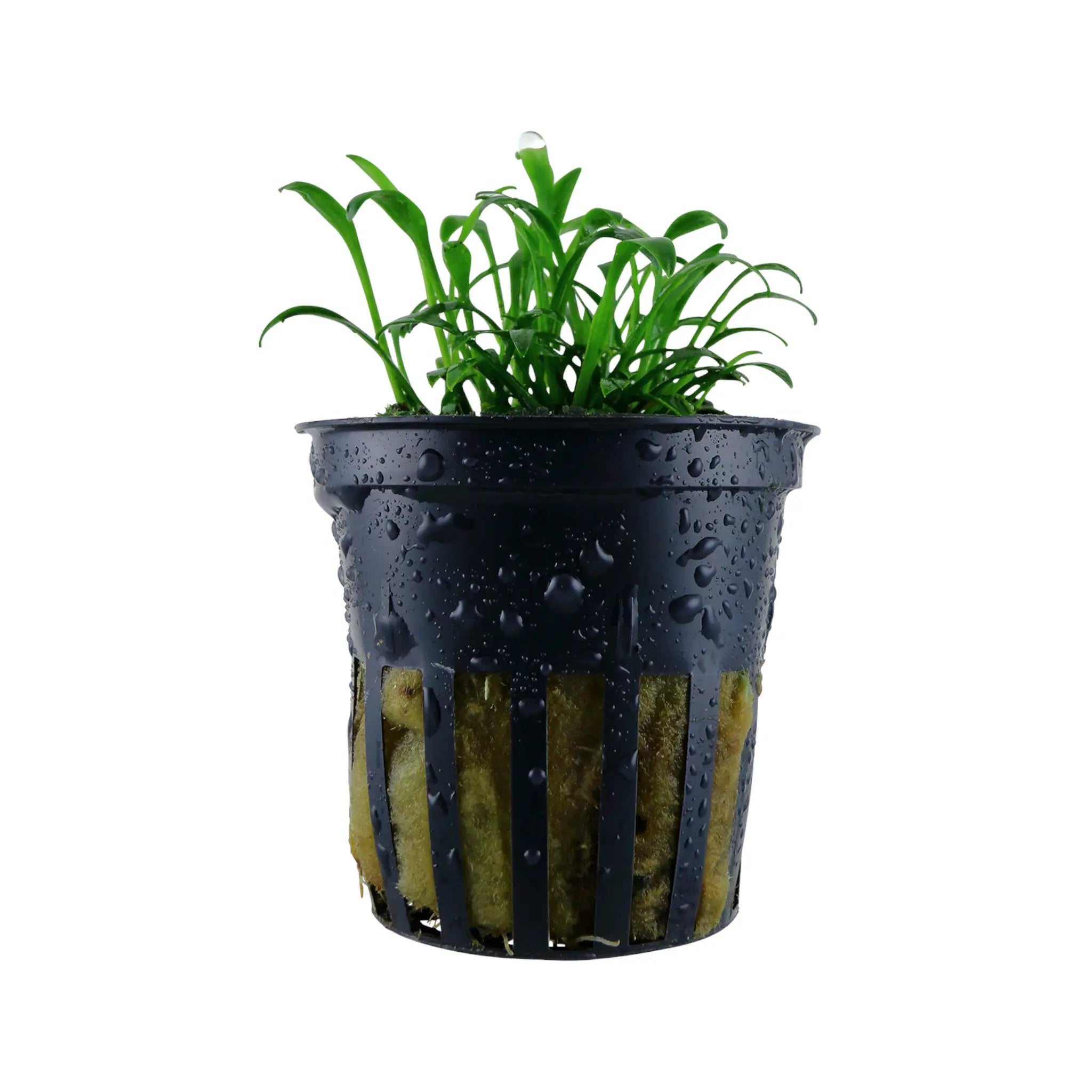
You’ll receive a healthy, rooted plant in a pot, similar to those shown. Each one is hand-checked before dispatch.

Shipping

Same-day dispatch on orders placed before 4pm, Monday to Friday. Tracked 24 Service from £4.99, DPD Express from £6.99.

Cryptocoryne parva (Tiny cryptocoryne) Tropica
Cryptocoryne parva

Product FAQs

Helpful details before you buy.

Can Cryptocoryne parva form a carpet?

Yes — it is one of the few Crypts that spreads via runners to form a low carpet. Progress is slow but it does not require CO2 or high light, making it uniquely useful for low-tech aquariums.

What is 'crypt melt'?

When moved, Cryptocoryne sometimes dissolve their leaves. This is normal. Leave the rhizome in the substrate and new leaves will regrow.

Does it need CO2?

No — one of parva's key advantages is that it will carpet without CO2. Growth is slower without it, but it works.

How long does it take to form a carpet?

Many months — parva is one of the slowest aquarium plants. The payoff is a genuinely natural-looking carpet that persists long-term.

How do I plant it?

Plant individual plants a few centimetres apart in the foreground. They will spread via runners to fill in the gaps over time.