Skip to product information
1 of 5

Echinodorus martii

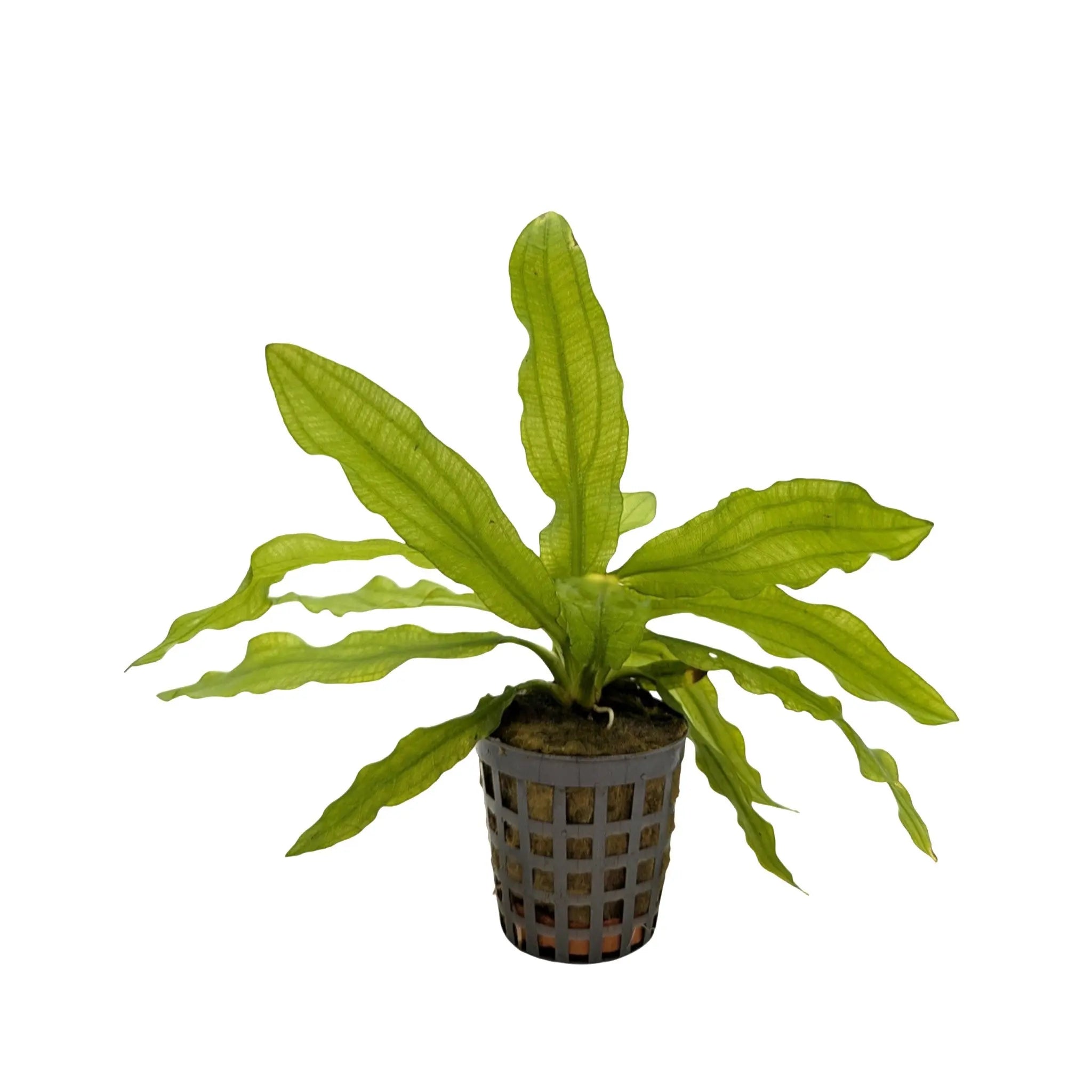
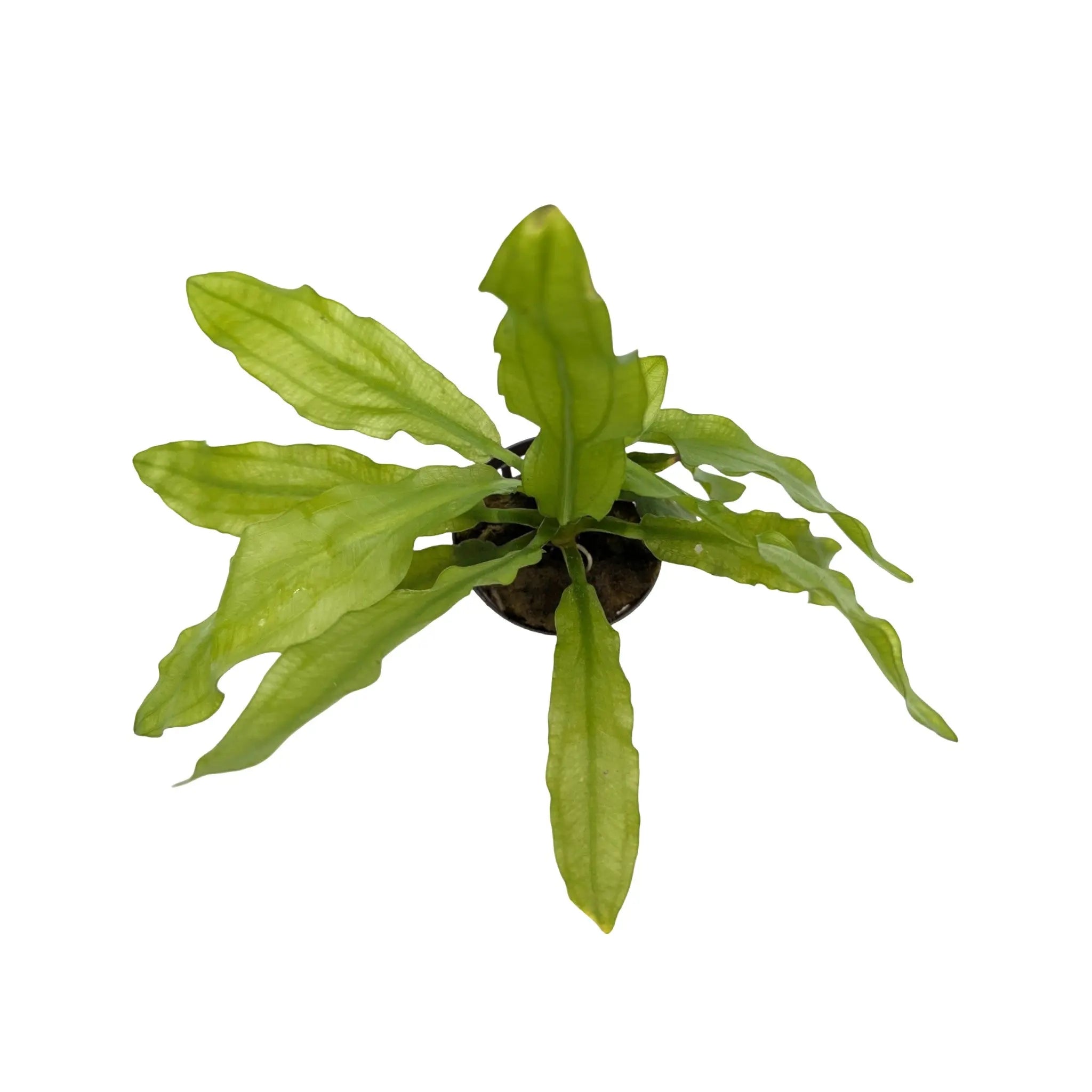
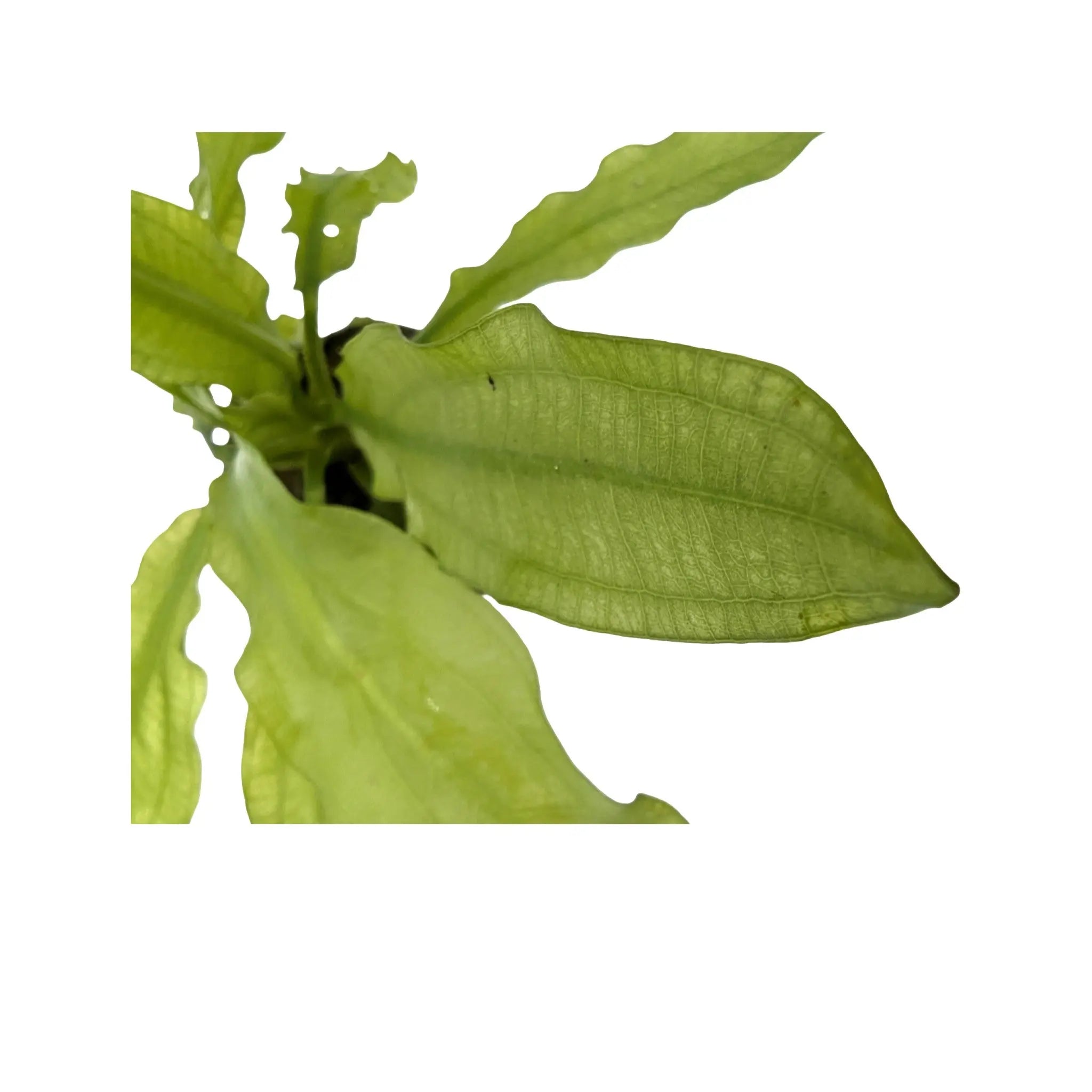
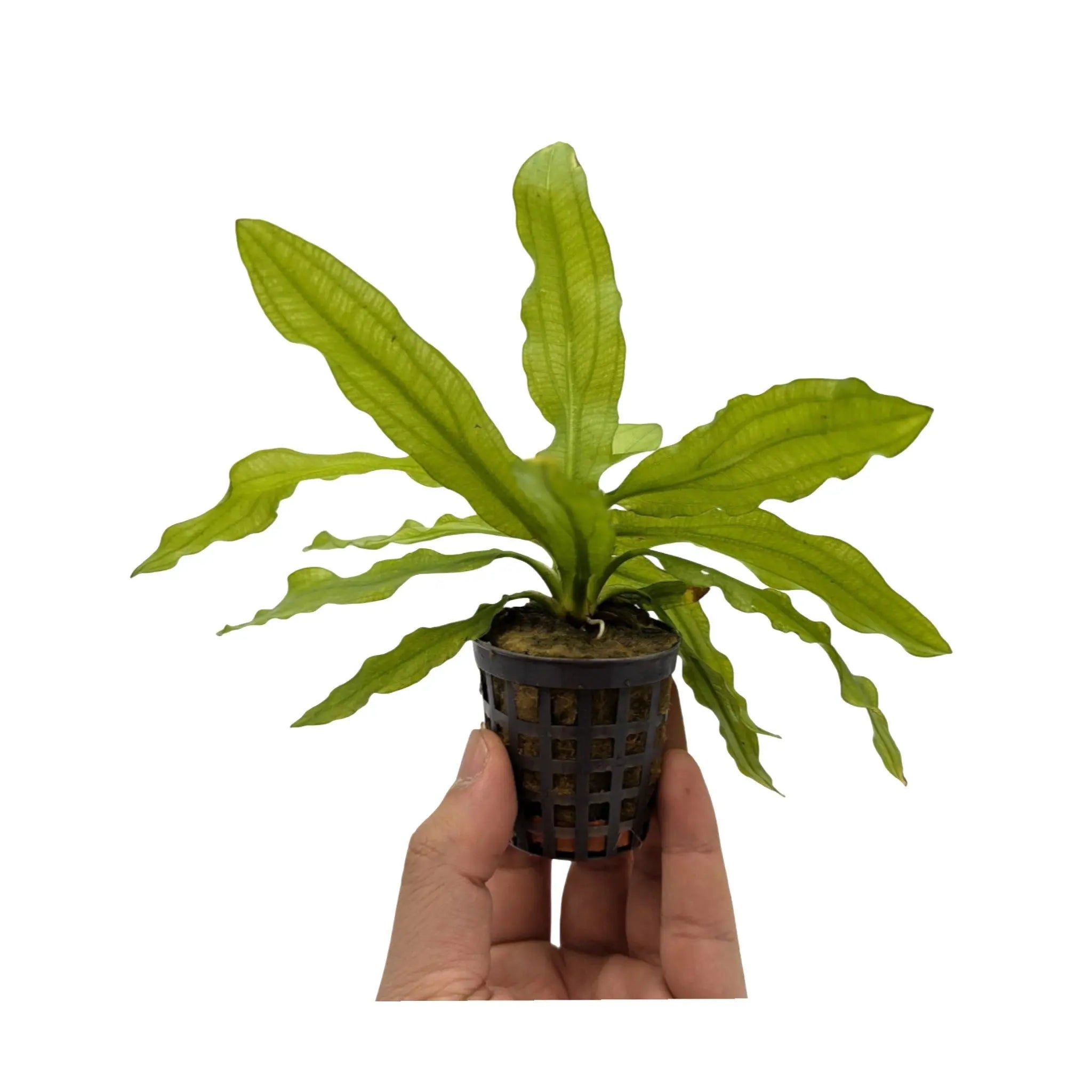
Long wavy-margined leaves on a large established Echinodorus sword plant

Regular price
Β£7.99
Regular price
Sale price
Β£7.99
  • Hurry, only 6 items left in stock!
Quick Facts

Rating:

Common name: Ruffle sword plant

Origin: South America

Position in Aquarium: Midground

Grows up to (cm): 30 cm

Pot Size: 5 cm

Growth rate: Medium pace

Description

Echinodorus martii is a large, elegant sword plant with long, lance-shaped leaves that often display gently undulating margins as they mature. In good conditions it can reach 50 cm or more in height, making it a commanding background specimen for spacious planted aquariums.

This species is straightforward to keep, performing well under medium light without CO2 supplementation. Like most Echinodorus, it draws much of its nutrition from the substrate, so planting into a nutritious base or adding root tabs beneath the plant gives the best results.

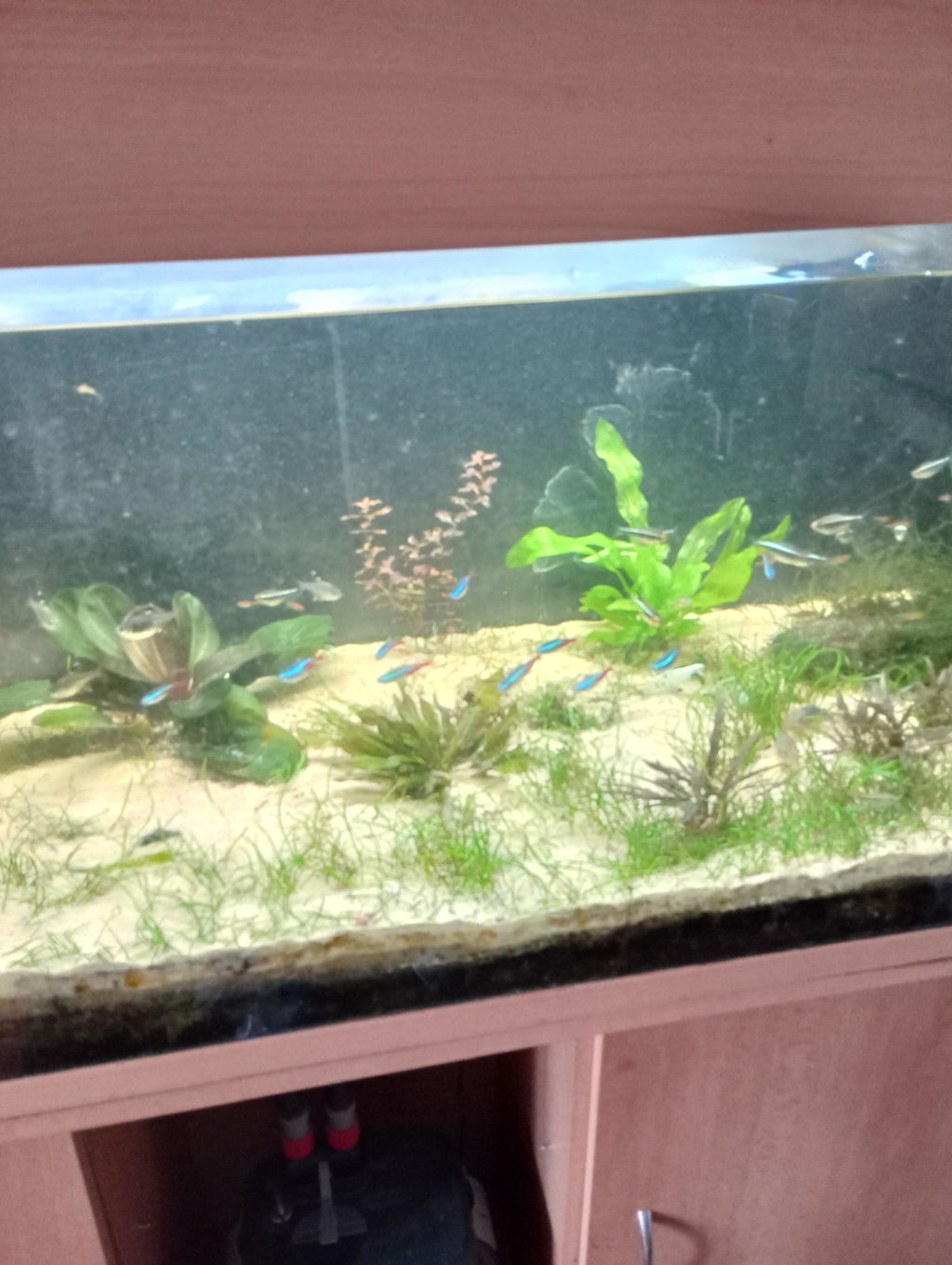
Supplied as an established potted plant, Echinodorus martii suits aquariums of 200 litres or more. Its tall, architectural profile makes it well suited to the back corners of a layout, where its full height can be appreciated while it helps frame the overall composition.

Plant Sizes

You’ll receive a healthy, rooted plant in a pot, similar to those shown. Each one is hand-checked before dispatch.

Shipping

Same-day dispatch on orders placed before 4pm, Monday to Friday. Tracked 24 Service from Β£4.99, DPD Express from Β£6.99.

Echinodorus martii Aquafleur

Product FAQs

Helpful details before you buy.

How large does Echinodorus martii grow?

It can reach 50 cm or more in height with a broad rosette spread. Aquariums of at least 200 litres give it enough room to develop fully.

Does it need CO2 injection?

No. It grows reliably without added CO2, though it benefits greatly from a nutrient-rich substrate or root tabs.

What makes it different from other large sword plants?

Echinodorus martii is noted for its long lance-shaped leaves with gently undulating or wavy margins, giving it a more textured, distinctive look compared to broader-leafed species.

How often should I fertilise it?

Add root tabs every few months to keep the substrate nutritious. Liquid fertiliser can complement this if you notice signs of nutrient deficiency such as yellowing leaves.

Can it be kept in hard water?

Yes. It tolerates a range of water hardness levels and is not demanding about water chemistry, making it adaptable to most tap water conditions.