Skip to product information
1 of 6
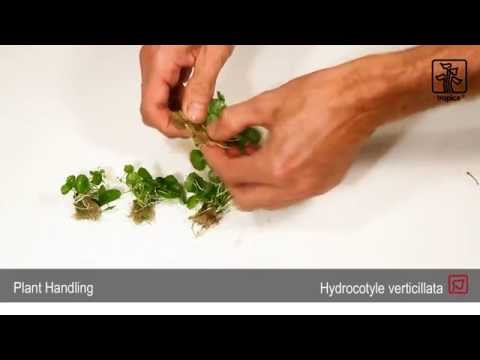
  • Play video

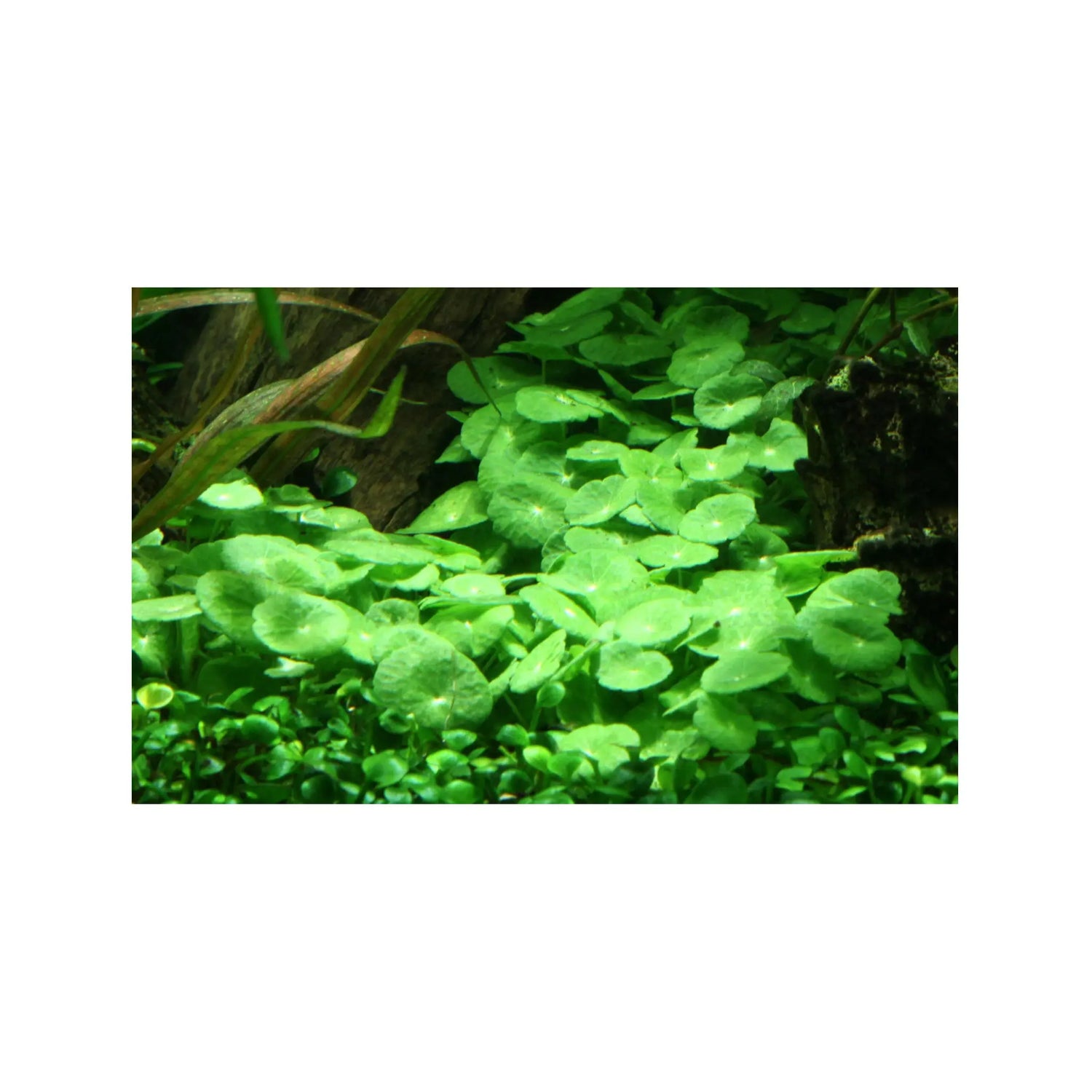
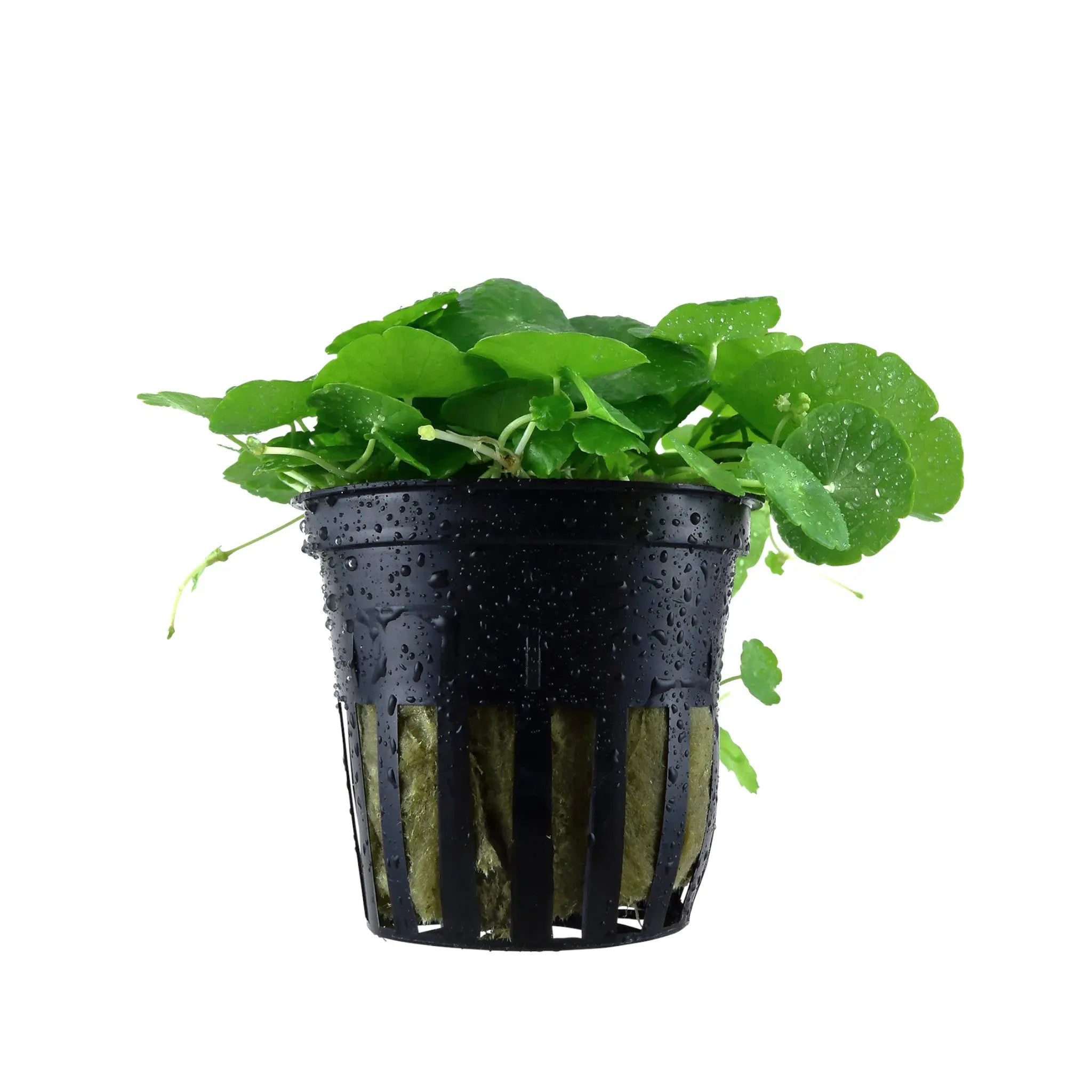
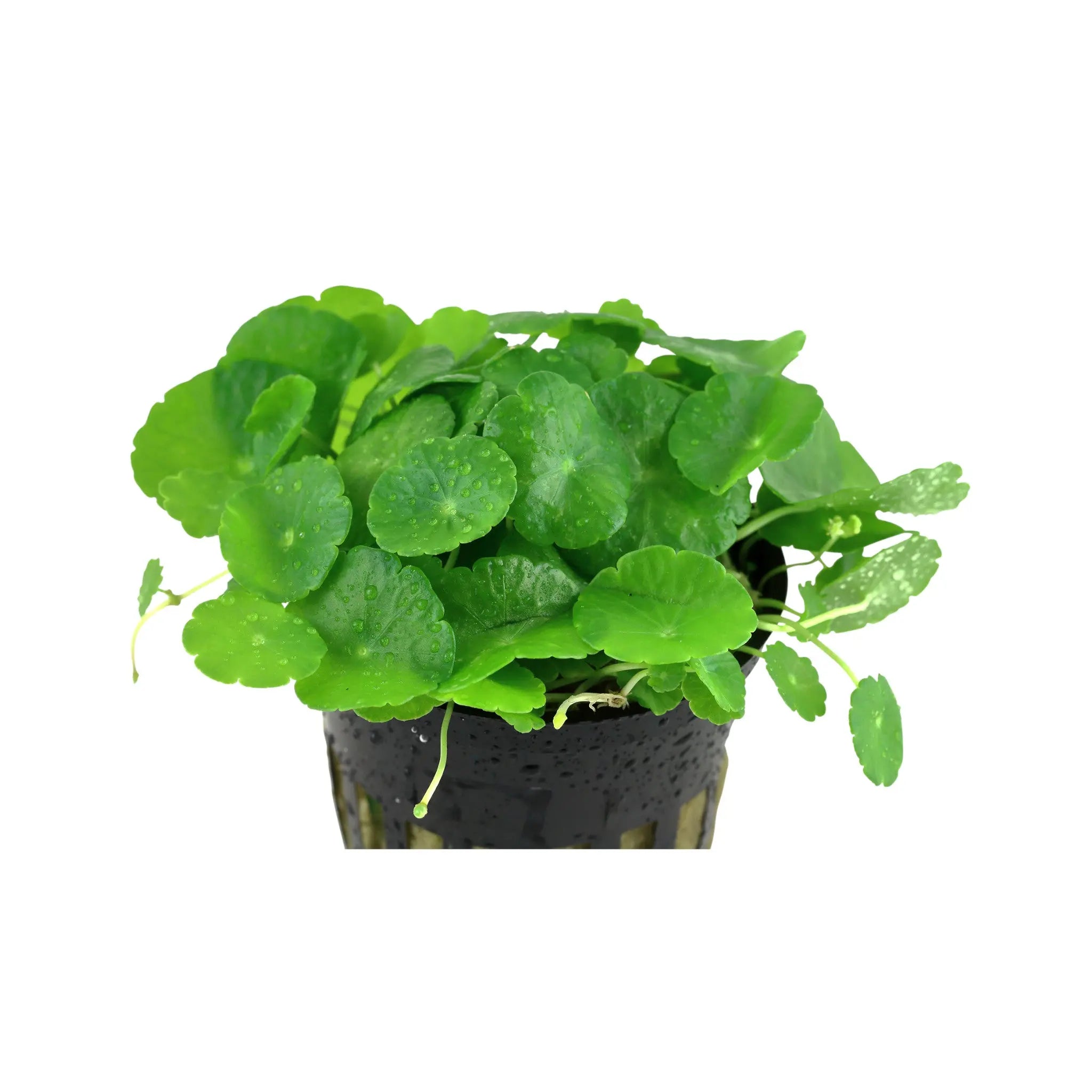
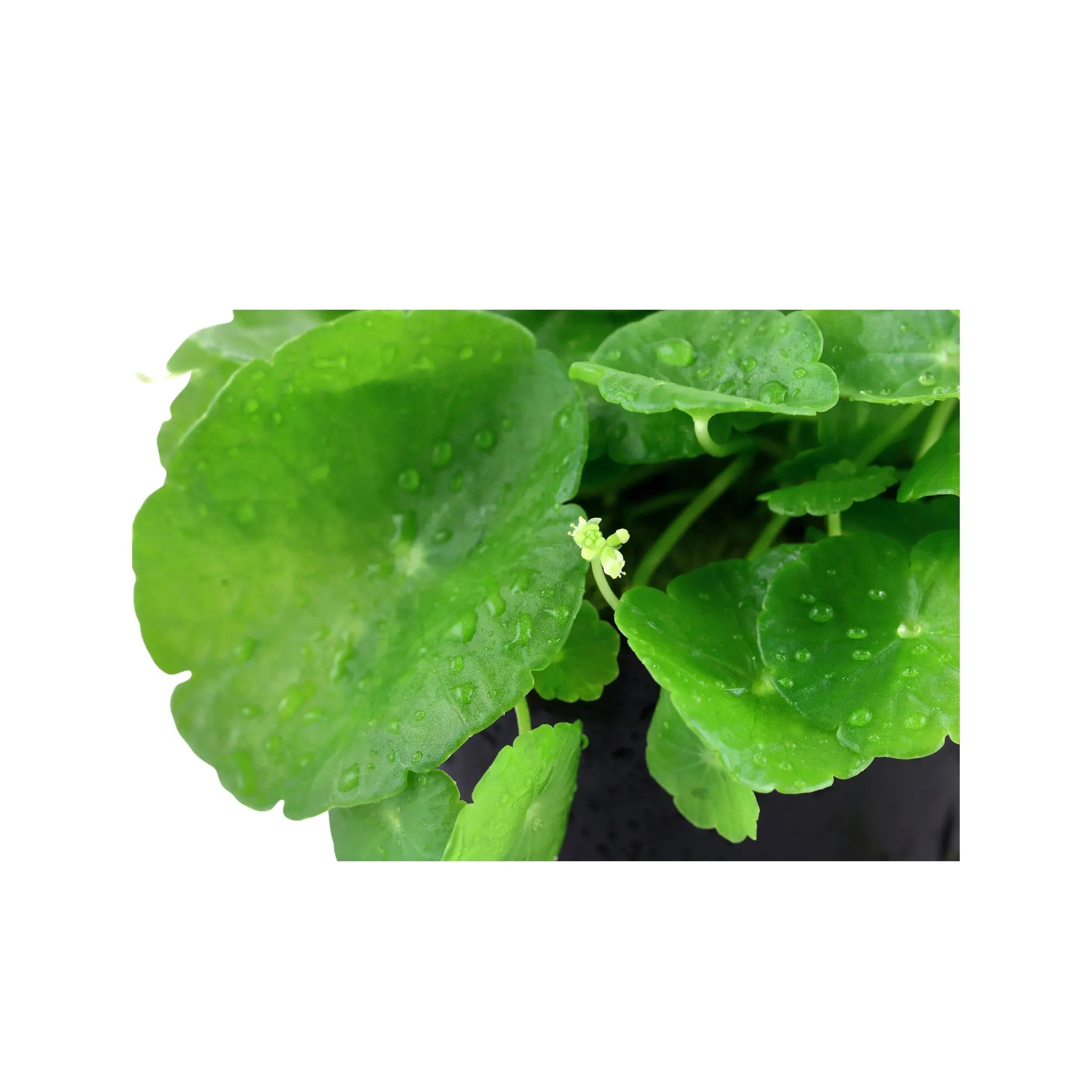
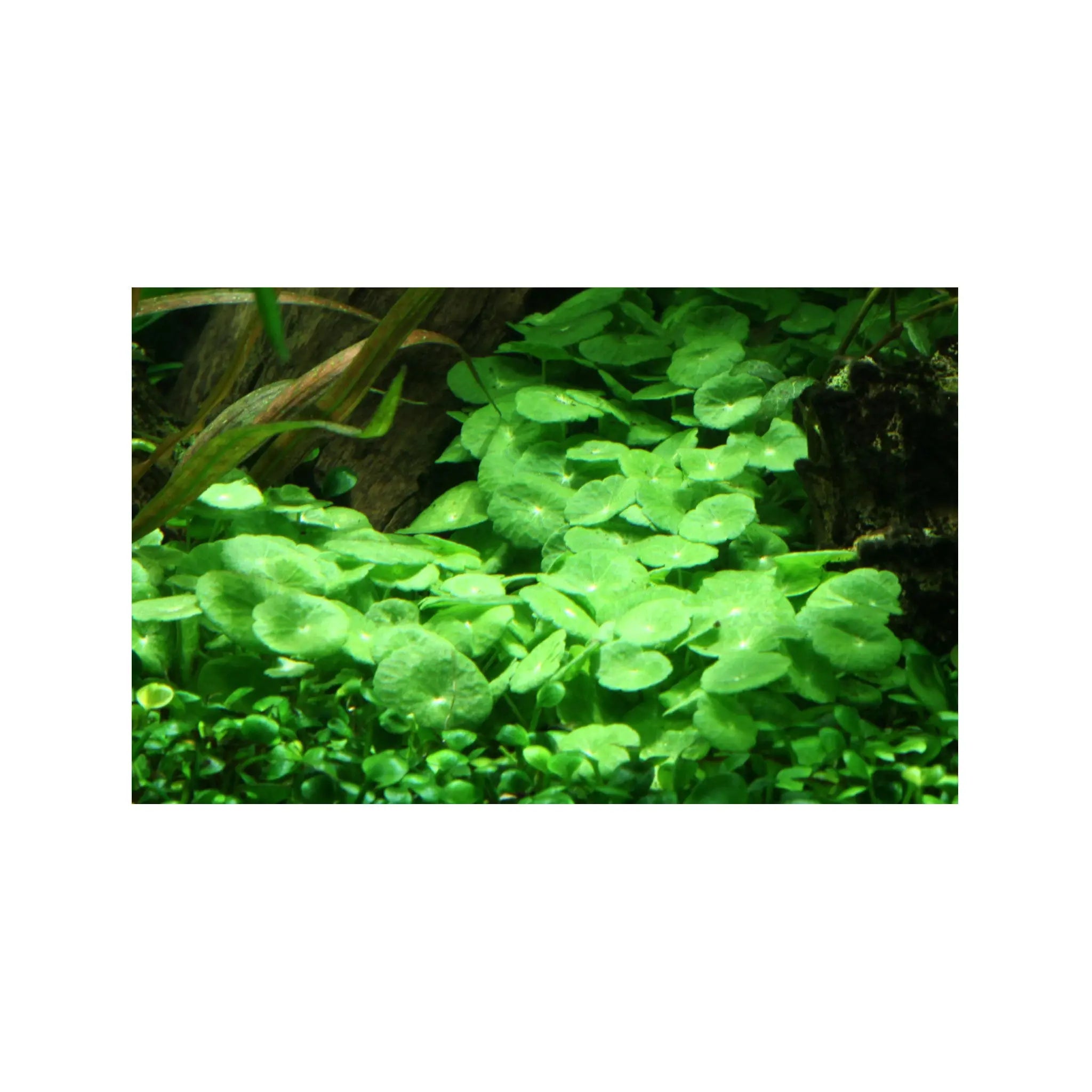
Hydrocotyle verticillata

Disc-shaped whorled leaves on a compact and decorative pennywort plant

Regular price
£7.99
Regular price
Sale price
£7.99
  • Hurry, only 7 items left in stock!
Quick Facts

Rating:

Common name:

Origin: South America

Position in Aquarium: Foreground

Grows up to (cm): 10 cm

Pot Size: 5 cm

Growth rate: Medium pace

Description

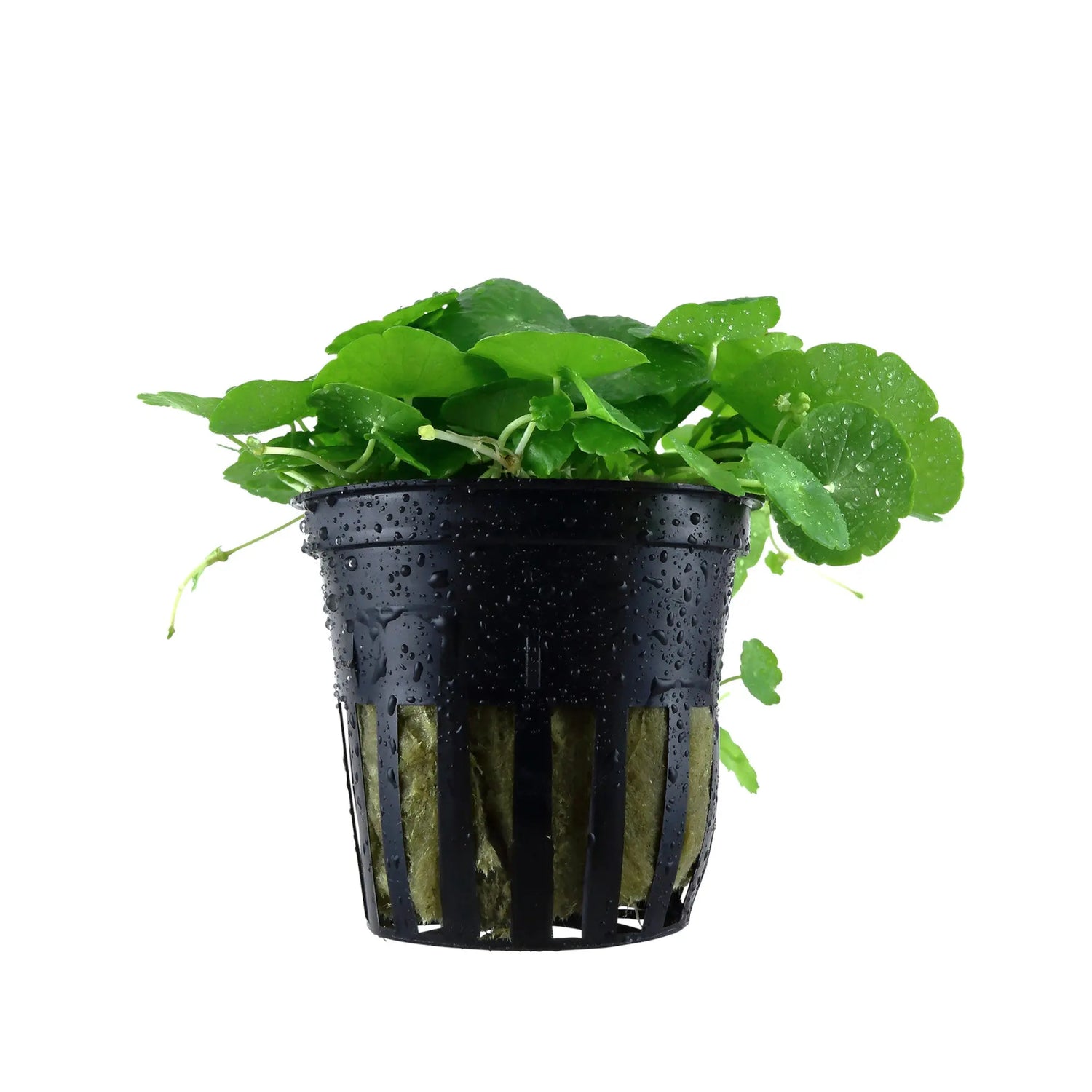
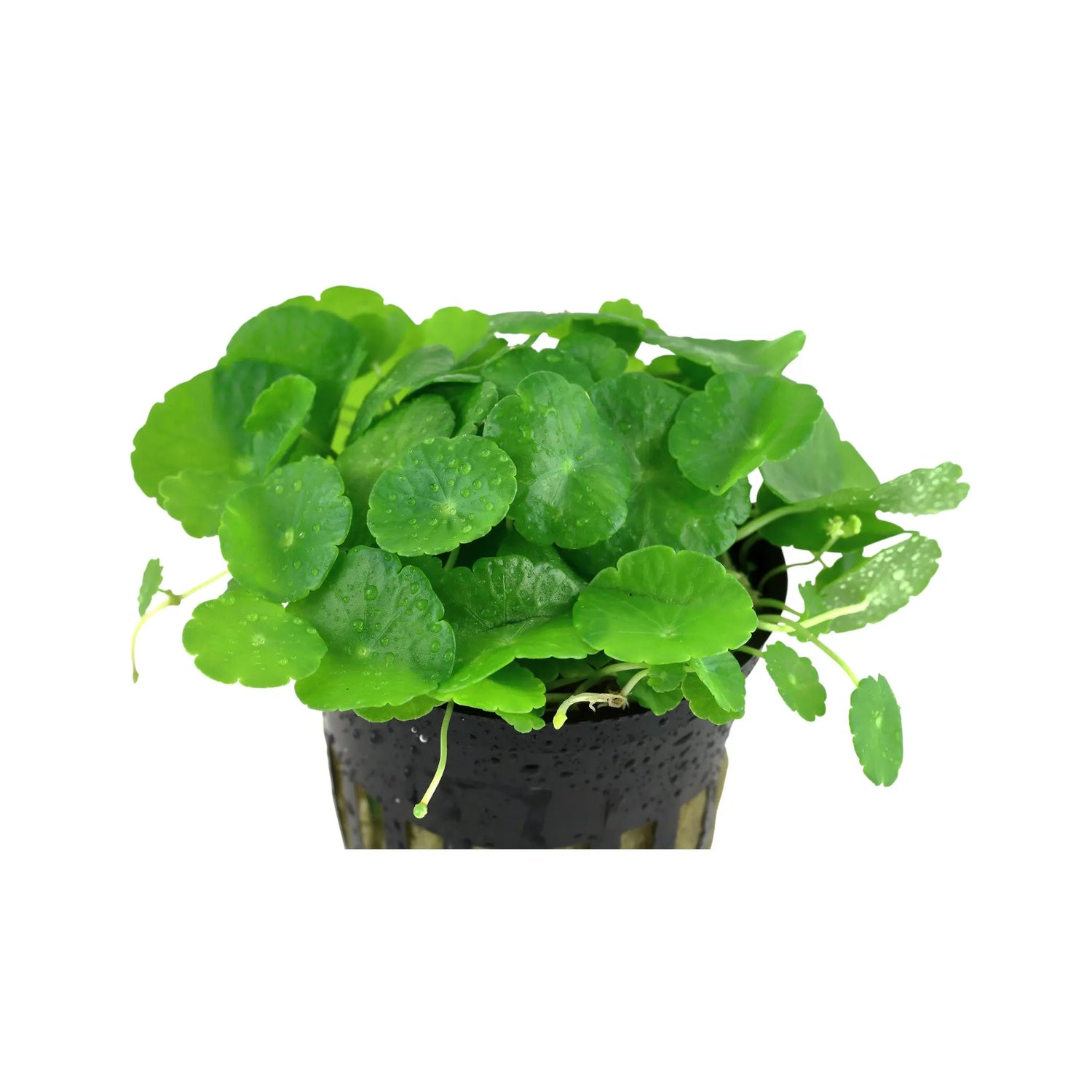
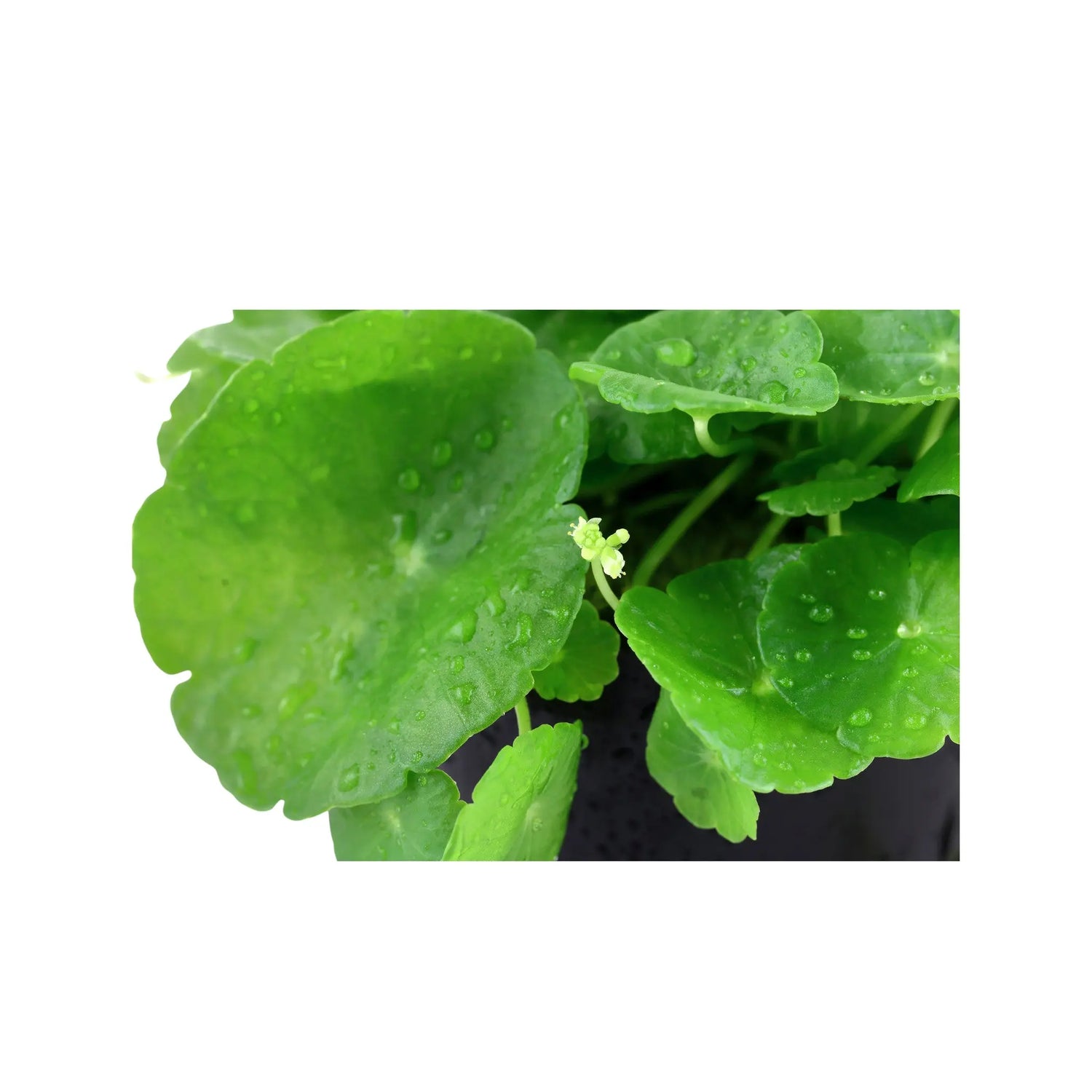
Hydrocotyle verticillata is an unusual pennywort species with distinctive circular, disc-shaped leaves arranged in whorls around upright stems. Its eye-catching structure gives it a sculptural quality unlike most stem plants, making it a decorative foreground or midground accent in planted layouts where unusual leaf form is valued.

It grows best with medium light and CO2 supplementation, which keeps growth compact and the individual leaf whorls well formed. Without CO2 the plant can still be grown but tends to become looser and more upright in habit. It feeds through the substrate and responds well to root fertilisation or a nutritious planting medium.

Supplied as an established potted plant, Hydrocotyle verticillata suits aquariums from 50 litres upward and works well as a foreground accent or low midground feature. Its unusual appearance makes it a popular choice for hobbyists looking for something distinctly different from standard stem plants.

Plant Sizes

You’ll receive a healthy, rooted plant in a pot, similar to those shown. Each one is hand-checked before dispatch.

Shipping

Same-day dispatch on orders placed before 4pm, Monday to Friday. Tracked 24 Service from £4.99, DPD Express from £6.99.

Hydrocotyle verticillata (Whorled umbrella plant) Aquafleur
Hydrocotyle verticillata

Product FAQs

Helpful details before you buy.

What makes Hydrocotyle verticillata unusual?

Its leaves are round and disc-shaped, arranged in whorls around upright stems rather than growing as individual leaves along the stem. The effect is distinctive and sculptural.

Does it need CO2?

CO2 is recommended for compact, well-formed growth. Without CO2 it grows more loosely and may become taller and less structured.

How large does it grow?

It typically stays low to medium in height, making it suitable for the foreground to lower midground of most aquariums.

Is it easy to keep?

It is manageable for hobbyists with medium light and ideally CO2. It is not the most demanding plant but rewards attention to light and nutrients.

How do I propagate it?

Trim stems and replant the cuttings. Each cutting will develop new roots in the substrate and continue growing.