



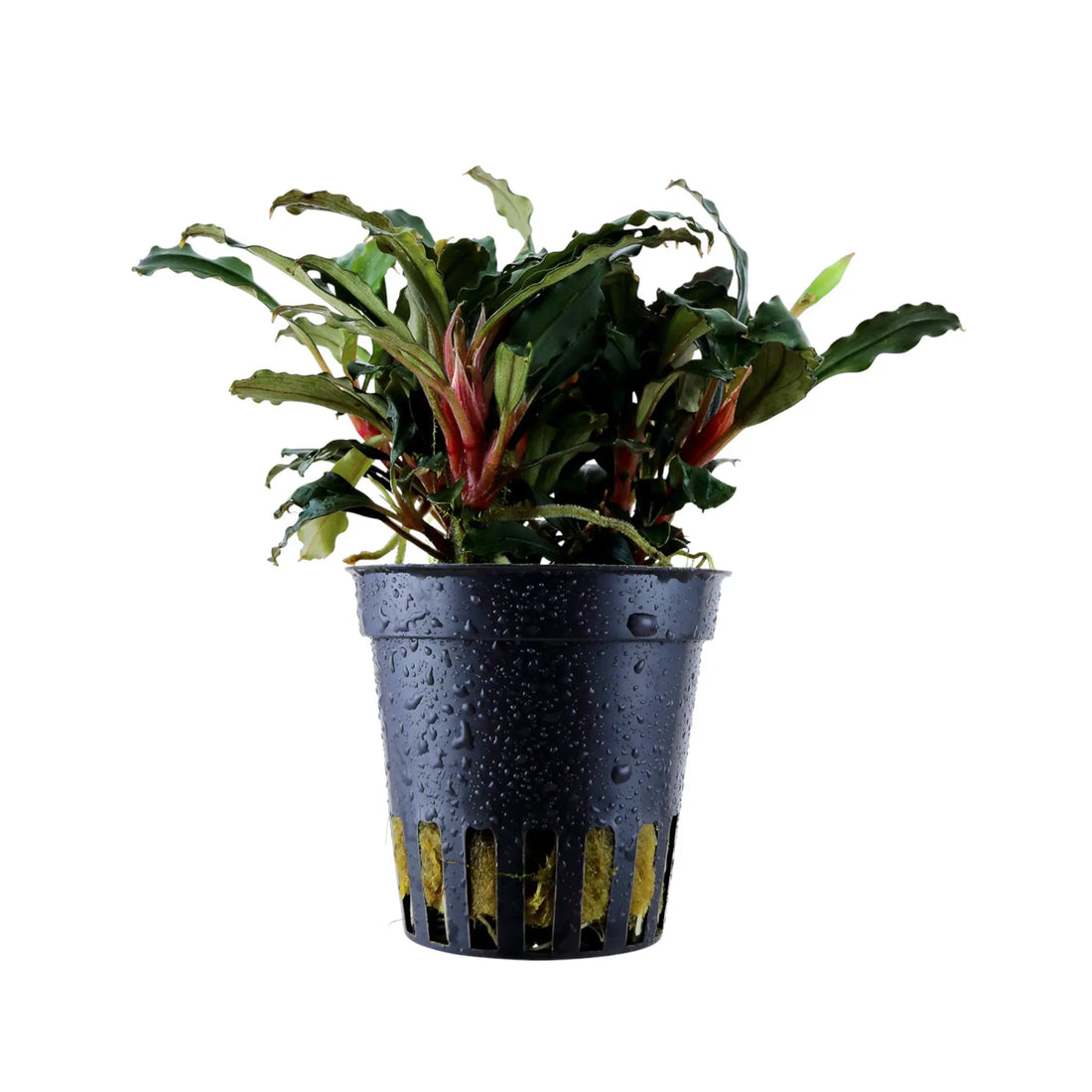
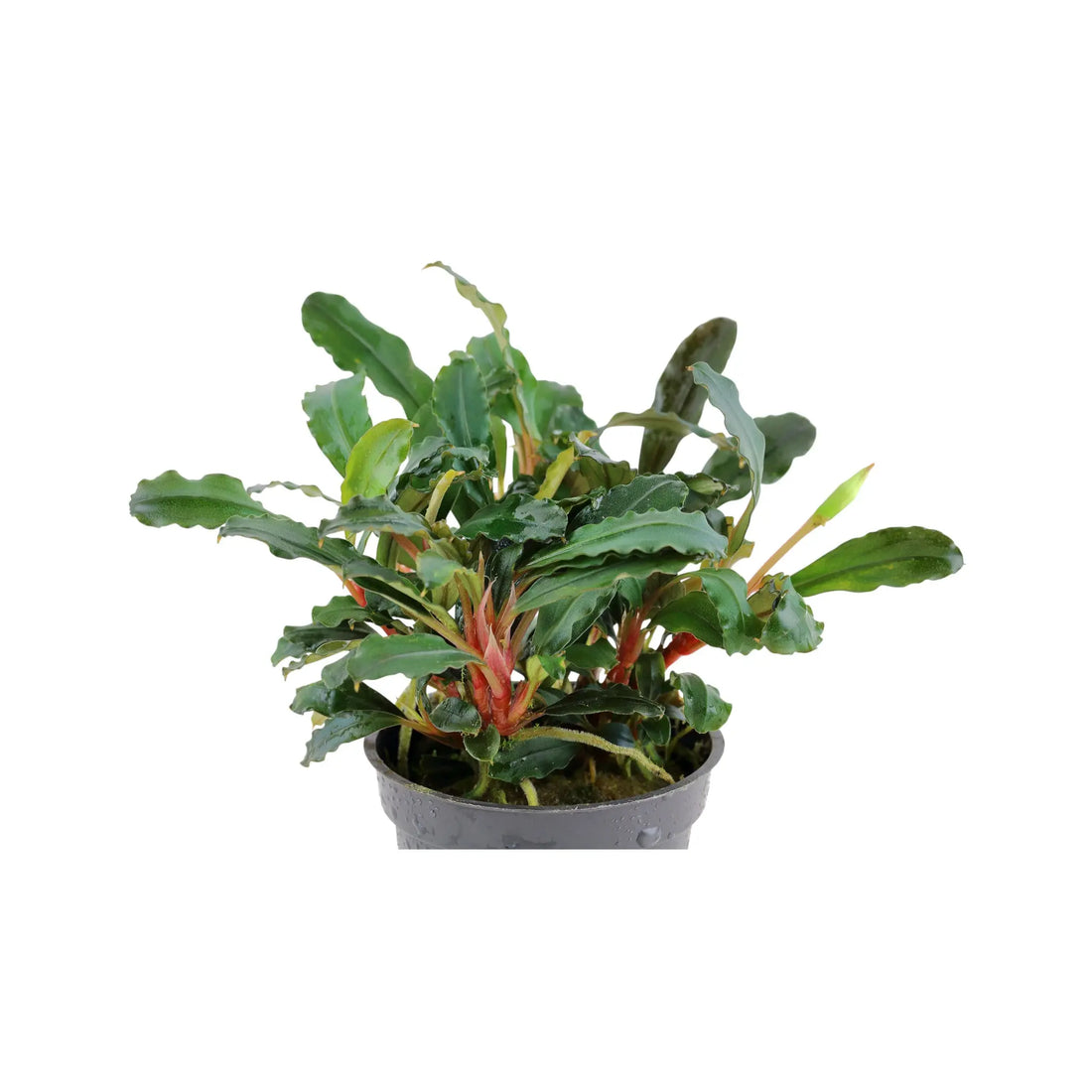
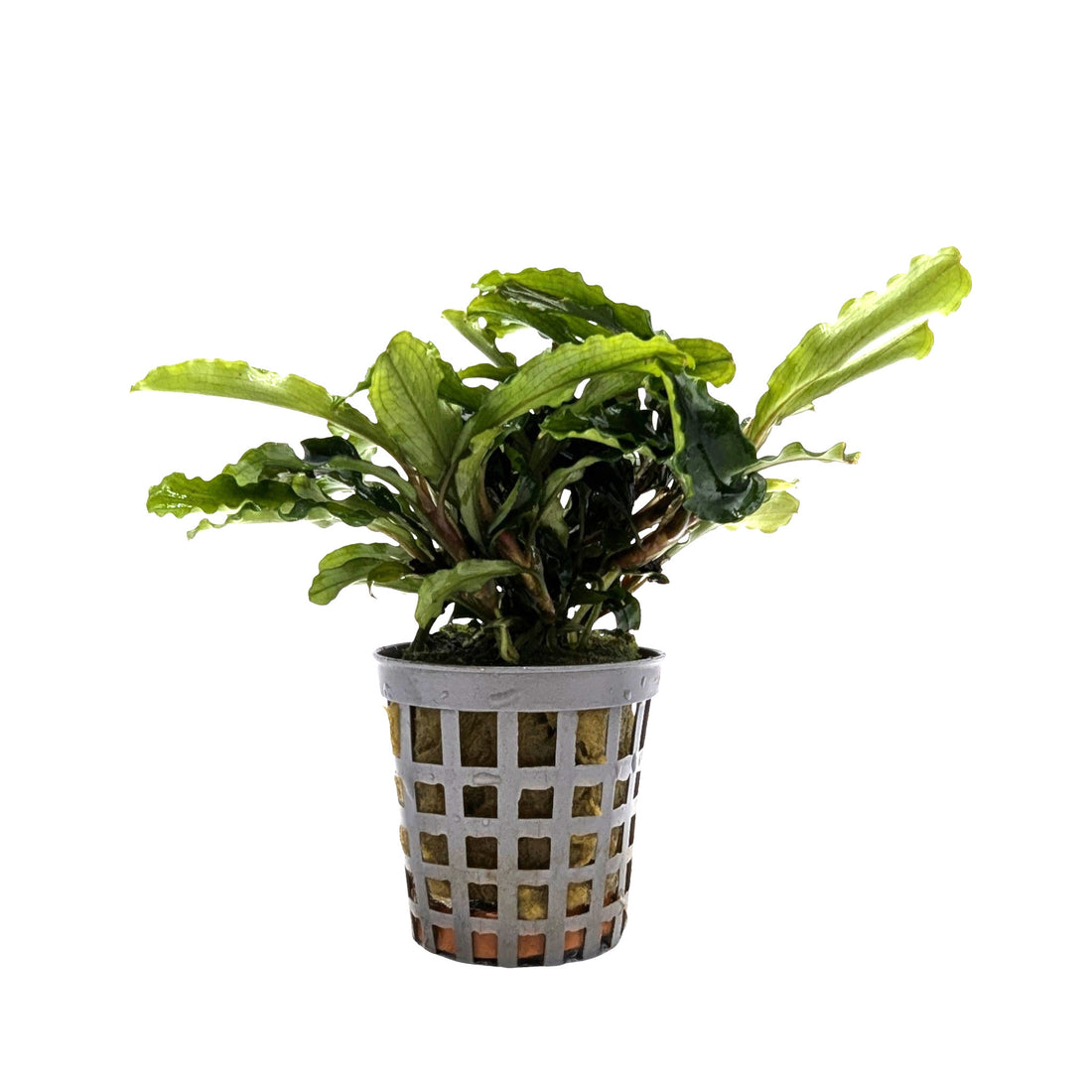
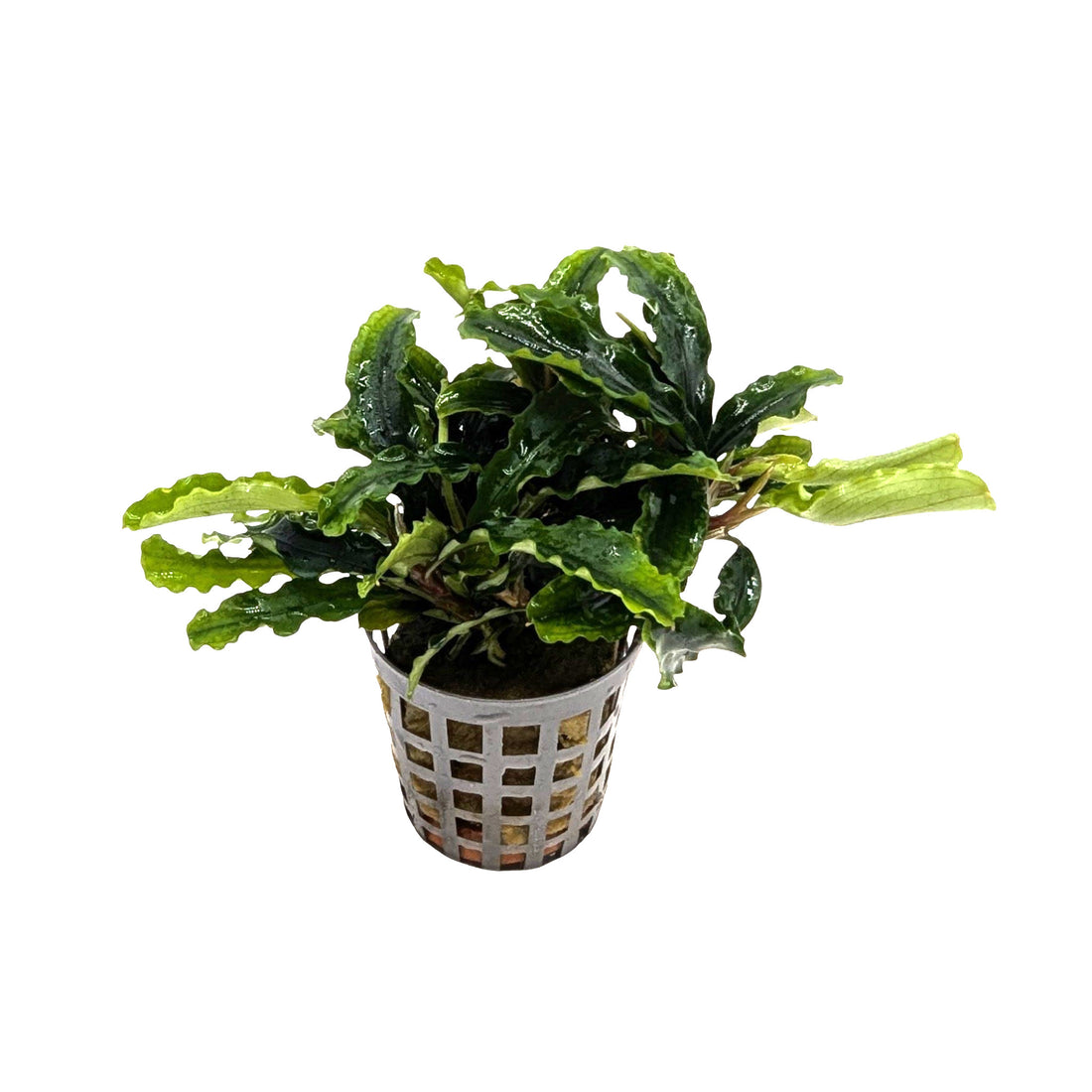
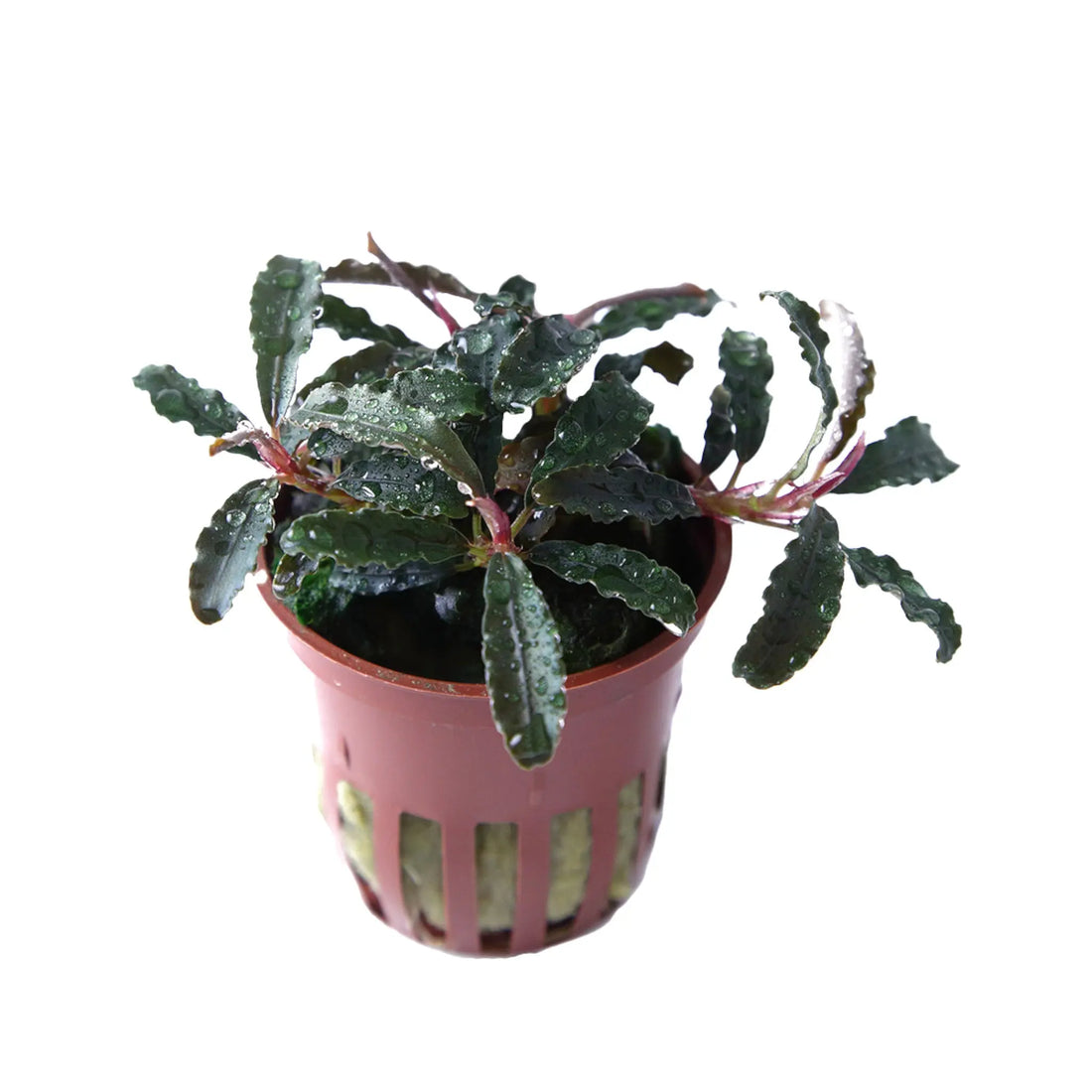
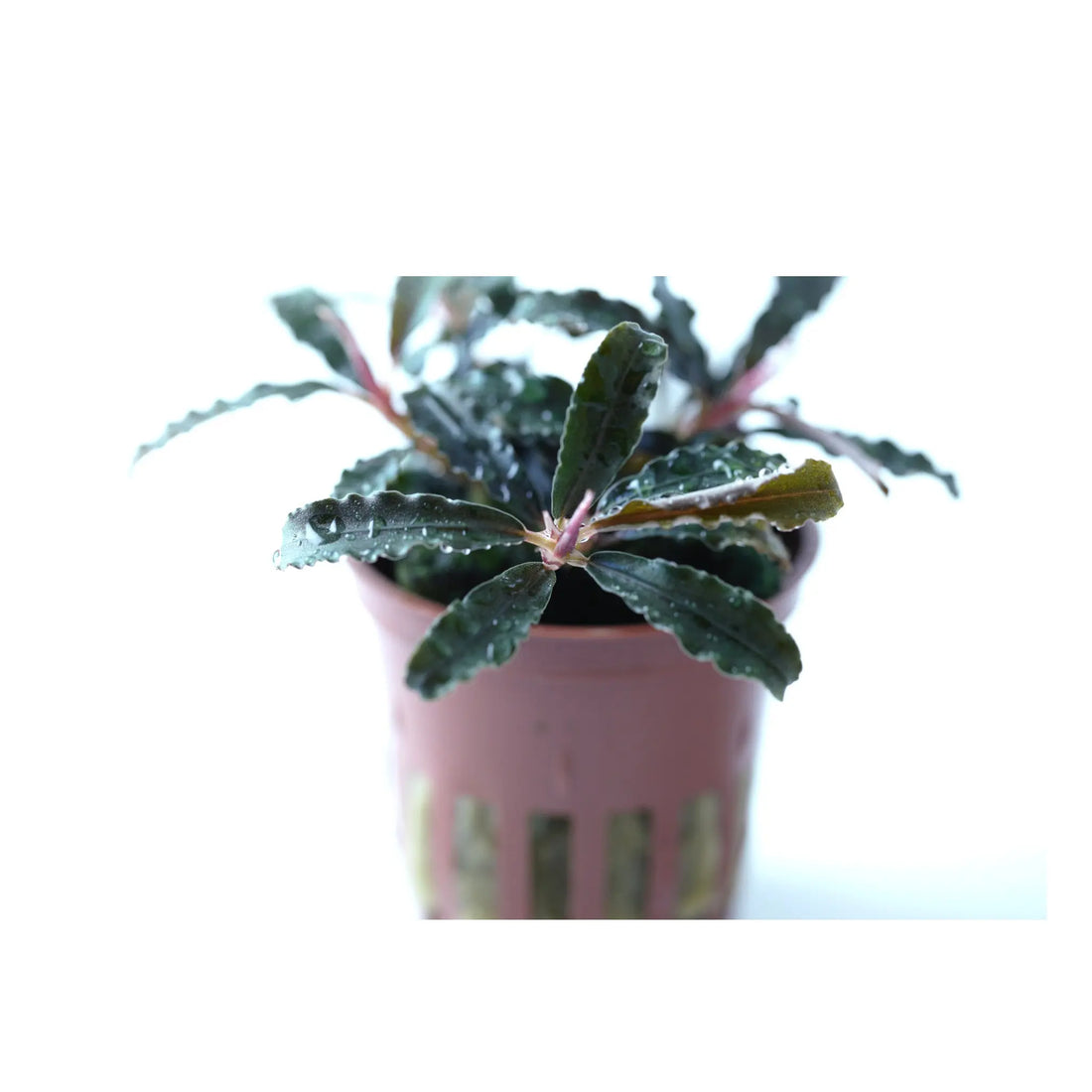
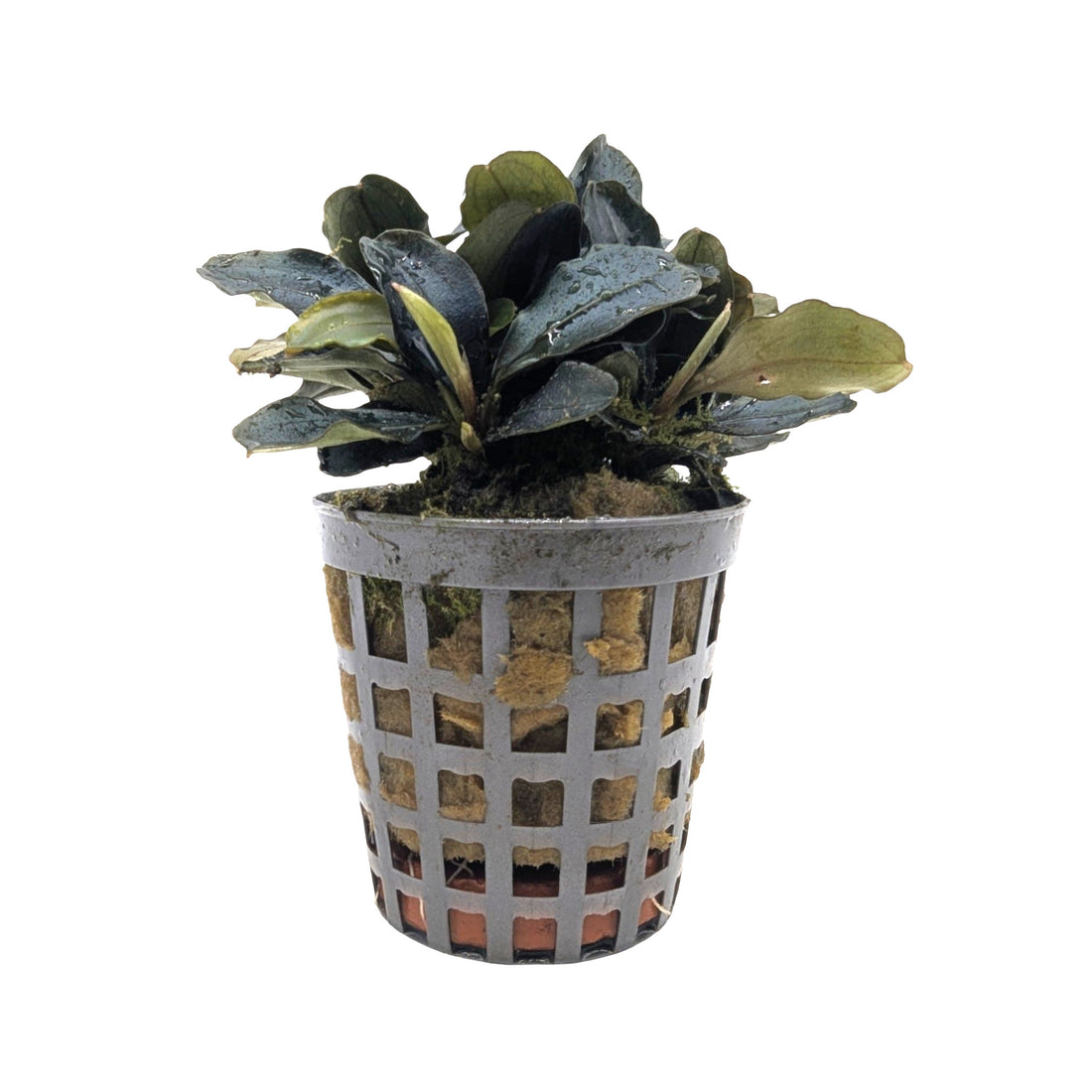
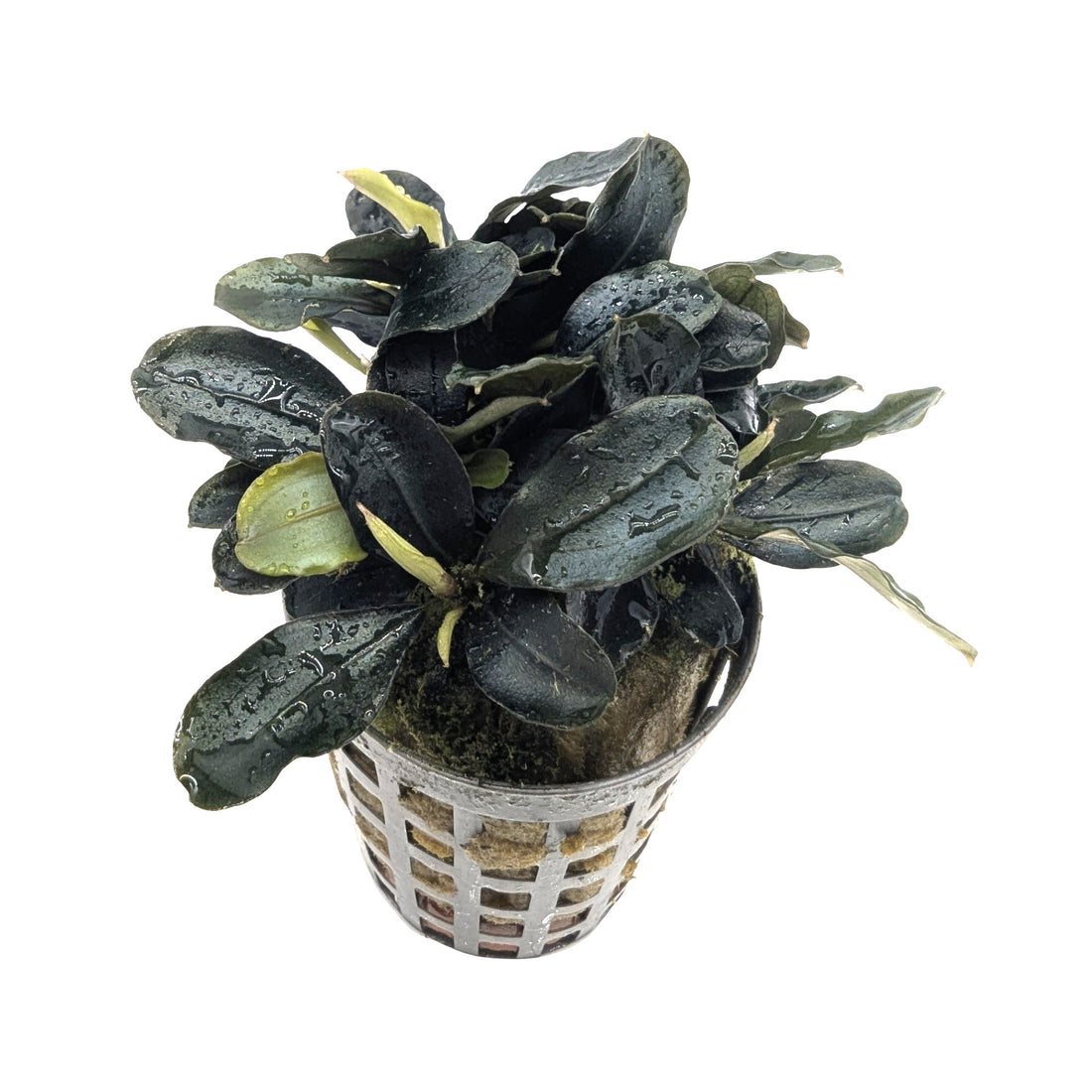
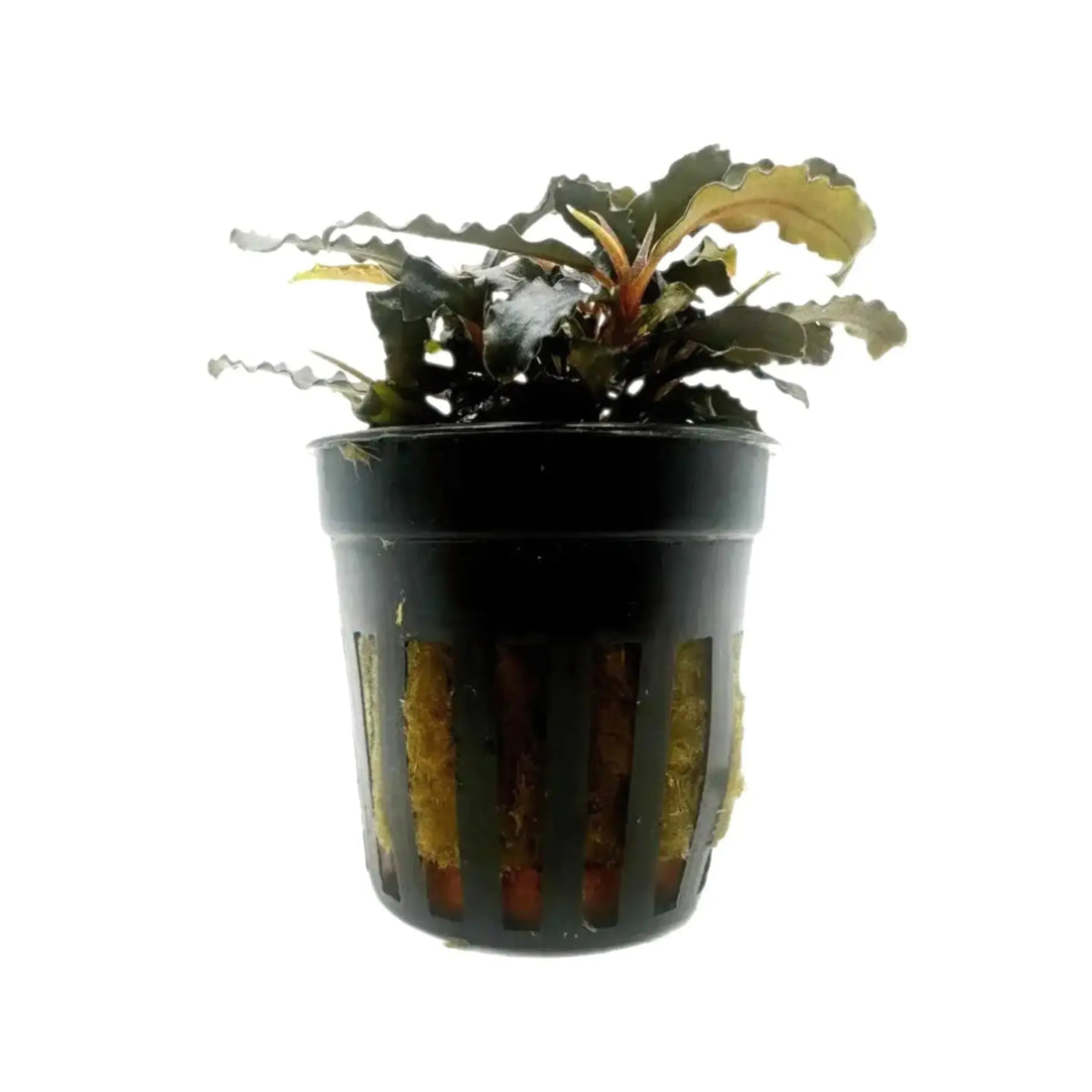
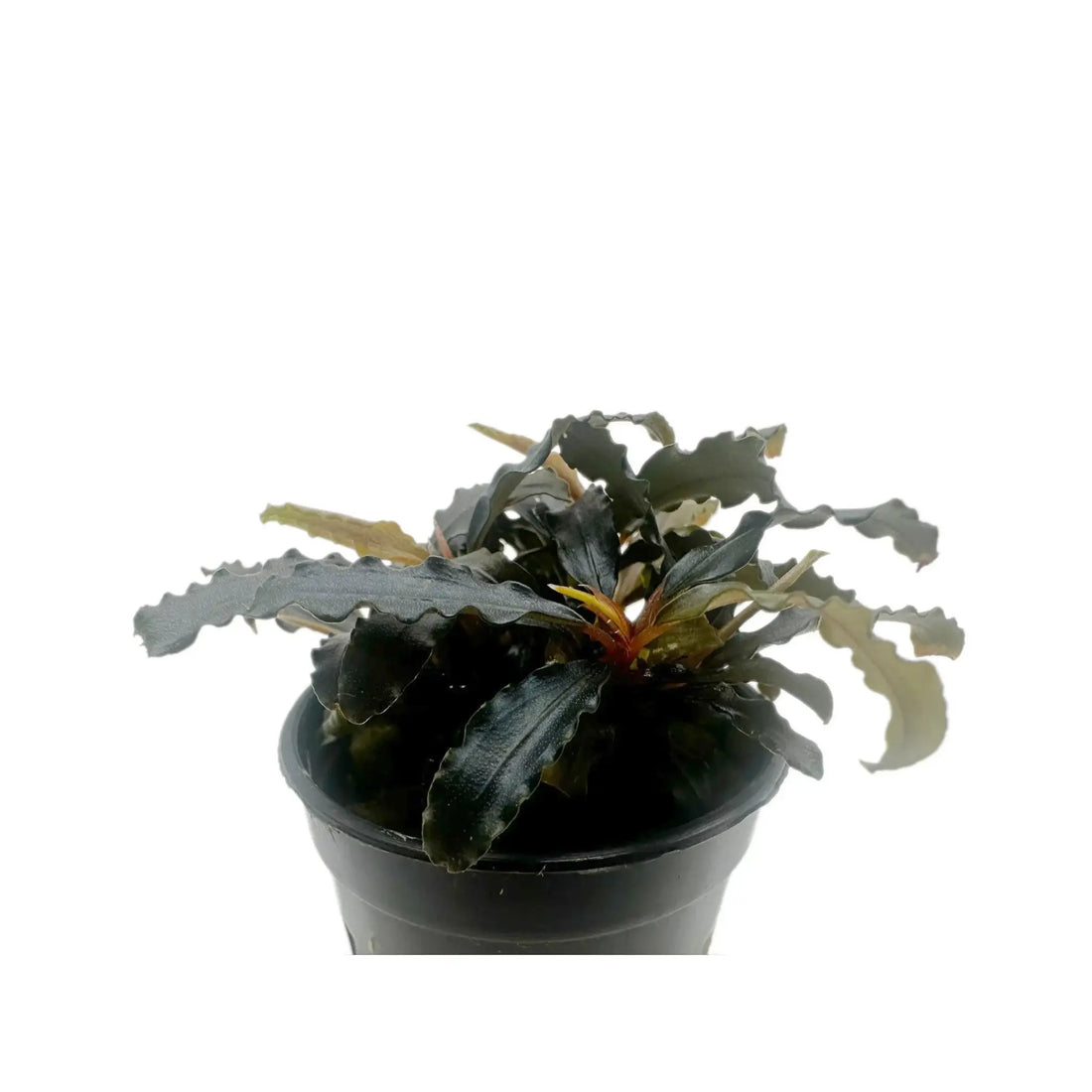
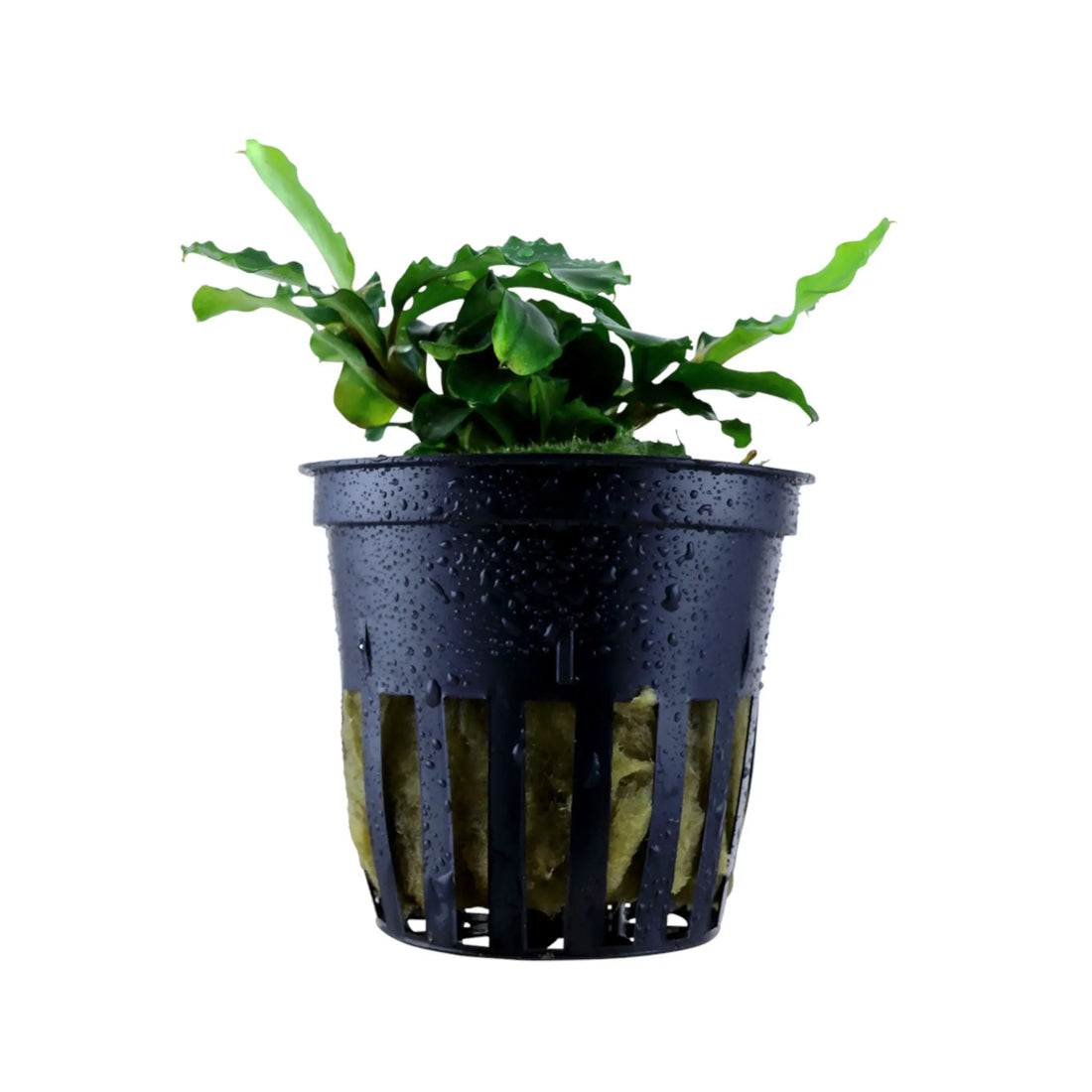
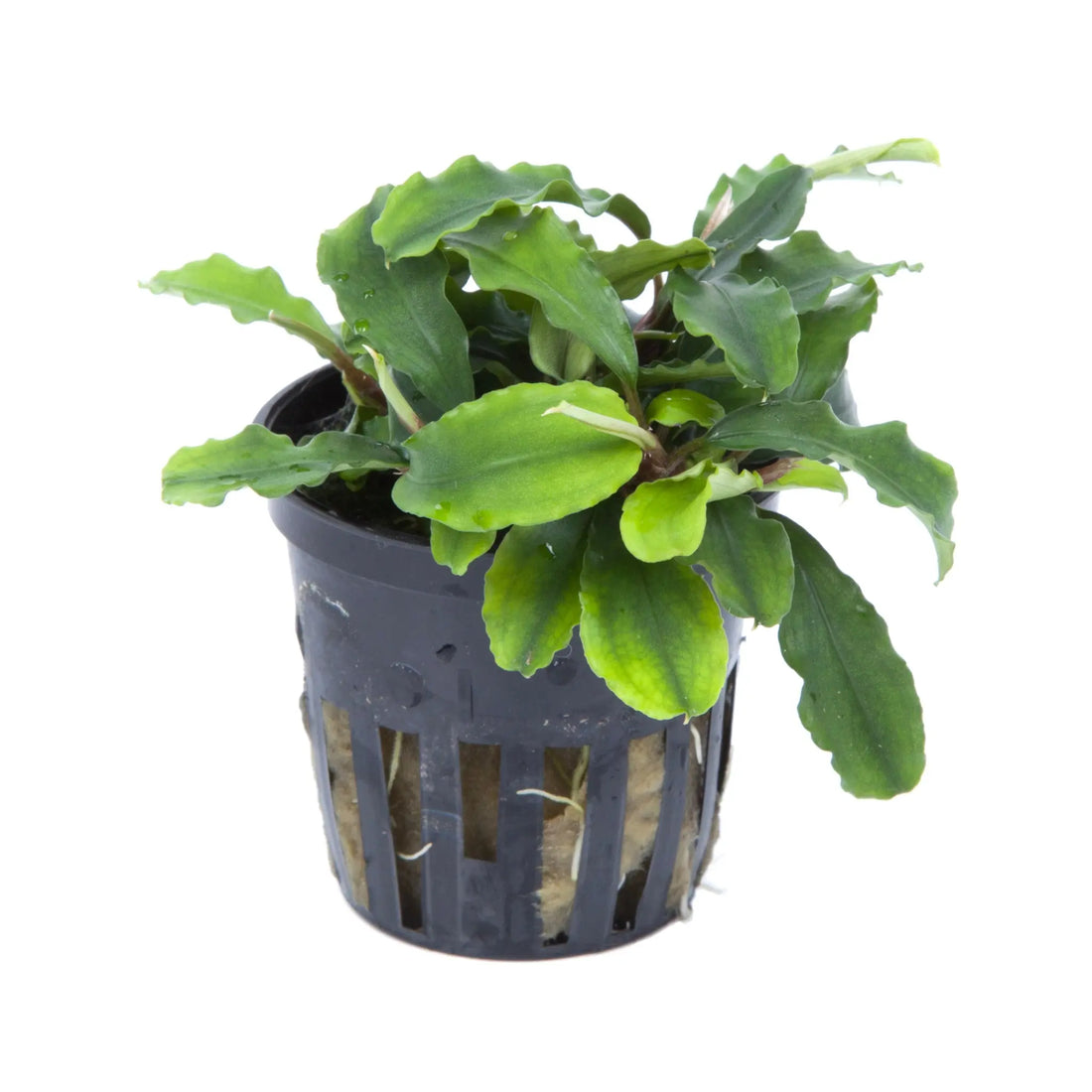
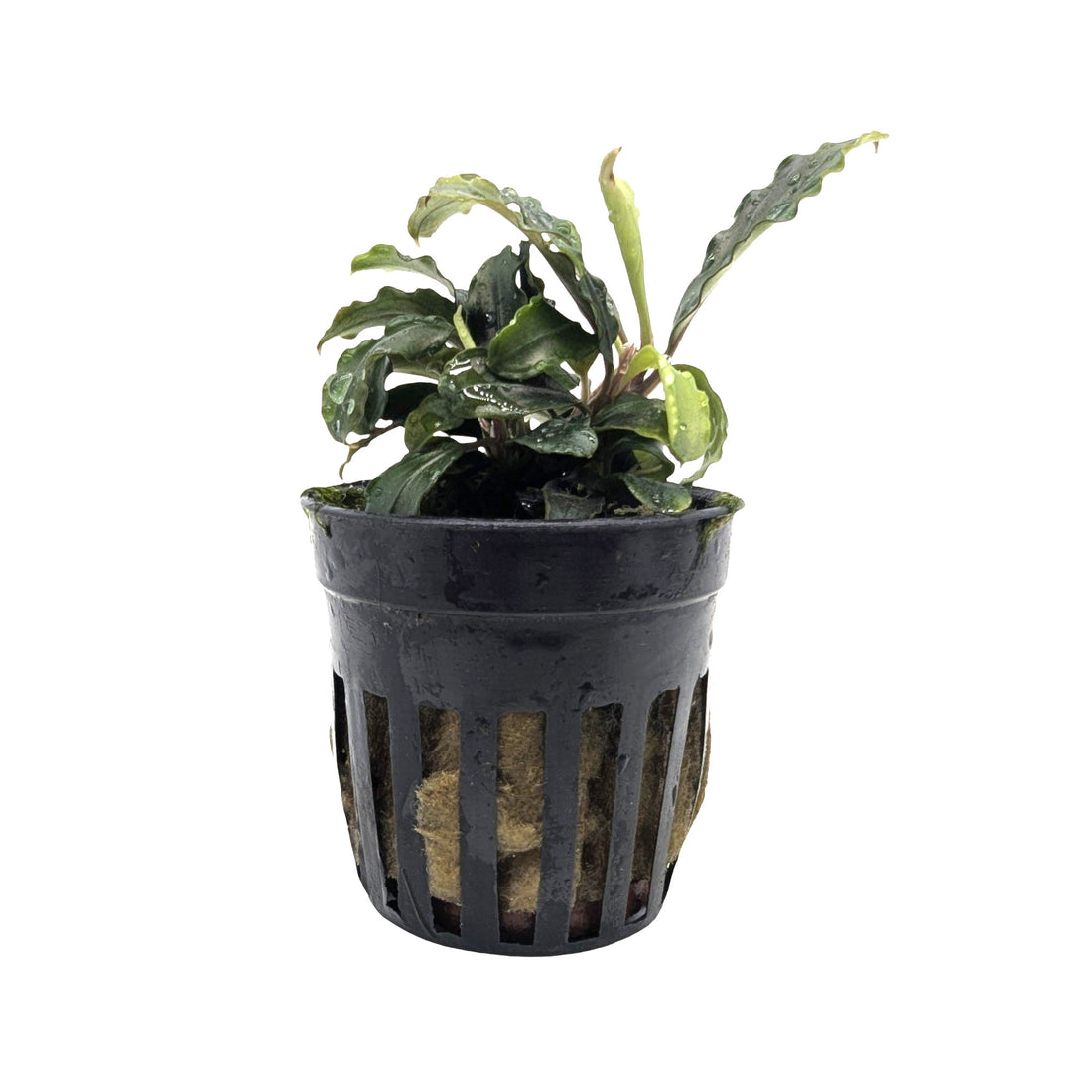
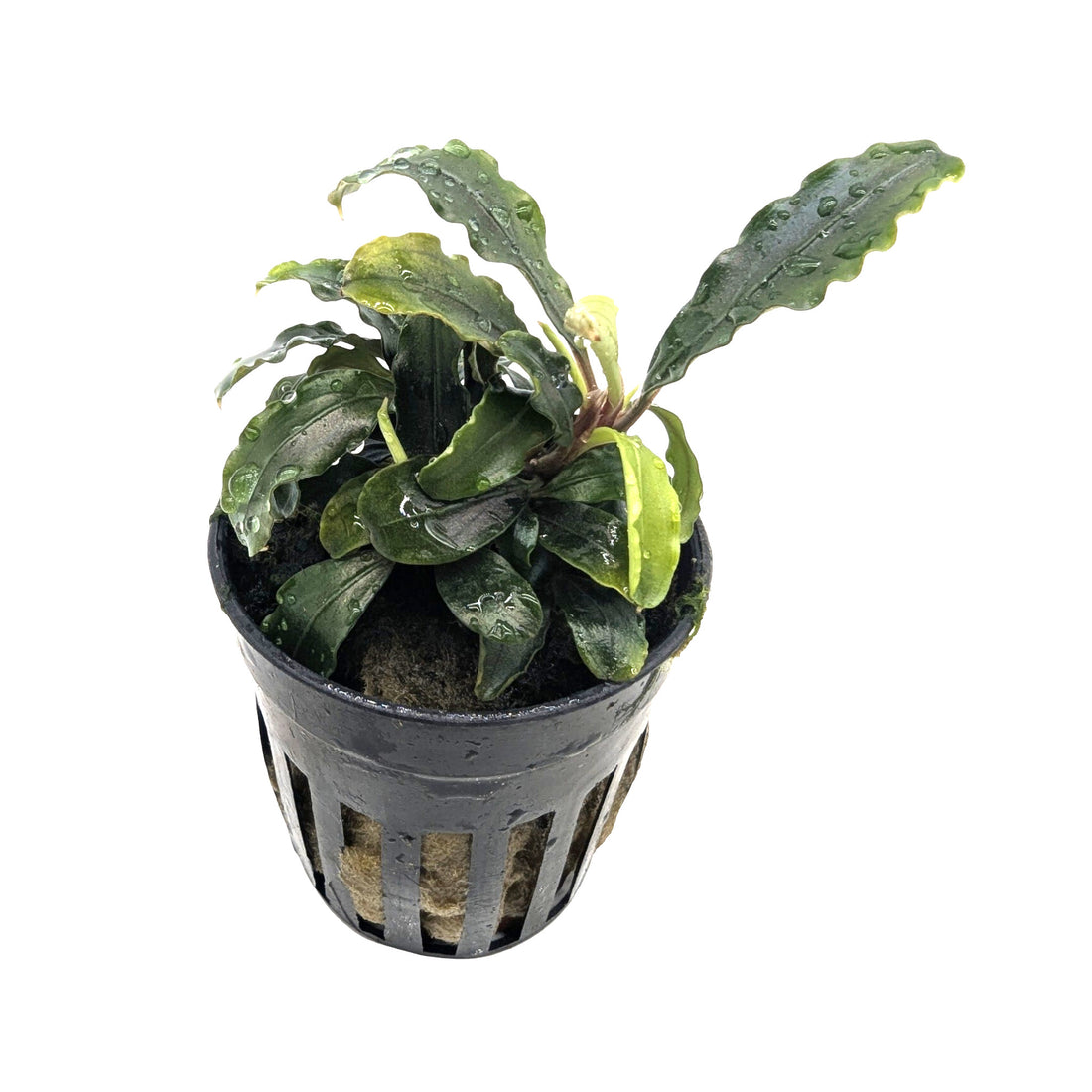

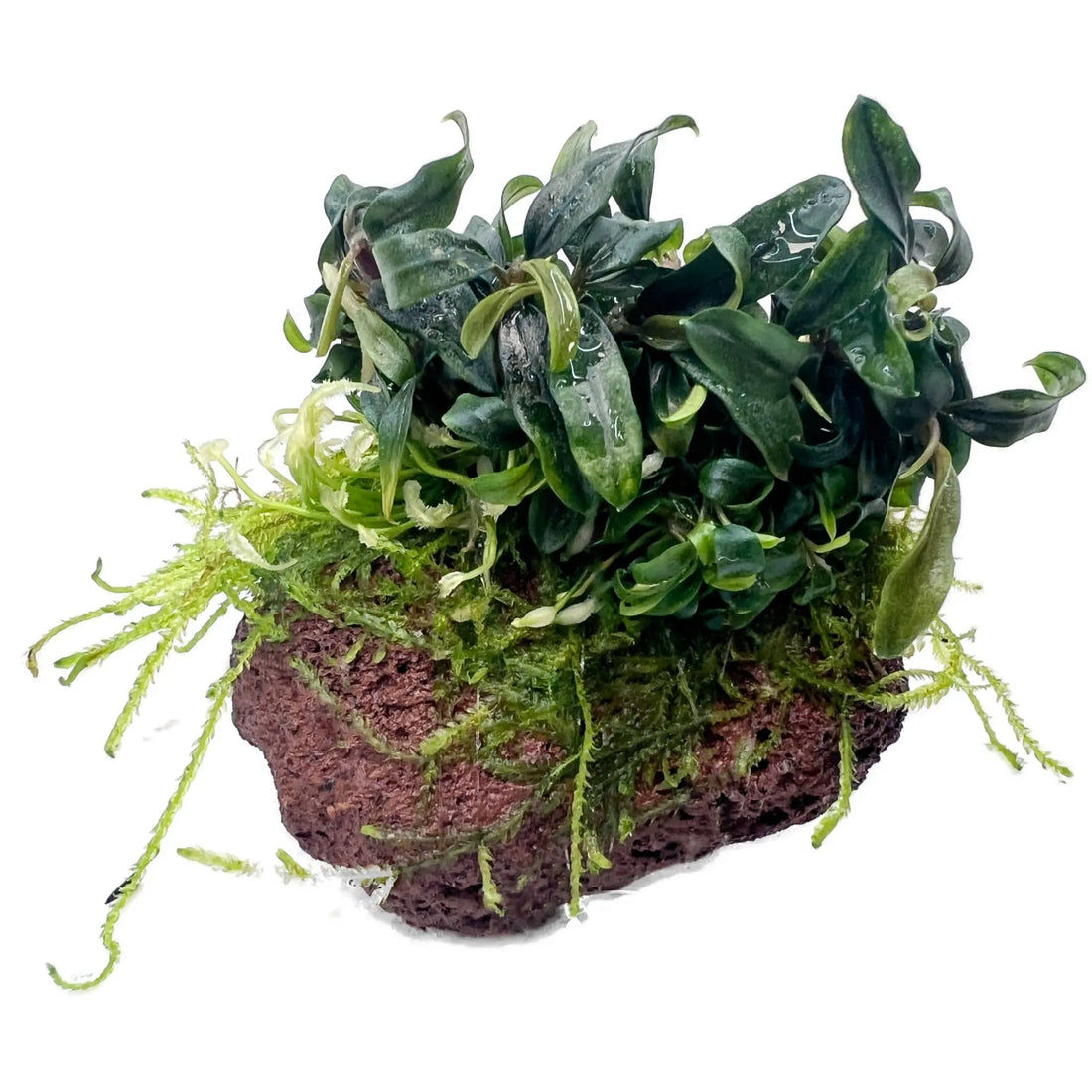


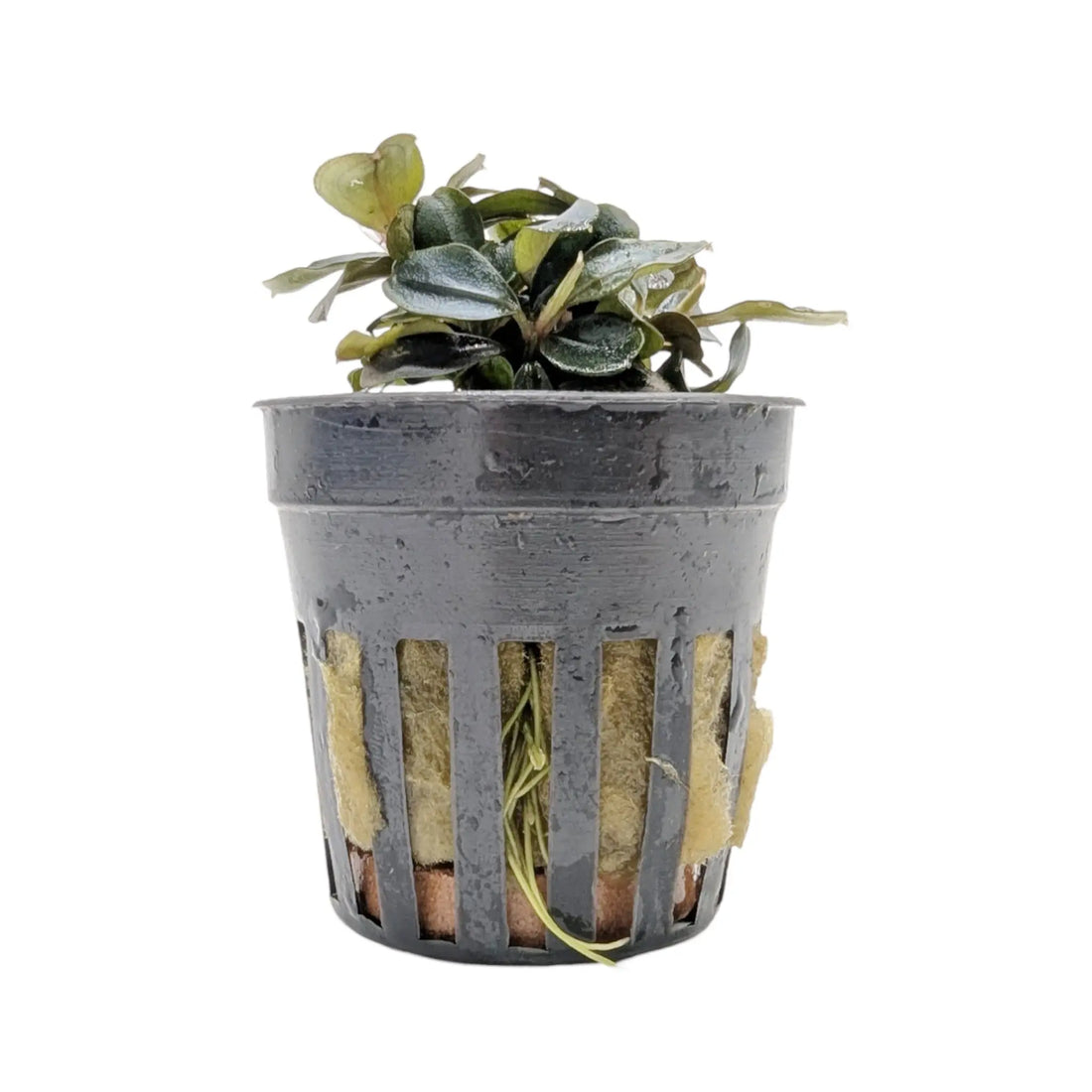
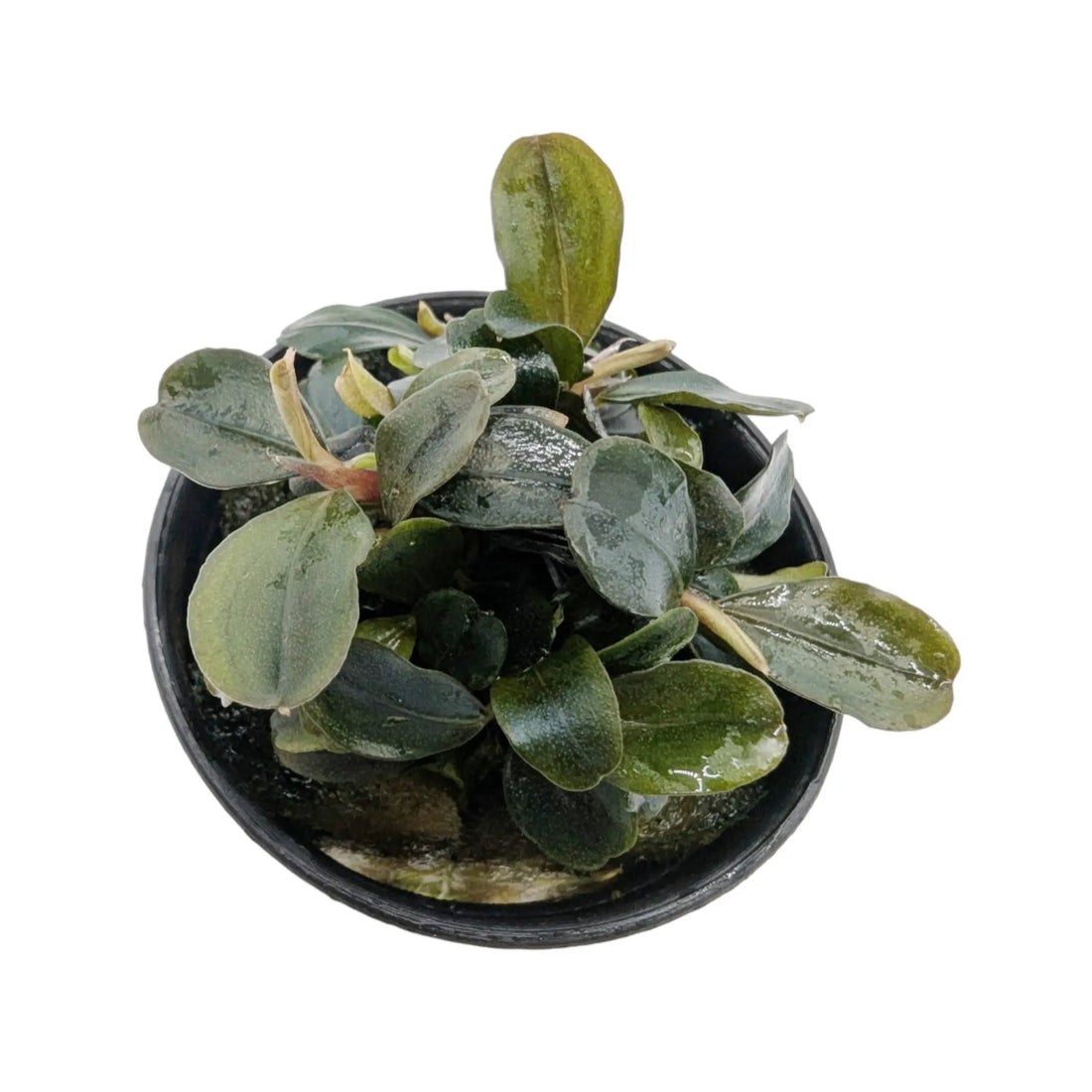
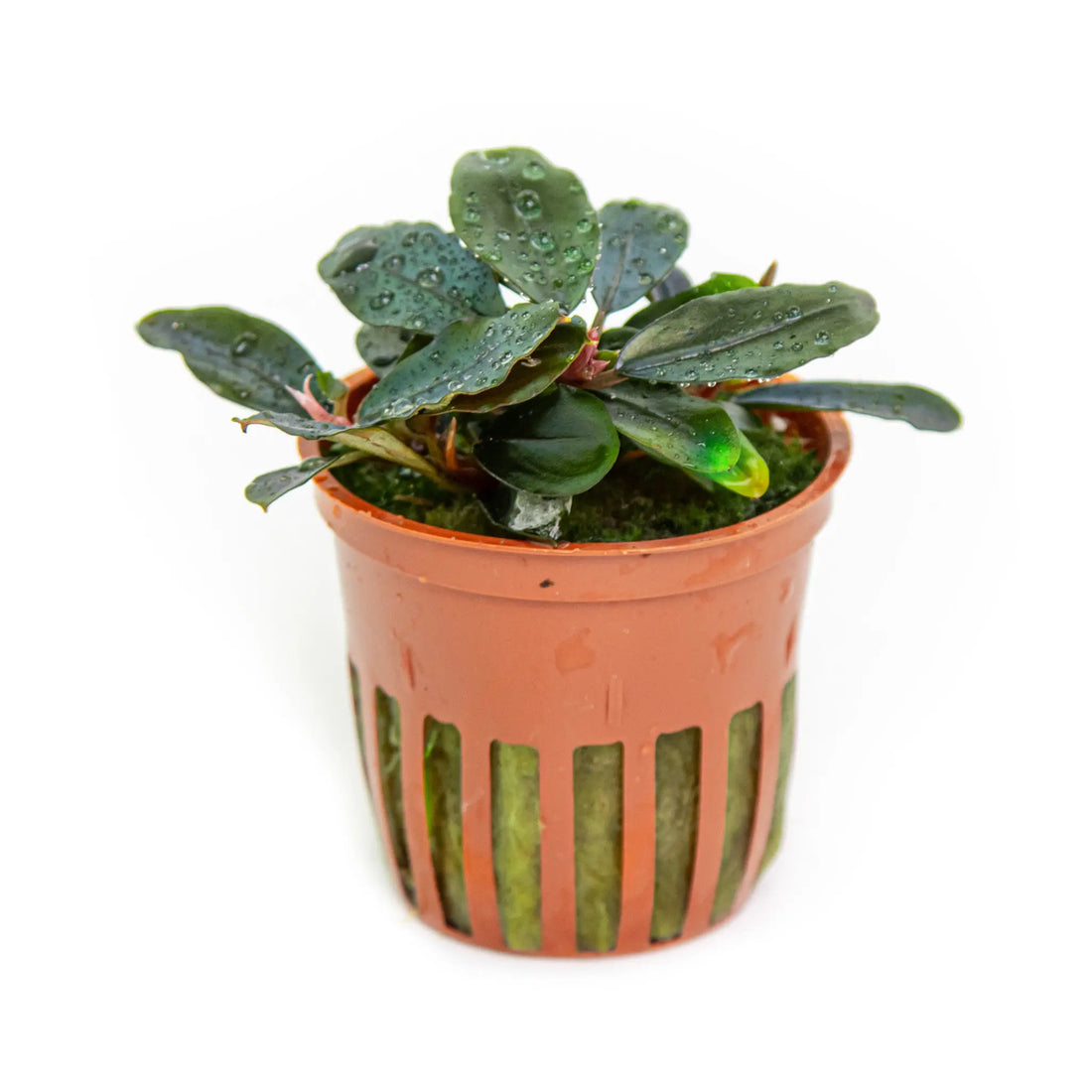
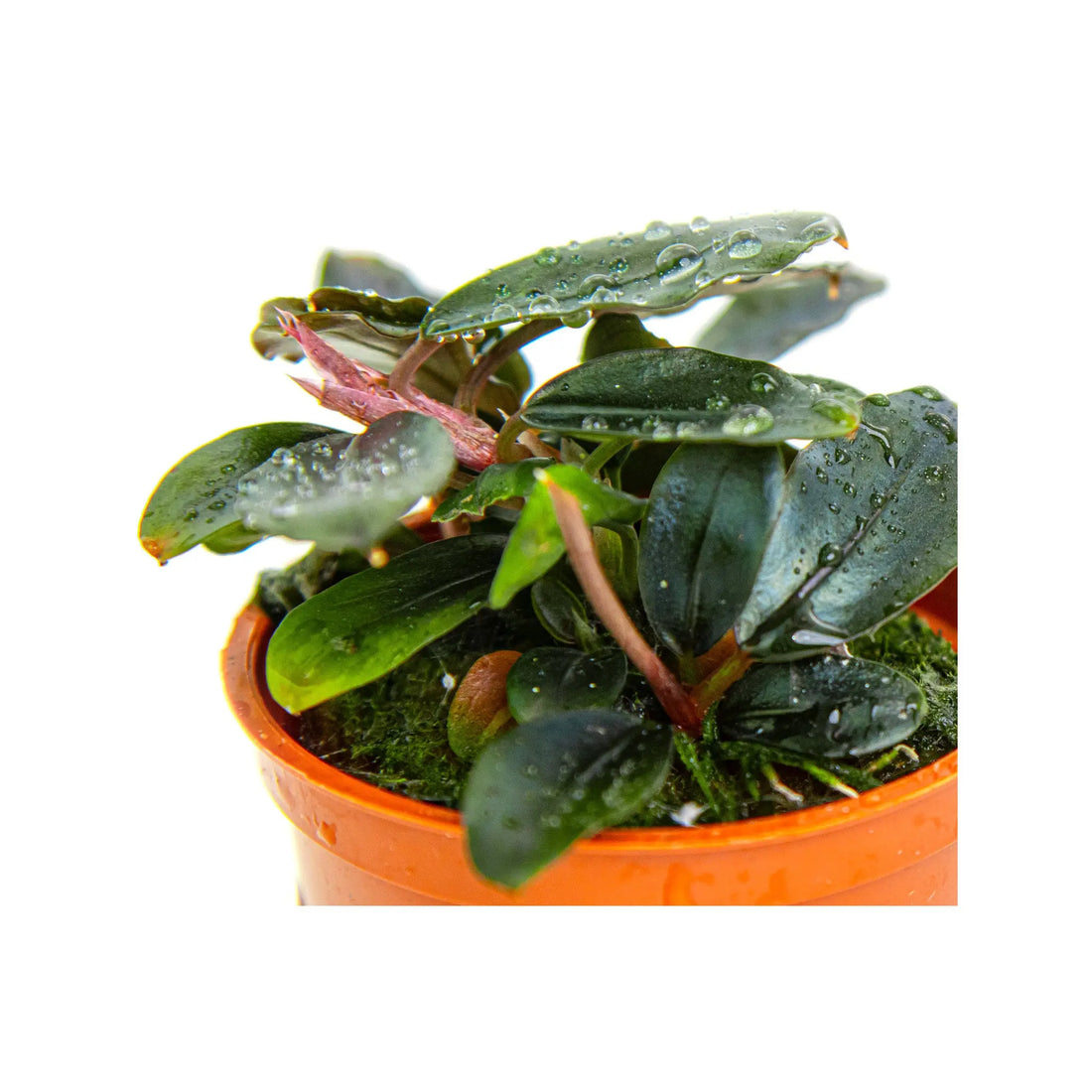
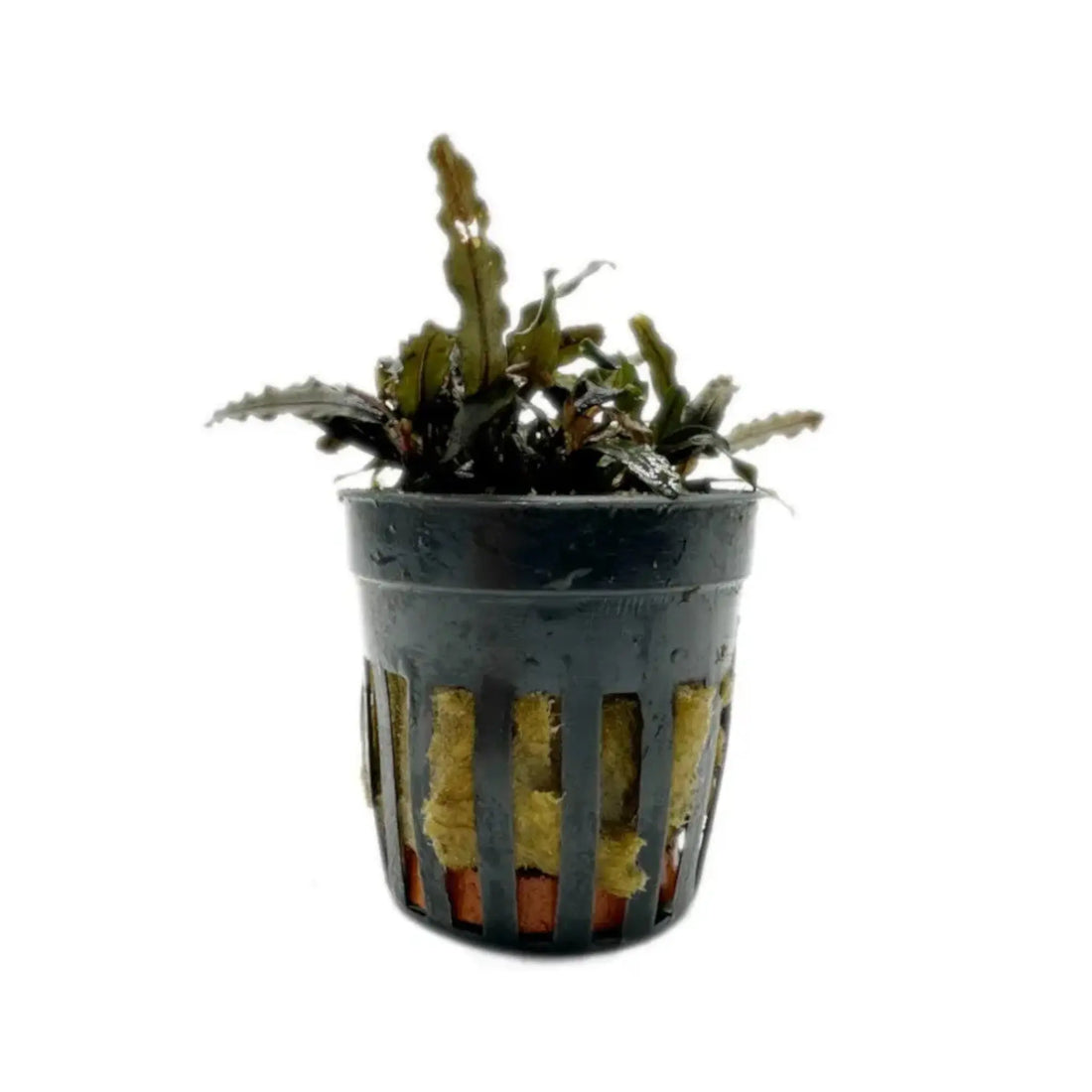


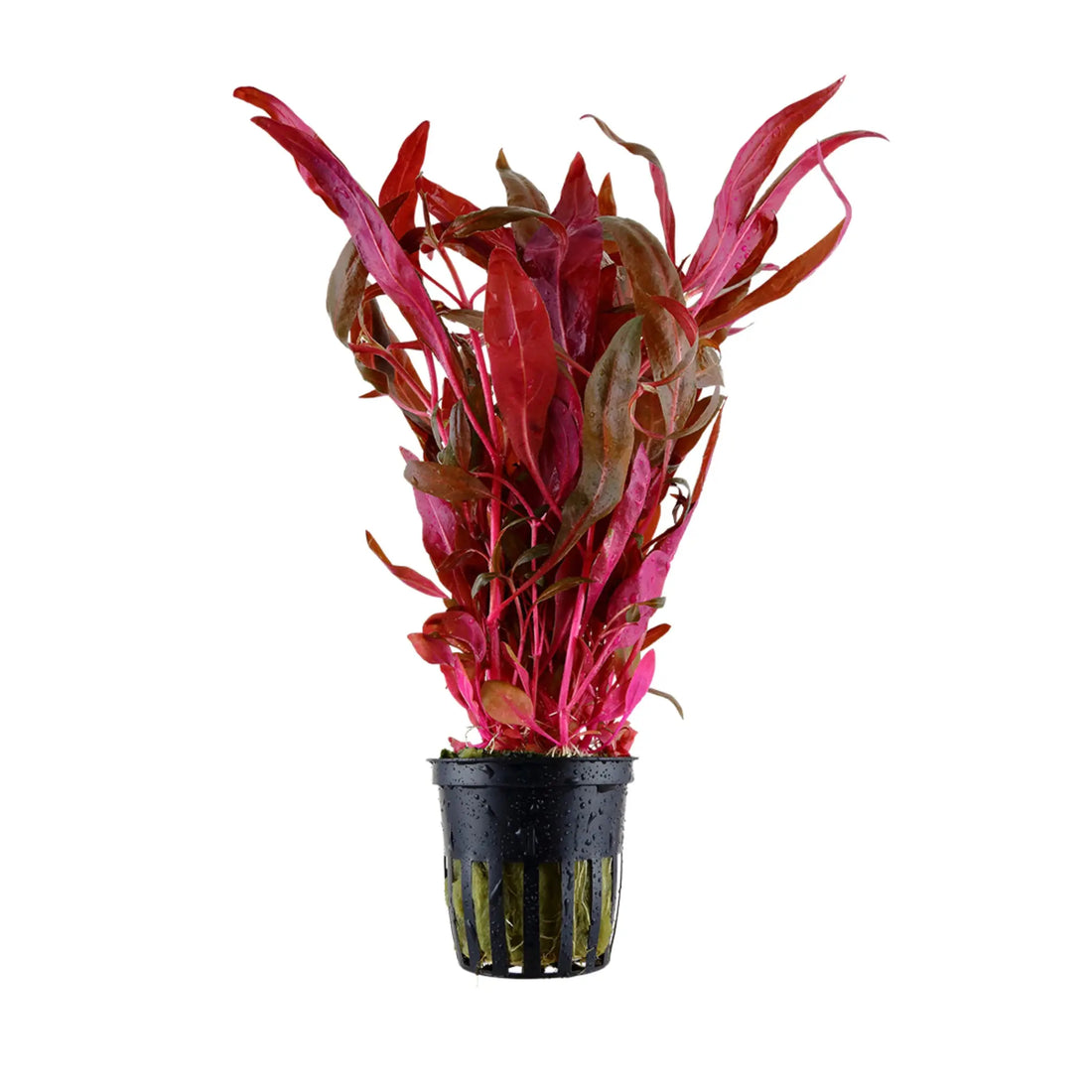
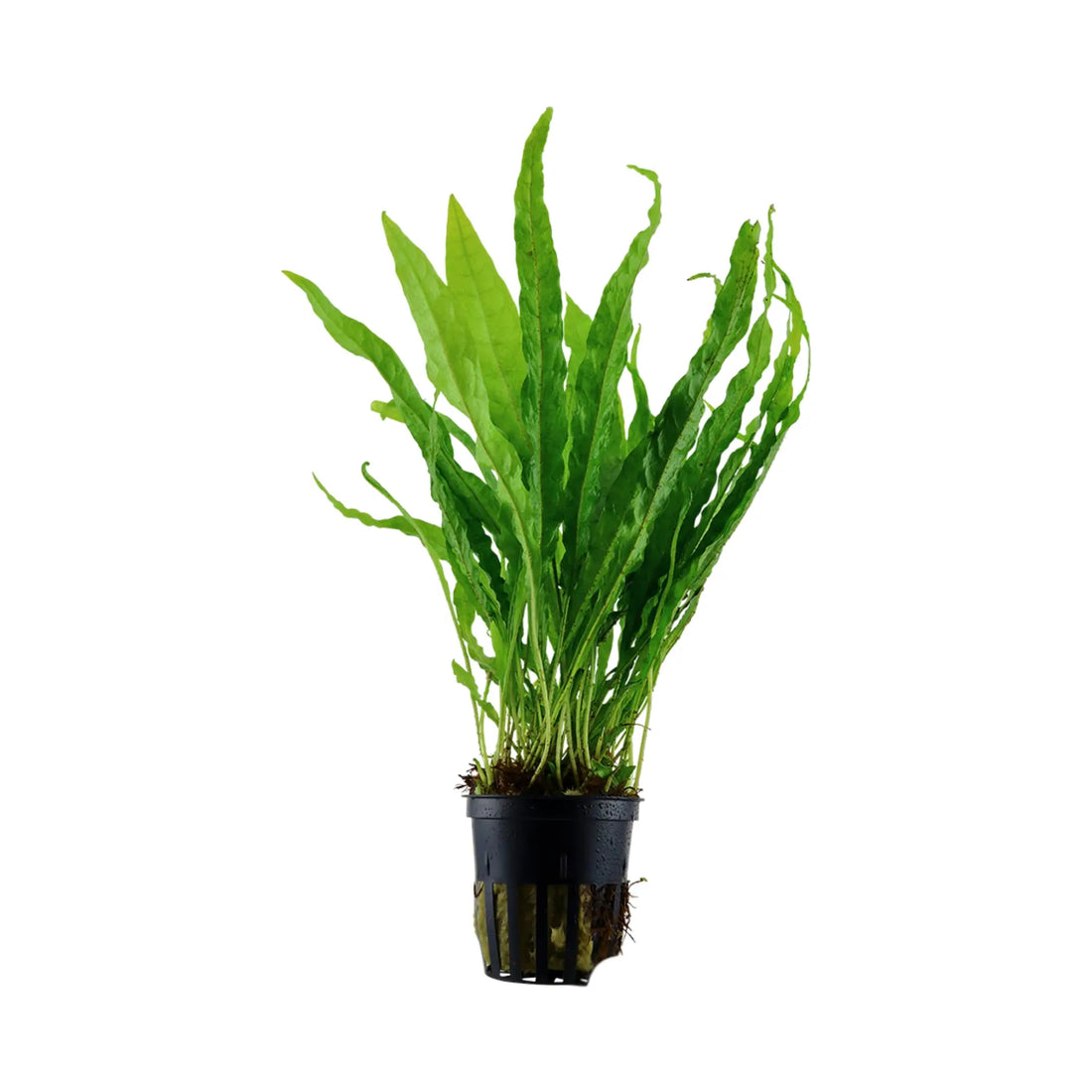

Again perfect plant beautifully marked, very clean and healthy always carefully packaged, excellent service from Aqua Essentials, always pleased with their quality live plants.
Have been using this site for a long time, always packaged great, obvs have had the odd few that have arrived not as great, you get what you pay for, obvs not cheap but worth it they thrive in my tank each time.
Quick effective and all in order. Plants in individual pockets within a further package bag all inside a generous sized postage package. All plants looking healthy so fingers crossed all with grow and give viewing pleasure for years to come
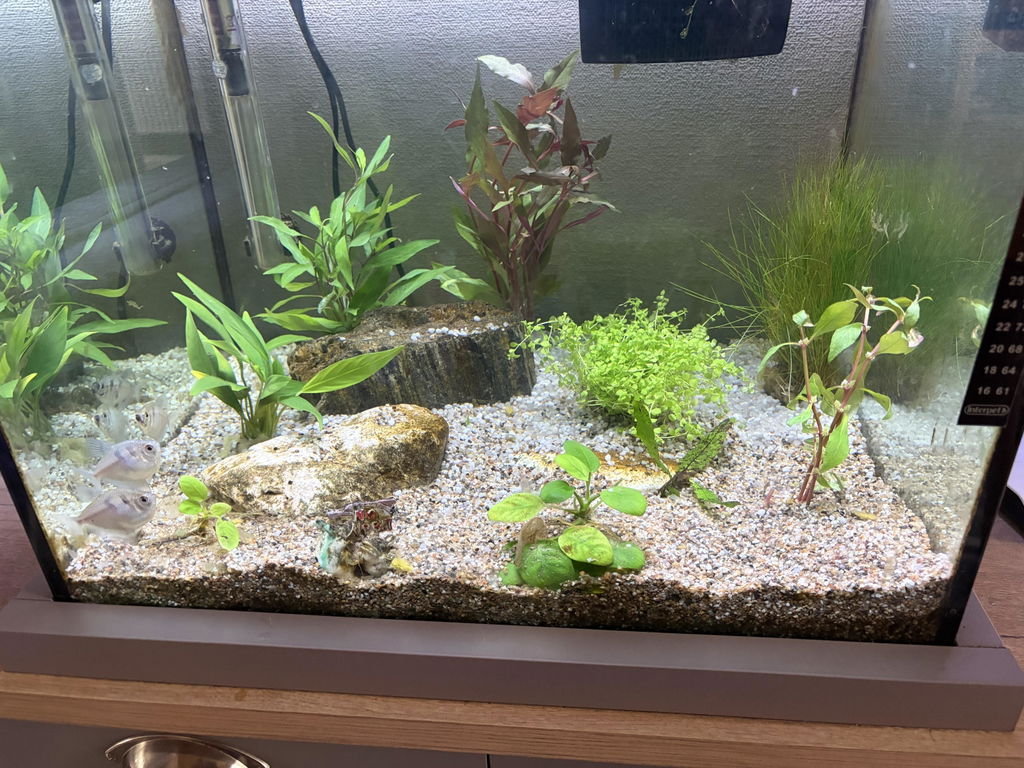
I received my order promptly and very well packaged and am very pleased with tue service and prpducts. I am especially pleased with the plant which is extremely clean and healthy and potted up beautifully.
I ordered a tropica 1-2 grow Anubius barteri nana and some water spangles, both plants were healthy.
The water spangles has a couple snails on them but thats to be expected.
The only issue i faced was with tracking my order, but that may have been on Royal Mail's side.