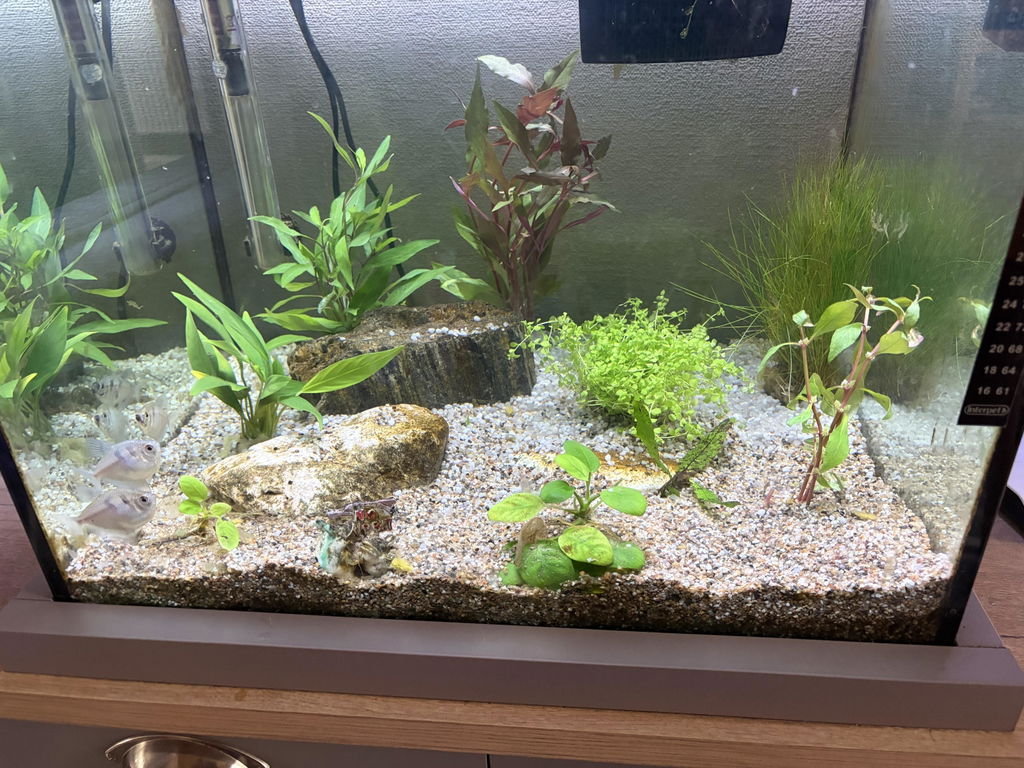


Aquascaping is one of the most rewarding aspects of fishkeeping. It combines creativity, nature, and practical aquarium care to transform a simple tank into a living underwater landscape. Whether you're setting up your first planted aquarium or looking to improve an existing layout, aquascaping offers endless opportunities to express your style while creating a healthy environment for aquatic life.
For many UK hobbyists, however, getting started can feel overwhelming. Search online for aquascaping advice, and you'll find countless opinions on substrates, lighting, CO₂ systems, and plant selection. Some guides focus on expensive equipment, while others assume a level of experience that many beginners simply don't have.
The good news is that successful aquascaping doesn't require a huge budget or professional-level knowledge. With the right approach, UK hobbyists can create attractive, sustainable aquascapes using locally available plants, materials, and resources.
Start with a Simple Design Concept
One of the most common mistakes beginners make is trying to include too many elements in a single aquarium.
Before buying plants or decorations, decide on a simple theme. For example:
-
A natural riverbank layout with driftwood and stones
-
A lush planted jungle style aquarium
-
A minimalist rock-focused aquascape
-
A shrimp-friendly planted tank
A simple design often looks more natural and is easier to maintain.
Many experienced UK hobbyists recommend sketching your layout on paper before purchasing materials. This can help prevent unnecessary spending and reduce the temptation to overcrowd the aquarium.
Choose Plants That Suit UK Hobbyists
Plant selection has a significant impact on long-term success.
While social media often showcases demanding red plants and advanced carpeting species, beginners usually achieve better results with hardy, low-maintenance aquarium plants.
Popular beginner-friendly choices available from UK aquatic retailers include:
Anubias
-
Slow-growing
-
Tolerates low light
-
Easy to attach to wood and rocks
-
Excellent for beginners
Java Fern
-
Extremely resilient
-
Does not require planting in substrate
-
Thrives in a wide range of water conditions
Cryptocoryne Species
-
Available from most UK aquarium stores
-
Adapt well to community tanks
-
Offer a natural appearance
Vallisneria
-
Creates attractive background coverage
-
Grows well in many UK tap water conditions
-
Suitable for larger aquariums
Floating Plants
Species such as Amazon Frogbit can help reduce algae and provide cover for fish.
When purchasing plants, check whether they are tissue culture or potted aquarium plants. Tissue culture plants are often free from snails and algae, making them a popular choice among UK aquascapers.
Make the Most of UK Water Conditions
Water chemistry varies considerably across the UK.
Areas such as London and the South East often have hard water, while regions in Scotland, Wales, and parts of Northern England may have softer water.
Rather than chasing perfect water parameters, many experienced hobbyists recommend choosing plants and fish that naturally suit your local water conditions.
For example:
Hard Water-Friendly Plants
-
Vallisneria
-
Anubias
-
Java Fern
-
Sagittaria
Softer Water-Friendly Plants
-
Rotala species
-
Ludwigia species
-
Certain carpeting plants
Testing your tap water before setting up an aquarium can save both time and money.
Invest in Lighting Wisely
Expensive lighting systems are not always necessary.
Many UK hobbyists achieve excellent results using affordable LED aquarium lights. The key is selecting lighting that matches your chosen plants rather than buying the most powerful fixture available.
A common beginner mistake is providing excessive lighting without balancing nutrients and plant growth.
This often leads to algae problems.
As a general recommendation:
-
Start with 6–8 hours of lighting per day
-
Increase gradually if required
-
Use a timer for consistency
Consistency is often more important than intensity.
Use Hardscape to Create Structure
Plants are important, but hardscape materials provide the foundation of an attractive aquascape.
Popular hardscape materials available throughout the UK include:
-
Dragon Stone
-
Seiryu Stone
-
Slate
-
Driftwood
-
Spider Wood
-
Bogwood
A useful design principle is to position larger rocks or wood slightly off-centre rather than directly in the middle of the aquarium.
This creates a more natural and visually appealing composition.
Many successful aquascapes use fewer decorative elements than beginners expect.
Sometimes a single striking piece of driftwood can become the focal point of an entire layout.
Don't Rush Plant Growth
One of the biggest challenges facing new aquascapers is impatience.
The beautiful aquascapes seen online often represent months or even years of growth and maintenance.
A newly planted aquarium may look sparse initially.
This is completely normal.
Give plants time to establish roots and adapt to submerged growth conditions.
Personal observation from hobbyist communities across the UK suggests that many beginners see significant improvements between weeks four and eight after planting.
Instead of constantly rearranging plants, focus on maintaining stable conditions.
Prevent Algae Before It Starts
Algae is one of the most common frustrations for UK aquarium keepers.
While some algae is normal, excessive growth can quickly spoil an otherwise attractive aquascape.
To reduce the likelihood of algae problems:
-
Avoid overfeeding fish
-
Perform regular water changes
-
Remove decaying leaves promptly
-
Avoid excessive lighting
-
Introduce fast-growing plants during the early stages
Many hobbyists find that adding floating plants helps absorb excess nutrients and naturally limits algae growth.
Find Budget-Friendly Aquascaping Options
Aquascaping doesn't have to be expensive.
There are several ways UK hobbyists can save money:
Buy Smaller Plants
Young plants are often significantly cheaper and grow quickly under suitable conditions.
Join Local Aquarium Groups
Many hobbyists regularly trade or sell plant cuttings at affordable prices.
Purchase Second-Hand Equipment
Lighting systems, filters, and aquarium stands can often be found through local fishkeeping groups and classified websites.
Propagate Existing Plants
Many aquatic plants can be divided or propagated, reducing future costs.
Learn from UK Aquascaping Communities
One of the best ways to improve your aquascaping skills is by connecting with other hobbyists.
The UK has a thriving aquarium community that shares advice, inspiration, and practical solutions.
Useful places to learn include:
-
Local aquarium clubs
-
Aquascaping Facebook groups
-
Reddit communities dedicated to planted aquariums
-
YouTube channels featuring UK aquarium keepers
-
Specialist aquarium retailers that publish care guides
Viewing real aquariums maintained in similar conditions can provide far more practical insight than following generic advice from overseas sources.
Create a Sustainable Maintenance Routine
A successful aquascape is not built in a day.
Long-term success comes from consistency rather than constant changes.
A simple weekly routine might include:
-
Water change
-
Glass cleaning
-
Plant trimming
-
Equipment inspection
-
Removal of dead leaves
Many experienced hobbyists spend less than 30 minutes per week maintaining established planted aquariums.
The key is regular attention rather than occasional major interventions.
Final Thoughts
Aquascaping is a journey rather than a destination. Every aquarium teaches something new, and even experienced hobbyists continue refining their techniques over time.
If you're just starting out, focus on simple layouts, hardy plants, and consistent maintenance. Work with your local water conditions rather than against them, and don't feel pressured to replicate highly advanced aquascapes immediately.
Most importantly, enjoy the process. Watching plants grow, layouts mature, and fish thrive is one of the most satisfying aspects of the hobby.
Consider sharing your progress with local aquarium groups and online communities. Not only will you gain valuable feedback, but you'll also become part of a growing network of UK aquascapers who are learning, experimenting, and helping one another create beautiful underwater landscapes.