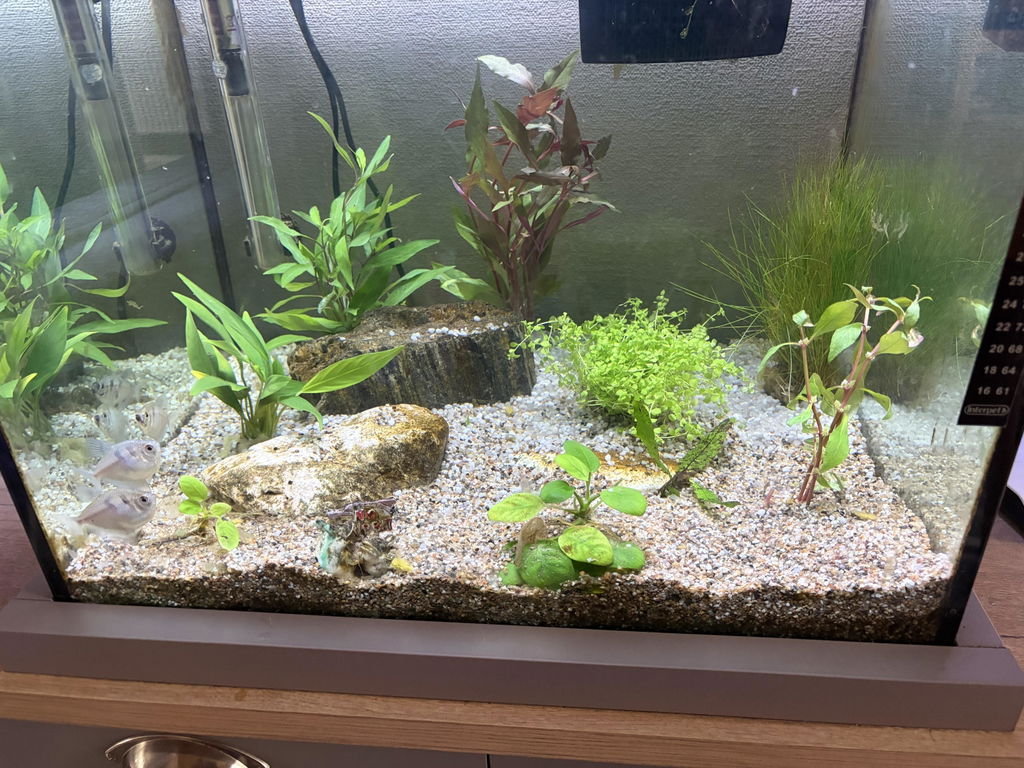


The plants may steal the spotlight, but every stunning aquascape starts with its hardscape. Rocks and driftwood form the skeleton of your layout — they create structure, depth, and natural focal points that no plant alone can achieve. Whether you're building your first scape or refining your technique, understanding hardscape is the key to taking your aquarium from pleasant to extraordinary.
What Is Hardscape and Why Does It Matter?
Hardscape refers to the structural elements you place in an aquarium before adding plants — principally rocks and wood. Unlike plants, hardscape doesn't grow or change with the seasons; it sets the permanent framework around which everything else is designed. Get it right and your aquascape will look convincing even before a single plant goes in.
Good hardscape serves two purposes at once. Visually, it creates height, depth, and a sense of natural geology. Practically, it provides territories for fish, planting sites for epiphytes, and crevasses in which smaller plants can take root. Without it, even the most carefully planted aquarium can look flat and unconvincing — like furniture placed randomly in an empty room.
One principle to follow from the start: choose one type of rock and stick to it. Mixing Dragon Stone with Seiryu Stone with pebbles leads to visual clutter that undermines the natural feel you're working towards. Commit to a palette and let the plants and the light do the rest.
Choosing the Right Rock for Your Aquascape
Not all rocks are aquarium-safe, and not all aquarium rocks suit every style. The two most popular choices in the hobby are Dragon Stone and Seiryu Stone — and each has a very different character.
Dragon Stone
Dragon Stone is instantly recognisable for its dramatic texture: deep fissures and honeycomb-like cavities that look as though they've been eroded by centuries of wind and water. Its earthy, ochre-brown colour works beautifully in nature-style and jungle-style layouts, and its naturally porous surface provides excellent grip for mosses and epiphytes.
Dragon Stone is fish and plant safe and won't meaningfully affect water hardness, making it a versatile choice for most community tanks. Its crevassed surface is ideal for attaching epiphytes like Java Fern and Anubias, and planting pockets within the stone work well for anchoring carpeting plants at the base.
Seiryu Stone (Mini Landscape Rock)
Mini Landscape Rock (Seiryu Stone) has a sharper, more angular character with pale grey tones and subtle blue-white veining. It's the rock of choice for Iwagumi-style layouts, where the precise placement of stones and a sense of dramatic, mountainous geology are central to the design.
One note of caution: Seiryu Stone is slightly calcareous and can gradually raise KH and GH over time. In a well-maintained planted tank with regular water changes, this is rarely a problem — but if you keep soft-water fish or delicate shrimp, test your water periodically and adjust accordingly.
From Aqua Essentials
We stock Dragon Stone, Seiryu Stone, and a range of natural pebbles — all hand-selected and suitable for planted aquariums. Browse the full collection to find the right rock for your next layout.
Shop Aquarium Rocks →Working with Driftwood in a Planted Tank
Driftwood adds warmth and organic irregularity that rocks alone can't provide. It also happens to be one of the most plant-friendly materials you can add to an aquarium: epiphytes like Anubias, Java Fern, and Bucephalandra attach naturally to wood surfaces, creating the lush, overgrown look that turns a planted tank into a genuine underwater landscape.
When choosing driftwood, size matters as much as shape. A small piece of driftwood works well in a nano or mid-size tank as a secondary focal point, while a medium driftwood piece can anchor an entire layout on its own. Look for pieces with interesting branching or surface texture — straight, featureless wood rarely looks convincing underwater.
New driftwood will typically leach tannins, causing a gentle yellowing of the water. This is harmless and beneficial for many fish, but if you'd prefer clarity, soak the wood in a bucket for a few days before adding it to the tank, changing the water daily until it runs clear.
Combining Rocks and Wood in the Same Layout
Mixing hardscape types is an advanced technique, but done well it produces some of the most convincing natural-style scapes. The key is to choose complementary tones: dark, craggy Dragon Stone pairs naturally with dark, twisted wood, while pale Seiryu Stone can contrast beautifully with lighter, branchy pieces.
Placement is everything. Work in odd numbers — groups of three rocks, or a central piece of wood flanked by two smaller stones. Avoid symmetry; nature rarely produces it. Angle rocks slightly rather than laying them flat, and partially bury both rocks and wood in the substrate so they appear to have always been there.
If you'd rather skip the effort of attaching plants yourself, our plants on wood and plants on rock collections offer ready-made pieces with live plants already attached — place in the tank and let them grow. It's one of the quickest ways to achieve a mature-looking scape from day one.
Whether you're starting from scratch or refreshing an existing layout, the right hardscape makes all the difference. Explore our full range of aquarium rocks and driftwood at Aqua Essentials and start building the aquascape you've always had in mind.