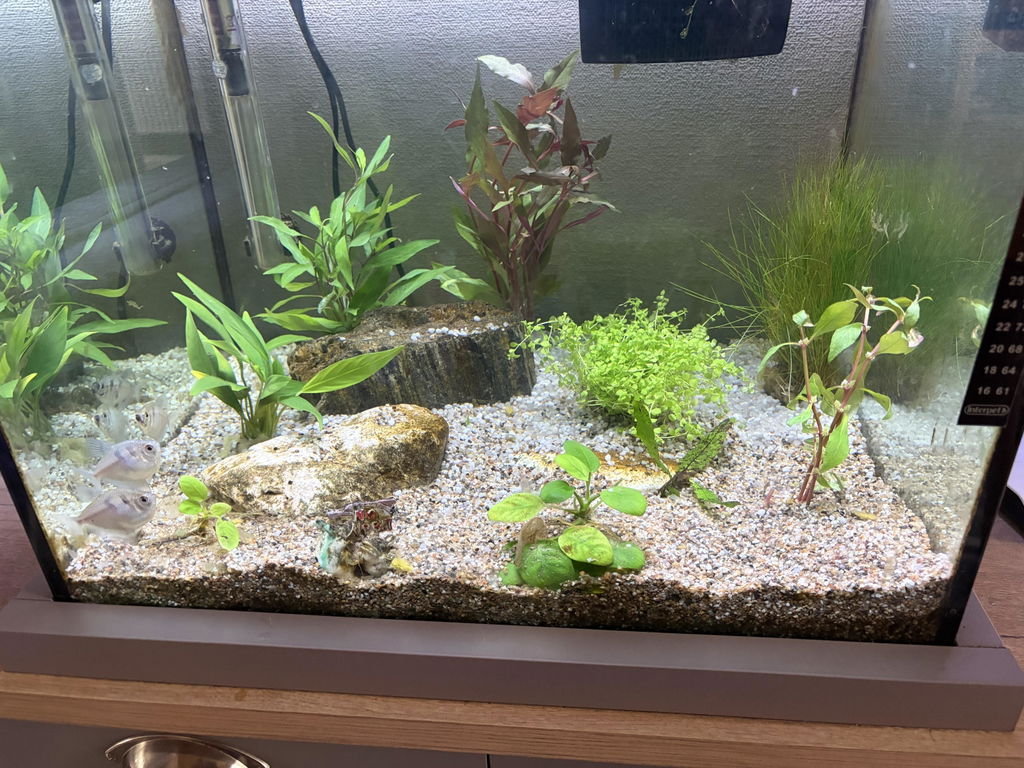


Short answer: Lava rock is safe for most freshwater and marine aquariums, but it isn't a fit for every fish or every plant. Its rough, highly porous surface is excellent for beneficial bacteria and gives roots and rhizomes something to grip, but that same texture can be a problem for soft-bodied fish and for plants that need to root deep into fine substrate.
Here's exactly when lava rock works, when it doesn't, and how to set it up so it's safe from day one.
Why Aquarists Use Lava Rock in the First Place
Lava rock (basalt or volcanic rock) has become a hardscape staple for a few practical reasons:
-
Biological filtration – its porous structure creates enormous surface area for nitrifying bacteria, effectively working as a second biofilter inside your tank.
-
Budget-friendly – it costs a fraction of premium aquascaping stone like dragon stone or seiryu.
-
Inert and stable – true lava rock doesn't dissolve or significantly alter pH and hardness over time, unlike limestone-based rocks.
- A natural anchor for epiphytes – plants that attach to hardscape rather than rooting in substrate use lava rock's rough surface to lock on and spread.
That last point matters a lot for how you should actually plant around it, which we'll come back to.
When Lava Rock Isn't a Good Fit for Fish
Lava rock's texture is the whole story here. It's sharper and more abrasive than smooth river stone or polished rock, and while that's harmless to most scaled fish, a few groups are worth thinking twice about:
-
Scaleless and thin-skinned fish – species like weather loaches, kuhli loaches, and knifefish have delicate skin that can be scraped on rough edges, especially in a tank with limited swimming space.
-
Fish with sensitive barbels – corydoras and other barbelled bottom-dwellers forage by dragging their barbels along the substrate and rock. Sharp, unweathered lava rock can wear or injure these over time.
-
Fish that need very soft, acidic water – lava rock is generally inert, but freshly quarried or uncured pieces can carry fine dust and trace minerals that nudge water chemistry. Sensitive soft-water species (wild-caught discus, certain tetras) are the ones most likely to notice.
- Bottom-sifting or burrowing species – fish that like to dig, such as some cichlids, can injure themselves on unsmoothed lava rock edges more easily than on rounded gravel or sand.
None of this means lava rock is unsafe outright — it means matching the rock to the stocking list, and prepping it properly (more on that below).
What This Means for Plants
This is where most of the confusion comes from, because "is lava rock safe for plants" really has two different answers depending on how the plant grows.
Plants that struggle with lava rock: Anything that depends on rooting deeply into fine, nutrient-rich substrate has a hard time. Lava rock's rough, chunky surface doesn't hold fine root systems the way soft substrate does, so:
- Carpeting plants that spread by thin runners through soft ground can't establish properly if they're planted directly against or on top of lava rock.
- Heavy root-feeding stem plants that rely on drawing nutrients through the substrate rather than the water column will underperform if their roots are fighting for space in porous rock instead of sitting in substrate.
- In very soft, blackwater-style setups, sensitive root systems can also be thrown off if uncured lava rock is nudging water hardness upward, even slightly.
The fix in all these cases isn't to avoid lava rock — it's to keep substrate-rooted plants in actual substrate, and use the rock itself for a different category of plant entirely.
Plants that actually do best because of lava rock: Epiphytes — plants that naturally attach to hardscape rather than rooting in the ground — are practically made for this material. Its rough, porous surface gives rhizomes something to grip onto as they spread, which is exactly why aquascapers reach for lava rock in the first place. Anubias and Java Fern are the classic examples: tie or glue the rhizome to the rock, and both will happily colonise the surface over the following weeks. Mosses behave the same way — press a portion into the rock's crevices and it will root into the texture rather than needing substrate at all.
So the real rule isn't "avoid plants with lava rock" — it's "match the plant's growth habit to the material." Root-feeders go in substrate. Rhizome and moss growers go on the rock.
How to Make Lava Rock Safe Before It Goes in the Tank
-
Rinse thoroughly – scrub off loose dust and debris under running water; lava rock traps grit in its pores.
-
Cure it – soak for several days to a week, changing the water regularly, especially if you're stocking sensitive or soft-water species. This lets any residual dust and trace minerals leach out before it's in a live tank.
-
Inspect for sharp edges – some pieces come with jagged fracture points from quarrying. A light pass with a file or a swap for a smoother piece is worth it if you're keeping barbelled or scaleless fish.
-
Boil small pieces if unsure – for smaller rocks, a boil-and-cool cycle helps sanitise and settle any dust faster than soaking alone.
- Position with stocking in mind – leave open swimming space and avoid tight crevices for burrowing or digging species.
Quick Answer Summary
| Question | Answer |
|---|---|
| Is lava rock safe for aquariums generally? | Yes, for most freshwater and marine setups |
| Safe for all fish? | No — caution with scaleless, barbelled, and soft-water sensitive species |
| Safe for all plants? | No — root-feeding and carpeting plants struggle; rhizome/moss epiphytes thrive |
| Does it affect water chemistry? | Minimal once cured; uncured rock can carry dust and trace minerals |
| Best plants to pair with it? | Anubias, Java Fern, and mosses attached directly to the rock |
Frequently Asked Questions
Does lava rock raise aquarium pH? Properly cured lava rock is largely inert and has minimal long-term effect on pH. Freshly quarried, uncured pieces can cause a temporary shift, which is why soaking or boiling before use is worth doing, particularly for soft-water fish.
Is lava rock safe for shrimp? Yes, generally. Shrimp benefit from the extra biofilm and surface area lava rock provides for grazing, and its texture poses no particular risk to them the way it can for barbelled or scaleless fish.
Can I glue plants directly onto lava rock? Yes — this is the ideal use case. Rhizome plants like Anubias and Java Fern, along with mosses, are best tied or glued onto lava rock rather than buried, since their growth habit relies on attaching to hard surfaces rather than rooting in substrate.
Do I need to cure lava rock before adding fish? It's recommended, especially for sensitive or soft-water species. A few days to a week of soaking, with water changes, removes surface dust and lets any trace minerals leach out before it affects your tank's chemistry.