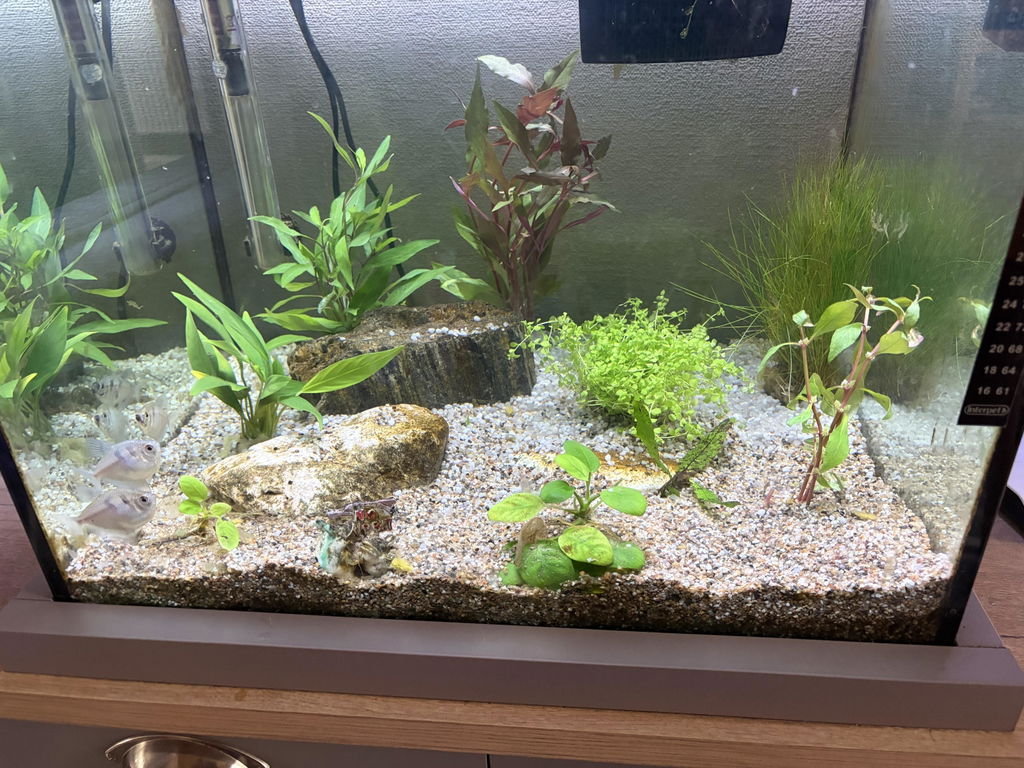


Whether you're setting up your very first tank or looking to breathe new life into an established aquascape, learning how to properly plant aquarium plants is one of the most rewarding skills you'll develop as a hobbyist. Done right, a planted aquarium doesn't just look stunning - it creates a healthier, more balanced environment for your fish and shrimp. This guide walks you through everything, from choosing the right plants to getting them rooted and thriving.
Step 1: Choose the Right Plants for Your Tank
Before you buy a single plant, it's worth thinking about what kind of tank you're working with. Are you running a low-tech setup with no CO₂? Do you have a tropical tank, a coldwater tank, or something in between? The plants you choose must match your conditions - otherwise you'll be fighting an uphill battle from day one.
For beginners, the best starting point is easy-care aquarium plants - hardy species that tolerate a wide range of conditions and don't require pressurised CO₂ to grow well. Think Anubias, Java Fern, Cryptocoryne, and Amazon Sword. These plants are labelled "Easy" on the Aqua Essentials website and are a reliable starting point for any new setup.
If you have a tropical community tank, you'll want to look at species that thrive between 24–28°C. If you're keeping goldfish or a pond species, make sure you're shopping from the coldwater aquarium plant range instead - tropical plants simply won't survive in an unheated tank.
It's also worth thinking about where in the tank each plant will sit. Foreground plants stay low and create carpet-like effects, midground plants add body and texture, and background plants grow tall to fill the rear of the tank. A good scape uses all three layers. If you're unsure where to start, browsing the mixed boxes is a great option; they take the guesswork out of plant selection and give you a balanced mix from the outset.
Step 2: Set Up the Right Substrate
Plants need something to root into, and the substrate you choose makes a big difference to long-term plant health. Standard aquarium gravel can work for some plants, but purpose-made plant substrates are far more effective, they're nutrient-rich, the right texture for root development, and designed to support plant growth over the long term.
Take a look at the aquarium substrates collection for options that are specifically formulated for planted tanks. Products like Colombo Mono Base and similar nutrient substrates provide the perfect foundation for rooted plants.
For tanks where you're not replacing the entire substrate, root tabs are an excellent addition. These small nutrient capsules are pushed directly into the substrate under the plant's roots, delivering fertilizer exactly where it's needed. They're particularly useful for heavy root-feeders like Amazon Sword and Cryptocoryne.
If you're laying a new substrate, aim for a depth of at least 5–7cm at the back, tapering slightly towards the front. This gives roots plenty of room to anchor and spread, and the sloped profile creates a natural sense of depth in the finished scape.
Step 3: Understand Your Plant Types Before You Plant
Not all aquarium plants are planted the same way, and this is where a lot of beginners go wrong. There are three main plant types to be aware of:
Potted Plants - These come in small rockwool-lined pots and need to be prepared before planting. Remove the plant from the pot, carefully strip away as much of the rockwool as possible (it can harbour algae and pests), and trim away any dead or damaged roots before planting into the substrate. Browse the full potted plants range for a huge variety of species suited to different positions in the tank.
Tissue Culture Plants - Also known as 1-2-Grow plants, these come in sealed cups and are grown in sterile laboratory conditions, making them completely free from snails, algae, and pests. Simply remove the plant from the cup, rinse away the gel medium, and separate the plant into smaller portions before planting. The tissue culture plant collection is ideal if you're particularly concerned about introducing unwanted hitchhikers into your tank.
Epiphytes (Anubias, Java Fern, Bolbitis, Bucephalandra) - These plants don't go into the substrate at all. Their rhizome (the thick horizontal stem) must stay above the substrate or it will rot. Instead, these plants are attached to driftwood or rocks using fishing line, thread, or aquarium-safe glue, and they'll gradually anchor themselves over time. You'll find a wide selection in the epiphytes collection.
Bulb Plants - These are planted shallowly in the substrate with the top half of the bulb sitting above the gravel line. Burying them too deep will cause them to rot. The bulbs collection includes species like Aponogeton and Crinum, which can grow into truly impressive specimens.
Step 4: Plant With Purpose - Foreground, Midground, Background
Now you're ready to actually plant. Work from the back of the tank to the front which makes it easier to reach the back without disturbing freshly planted areas.
Background plants like Vallisneria, tall Hygrophila, and Bacopa go in first. These are your height and volume plants. Push the roots firmly into the substrate, leaving the crown (the point where roots meet stem) just at or slightly above the substrate level.
Midground plants - Cryptocoryne species, Echinodorus varieties, and stem plants, go in next. These fill the middle third of the tank and add layering and colour. Red plants like Alternanthera reineckii work beautifully in this zone, creating a vivid focal point against the green of the background.
Foreground and carpeting plants go in last. Species like Micranthemum Monte Carlo, Eleocharis (dwarf hairgrass), and Staurogyne repens are planted in small clumps spaced a few centimetres apart. Over time they spread laterally to form a dense carpet. Browse the carpeting plants collection for the full range.
For instant visual impact, especially in a new tank, consider using plants on wood or plants on rock. These are pre-attached and ready to drop straight into your aquascape, saving you considerable setup time.
Step 5: Add Hardscape (Rocks and Wood)
If your design includes hardscape, it should ideally go in before the final planting. Aquarium wood and aquarium rocks serve as anchor points for epiphytes, create natural-looking divisions between planting zones, and add a structural backbone to the overall design.
Position your main hardscape pieces first, then plant around and behind them. Attaching Anubias or Java Fern directly to your wood creates an incredibly natural look and gives epiphytes the surface they need to attach to.
Step 6: Fertilise Properly From the Start
Newly planted tanks often experience a nutrient surge in the first few weeks as the substrate settles and the plants establish. Getting your fertilizer routine right from the beginning is key to avoiding algae problems later on.
For low-tech tanks not using pressurised CO₂, a good all-in-one liquid fertiliser is all you need. The Neutro Combo is a top-selling product from Aqua Essentials specifically designed for low-tech planted tanks, providing nitrogen, phosphorus, potassium, and trace elements in a single easy-to-dose formula.
If you're running a high-tech setup with CO₂ injection, you'll likely need to dose macro and micro nutrients separately, as plants will consume nutrients much faster in CO₂-enriched conditions.
Step 7: Get Your Lighting Right
Lighting is the engine of plant growth, but it's also one of the most common causes of algae in new tanks. Too much light for too long and algae will thrive; too little and plants will struggle to photosynthesise.
For most planted tanks, 6–8 hours of light per day is a good starting point. Use a timer to keep the photoperiod consistent. If you're shopping for lights, the LED lighting collection includes a range of options suitable for planted tanks of different sizes and depths.
One easy trick for managing light intensity, particularly useful when running powerful LED lights, is to add floating plants such as Salvinia natans or Amazon Frogbit. These sit on the water surface and gently diffuse the light reaching lower-level plants, reducing algae growth while creating a beautifully dappled effect.
Step 8: Consider Adding CO₂
Pressurised CO₂ isn't essential for many plants, but if you want to grow more demanding species or achieve faster growth and more vibrant colours, it's one of the most significant upgrades you can make. CO₂ is the primary driver of plant photosynthesis, and even a modest injection can transform growth rates dramatically.
Aqua Essentials stocks a comprehensive range of CO₂ equipment, from entry-level CO₂ pressurised sets to individual components like diffusers, regulators and solenoids, and pressurised bottles. A drop checker is a handy tool for monitoring CO₂ levels and ensuring you're in the ideal range without overdosing.
Step 9: Monitor, Trim, and Maintain
Once your plants are in and the tank is running, the job is never truly done, but that's also the fun part. Fast-growing stem plants will need regular trimming to stop them shading out slower-growing species beneath. Carpeting plants will spread and may need thinning. Mosses attached to wood will gradually bush out and may need occasional pruning to keep them looking neat.
Regular water changes remain one of the most effective tools for maintaining a healthy planted tank. They replenish trace elements, dilute waste products, and help keep algae under control. Aim for 25–30% per week in an actively growing planted tank.
Having the right tools makes maintenance far easier. The plant maintenance collection includes curved scissors, tweezers, and spatulas designed specifically for working in aquariums - the kind of kit that turns a frustrating chore into a satisfying weekly ritual.
Wrapping up the guide to plant aquarium plants
Planting an aquarium is as much about patience as technique. Plants take time to establish, and it's completely normal for some leaves to melt back or look a little sorry for themselves in the first week or two. Stick with it -once they're rooted and settled, the growth is deeply rewarding.
Whether you're just starting out with a beginner box or building out a full aquascape from scratch, Aqua Essentials has everything you need from the plants themselves to the substrate, fertilisers, lighting, and tools to make it all work. Browse the full aquarium plants collection and get planting.