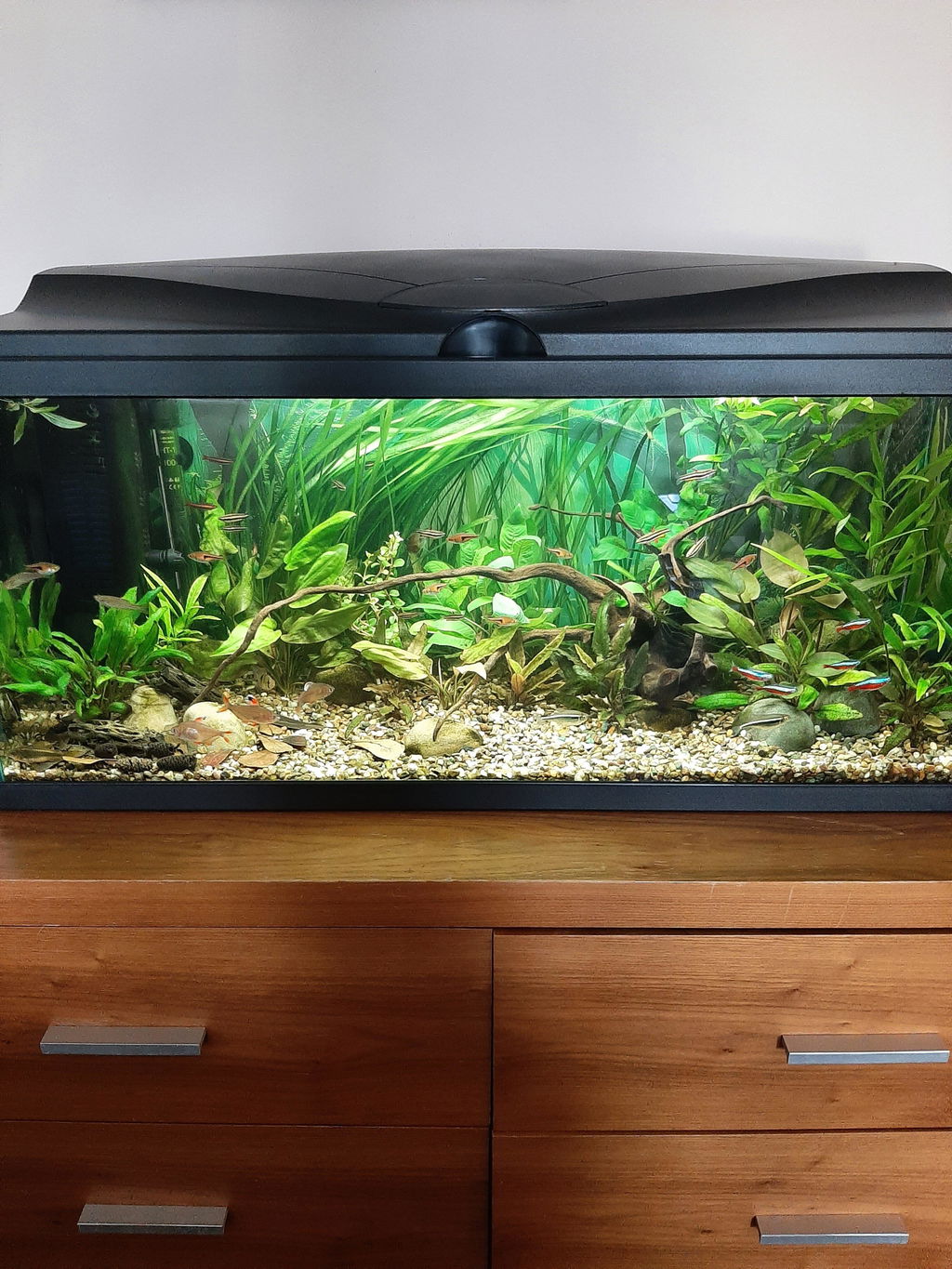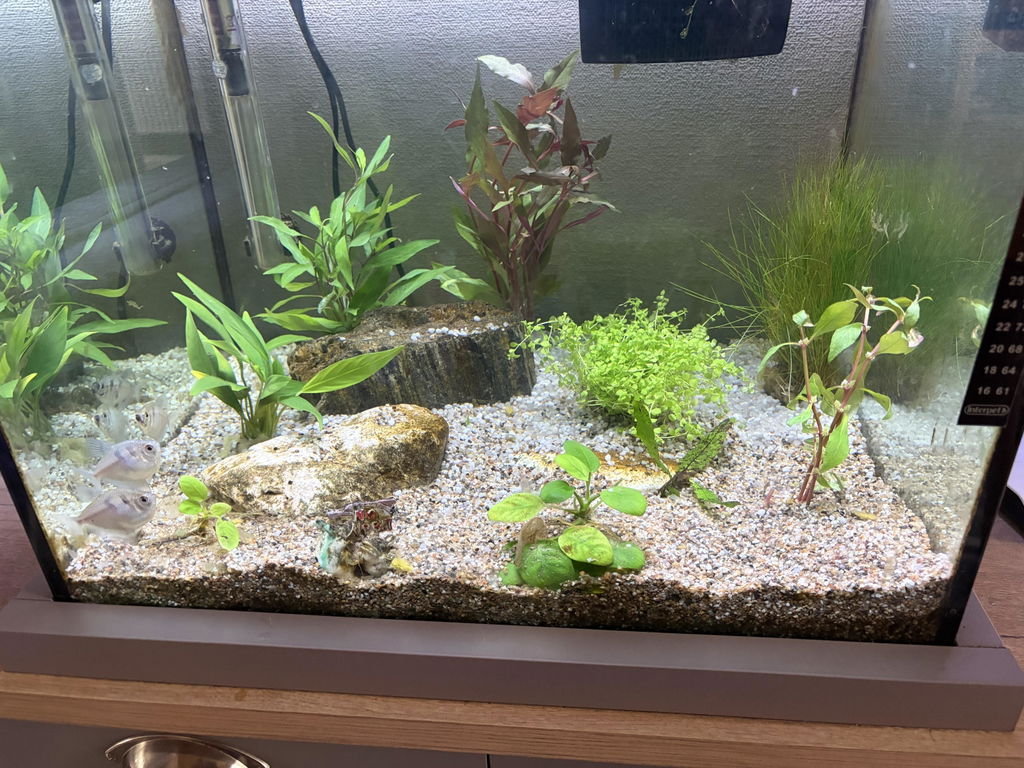


Choosing the right aquarium plants is one of the most important decisions when setting up a planted tank. Healthy plants not only enhance the appearance of your aquarium but also improve water quality, provide shelter for fish and shrimp, and create a more natural aquatic environment.
When shopping for live aquatic plants in the UK, you will typically come across two main options: tissue culture aquarium plants and potted aquarium plants. While both can thrive in a planted aquarium, they differ significantly in how they are grown, packaged, and maintained.
Understanding these differences can help you make the best choice for your setup — whether you are a beginner, an experienced aquascaper, or simply looking for healthy live aquarium plants in the UK.
What Are Tissue Culture Aquarium Plants?
Tissue culture aquarium plants are grown in sterile laboratory conditions using advanced plant propagation techniques. Small pieces of plant tissue are cultivated in nutrient-rich gel inside sealed containers, allowing them to grow without exposure to pests, algae, or contaminants.
Because they are grown in a controlled environment, tissue culture plants are typically free from:
- Snails and snail eggs
- Algae spores
- Parasites and plant diseases
- Harmful pesticides
These plants are sold in clear plastic cups — often referred to as 1-2-Grow! cups from Tropica — containing a nutrient gel that keeps them healthy during transportation and storage.
Tissue culture plants are particularly popular among aquascapers because they contain multiple small plantlets per container, making them ideal for achieving dense plant layouts quickly. For a ready-made selection, our tissue culture mixed box is an excellent starting point for new setups.
What Are Potted Aquarium Plants?
Potted aquarium plants are cultivated in aquatic nurseries and sold in small pots filled with growing media such as rock wool. These plants are generally more mature than tissue culture plants and have already developed a stronger root system.
Most potted aquarium plants are grown emersed, meaning they are cultivated above water in humid greenhouse conditions before being sold. Once introduced into an aquarium, they gradually adapt to submerged growth.
Potted plants are available in a wide range of species — from easy epiphytes like Anubias and Java Fern to background plants and more specialist species. For tanks where size matters from day one, our XL aquarium plants collection features extra-large, mature specimens ready to create immediate impact.
Key Differences Between Tissue Culture and Potted Aquarium Plants
Pest and Snail Risk
One of the main reasons hobbyists choose tissue culture plants is the reduced risk of introducing unwanted pests. Grown in sealed sterile conditions, they are virtually pest-free. Potted aquarium plants may occasionally carry snail eggs, algae spores, or other hitchhikers, though reputable suppliers take precautions to minimise this risk.
Algae Presence
Tissue culture plants are usually free from algae because they are never exposed to natural growing environments. Potted plants can sometimes arrive with traces of algae. For aquarists trying to prevent algae outbreaks, tissue culture plants offer an additional layer of protection.
Plant Size and Maturity
Potted aquarium plants are typically larger and more mature at purchase, providing instant coverage and visual appeal. Tissue culture plants are smaller but contain multiple plantlets that spread and fill the tank over time.
Cost and Value
Tissue culture cups often appear more expensive initially, but each cup typically holds numerous plantlets, making them cost-effective for large aquascaping projects. For the best value on both types, browse our mixed plant bundles.
Ease of Planting
Potted plants are generally easier for beginners to handle because of their larger size and established roots. Tissue culture plants require rinsing away the nutrient gel and separating plantlets before planting. For a full step-by-step walkthrough of both methods, read our guide: How to Plant Aquarium Plants.
Conversion to Underwater Growth
Both tissue culture and potted aquarium plants may need to adapt to submerged conditions. During this transition, some leaves may melt or die back as the plant develops new underwater growth. This is completely normal and should not be a cause for concern.
Advantages of Tissue Culture Aquarium Plants
Our range of tissue culture aquarium plants offers several benefits:
- Completely snail-free and pest-free
- Free from algae and harmful pesticides
- Multiple plantlets per container — ideal for carpeting plants
- Perfect for shrimp aquariums where pesticide risk must be zero
- Excellent for high-detail aquascaping layouts
Advantages of Potted Aquarium Plants
Our potted aquarium plants also have many strengths:
- Larger and more established at time of purchase
- Faster visual impact in a newly planted tank
- Easier for beginners to plant and position
- Stronger root systems, especially suited for use with a quality aquarium substrate
- Wider species availability, including epiphytes and floating plants
Which Aquarium Plants Should You Choose?
For Beginners
Potted aquarium plants are easier to handle and establish quickly. Species such as Anubias, Java Fern, and Cryptocoryne are excellent choices. For a curated shortlist, read our blog: Best Aquarium Plants for Beginners in the UK. If you prefer a no-fuss starting point, our mixed plant bundles take the guesswork out of choosing.
For Aquascapers
Tissue culture aquarium plants are often preferred for aquascaping because they provide multiple plantlets and minimise pest risk. For carpeting species in particular, tissue culture cups deliver exceptional coverage. See our top 10 Tropica plant picks for aquascape inspiration.
For Shrimp Tanks
Tissue culture plants are highly recommended for shrimp setups since they are free from pesticides, snails, and contaminants. For algae-eating support, Amano shrimp are a superb addition to any planted shrimp tank.
For Low-Tech Setups
Both options work well in low-tech aquariums without CO2 injection. For species that thrive without pressurised CO2, see our guide to easy aquarium plants that grow without CO2. Pairing your plants with our Neutro fertiliser range ensures they receive the nutrients they need to flourish.
For Budget-Conscious Hobbyists
Compare the number of plants included rather than unit price alone. Our mixed boxes of aquarium plants offer great value, with selections hand-picked by our plant manager to cover every zone of your tank.
Tips for Successfully Planting Both Types
Prepare Plants Carefully
Inspect all plants before introducing them. For potted plants, carefully remove the rock wool from the roots. For tissue culture plants, rinse away all nutrient gel thoroughly. Our detailed planting guide walks through both processes step by step.
Use the Right Substrate
A quality aquarium substrate makes a significant difference to root-feeding plants like Cryptocoryne and Amazon Sword. Epiphytes like Anubias and Java Fern should be attached to wood or rock rather than planted in the substrate — learn more in our epiphytes collection.
Fertilise Regularly
Many aquatic plants benefit from liquid fertilisers or root tabs. Our Neutro fertiliser range is specifically formulated for planted aquariums and is a top seller for both low-tech and high-tech setups. Without consistent fertilisation, even the healthiest plants will eventually struggle.
Consider CO2 Supplementation
While many popular species grow well without injected CO2, supplementation accelerates growth and helps suppress algae. For a complete overview of all options — from liquid carbon to pressurised systems — read our Ultimate UK Guide to Aquarium CO2 Systems.
Frequently Asked Questions
Are tissue culture aquarium plants better?
Not necessarily. Tissue culture plants offer advantages such as being pest-free and algae-free, while potted plants provide larger, more mature specimens. The best choice depends on your goals.
Do tissue culture plants grow faster?
Once established, tissue culture plants grow just as well as potted plants. However, they may take a little longer to settle in initially as they adapt to submerged conditions.
Can potted aquarium plants contain snails?
Yes, although reputable suppliers inspect their stock carefully, potted plants may occasionally carry snail eggs. If this is a concern, tissue culture plants are a reliable pest-free alternative.
Which option is best for beginners?
Many beginners prefer potted aquarium plants because they are easier to handle. However, tissue culture plants are also an excellent choice for those wanting a pest-free start. Read our beginner's guide to aquarium plants for detailed species recommendations.
Are tissue culture plants worth the extra cost?
For aquascapers, shrimp keepers, and hobbyists concerned about pests, tissue culture plants are often well worth the investment. Each cup contains numerous plantlets, making the cost per plant very competitive when planting a full tank.
Conclusion
When comparing tissue culture and potted aquarium plants, neither option is universally better. Each has clear advantages depending on your aquarium goals, experience level, and budget.
Tissue culture plants offer a clean, pest-free solution ideal for aquascaping, shrimp tanks, and hobbyists seeking maximum control. Potted plants provide larger, more mature specimens that establish quickly and deliver instant visual impact.
Whichever you choose, browse our full range of live aquarium plants — including tissue culture, potted plants, epiphytes, floating plants, and mixed plant bundles — to find exactly what your tank needs. All orders are dispatched fresh from our UK facility, Monday to Friday.